
Reviewed · GUIDED
Private Customized Tour with Local Guide In Kyoto
Kyoto’s big sights are spread across the city, and this private tour lets you shape a five to six-hour route around your interests. You can focus on old streets, Shinto shrines, temple views, photography, or a mix of all four, with a local guide explaining what you are seeing.
I like the freedom to adjust the plan and the fact that only your group participates. I also like the chance to see smaller details at Maruyama Park, Yasakanoto, and Gion instead of rushing through a fixed group itinerary. The main concern is important: transportation is not included, so this is not a chauffeured tour, and much of the route may involve walking.
In This Review
- Key points to know before booking
- A flexible Kyoto day, with one important catch
- Starting near Shijo-Kawaramachi
- Maruyama Park and a slower start
- Yasakanoto Pagoda and the classic Kyoto photograph
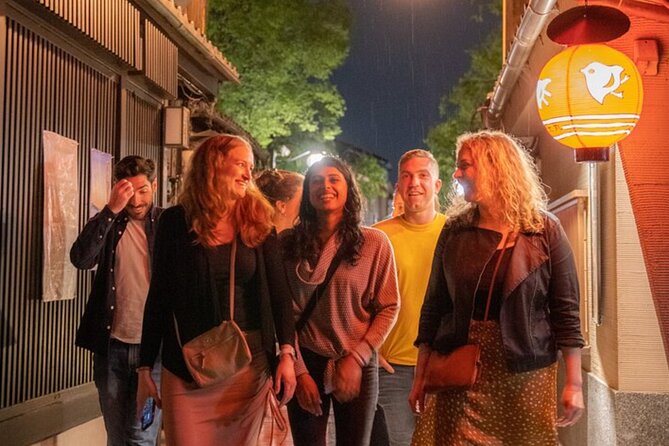
- Gion, where the streets carry the story
- Fushimi Inari’s torii gates
- What the $163.30 price really buys
- The walking and transportation question
- Timing, pace, and route choices
- The private format and who will like it
- The strict cancellation rule
- Should you book this Kyoto tour?
- FAQ
- How long does the tour last?
- Where does the tour start?
- Where does the tour end?
- Is this a private tour?
- Is transportation included?
- What food and drink costs should I expect?
- Are entrance tickets included?
- Which places are listed on the route?
- Can I cancel or change the booking?
Key points to know before booking
- Private and customizable: Your group can discuss preferred places and activities with the guide.
- Four listed Kyoto stops: Maruyama Park, Yasakanoto Pagoda, Gion, and Fushimi Inari Taisha.
- Walking is central: Transportation costs about $2 separately, but the tour does not include a vehicle.
- The listed route takes about five hours: The advertised duration is approximately five to six hours.
- The $163.30 price covers the guide only: Food, drinks, transport, and entrance tickets cost extra.
- A strict cancellation rule applies: The booking is non-refundable and cannot be amended.
A flexible Kyoto day, with one important catch
The appeal here is simple. You get a private guide and a chance to build a Kyoto day that fits your group, rather than joining a bus full of strangers on a fixed circuit. That can work well if you want help choosing between famous sights, need a little local context, or have limited time in the city.
The catch is that the wording can make this sound more all-inclusive than it is. The guide is included, but transportation, food, drinks, and entrance tickets are not. You should also plan for substantial walking. One detailed booking account described a short guide encounter followed by miles on foot, with no refund after the group decided not to continue. That account does not prove every booking will unfold the same way, but it is a good reason to confirm the transport and walking plan before paying.
Other guided tours in Kyoto
Starting near Shijo-Kawaramachi
The meeting point is outside the Disney Store at Kyoto Shijo-Kawaramachi, at the northeast corner of Shijo Street and the Kotocross Hankyu Kawaramachi building. This places you in one of central Kyoto’s busiest shopping and transport areas.
That location is practical for meeting a guide, but it is not one of the listed sightseeing stops. Give yourself enough time to find the exact corner and look for the guide. The tour ends back at the same meeting point, which makes the day easier to plan if you want to continue shopping or eating in central Kyoto afterward.
Pickup is offered, but the supplied details do not explain whether that means pickup from a hotel, a nearby point, or an agreed location. Ask for the exact pickup arrangement before booking. Otherwise, assume you need to reach the stated meeting point.
Maruyama Park and a slower start
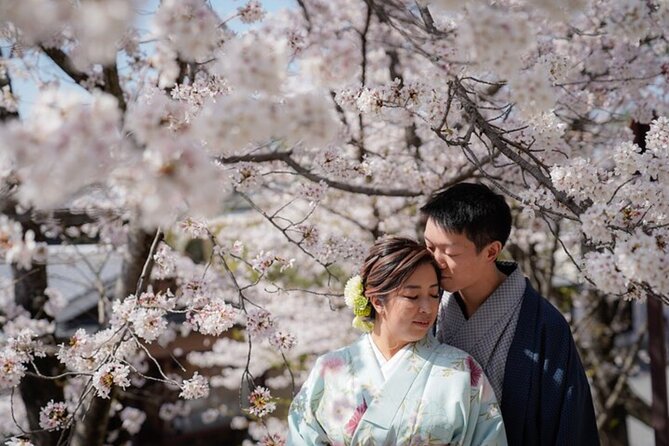
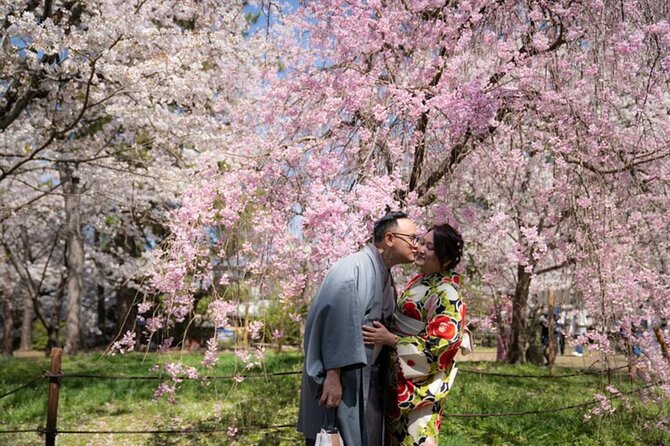
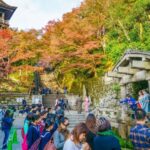
Maruyama Park is the oldest park in Kyoto, and the tour allows about one hour here. In early April, cherry trees make the park especially appealing, though the timing of blossoms naturally changes from year to year.
The park offers more than a quick photo stop. You can see a traditional Japanese garden setting and use the hour for pictures without the pressure of a large group waiting nearby. If you want a calm opening to the day, this is one of the better parts of the route.
There is no admission ticket included, and the details do not state a separate ticket price for this stop. Budget for any entrance charge your guide identifies. The park is also a place where the private format can help: you can spend more time taking photographs or move on sooner if gardens are not your main interest.
Yasakanoto Pagoda and the classic Kyoto photograph
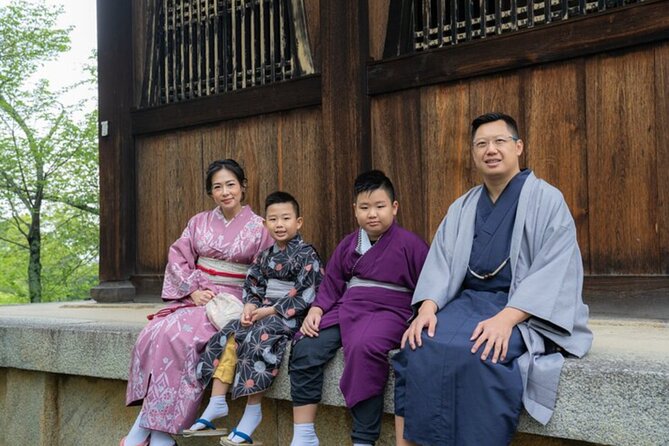
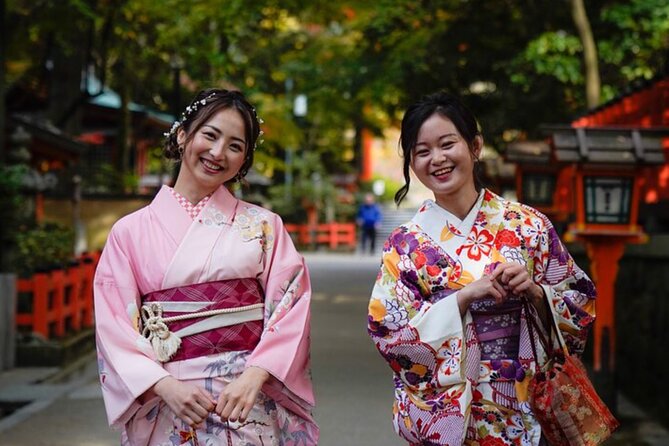
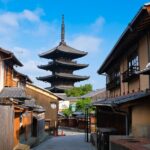
Yasakanoto Pagoda is one of Kyoto’s most recognizable sights. The five-story pagoda is especially useful for visitors who want a strong visual introduction to the city’s older streets and temple architecture.
The planned stop lasts about one hour and centers on photographs with the pagoda. That sounds straightforward, but the value depends on what you want from a guide. If you mainly need someone to lead you to the best viewpoint and explain the temple setting, this stop may suit you. If you want a long temple visit, ask exactly what is included, since an admission ticket is not included and the description does not spell out the interior access.
This is also a good point to check the day’s pace. Maruyama Park and Yasakanoto together already take about two hours. Add Gion and Fushimi Inari, and you have a full walking schedule before allowing for food, transport, or delays.
Gion, where the streets carry the story
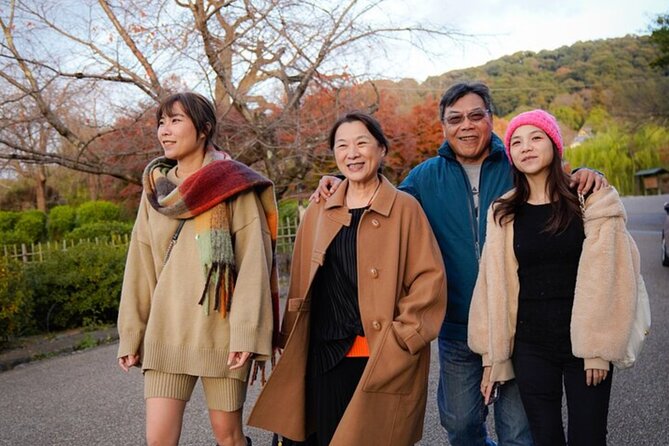
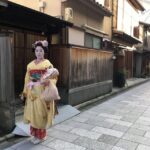
The tour gives Gion about one hour and 30 minutes, the longest allocation among the first three listed stops. That makes sense. Gion is not one building you enter and leave. It is a historic district of wooden machiya houses, narrow streets, tea houses, and the area around Yasaka Shrine.
You can use this time to look at Kyoto’s traditional streetscape and learn about the district’s connection with geisha culture. The experience is best approached with care. Gion is a living neighborhood, not a stage set, so your guide can help you understand the area without treating residents or working professionals as photo props.
There is no admission fee listed for Gion. That does not mean the district is cost-free for the day. You still need to pay for your own food and drinks, and any optional activity would need to be confirmed with the guide.
The flexible format matters here. You can tell the guide if you prefer architecture, photography, cultural background, or a simple walk through the lanes. The description promises discussion about your interests, but it does not name a specific guide or list a fixed set of activities. Get those details in writing if a particular subject matters to you.
Other private tours in Kyoto
Fushimi Inari’s torii gates
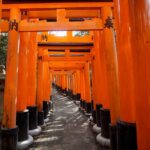
Fushimi Inari Taisha receives about one hour and 30 minutes. This is the most physically demanding stop on the listed route, since the shrine’s famous torii gates continue up Mount Inari. The bright gates form winding paths, and the site is dedicated to Inari, a Shinto deity associated with prosperity.
You do not need to complete every path to understand why the shrine is famous. Still, an hour and a half can pass quickly, especially if you stop for photographs or walk beyond the first gates. Ask your guide how far the planned visit goes and what happens if you want to continue farther.
An entrance ticket is not included. The supplied cost estimate puts entrance tickets at around $5, though exact charges can vary by site and activity. Fushimi Inari is identified as an admission stop in the cost information, so keep small cash or another accepted payment method available.
This is another reason to discuss the route before the day begins. Fushimi Inari, Gion, Yasakanoto, and Maruyama Park are not clustered into one compact site. The tour may depend on public transportation and walking between areas, and the listed transportation estimate is around $2. That is inexpensive compared with a private vehicle, but it also means you should not expect door-to-door travel.
What the $163.30 price really buys
At $163.30 per person, the price can be fair for a private guide if your group values personal attention and itinerary control. It becomes less attractive if you expect a car, included meals, shrine tickets, or a fully arranged sightseeing package.
The included item is the tour guide. The separate costs are:
- Food and drinks, estimated at around $15
- Transportation, estimated at around $2
- Entrance tickets, estimated at around $5
Those figures add roughly $22 per person, bringing the basic day to about $185 before any other spending. The exact total depends on what you eat, which sites you enter, and how the route is handled.
A private tour can also offer value that is hard to measure in dollars. You can ask questions as they come up, adjust the time at a stop, and avoid following a group’s fixed pace. But that value depends heavily on clear communication and the guide’s ability to deliver the agreed plan. Since no guide name or detailed transport arrangement is supplied, I would ask those questions before committing.
The walking and transportation question
This is the point I would settle before booking. The tour description lists transportation as an extra cost of around $2, but it does not say that a vehicle is provided. The meeting point and stops suggest a combination of public transportation and walking.
That may be perfectly suitable for active visitors who want to move through Kyoto on foot. It may not suit you if you have mobility limits, young children who tire quickly, heavy bags, or a strong preference for private road transport. Most participants can take part, and service animals are allowed, but the available details do not give a walking-distance estimate or describe vehicle access.
Ask these direct questions:
- Which parts of the route use public transportation?
- How many minutes will the group walk between stops?
- Is hotel pickup available, and where?
- Can the itinerary be shortened if the group gets tired?
- Are the listed entrance tickets required or optional?
- What happens if weather or crowds force a change?
The private format should make these questions easy to discuss. Do not assume that private means private transportation.
Timing, pace, and route choices
The four listed stops add up to five hours:
- Maruyama Park: one hour
- Yasakanoto: one hour
- Gion: one hour and 30 minutes
- Fushimi Inari Taisha: one hour and 30 minutes
The advertised duration is approximately five to six hours, so the schedule leaves only a small amount of room for moving around, buying food, using public transportation, or stopping for extra photographs. If the tour begins and ends at the same central meeting point, transfers may take a meaningful part of the day.
The description also names other major Kyoto sights, including Kinkakuji, Arashiyama, and Kiyomizu Temple, as possible destinations. They are not part of the four-stop itinerary supplied here. Do not assume you will see all of them. The whole point of the custom format is to discuss and settle the route with the guide, so agree on the final list before the tour starts.
If you want to cover many famous locations, you may need to accept brief visits. If you prefer a more relaxed day, choose fewer stops and spend longer at each one. I would prioritize two or three areas rather than trying to force every major sight into five hours.
The private format and who will like it
This tour is best suited to a small group that wants to make decisions together. Families, friends, and couples may appreciate not having to match a large group’s pace. First-time visitors can also benefit from a guide who explains how the shrines, temple districts, gardens, and traditional streets connect.
It is a good fit if you:
- Want a private activity rather than a shared group tour
- Enjoy walking and public transportation
- Need help shaping a short Kyoto visit
- Care about photographs and historic streets
- Want to discuss cultural interests with a local guide
I would be more cautious if you need firm accessibility details, a vehicle, a guaranteed list of sights, or a relaxed pace. The tour allows service animals and is near public transportation, but that is not the same as a detailed mobility plan.
The strict cancellation rule
The cancellation policy is unusually firm. The experience is non-refundable and cannot be changed for any reason. If you cancel or ask for an amendment, the amount paid will not be returned.
That makes pre-booking checks especially important. Confirm the date, meeting point, pickup details, final route, transport plan, expected walking, and extra costs before you pay. The experience is booked on average 15 days ahead, so advance planning is common, but do not let that pressure you into booking before the practical details are clear.
The displayed score is 4.5 from 15 ratings, but one detailed account raises a serious concern about the gap between the advertised experience and what was delivered. The account describes no transportation, less than an hour with the guide, extensive walking, and a denied refund after the group chose not to proceed. Because the cancellation terms are strict, this is not a small risk to ignore.
Should you book this Kyoto tour?
Book it if you want a private, adjustable walking tour and you are comfortable paying separately for transport, food, and tickets. The strongest reason to choose it is the ability to shape the day around Gion, Fushimi Inari, Maruyama Park, Yasakanoto, or other agreed Kyoto sights.
I would book only after receiving a clear written plan. Make sure the provider confirms who will guide you, where pickup occurs, whether public transportation is used, how much walking is expected, and which sites are actually included. At $163.30 per person, the tour needs to deliver more than a meeting and a long walk.
If you need a vehicle, guaranteed admissions, or a forgiving cancellation policy, choose a different arrangement. If you are flexible, active, and willing to manage the details, this private format may give you a useful introduction to Kyoto without the rigid pace of a large group.
FAQ
How long does the tour last?
The tour lasts approximately five to six hours. The listed stops add up to about five hours, before allowing time for transportation, food, and movement between locations.
Where does the tour start?
It starts at the Disney Store near Kyoto Shijo-Kawaramachi, at the northeast corner of Shijo Street and the Kotocross Hankyu Kawaramachi building.
Where does the tour end?
The activity ends back at the same meeting point.
Is this a private tour?
Yes. Only your group participates in the activity.
Is transportation included?
No. Transportation is listed as an extra cost of around $2. The supplied details do not say that a private vehicle is provided.
What food and drink costs should I expect?
Food and drinks are not included. The estimated additional cost is around $15.
Are entrance tickets included?
No. Entrance tickets are not included. The estimated additional entrance cost is around $5.
Which places are listed on the route?
The listed stops are Maruyama Park, Yasakanoto Pagoda, Gion, and Fushimi Inari Taisha Shrine. Kinkakuji, Arashiyama, Kiyomizu Temple, and other places may be discussed as itinerary choices, but they are not part of the four-stop route specified here.
Can I cancel or change the booking?
No. The experience is non-refundable and cannot be changed for any reason. Canceling or requesting an amendment does not result in a refund.
More Private Tours in Kyoto
More Guided Tours in Kyoto

More tours in Kyoto we've reviewed


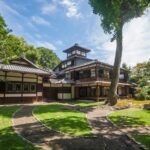
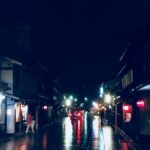
Guided, compared.
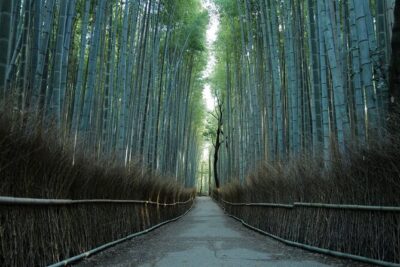 ★ 5.0Kyoto Early Morning Tour with English-Speaking GuideFrom $68
 ★ 5.0Kyoto 6hr Private Tour with Government-Licensed GuideFrom $155
★ 4.9Kyoto: Early Morning Tour with English-Speaking GuideFrom $1015h 30m
★ 5.0Kyoto 6hr Private Tour with Government-Licensed GuideFrom $155
★ 4.9Kyoto: Early Morning Tour with English-Speaking GuideFrom $1015h 30m
 ★ 4.7Kyoto: Nijo-jo Castle and Ninomaru Palace Guided TourFrom $161 hour
 ★ 4.9Kyoto: Izakaya Bars Guided Walking TourFrom $253 hours
 ★ 5.0Kyoto Gion Night Walk & Geisha District Guided TourFrom $18