
Reviewed · MORNING
Start from Kyoto Station: Early Morning E-Bike Tour with Kyotoite
Kyoto is at its best before the day gets noisy, and this early-morning e-bike tour makes good use of those quiet hours. You ride from near Kyoto Station to Fushimi Inari, old Gion lanes, Nanzen-ji, and Heian Shrine, with local guides such as Aki, Sato, and Ryuto explaining what you are seeing. I like the small maximum of six people, which keeps the ride personal, and I like that the route uses backstreets and river paths instead of simply linking major sights by subway.
The main consideration is the pace and physical side of the outing. The ride is not described as strenuous, but there are some hills, and the advertised three and a half hours includes riding time between stops. You will also need to arrive early, and the experience may feel quick if you want long temple visits.
In This Review
- Key details before you book
- Why cycling works so well in Kyoto
- Meeting near Kyoto Station before the city wakes
- Fushimi Inari and its orange torii gates
- Sanjusangendo and 1,001 Kannon statues
- Gion by the Shirakawa River and Miyagawa-cho
- Nanzen-ji, one of Kyoto’s great Zen temples
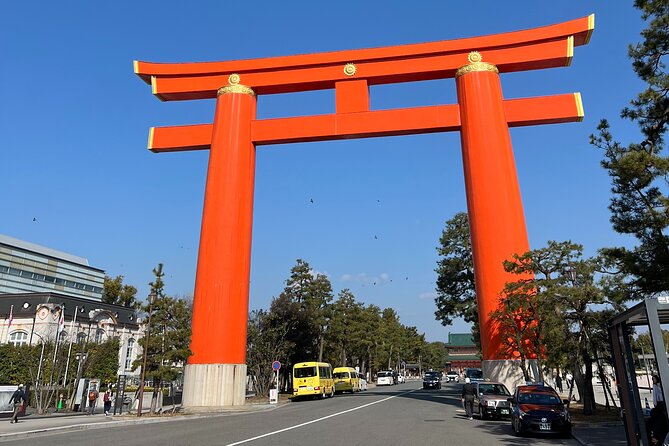
- Heian Shrine and Kyoto’s former capital role
- Returning beside the Kamogawa River
- What the $84.92 price buys you
- Who will enjoy this ride most
- Practical booking advice
- Should you book the Kyoto e-bike tour?
- FAQ
- Where does the Kyoto e-bike tour start?
- Where does the tour finish?
- How long does the experience last?
- What time does the tour start?
- What equipment is included?
- How many people can join?
- Can I cancel for a full refund?
Key details before you book
- Start near Kyoto Station: Meet at Rental Bicycle KYOTO ECO TRIP Flagship shop, 58 Higashikujo Muromachi, about 20 minutes by bike from Fushimi Inari.
- Small group of six or fewer: You get a better chance to hear the guide and keep the group together on Kyoto’s streets.
- A broad slice of southern and eastern Kyoto: The route covers Fushimi Inari, Sanjusangendo, Miyagawa-cho, Gion, Nanzen-ji, Heian Shrine, and the Kamogawa River.
- Equipment is ready: The fee includes an e-bike, helmet, bottled water, raincoat, and liability insurance.
- Early departures change by season: Departures are at 8:30 a.m. from January through February and at 7:30 a.m. from March through June.
- Strong guide-focused experience: Aki, Sato, and Ryuto are praised for clear explanations, friendly service, navigation, photography, and local food suggestions.
Why cycling works so well in Kyoto
Kyoto’s main sights are spread out. Fushimi Inari is south of the central temple district, Gion sits farther north, and Nanzen-ji and Heian Shrine are beyond it. By train and subway, you can cover the distance, but you spend part of your morning finding stations, waiting, and walking underground.
A bicycle gives you a better sense of how the city fits together. You pass from shrine paths to narrow residential lanes, then along the Shirakawa River and the Kamogawa River. That movement is a major part of the experience. You are not just arriving at famous places. You are seeing the quiet spaces between them.
The e-bike matters most on the longer stretches and mild hills. You still pedal, but the motor reduces the effort. One useful point from the ride details is that the bikes are more traditional in style and not too bulky. That should make them easier to handle than oversized rental cycles, especially on narrower streets.
This is not a mountain-bike outing or a race. The route is built for sightseeing, with stops for temples, shrines, photos, and explanations. Still, you should be comfortable riding a bicycle in an urban setting. One participant specifically noted that there are some hills, even though the ride was not too strenuous.
Other cycling tours in Kyoto

Meeting near Kyoto Station before the city wakes
The meeting point is the Kyoto ECO Trip Flagship shop at 58 Higashikujo Muromachi in Minami Ward. It is close enough to Kyoto Station to make this a practical first activity after arriving in the city, though you should allow time to find the shop and get ready.
The early start is a real advantage. From January through February, the listed start time is 8:30 a.m. From March through June, it is 7:30 a.m. Those times put you on the road before the busiest part of the sightseeing day.
You receive the bicycle, helmet, bottled water, and raincoat. Liability insurance is also included. Snacks are not included, so eat something beforehand, particularly if you are booking the longer spring departure. There is no need to arrange a separate rental, which saves time and removes one common source of confusion.
The group limit is six people. That is small enough for the guide to adjust explanations, help with navigation, and take photos without treating the group like a moving crowd. Aki is praised for taking family photos at several stops, while Sato is noted for recommending places to eat afterward. Those details matter because they show the guide role is not limited to leading the bicycle line.
Fushimi Inari and its orange torii gates
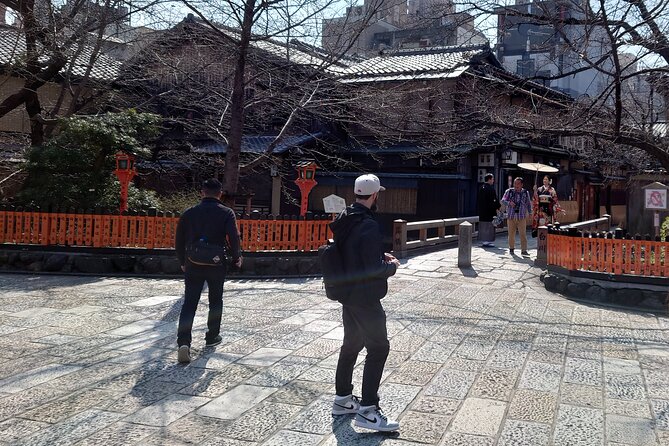
The first major stop is Fushimi Inari-taisha Shrine, reached after about 20 minutes of riding from the shop. This is one of Kyoto’s essential sights, famous for its thousands of orange torii gates climbing the wooded mountain behind the shrine.
The tour allows about 50 minutes here, which is generous compared with a quick photo stop. You can see the main shrine area and make your way into the torii-lined paths. The route also includes a less obvious part of the shrine area, though the supplied details do not specify exactly which section. Your guide can give the visit context and help you make good use of the time.
The tradeoff is simple: 50 minutes is enough for an introduction, not a full climb to the upper viewpoints. Fushimi Inari extends far beyond the first gates, and the complete walk can take much longer. If reaching the summit is one of your top Kyoto goals, you may want to return separately on another morning.
As a first stop, though, it works well. The shrine is visually powerful, and the early timing helps you see more of it before the heaviest foot traffic arrives. You also get the pleasant change from walking uphill through the gates to riding away through Kyoto’s streets.
Sanjusangendo and 1,001 Kannon statues
After Fushimi Inari, the ride continues for about 15 minutes to Sanjusangendo Temple. The temple is famous for its hall containing 1,001 statues of Kannon, the Buddhist goddess of mercy.
The visit here is shorter than at Fushimi Inari, and the provided schedule does not give a separate stop length. That suggests you should expect an introduction rather than a long, unhurried interior visit. The temple’s main appeal is inside, so check the guide’s timing and remember that temple entry rules can affect how long you remain indoors.
This stop adds variety. Fushimi Inari is all gates, slopes, and open shrine grounds. Sanjusangendo is about scale, repetition, and the powerful effect of seeing so many statues together. A guide who can explain the Buddhist setting makes the stop more useful than simply passing the entrance.
Gion by the Shirakawa River and Miyagawa-cho
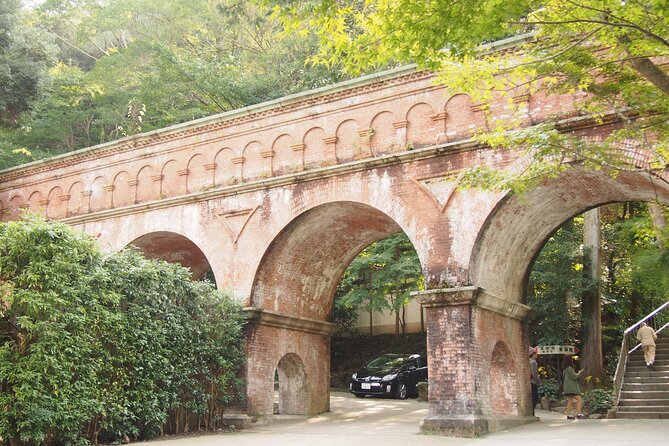
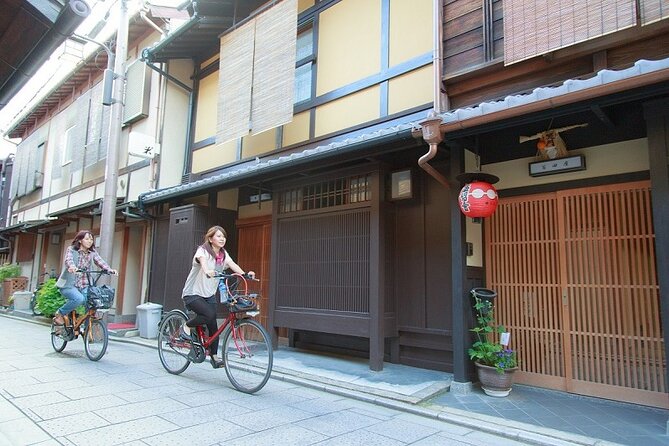
From Sanjusangendo, it is about 10 minutes by bike to the Shirakawa River. The route follows the river and old backstreets toward Miyagawa-cho and Tatsumi Bridge in Gion.
This is one of the strongest parts of the ride for me. Gion is famous, but the experience is not limited to its best-known lanes. Riding beside the water and through older side streets gives you a more natural view of the district. You see how the traditional neighborhoods connect, rather than arriving at one postcard corner and leaving again.
Miyagawa-cho is one of Kyoto’s historic geisha districts, and Tatsumi Bridge is a well-known scenic point. You should approach this area quietly and respectfully. It is not a theme park. People live and work here, and the value of seeing Gion by bicycle is partly that you can move through it without adding to a dense pedestrian pack.
The route is also designed to limit pedestrian traffic. That is important in Gion, where narrow lanes can become crowded and bicycles can be awkward. Your guide handles the route, while you focus on riding carefully and taking in the buildings and waterways.
A few more Kyoto tours and experiences worth a look

Nanzen-ji, one of Kyoto’s great Zen temples
After Gion, you ride about 15 minutes toward Nanzen-ji Temple. The stop lasts around 20 minutes.
Nanzen-ji is one of Kyoto’s most important Zen temples. Its grounds offer a different mood from Gion and Fushimi Inari, with a more spacious temple setting and a strong connection to Zen practice. The stop is brief, so you will not explore every corner, but it gives you a useful introduction to one of eastern Kyoto’s major religious sites.
The ride here is part of the appeal. You are moving from the geisha district toward the quieter temple zone, and the route shows the city changing around you. This is where having a guide with local knowledge helps. Ryuto, one of the guides praised for the experience, is especially noted for explaining Shinto, Buddhism, and Kyoto’s past in clear English.
Do not expect a long meditation visit. The 20-minute schedule is enough to see a key portion of the grounds and hear an explanation, but anyone wanting a detailed temple visit should return later with more time.
Heian Shrine and Kyoto’s former capital role
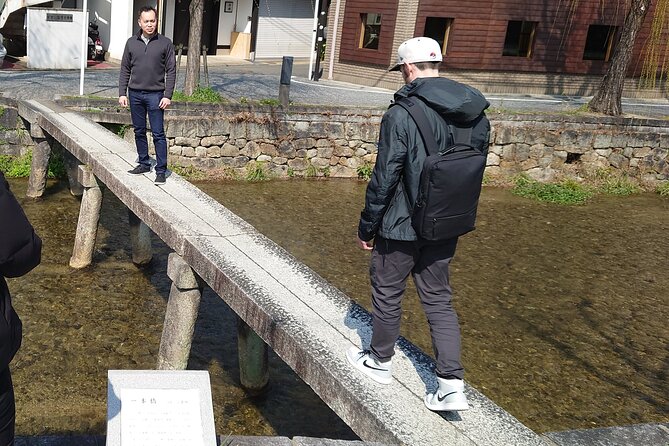
Heian Shrine is about 10 minutes by bike from Nanzen-ji and receives another 20-minute stop. The shrine is presented as a symbol of Kyoto’s role as Japan’s capital about 800 years ago.
Its scale and design make it an effective final sightseeing stop. After the intimate lanes of Gion and the calmer temple grounds of Nanzen-ji, Heian Shrine gives you a broader ceremonial setting. The stop also helps connect the physical city with Kyoto’s political and religious past.
Again, the time is enough for an overview rather than an exhaustive visit. If the shrine’s gardens or buildings are a priority, plan a separate return. On this tour, the goal is range: several important places in one morning, linked by streets and river routes.
Returning beside the Kamogawa River
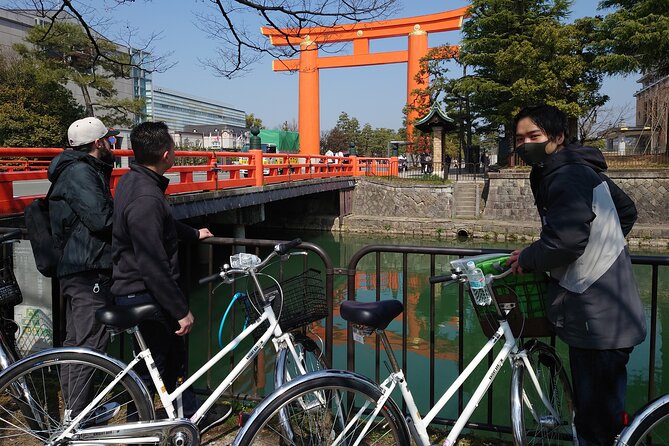
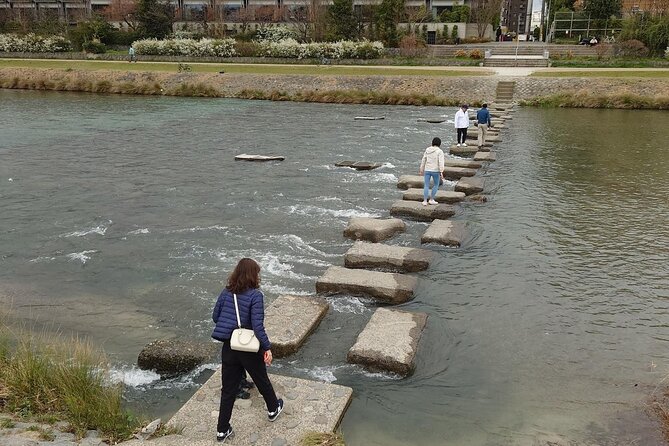
The final ride follows the Kamogawa River back toward the starting shop. The journey from Heian Shrine to the meeting point takes about 20 minutes, with the full route returning to the original location.
This is a pleasant way to finish because it gives you a quieter stretch after several formal sights. The Kamogawa is one of Kyoto’s best-known rivers, and following it helps you regain your bearings. You end where you started, which is handy if you have a train, lunch reservation, or another activity planned nearby.
The advertised duration is about three hours and 30 minutes, including travel between stops. One account describes a ride lasting almost four and a half hours, so allow some flexibility. A friendly guide may spend extra time answering questions or taking photos, but you should not schedule a tight connection immediately afterward.
What the $84.92 price buys you
At $84.92 per person, this is not the cheapest way to see Kyoto. You could rent a bicycle independently for less, and many shrine grounds can be visited without an admission charge. The value here is the combination of the e-bike, equipment, route planning, small group, and guide.
The route covers a lot of ground that would take more effort on foot. You also avoid working out which train connects Fushimi Inari with Gion and Nanzen-ji. The guide adds the most value if you want explanations about Shinto, Buddhism, local districts, and Kyoto’s history rather than just a list of photo stops.
Bottled water, a raincoat, helmet, and liability insurance are included. Snacks are not, so the cost does not cover a breakfast break. For a family or small group that wants a structured first look at eastern Kyoto, the price is reasonable. For someone who already knows the city well and enjoys planning bike routes alone, it may be harder to justify.
Who will enjoy this ride most
I would choose this for active visitors who want a strong first orientation to Kyoto. It suits families, including older children and teenagers, and the maximum group size keeps the experience from feeling anonymous. A family of five with teenagers aged 13, 17, and 19 found the activity especially engaging, which is a useful sign for parents trying to avoid a morning of passive sightseeing.
It also works well for people who like asking questions. Ryuto is described as an English-speaking student from Kyoto who handled many questions about religion and history. Aki is praised for local explanations and family photos, while Sato is remembered for food advice after the ride.
You should think twice if you dislike early starts, are uncomfortable cycling near city traffic, or want to spend a long time inside each temple. This is a moving overview, not a slow cultural workshop. Some hills are included, and the 3.5-hour block can run longer.
The experience is listed as suitable for most participants, but no detailed accessibility information is provided. If you have specific mobility or cycling needs, ask the operator before booking.
Practical booking advice
The experience is commonly booked about 15 days ahead, so reserve early if your Kyoto dates are fixed. Confirmation arrives at booking, and the ticket is mobile, which keeps the morning simple.
Free cancellation is available up to 24 hours before the start time for a full refund. Changes or cancellations made less than 24 hours before the start are not accepted for a refund. The cutoff follows local Kyoto time.
Check the seasonal start hour carefully. The difference between 8:30 a.m. and 7:30 a.m. affects breakfast, transport, and how early you need to leave your hotel. Bring comfortable clothing for cycling, but rely on the supplied helmet, water, and raincoat rather than packing bulky equipment.
Should you book the Kyoto e-bike tour?
Book it if you want to cover several major Kyoto sights before the city gets crowded, and if you value a guide who can explain what you are seeing. The strongest features are the small group, well-planned route, local guide support, and chance to ride through Gion and along the rivers instead of spending the morning underground.
Skip it if your main goal is a complete visit to Fushimi Inari, Nanzen-ji, or Heian Shrine. The stops are short, and the tour gives you a broad introduction rather than deep time at any one place.
For most first visits, I see this as a smart opening morning. You get your bearings, cover a large part of eastern Kyoto, and finish near the station with the rest of the day still ahead. Just leave room in your schedule in case the ride runs long.
FAQ
Where does the Kyoto e-bike tour start?
It starts at Rental Bicycle KYOTO ECO TRIP Flagship shop, 58 Higashikujo Muromachi, Minami Ward, Kyoto, 601-8001, Japan.
Where does the tour finish?
The ride ends back at the same meeting point.
How long does the experience last?
The advertised duration is approximately three hours and 30 minutes, including travel time between stops.
What time does the tour start?
From January 1 through February 28, 2026, the listed Monday start time is 8:30 a.m. From March 1 through June 30, 2026, the listed start time is 7:30 a.m. daily.
What equipment is included?
The fee includes use of an e-bike, a helmet, bottled water, a raincoat, and liability insurance.
How many people can join?
The tour has a maximum of six participants.
Can I cancel for a full refund?
Yes. You can cancel at least 24 hours before the experience start time for a full refund. Cancellations or changes made less than 24 hours before the start are not accepted for a refund.
More Morning in Kyoto


More E-Bikes in Kyoto
More Cycling Tours in Kyoto
More tours in Kyoto we've reviewed



Morning, compared.
 ★ 5.0Kyoto Early Morning Tour with English-Speaking GuideFrom $68
★ 4.9Kyoto: Early Morning Tour with English-Speaking GuideFrom $1015h 30m
★ 5.0Kyoto Early Morning Tour with English-Speaking GuideFrom $68
★ 4.9Kyoto: Early Morning Tour with English-Speaking GuideFrom $1015h 30m
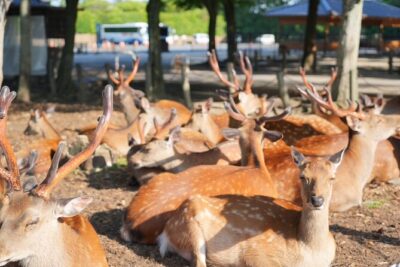 ★ 5.0Nara Early Morning Tour (Kyoto or Osaka Departure Available)From $61
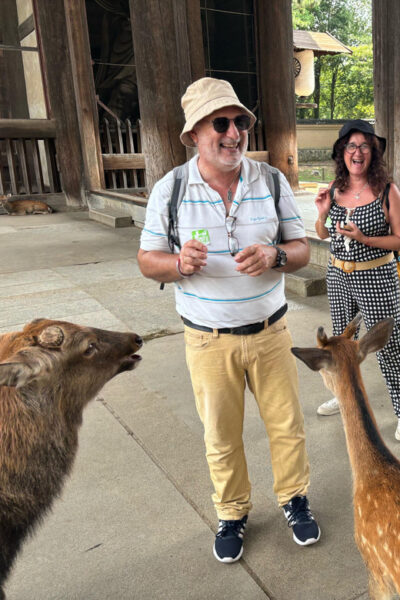 ★ 4.6From Kyoto: Nara Guided Morning TourFrom $774 hours
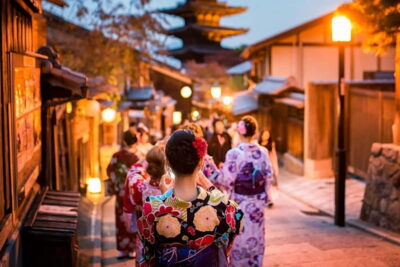 ★ 4.6Kyoto: Gion Night or Morning Walking Tour with Local SnacksFrom $46
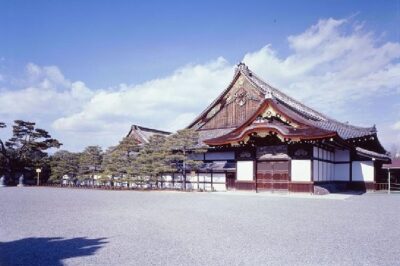 ★ 4.0Kyoto Morning Tour from Kyoto or OsakaFrom $87