
Reviewed · COOKING CLASSES
Private Plant-Based Japanese Cooking Class – Kyoto Edition
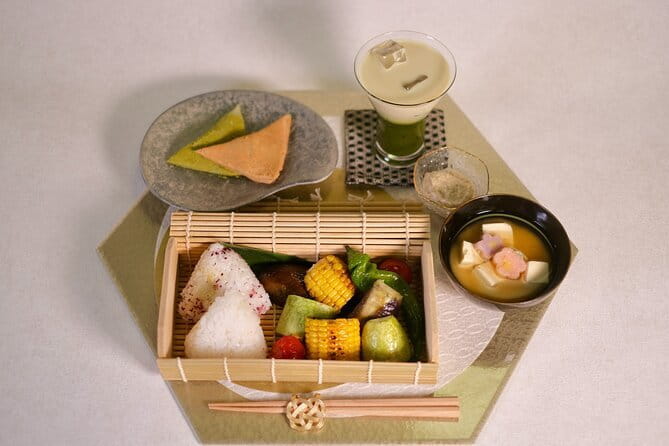
Kyoto’s food culture is not only about temple restaurants and polished kaiseki meals. In this two-hour private cooking class, you work with seasonal vegetables and learn the simple techniques behind shojin ryori, the plant-based Buddhist cuisine associated with Kyoto. You also make rice and miso soup from scratch, then finish with two kinds of Kyoto-style yatsuhashi mochi.
I like two things right away: you get to eat what you prepare, and the lesson gives you recipes and methods you can use at home. I also like the practical location at LAQUE Shijo Karasuma, with direct station access, and the chance to ask the instructors for Kyoto food and sightseeing advice.
The main consideration is depth. This is a friendly, hands-on introduction, not an advanced chef’s course. One class description specifically characterizes the recipes as simple, so experienced cooks looking for complex knife work or elaborate restaurant techniques may want something more demanding.
In This Review
- Key points at a glance
- Why shojin ryori makes a good Kyoto introduction
- A two-hour lesson with plenty to do
- Making rice and miso soup the traditional way
- Seasonal vegetables and the art of simple flavor
- Yatsuhashi brings a sweet Kyoto finish
- The bamboo lunchbox is a useful souvenir
- Friendly teaching and an easy English experience
- Location at LAQUE Shijo Karasuma
- Is $98 per person a fair price?
- Who will enjoy this class most?
- Booking and cancellation details
- FAQ
- Where does the cooking class meet?
- Where does the activity end?
- How long does the cooking class last?
- What food will I prepare?
- Is the cooking class private?
- Is the class near public transportation?
- Is the class available in English?
- Can I cancel for a full refund?
- Should you book this Kyoto cooking class?
Key points at a glance
- Private format: Only your own group takes part, making it easier to ask questions and work at a comfortable pace.
- Plant-based Kyoto cooking: Prepare shojin ryori with fresh, seasonal vegetables sourced from local farmers.
- Several dishes in two hours: The class covers rice, miso soup, a vegetable-based meal, and two flavors of yatsuhashi.
- English-friendly teaching: Instructors are described as fluent in English and Japanese, helpful for first-time cooks and international visitors.
- A useful souvenir: You can take the bamboo lunchbox home after the meal.
- Central meeting point: LAQUE Shijo Karasuma is near public transportation and convenient for continuing your day in Kyoto.
Why shojin ryori makes a good Kyoto introduction
Shojin ryori is plant-based Buddhist cuisine with roots in Kyoto. For you, that means the class offers a side of Japanese food culture that is easy to miss if your meals focus only on sushi, ramen, or grilled dishes.
The appeal is not simply that the food contains vegetables. The class emphasizes fresh, seasonal produce from local farmers and traditional preparation. That gives you a useful look at how Japanese cooking can make a complete meal from rice, soup, tofu, vegetables, and careful seasoning.
You are not just watching an instructor assemble finished dishes. You take part in the work. The class description specifically includes making fresh rice and miso soup from scratch, using traditional methods. Those are everyday Japanese staples, but they are also the foundation of a proper meal.
That makes the experience more useful than a one-time tasting. You leave with techniques you can try in your own kitchen, even if you do not have access to every ingredient used in Kyoto. The dishes are presented as approachable, so you do not need much cooking experience to take part.
Other cooking classes in Kyoto

A two-hour lesson with plenty to do
The class lasts about two hours, which is a good fit for a Kyoto schedule. It is long enough to prepare and eat a meal, but short enough to place between sightseeing stops.
The exact order of the activities is not specified, so you should expect the instructors to organize the work around cooking times. Rice may need attention while other ingredients are prepared, and miso soup can be assembled as the rest of the meal comes together.
The central part of the session is the shojin ryori meal. You work with seasonal vegetables and learn how they are prepared in a traditional plant-based style. One useful feature here is participation: the class is designed so each person in the group can help, rather than leaving one person to do all the cooking.
The food is intended to be both simple and flavorful. That is important for beginners. You can focus on learning the method instead of trying to keep up with restaurant-level techniques or a long list of unfamiliar ingredients.
The meal is also filling. A class built around rice, miso soup, vegetables, and other plant-based dishes gives you a substantial midday or evening activity, not just a small sample. If you have been walking around Kyoto all day, that practical aspect matters.
Making rice and miso soup the traditional way
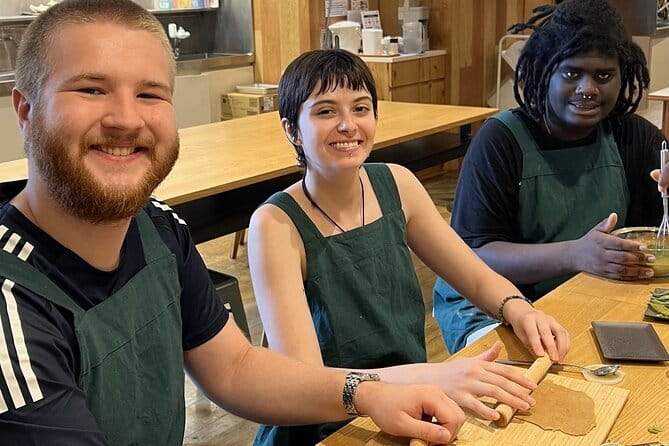
Rice and miso soup may sound basic, but they are the most useful parts of the class for many people. They appear often in Japanese home cooking, and learning to prepare them properly can change the way you understand an entire meal.
The class teaches fresh rice from scratch rather than treating it as a side dish that simply appears on the table. You can watch how the instructor explains the process and then take part yourself. The supplied information does not specify the exact equipment or rice variety, so do not expect a technical lesson on every regional style.
Miso soup adds another layer. You learn to make it with tofu as part of the meal, according to the details provided about the cooking experience. It is a good chance to see how a few modest ingredients can produce a dish with plenty of flavor.
I would pay close attention during these two steps, even if your main reason for booking is the mochi. Rice and miso soup are the recipes most likely to become regular parts of your cooking at home.
Seasonal vegetables and the art of simple flavor
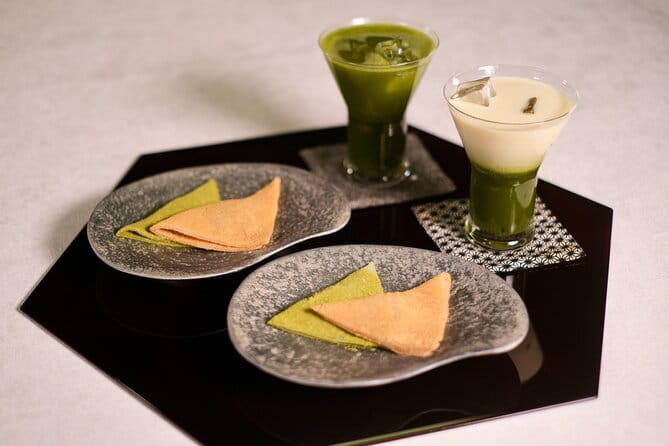
The vegetable portion is where the class connects most clearly with the shojin ryori tradition. The ingredients come directly from local farmers, and the focus is on fresh, seasonal produce rather than heavy sauces or meat-based flavoring.
You might find the cooking style more restrained than some Japanese dishes served outside Japan. That is part of the point. The class shows how texture, freshness, seasoning, and preparation can make vegetables satisfying on their own.
Past participants have described the finished recipes as simple but elegant and have been surprised by how flavorful the vegetables tasted. That is a useful expectation to carry into the lesson. You are not signing up for a complicated culinary performance. You are learning how thoughtful preparation can make ordinary ingredients taste special.
The class also appears suitable for different cooking backgrounds. The teaching is described as patient, interactive, and easy to follow, and instructors are said to explain each step clearly. If you are nervous about cooking in an unfamiliar setting, the private format should make it easier to ask for help.
Yatsuhashi brings a sweet Kyoto finish
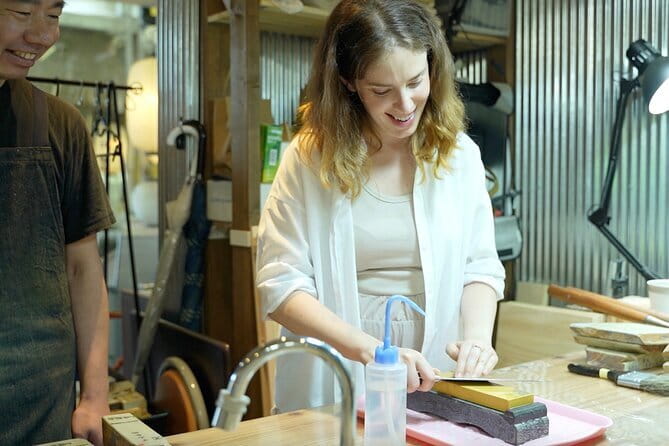
The dessert portion is one of the class’s most distinctive features. You learn to make two flavors of yatsuhashi, Kyoto’s take on mochi.
Yatsuhashi is strongly associated with Kyoto, so preparing it yourself gives the class a local identity that a generic Japanese cooking lesson would lack. The two-flavor format also adds variety and gives you a chance to compare different fillings or seasonings, though the specific flavors are not stated in the available details.
Some class versions or descriptions also mention Yatsuhashi-style mochi alongside matcha latte preparation. Since the core activity information names two yatsuhashi flavors but does not promise a matcha latte for every booking, you should confirm the current menu if the drink is important to you.
The mochi is a smart choice for a group class. It is hands-on, visually appealing, and different from the savory dishes. It also gives you a sweet reward after working through rice, soup, and vegetables.
Other private tours in Kyoto

The bamboo lunchbox is a useful souvenir
After eating, you can take the bamboo lunchbox home. This is more than a decorative keepsake. It gives the experience a practical ending and helps connect the lesson to everyday Japanese food culture.
A bento box is also easier to pack than many souvenirs. You can use it for lunches, snacks, or a picnic after returning home. The activity description specifically presents it as a souvenir, so you should not assume that it comes filled with leftover food.
If you are traveling with friends or family, the lunchbox adds a shared reminder of the class without taking up much room in your luggage. It is a small but worthwhile extra at a cooking activity priced at $98 per person.
Friendly teaching and an easy English experience
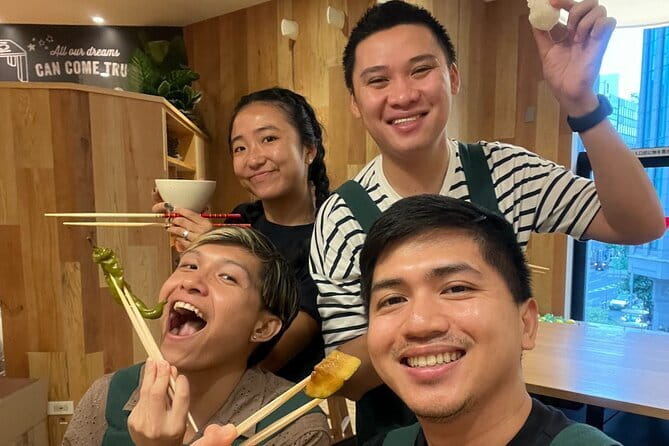
The instructors are described as friendly, approachable, accommodating, and fluent in English and Japanese. Haruhi is specifically praised for being patient and insightful, which may be useful if you hope for more than a step-by-step recipe demonstration.
The language support matters. Japanese cooking terms, ingredients, and kitchen instructions can be difficult to follow when you are unfamiliar with the setting. Clear English guidance lets you concentrate on the food instead of guessing what to do next.
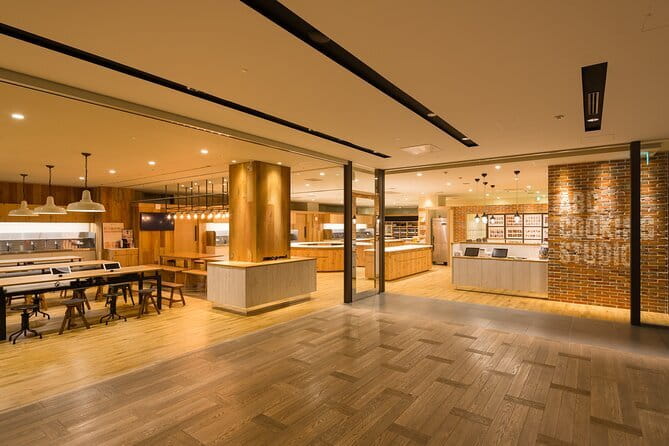
The class also appears to welcome people from different cultural and cooking backgrounds. You do not need to arrive as an expert. The atmosphere is described as relaxed, with a clean and inviting studio that makes the process feel social rather than formal.
Because this is a private activity, only your group participates. That is especially helpful for families, couples, and friends who want to cook together without being placed with strangers. It also gives you a better chance to ask about Kyoto restaurants, neighborhoods, and local customs during the session.
The instructors are described as having local Kyoto knowledge, and one account notes that the lesson included useful local information. I would treat that as a bonus rather than the main reason to book. The cooking remains the core activity, but the conversation can help you plan the rest of your visit.
Location at LAQUE Shijo Karasuma
The meeting point is LAQUE Shijo Karasuma, at 101 Kankobokochō in Kyoto’s Shimogyo Ward. The property is near public transportation and has direct access to the station, making this one of the easier cooking classes to fit into a busy itinerary.
The convenience is valuable in Kyoto, where crossing the city can take longer than the map suggests. You can schedule the lesson without spending much of your day reaching a remote studio, then return to sightseeing from the same central area.
The activity ends back at the meeting point. That makes your next step simple: continue shopping or sightseeing nearby, return to your hotel, or use the station to reach another part of the city.
You should still allow enough time to find the correct entrance and arrive ready to start. The available information does not provide a precise arrival recommendation, so follow the confirmation details carefully.
Is $98 per person a fair price?
At $98 per person, this is not a budget meal. You are paying for a private, guided activity rather than simply purchasing lunch in Kyoto.
The value comes from the combination of instruction, food, cultural context, English support, a central location, and the bamboo lunchbox souvenir. You also take home recipes and techniques, including rice, miso soup, vegetable preparation, and yatsuhashi.
For a couple or small group that wants a personal activity, the price is easier to justify than for someone traveling alone and mainly seeking an inexpensive meal. Group discounts are available, which may improve the cost for larger parties.
I would compare it with the price of a standard Kyoto lunch plus a separate cultural activity. The class gives you both a meal and something to do, but you should not book it expecting advanced professional training.
The high satisfaction level and full recommendation rate suggest that the experience has been delivering what it promises: a fun, social, food-focused introduction to Japanese culture. Still, the published rating is based on a small number of responses, so I would use it as a positive signal, not as a guarantee.
Who will enjoy this class most?
I would recommend it most strongly to:
- First-time visitors to Kyoto who want an activity tied to local food traditions.
- Friends and families looking for something interactive and easy to share.
- Vegetarians and plant-based eaters seeking a meal built around vegetables, rice, miso, tofu, and sweets.
- Beginner cooks who want clear instruction and recipes they can repeat at home.
- Visitors who need English support during a Japanese cooking experience.
- People with a tight itinerary who value a two-hour class near a major station.
It may be less suitable for advanced cooks who want complex recipes, restaurant techniques, or a full-day culinary workshop. It is also not the right choice if you want to spend the entire time eating rather than preparing food.
The private format gives you flexibility, but the class still has a planned menu and limited time. You should expect to participate, follow instructions, and share the kitchen work with your own group.
Booking and cancellation details
The activity is usually booked about 13 days ahead, so reserving early is sensible if your Kyoto dates are fixed. Confirmation is provided at booking, and you receive a mobile ticket.
Free cancellation is available if you cancel at least 24 hours before the local start time. A cancellation or change made less than 24 hours ahead is not accepted for a refund, so check your schedule before booking.
The meeting point and ending point are the same, at LAQUE Shijo Karasuma. Since the class is private, only your group takes part, and group discounts may be available.
FAQ
Where does the cooking class meet?
It meets at LAQUE Shijo Karasuma, 101 Kankobokochō, Shimogyo Ward, Kyoto, 600-8009, Japan.
Where does the activity end?
The activity ends back at the meeting point at LAQUE Shijo Karasuma.
How long does the cooking class last?
The class lasts approximately two hours.
What food will I prepare?
The activity includes plant-based shojin ryori made with seasonal vegetables, fresh rice, miso soup prepared from scratch, and two flavors of Kyoto-style yatsuhashi.
Is the cooking class private?
Yes. Only your own group participates in the activity.
Is the class near public transportation?
Yes. The meeting point is near public transportation and has direct access to the station.
Is the class available in English?
The instructors are described as fluent in English and Japanese, and the experience is presented as suitable for international participants.
Can I cancel for a full refund?
Yes, if you cancel at least 24 hours before the experience’s local start time. Cancellations or changes made less than 24 hours before the start are not accepted for a refund.
Should you book this Kyoto cooking class?
Book it if you want a short, private, plant-based cooking experience that connects directly with Kyoto food traditions. The strongest reasons are the seasonal vegetables, hands-on preparation, English-friendly teaching, yatsuhashi dessert, central location, and bamboo lunchbox you can use afterward.
I would especially choose it early in a Kyoto visit. The instructors can help you get your bearings and suggest local food or sightseeing ideas, while the two-hour schedule leaves most of the day free.
Skip it if you want advanced culinary training or a low-cost meal with no cooking involved. For everyone else, especially friends, families, beginners, and plant-based eaters, this offers a practical way to understand Kyoto through food and leave with skills you can use long after the trip.
More Cooking Classes in Kyoto
More Private Tours in Kyoto
More Cooking Classes in Kyoto
More tours in Kyoto we've reviewed

Cooking Classes, compared.
 ★ 5.0Ramen Cooking Class at Ramen Factory in KyotoFrom $131
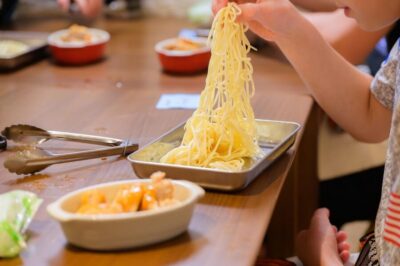 ★ 4.9Kyoto: Ramen Cooking Class at a Ramen Factory with SouvenirFrom $1271h 30m
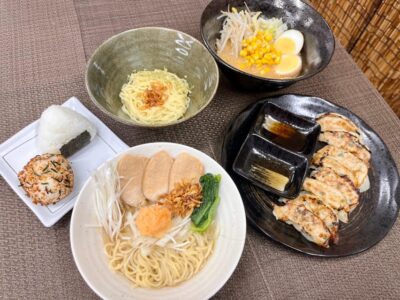 ★ 5.0Kyoto: Ramen, Gyoza, and Onigiri Cooking ClassFrom $901h 30m
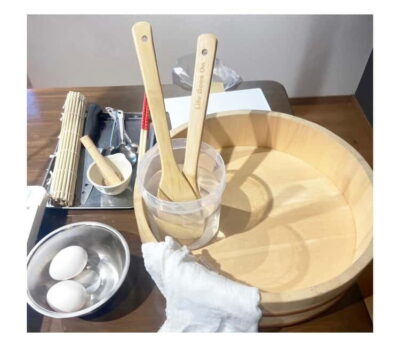 ★ 5.0Kyoto: Japanese Washoku Bento Small Group Cooking ClassFrom $582h 30m
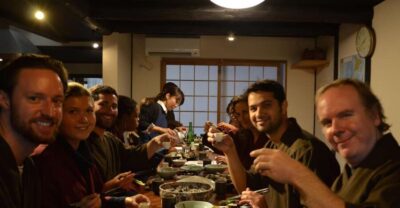 ★ 4.9Kyoto: Afternoon Japanese Izakaya Cooking ClassFrom $673 hours
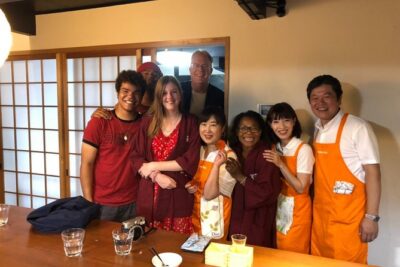 ★ 5.0Izakaya Style Cooking ClassFrom $71