
Reviewed · NARA DAY TRIPS
Kyoto/Osaka: Kyoto and Nara World Heritage Day Tour
Kyoto’s old-world magic and Nara’s friendly deer make a fine pair, and this 10-hour day tour packs both into one long but rewarding outing. You’ll walk through Kiyomizu-dera’s temple grounds, thread the red gates at Fushimi Inari, and finish among the deer of Nara Park.
I like the efficient route and the fact that round-trip transport, tolls, parking, and a multilingual guide are covered in the $61 price. I also like the chance to wander Kyoto’s traditional lanes and add a self-paid kimono rental. The main catch is time: traffic and crowds can cut visits short, so this suits sightseers who prefer breadth over a slow, lingering day.
In This Review
- Key points to know before booking
- Why this Kyoto and Nara route works
- Kiyomizu-dera and Kyoto’s hillside lanes
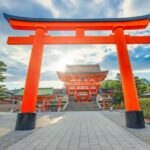
- Fushimi Inari’s red torii gates
- Nara Park and the deer
- Todaiji and the giant bronze Buddha
- The bus rides and pace of the day
- Food, footwear, and what to carry
- Who will get the most from this tour
- Should you book it?
- FAQ
- How long is the Kyoto and Nara day tour?
- Where can I start the tour?
- Where does the tour finish?
- Which languages are available?
- Is transportation included?
- Is lunch included?
- How much time is provided at Kiyomizu-dera?
- How long is the Fushimi Inari visit?
- Can I visit Todaiji Temple?
- Is the tour suitable for wheelchair users?
Key points to know before booking
- Three major cultural stops in one day: Kiyomizu-dera, Fushimi Inari, and Nara Park form the core of the route.
- The Kyoto walking section is especially atmospheric: Ninenzaka, Sannenzaka, Ishibei-koji Alley, Hanamikoji Street, and Yasaka Shrine fill out the morning.
- Fushimi Inari gets 70 minutes: Enough for the lower torii gates and photos, but not a full mountain climb.
- Nara Park includes free-roaming deer: Buy deer crackers on site, feed carefully, and keep moving if a group gathers around you.
- The tour returns only to Osaka: You can start in Kyoto or Osaka, but the stated finish is at Nipponbashi in Osaka.
- Comfortable shoes matter: Bus parking areas can be some distance from the sights, and much of the day is on foot.
Why this Kyoto and Nara route works
At $61 per person, this is a practical way to connect several famous places that are spread across southern Kyoto, Nara, and Osaka. You are paying for transport, a professional driver, expressway tolls, parking, and a guide, not just entry to a single sight.
That matters in Japan, where moving between major attractions can take time and local transport can become confusing during busy periods. The air-conditioned coach gives you a place to sit between stops, though the bus also means you are tied to the group’s timetable.
This is not a quiet private tour. It is a shared outing with people from different countries, and explanations are given in English, Traditional Chinese, and Japanese. Guide quality can shape the day, so it is worth noting the praise directed at guides named Yuri and Rick. Yuri was singled out for being especially friendly, polite, and patient.
The tradeoff is clear. You see a lot, but you do not control the pace. A Mexico based participant described the day as rushed, with traffic taking away time that could have been spent at the sights. Another French speaking participant found that the announced stop times were not always followed. That is useful warning, not a reason to reject the tour. Just do not book this if your ideal Kyoto day means sitting quietly for an hour in every temple garden.
A few more Kyoto tours and experiences worth a look
Kiyomizu-dera and Kyoto’s hillside lanes
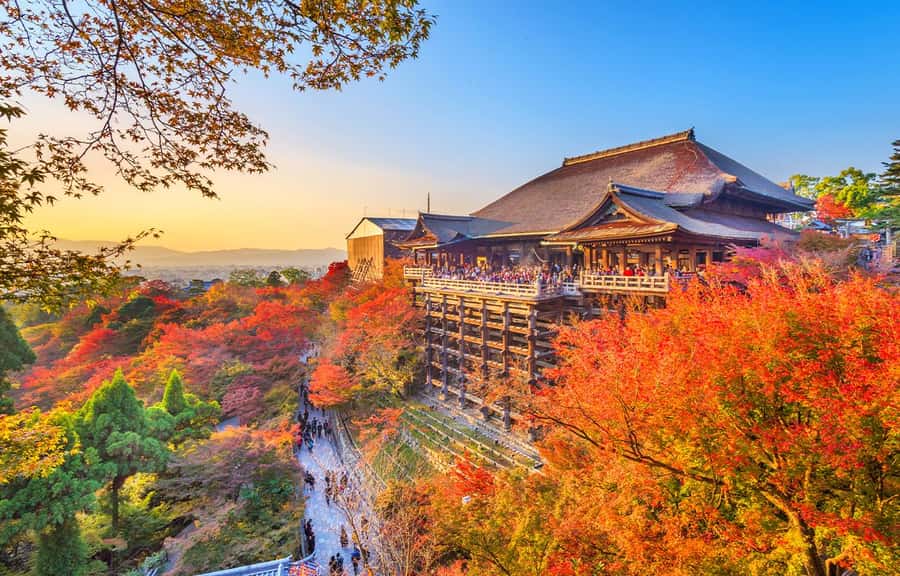
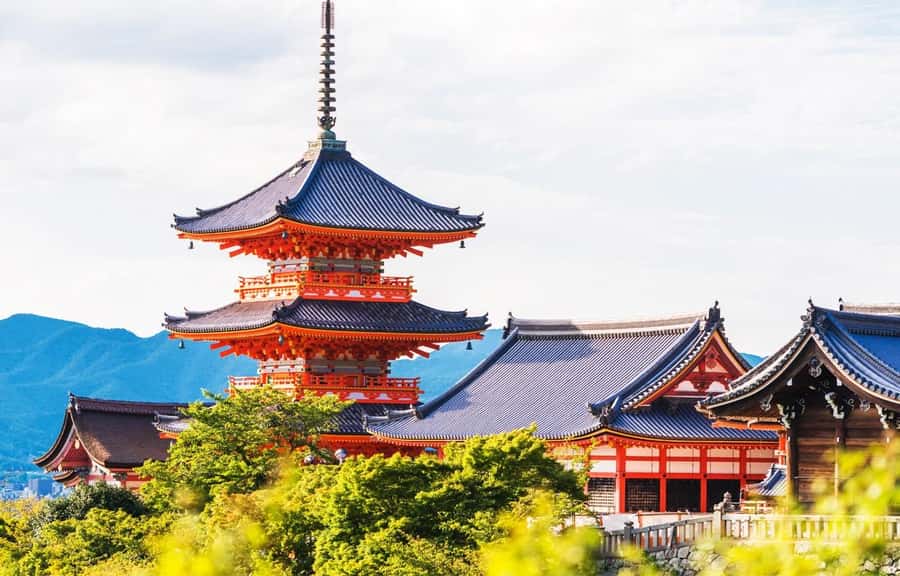
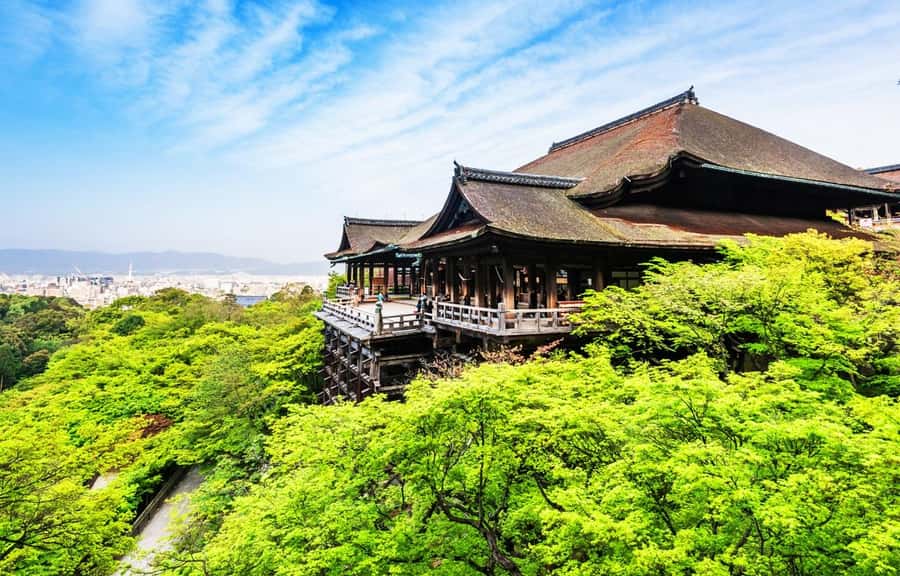
The day begins in Kyoto, with the Kiyomizu-dera area as the first major stop. The temple is famous for its wooden halls, hillside position, and broad views across Kyoto. The setting changes with the seasons, so the temple can feel quite different under spring blossoms, summer greenery, autumn color, or winter light.
You have about two hours in this area, including nearby streets. That sounds generous, but Kiyomizu-dera and the old lanes together cover plenty of ground. Wear shoes with good support, especially because the approach includes slopes and paved streets that may feel tiring after a morning of walking.
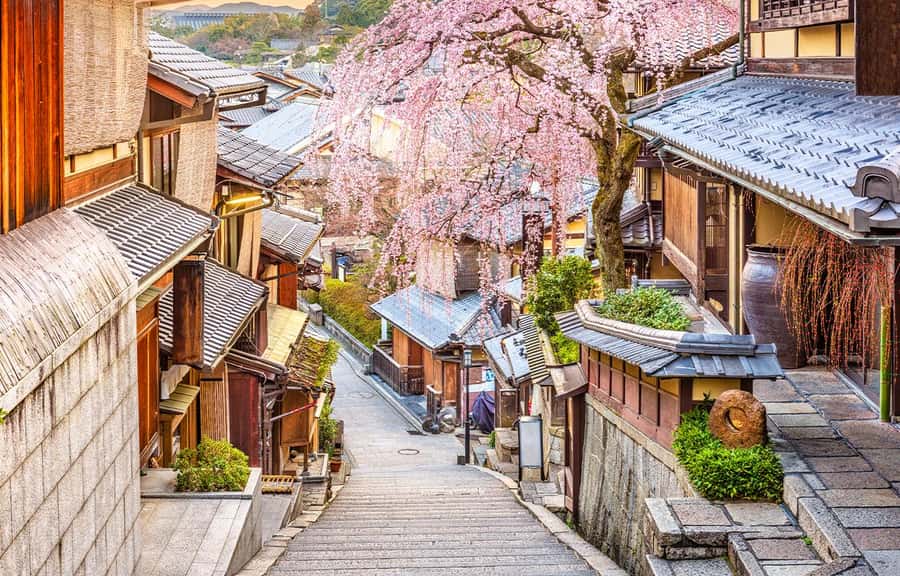
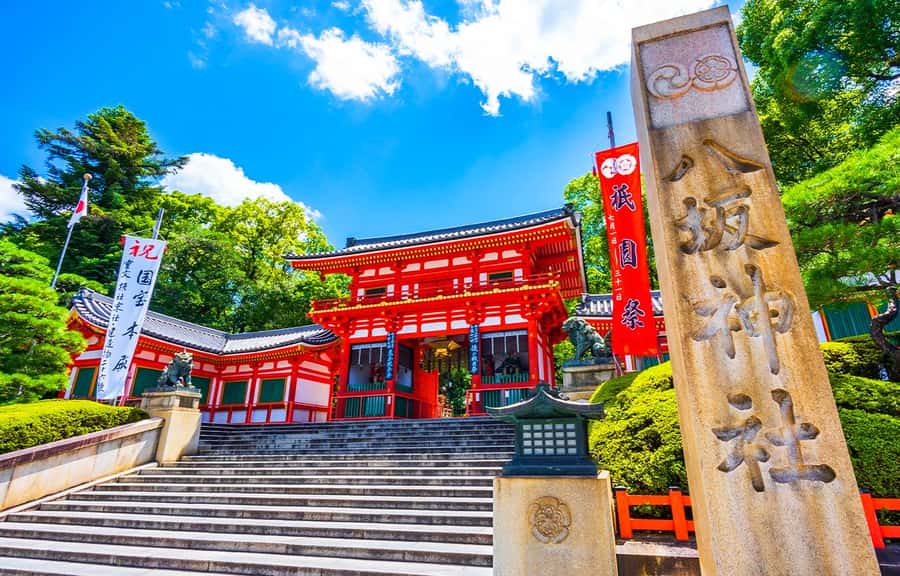
The suggested route moves from Kiyomizu-dera to Ninenzaka and Sannenzaka, then through Ishibei-koji Alley, Hanamikoji Street, and Yasaka Shrine. This is one of the best parts of the day for atmosphere rather than formal sightseeing.
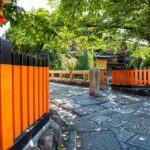
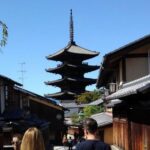
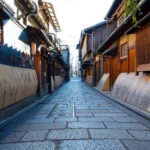
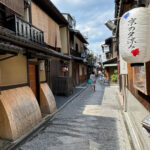
Ninenzaka and Sannenzaka are lined with traditional wooden buildings, small shops, food stops, and photo angles. The streets can be crowded, and you will need to keep an eye on the meeting time rather than wander wherever curiosity leads. Still, this section gives you a feel for old Kyoto that a quick temple visit alone cannot provide.
Ishibei-koji Alley is a quieter, more enclosed lane, while Hanamikoji Street offers another look at Kyoto’s traditional architecture. Yasaka Shrine adds a final shrine stop before the bus moves on. You will not have a full guided study of every place, but the sequence creates a satisfying walk through several different parts of the Gion and Higashiyama area.
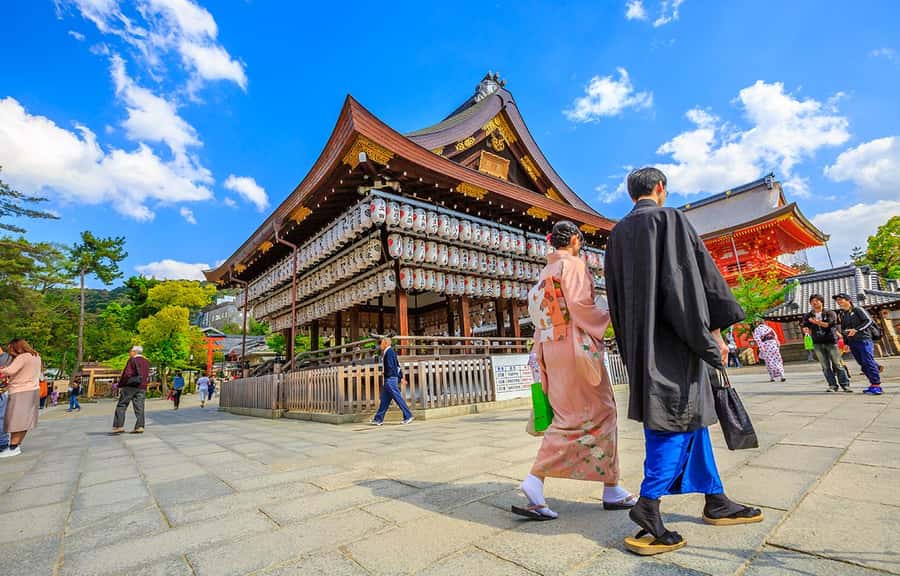
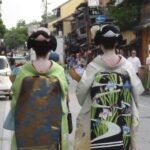
A kimono rental is available as an optional extra. You arrange and pay for it yourself, picking up near Kiyomizu-dera and returning it later near Fushimi Inari. That is a smart option if you want photos in Kyoto’s old lanes without spending a separate day arranging the rental. Allow enough time for the clothing process, and remember that walking hills and steps in formal footwear can be tiring.
Fushimi Inari’s red torii gates

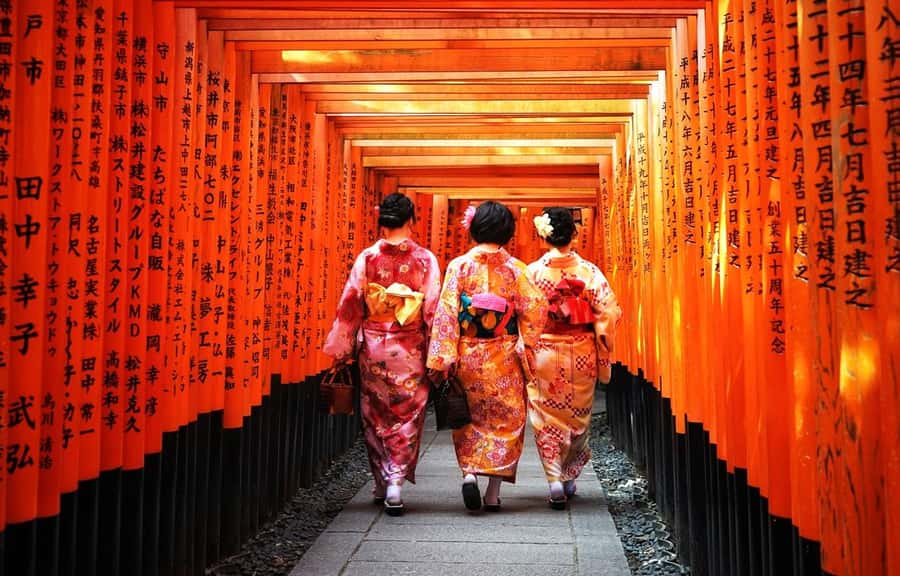
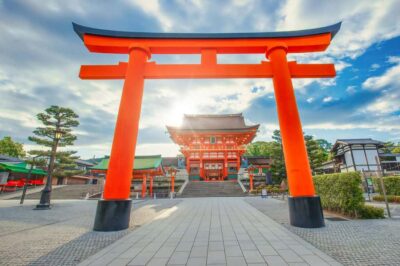
After roughly 15 minutes by bus, you reach Fushimi Inari Taisha. The shrine is known for its long rows of vermilion torii gates, which climb the wooded slopes of Mount Inari.
The tour allows about 70 minutes here. That gives you time to enter the main shrine area, walk through a section of the gates, and take photos without turning the stop into a race. It is not enough for a leisurely ascent to the upper mountain shrines, so set your expectations accordingly.
The lower gate paths are the most recognizable and usually the busiest. If you want calmer photographs, walk farther than the first few gate sections when time allows. Keep an eye on your watch, since the route back to the coach can take longer than expected when paths are crowded.
One appealing small activity is decorating a fox shaped ema, a wooden prayer plaque. Foxes are linked with Inari, and writing or drawing your own message gives the stop a personal touch. It is not included in the tour price, so bring cash for small purchases and personal expenses.
Fushimi Inari is also a good place to appreciate the difference between a photo stop and a full visit. The tour gives you access to the essential sight, but not the time to explore every path. If this shrine is your main reason for visiting Kyoto, you may prefer a separate early morning visit on another day.
Nara Park and the deer
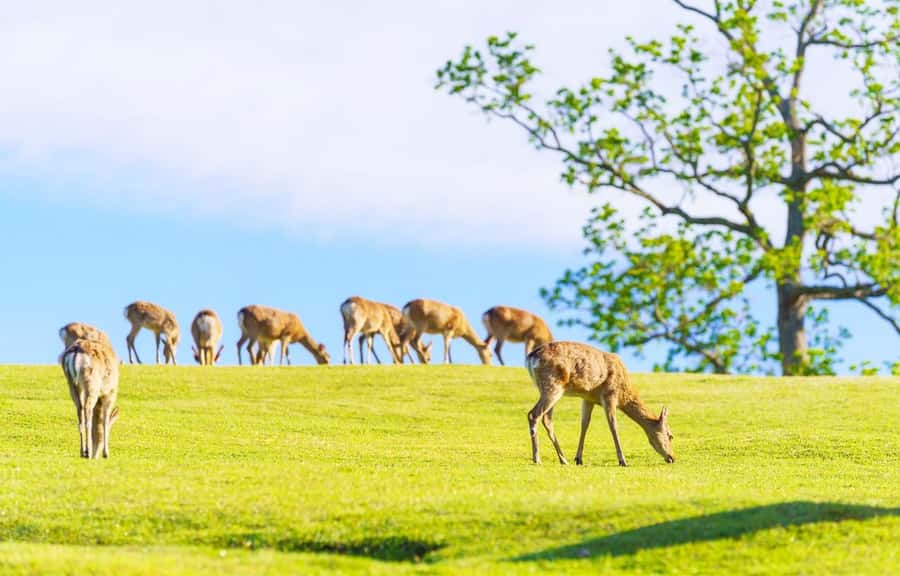
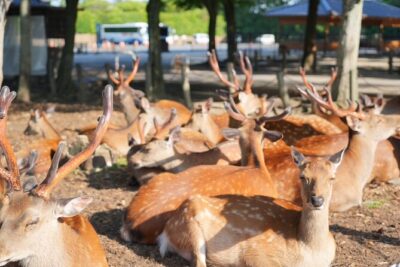
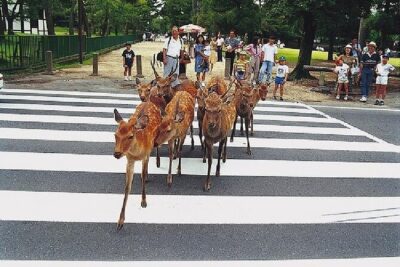
The coach ride to Nara takes about 50 minutes. Then you have roughly an hour in Nara Park, where deer roam freely among temple grounds, paths, and open areas.
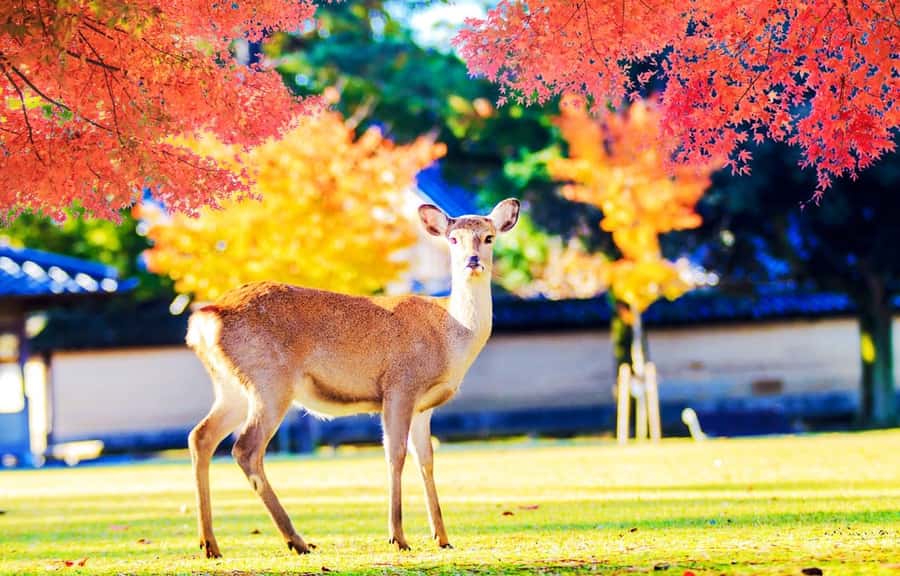
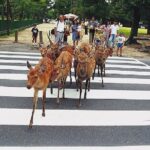
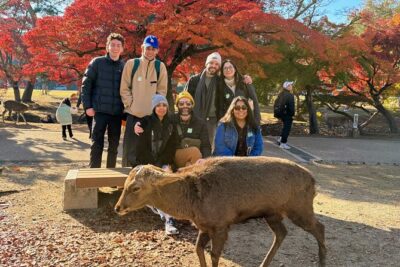
This is the most playful stop of the day. The deer are considered sacred, and they are accustomed to people. You can buy special crackers on site and offer them politely. Some deer bow for food, though you should not assume every animal will wait patiently for a photo.
The safest approach is simple: feed one or two crackers, show empty hands when you are done, and move away if several deer crowd around you. Curious animals can become pushy when they see food. Keep paper, maps, and loose items out of reach.
The park changes with the seasons. Spring brings deer among cherry blossoms, summer offers green paths and resting animals, autumn adds red leaves, and winter can bring snow dusting the paths. The scenery is open and calm, a welcome change after Kyoto’s narrow streets and busy shrine approaches.
The one-hour stop is enough for a first encounter with the deer and a quick walk, but it is short if you want to explore Nara fully. If you choose to visit Todaiji Temple, you need to manage the time carefully.
Todaiji and the giant bronze Buddha
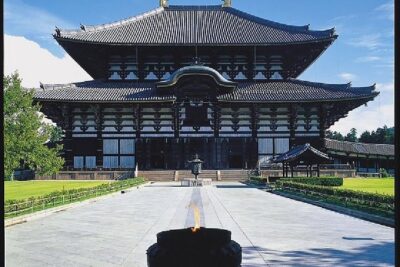
Todaiji is included as a 30-minute sightseeing stop, with entry charged separately. The temple is famous for its enormous bronze Buddha and for its vast wooden main hall, described as the world’s largest wooden building.
The scale is the point. Even a brief visit lets you grasp the size of the hall and the calm power of the Buddha image inside. This is not a small shrine you can absorb in five minutes, so thirty minutes will feel brisk, especially if you also want photos or time around the grounds.
If you enter, have your admission money ready and return to the meeting point on time. If the group schedule is tight, you may need to choose between a fuller temple visit and more time with the deer. The tour structure gives you the chance to see Todaiji, but it does not promise a slow temple morning.
Other historical tours in Kyoto
The bus rides and pace of the day
The listed travel times add up to several hours on the road: about 90 minutes at the start, 15 minutes between the Kyoto walking area and Fushimi Inari, 50 minutes to Nara, and about an hour back to Osaka. Traffic can make those periods longer.
The coach is useful because it links Kyoto and Nara without requiring you to figure out separate train connections. It also keeps the group together and covers parking and expressway costs. Vehicle size depends on the group, so the exact feel of the ride can vary.
You should leave the evening open. Bad weather, traffic, Japanese holidays, and peak season crowds can delay the return or shorten, reschedule, or cancel a stop. The advertised finish is at 1-chome-3-6 Nipponbashi in Osaka, even for people who begin in Kyoto.
Arrive at least 15 minutes early. Several groups may gather at the meeting point, and the final guide and driver details are sent by email the evening before. Check your spam folder if the message is missing.
Food, footwear, and what to carry
Lunch is not included. Bring cash and plan to buy food during the day, though the exact amount of time available for lunch can change with traffic and crowding.
One participant found the suggested lunch restaurant disappointing and felt the meal was rushed. My advice is to treat lunch as a practical refueling stop, not a featured part of the outing. Carry a small snack if you need to eat on a strict schedule, but do not assume the tour will provide a long restaurant break.
Comfortable shoes are essential. You will walk temple approaches, old streets, shrine paths, and park paths, and some parking areas are a fair distance from the attractions. A camera is worth bringing, but cash is just as useful for deer crackers, food, admission to Todaiji, the ema plaque, and other personal expenses.
Wheelchair users should choose another arrangement, since the tour is not suitable for wheelchairs. The long walks, uneven routes, stairs, and group pace make this a demanding choice for anyone with limited mobility.
Who will get the most from this tour
I would choose this tour if you have one open day and want a broad introduction to Kyoto and Nara without arranging several train journeys. It works especially well for first-time visitors, families with older children who can walk for much of the day, and people who want the famous sights in a compact package.
The route also suits photographers who want several classic scenes: wooden Kyoto streets, red torii gates, temple roofs, deer, and Todaiji’s huge Buddha. The kimono option adds another visual layer, though it comes at extra cost and makes the walking sections more demanding.
I would be cautious if you have already spent several days in Kyoto and prefer small temples, long meals, or unplanned wandering. You may find the schedule too rigid. The same is true if you need a guaranteed return time for a train, flight, dinner reservation, or evening show.
The multilingual format is convenient, but explanations may be repeated in several languages. That can make the guided portions feel less continuous than a private English tour. Still, guides such as Yuri and Rick have been praised for warmth and patience, which can make a shared group feel far more manageable.
Should you book it?
Book this tour if you want maximum sightseeing for a modest price and accept a brisk pace. The combination of Kiyomizu-dera, Kyoto’s old lanes, Fushimi Inari, Nara’s deer, and Todaiji gives you a strong first look at the region.
Skip it if your priority is depth, quiet, or complete control over your schedule. Traffic can eat into the planned time, and the return to Osaka may be late. For the right person, though, this is a sensible one-day sampler with excellent cultural variety and very little transport planning on your shoulders.
FAQ
How long is the Kyoto and Nara day tour?
The tour lasts about 10 hours, including transportation and sightseeing stops.
Where can I start the tour?
There are two listed starting options, Kyoto Station Hachijoguchi and 1-chome-3-6 Nipponbashi in Osaka. The exact meeting point depends on the option you book.
Where does the tour finish?
The stated finish is at 1-chome-3-6 Nipponbashi in Osaka. The drop-off location is only in Osaka, even if you start in Kyoto.
Which languages are available?
Live guide support is available in English, Traditional Chinese, and Japanese.
Is transportation included?
Yes. Round-trip transportation by air-conditioned bus is included, along with expressway tolls, fuel, parking fees, and a professional driver.
Is lunch included?
No. Lunch and personal expenses are not included.
How much time is provided at Kiyomizu-dera?
The Kiyomizu-dera area receives about two hours, including sightseeing around nearby streets such as Ninenzaka and Sannenzaka.
How long is the Fushimi Inari visit?
The scheduled visit to Fushimi Inari Taisha lasts about 70 minutes.
Can I visit Todaiji Temple?
Yes, Todaiji is included as a sightseeing stop for about 30 minutes. Temple entry requires a separate fee.
Is the tour suitable for wheelchair users?
No. The tour is not suitable for wheelchair users, and the route includes considerable walking between parking areas and attractions.
More Historical Tours in Kyoto
More Nara Day Trips in Kyoto

More tours in Kyoto we've reviewed





Nara Day Trips, compared.
 ★ 5.0World Heritage Kyoto & Nara Uji Authentic Matcha ExperienceFrom $129
 ★ 4.7Kyoto/Osaka: Nara, Fushimi Inari Taisha, Arashiyama Bus TourFrom $529 - 10 hours
 ★ 4.4Osaka/Kyoto: Arashiyama, Nara & Fushimi Inari Shrine w/LunchFrom $61
 ★ 5.0Nara Early Morning Tour (Kyoto or Osaka Departure Available)From $61
 ★ 4.5Kyoto and Nara Day Trip from KyotoFrom $194
 ★ 4.5Nara Afternoon Tour from Kyoto or OsakaFrom $102