
Reviewed · TEA CEREMONY EXPERIENCES
Kyoto: Private Tea Ceremony with a Garden View
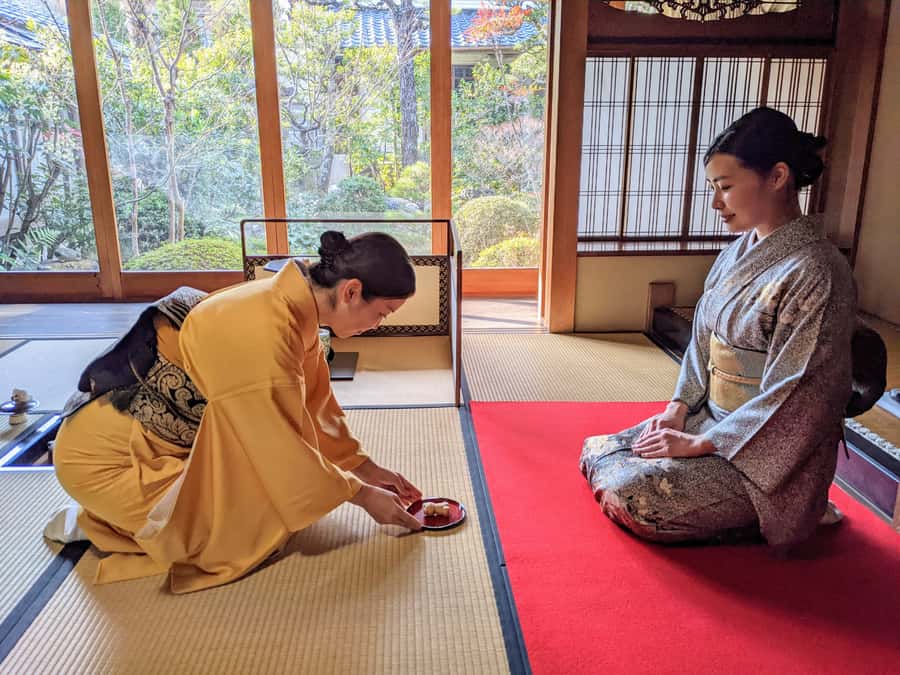
A private tea ceremony in a 100-year-old house, with a Japanese garden filling the view, is a fine way to meet Kyoto at its quietest. You begin with seasonal sweets and a short cultural introduction, then watch the ceremony before whisking your own bowl of matcha.
I like the complete privacy and the setting across from Ryoan-ji, one of Kyoto’s best-known Zen temples. I also like the practical format: you do not only watch, you make matcha yourself. The main thing to consider is the price, $116 per person for one hour, which is a serious spend for a short activity.
In This Review
- Key points to know before booking
- Why this Kyoto tea ceremony feels personal
- Arriving at the house beside Ryoan-ji
- Starting with sweets and a garden view
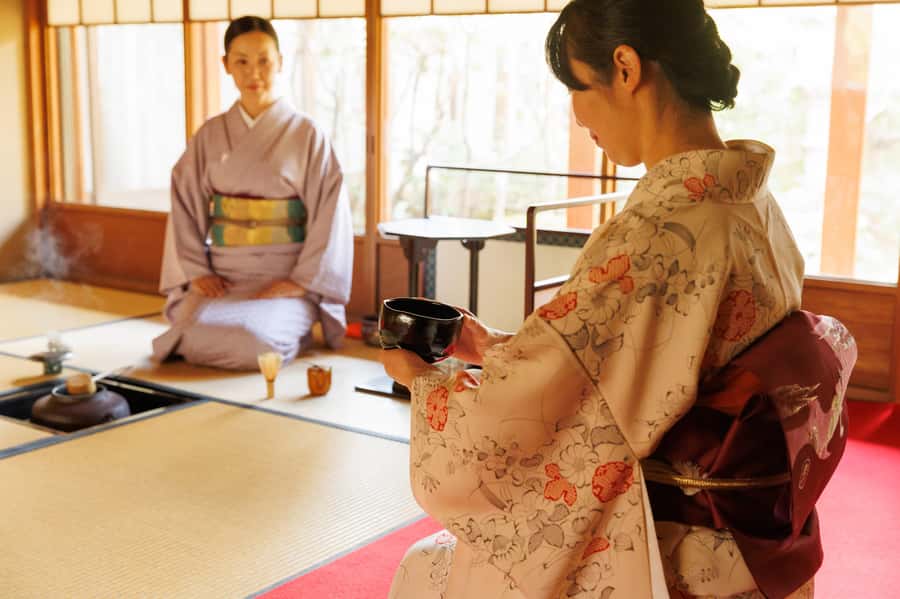
- Watching the ceremony in the main tearoom
- Making your own bowl of matcha
- What the one-hour format gives you
- Is $116 per person a fair price?
- The best way to fit it into your Kyoto day
- Who will enjoy this most?
- A calm counterpoint to Kyoto’s famous sights
- Should you book Camellia Tea Ceremony?
- FAQ
- How long does the tea ceremony last?
- Where is Camellia Garden located?
- Is the activity private?
- Is the tea ceremony taught in English?
- Do I have to sit on the floor?
- Are the sweets suitable for dietary restrictions?
- Can I take photographs or record video?
Key points to know before booking
- A private house across from Ryoan-ji: The teahouse sits on a residential street just beyond the Ryoan-ji Mae bus stop.
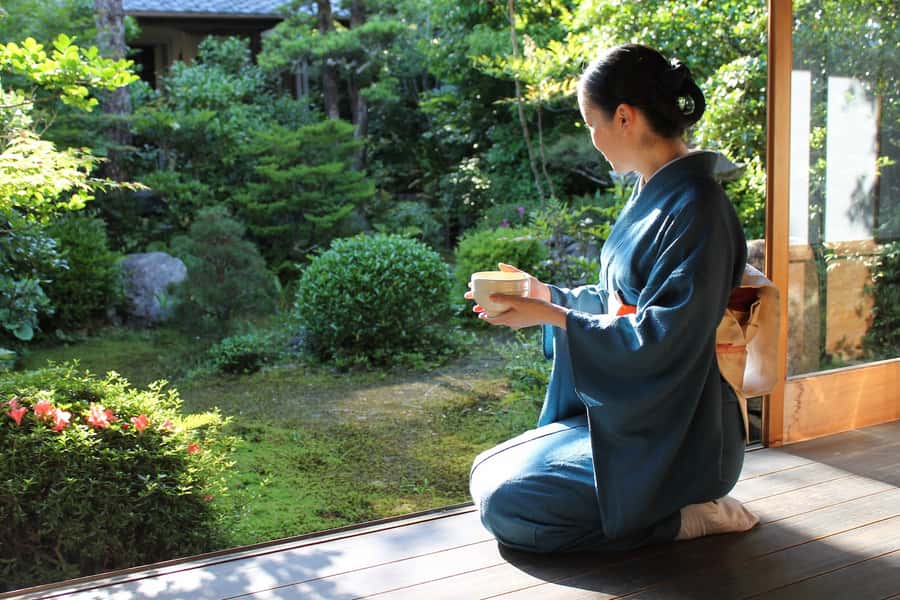
- Two traditional gardens: You begin in a sofa room facing the front garden, then move to the tearoom with the main garden behind the ceremony.
- Your own bowl of matcha: The instructor demonstrates the process, then gives you the tools and guidance to prepare tea yourself.
- Seasonal sweets from a noted Kyoto confectioner: The sweets are vegan, gluten-free, and nut-free.
- English instruction and flexible seating: Chairs and tables are available if sitting on the floor is difficult.
- A useful stop before or after temple visits: Ryoan-ji, Ninna-ji, Kinkaku-ji, and Myoshin-ji are all close by.
Why this Kyoto tea ceremony feels personal
Many tea ceremonies in Kyoto take place in busy cultural districts, where the experience can feel like one stop on a full day of sightseeing. This one takes a different approach. You enter a private property, close to the famous temples in northwest Kyoto, and have the house to yourself for the session.
That privacy matters. Tea ceremony is built around quiet attention, careful movement, and small details. A crowded room or a noisy street can pull you out of that mood. Here, the setting gives you time to notice the garden, the utensils, the sweets, and the rhythm of the preparation.
The house has been connected with Ryoan-ji for many years. The tea ceremony also helps preserve the property, so your fee supports more than an hour of instruction. You are taking part in a small cultural experience inside a building that might otherwise be closed to the public.
I would not book this as a substitute for seeing Kyoto’s major sights. I would book it as a pause between them. The location makes it especially practical if you are already planning Ryoan-ji, Kinkaku-ji, or Ninna-ji.
A few more Kyoto tours and experiences worth a look
Arriving at the house beside Ryoan-ji
The meeting point is called Camellia Garden, directly across the road from Ryoan-ji. From the Ryoan-ji Mae bus stop, follow the small path slightly downhill toward a residential street. The house is the first one on your right, behind a high wall.
That detail is useful because the entrance is not presented as a large attraction with a prominent public facade. You are looking for a traditional house in a residential setting, not a temple gate or a shopfront. Give yourself enough time to make the short walk without rushing.
You can also arrive by the Keifuku Randen tram. From Ryōanji-eki, the teahouse is less than a 10-minute walk. The Randen line connects with Hakubaicho, near Kitano Tenmangu, as well as Arashiyama and Shijo Omiya, making this activity easier to pair with other western Kyoto stops.
The area works well for a temple-focused day. Ryoan-ji, Ninna-ji, and Kinkaku-ji are within walking distance, and Myoshin-ji, Kyoto’s largest Zen complex, is also nearby. You can plan the tea ceremony before visiting the temples, after visiting them, or as a quiet break in the middle.
Transportation is not included. One parking space is available for the length of the ceremony, and a taxi can be arranged if requested on arrival. Public transportation to central Kyoto is within a short walk, but the teahouse is not in the city center, so expect some travel time if you are staying around Kyoto Station or Gion.
Starting with sweets and a garden view
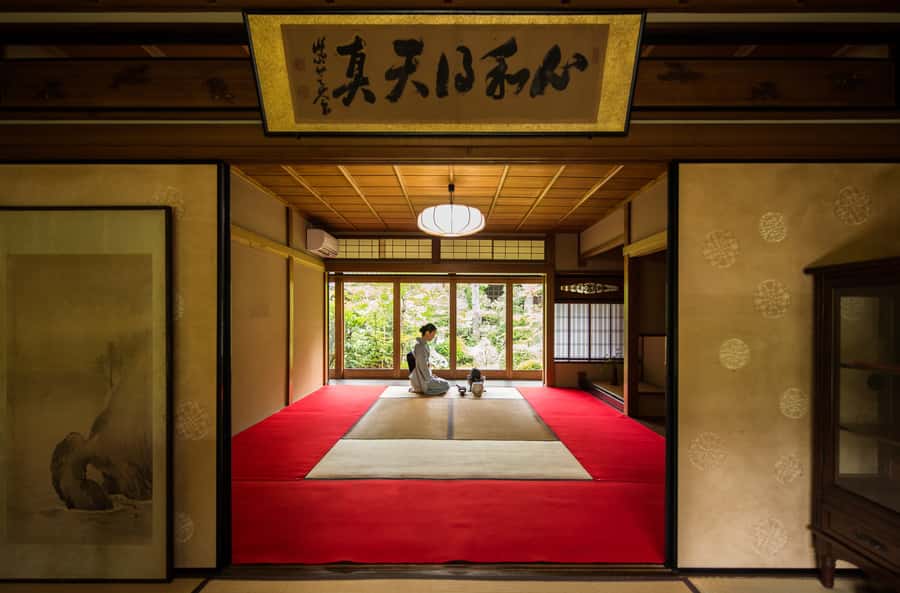
The session begins in a sofa room overlooking the front garden. That is a thoughtful choice for an introduction because it lets you settle in comfortably before moving into the more formal tearoom.
Your English-speaking instructor explains the history and culture connected with tea. The introduction is not just a list of rules. It gives you a sense of why the movements, objects, and setting matter, which makes the ceremony easier to follow once it begins.
You are also served seasonal sweets from one of Kyoto’s well-known confectioners. In a tea ceremony, the sweet is not an extra snack added to the schedule. It balances the bitterness of matcha and prepares your palate for the tea.
The sweets are vegan, gluten-free, and nut-free, which removes several common food concerns. If you have another special requirement, contact the provider in advance rather than assuming it can be handled on the day.
Seasonal sweets also connect the experience to Kyoto’s calendar. Their exact appearance and flavor can change with the time of year, so this part of the ceremony gives you something tied to the season rather than a fixed souvenir-style treat.
Watching the ceremony in the main tearoom
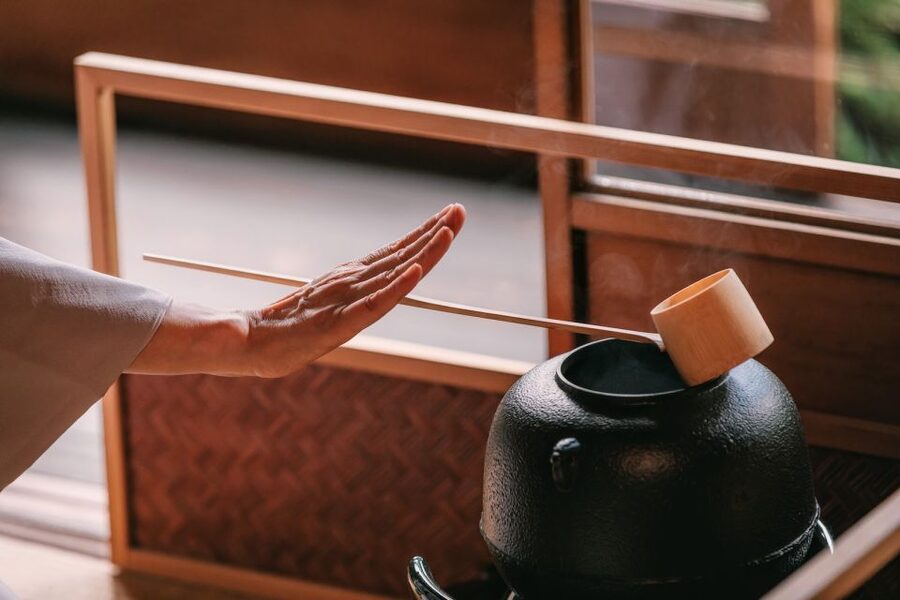
After the introduction, your instructor moves you into the tearoom. The main garden becomes the backdrop, and the ceremony itself takes center stage.
This is the part where you can simply watch. The preparation of matcha has a deliberate pace, and the formal gestures are easier to appreciate when someone explains their purpose. You do not need prior experience, and you are not expected to know the correct way to behave before arriving.
The garden view adds real value here. You are not watching a demonstration in a plain classroom. The room, the garden, and the careful preparation all work together, giving the ceremony a sense of place.
You can take photographs throughout the experience, but flash must be turned off. Video recording is not allowed. That rule protects the quiet tone of the session and keeps the focus on being present rather than turning every movement into footage.
One practical point deserves attention: sitting on the floor is not required. Chairs and tables are available for anyone who finds floor seating difficult. The teahouse is wheelchair accessible, and there is a toilet available. If you have special requirements, contact the provider ahead of time so the room can be prepared properly.
Making your own bowl of matcha
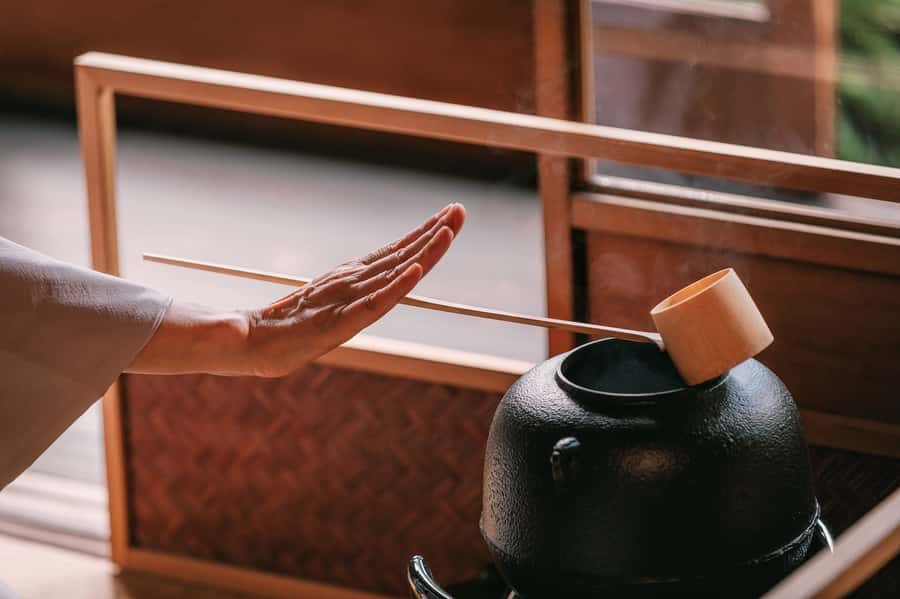
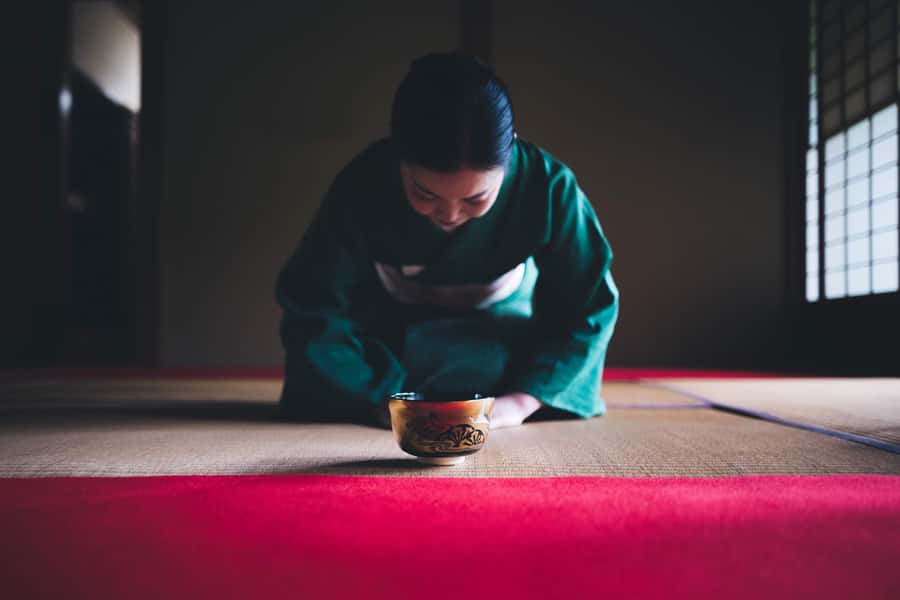
The hands-on portion is what makes this more useful than a ceremony you only observe. After you are served tea, you receive the equipment and instruction needed to prepare your own bowl of matcha.
You get to try the process under personal guidance, rather than being left to guess how much powder to use or how to whisk it. The instructor can answer questions as you work, and you have time to take photographs once the formal portion is complete.
I like this structure because it gives you both sides of the tradition. First, you see the ceremony performed with care. Then, you take part yourself and gain a practical understanding of how matcha is made.
Do not expect to become a tea master in an hour. The value is not technical mastery. It is learning enough to recognize the care behind the bowl you are served and to repeat the basic preparation later if you buy matcha in Japan.
The activity provides matcha, traditional sweets, and everything needed to make tea. A kimono is not included, so you should arrive in your normal clothing. This keeps the experience simple and accessible, though anyone hoping for a full costume session will need a different activity.
Other private tours in Kyoto


What the one-hour format gives you
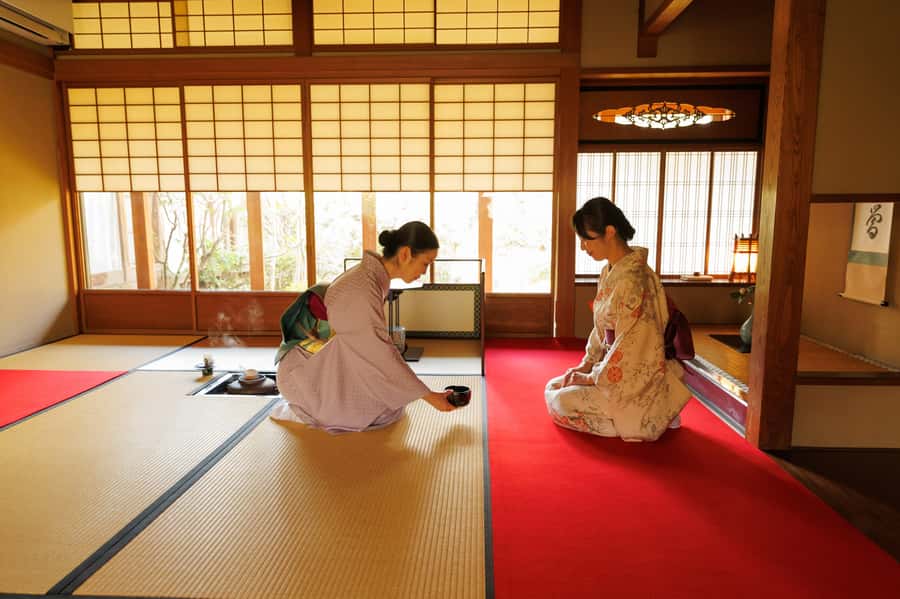
One hour is long enough for an introduction, sweets, the ceremony, your own tea preparation, and questions. It is also short enough to fit neatly into a day of sightseeing.
I see the compact schedule as both a benefit and a limitation. You will not lose half a day, and you can reach the nearby temples afterward. But if you want a long historical lecture, an extended garden visit, or a slow ceremonial study, this session may feel brief.
The private format helps the hour feel less rushed. Your instructor is working with your group, not addressing a large audience. That gives you room to ask about matcha, etiquette, the house, or anything else that catches your attention.
The experience has an average rating of 4.9 from 61 ratings, with repeated praise for the calm setting, clear cultural explanation, kind instruction, and chance to make tea. The strongest pattern is that the atmosphere and personal attention matter as much as the tea itself.
Is $116 per person a fair price?
At $116 per person, this is not a budget tea tasting. You are paying for a private group, a personal English-speaking instructor, access to a traditional house, garden views, seasonal sweets, matcha, and the chance to prepare tea yourself.
That price makes more sense if you value privacy and setting. A lower-cost group demonstration may cover the basic steps, but it may not offer the same quiet house, private use of the property, or time to ask questions at your own pace.
The cost is harder to justify if you only want to sample matcha or take a quick cultural class. Kyoto has many inexpensive food and drink experiences, and this is not designed as a casual café stop.
I would consider it good value for a couple, family, or small private group that wants a calm cultural activity near the northwest temples. I would be more cautious for solo budget travelers, especially because the duration is only one hour.
There is one useful financial advantage: you can reserve now and pay later, and cancellation is free up to 24 hours before the activity for a full refund. That flexibility helps if your Kyoto schedule depends on temple opening times, weather, or transport.
The best way to fit it into your Kyoto day
The easiest plan is to combine the tea ceremony with Ryoan-ji. Since the house is across the road, you avoid a long transfer and can move from the temple’s famous Zen garden to a more personal cultural setting.
You can also build a wider western Kyoto route around it. Ninna-ji, Kinkaku-ji, and Myoshin-ji are all close enough to consider, though you should allow time for each site rather than treating the area as one quick cluster.
A morning session can give you a quiet start before a busy sightseeing day. An afternoon booking can work as a reset after several temples, especially if you are feeling worn down by crowds and walking.
I would not schedule the activity at the far end of a tight itinerary. The house is easy to reach from nearby sights, but it still takes time to travel from central Kyoto. Check the starting time carefully and leave room for the walk from the bus stop or tram station.
Who will enjoy this most?
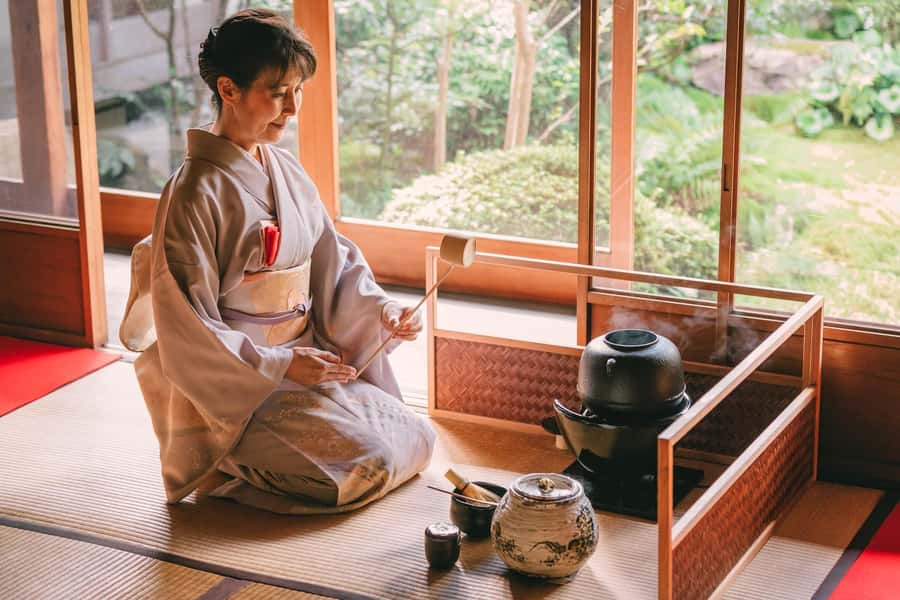
This experience suits you if you want a private cultural activity with clear English instruction and a peaceful setting. It is particularly good for first-time visitors who want an introduction to tea ceremony without committing to a long formal program.
It also works well for people who appreciate architecture and gardens. The house is not simply a room hired for a demonstration. Its age, connection with Ryoan-ji, and two traditional gardens give the ceremony a stronger sense of place.
Families may like the chance to make matcha rather than only sit and watch. Children who can handle a quiet one-hour activity may find the whisking more engaging than a long museum visit, though the provider does not give a specific age recommendation.
This can also suit anyone with mobility concerns because chairs and tables are available and the teahouse is wheelchair accessible. Contact the provider first if you have special needs, since practical arrangements are always easier when made before arrival.
It may not suit you if you want to wear a kimono, record video, or spend several hours learning advanced tea ceremony technique. Kimono is not provided, and video recording is not permitted.
A calm counterpoint to Kyoto’s famous sights
Ryoan-ji and Kinkaku-ji are major reasons to visit this part of Kyoto, but they can also make the day feel highly scheduled. You arrive, follow the route, take photographs, and move on to the next sight.
This tea ceremony slows things down. You sit, listen, taste, watch, and try the process yourself. The quiet is not a decoration around the activity. It is the main reason the experience works.
I especially like that the ceremony does not pretend to be an all-day apprenticeship. It gives you a focused introduction, enough context to understand what you see, and enough participation to make the memory personal.
The strongest part is the combination of calm instruction and garden setting. The setting alone would not be enough, and a good explanation alone would not create the same mood. Together, they make the one-hour format feel purposeful.
Should you book Camellia Tea Ceremony?
Book it if you want a private, polished introduction to Kyoto’s tea culture and you are already planning the temples around Ryoan-ji. The garden views, traditional house, seasonal sweets, English instruction, and hands-on matcha preparation give the hour real substance.
Think twice if $116 feels high for a short activity or if you are looking for a kimono experience, video-friendly tour, or long lesson. The price buys privacy and setting rather than a large number of activities.
For most visitors who value quiet moments and personal instruction, I would book this as a temple-day companion. Arrive with time to find the house, wear comfortable clothing, and treat the session as a calm break rather than another item to rush through.
FAQ
How long does the tea ceremony last?
The experience lasts one hour.
Where is Camellia Garden located?
Camellia Garden is across the road from Ryoan-ji temple. From the Ryoan-ji Mae Bus Stop, follow the small path slightly downhill to the residential street. It is the first house on the right, surrounded by a high wall.
Is the activity private?
Yes. The experience is for a private group, and the house is completely reserved for your group during the session.
Is the tea ceremony taught in English?
Yes. The instructor language is English.
Do I have to sit on the floor?
No. Chairs and tables are available for anyone who finds floor seating difficult.
Are the sweets suitable for dietary restrictions?
The seasonal sweets are vegan, gluten-free, and nut-free.
Can I take photographs or record video?
You can take photographs during the experience, but flash must be turned off. Video recording is not allowed.
More Private Tours in Kyoto
More Tea Ceremony Experiences in Kyoto
More tours in Kyoto we've reviewed





Tea Ceremony Experiences, compared.
 ★ 4.9Kyoto: Tea Ceremony in a Traditional Tea House in KiyomizuFrom $4945 min
 ★ 4.9Kyoto: Tea Ceremony Ju-An at Jotokuji TempleFrom $291h 10m
 ★ 4.3Kyoto: 45-Minute Tea Ceremony Lesson ExperienceFrom $2245 min
 ★ 5.0World Heritage Kyoto & Nara Uji Authentic Matcha ExperienceFrom $129
 ★ 4.9Kyoto: Table-Style Tea Ceremony at a Kyo-MachiyaFrom $451h 30m
 ★ 5.0Kimono Tea Ceremony at Kyoto Maikoya, NISHIKIFrom $65