
Reviewed · ARASHIYAMA & BAMBOO TOURS
Kyoto: Arashiyama Bamboo Forest Morning Tour by Bike
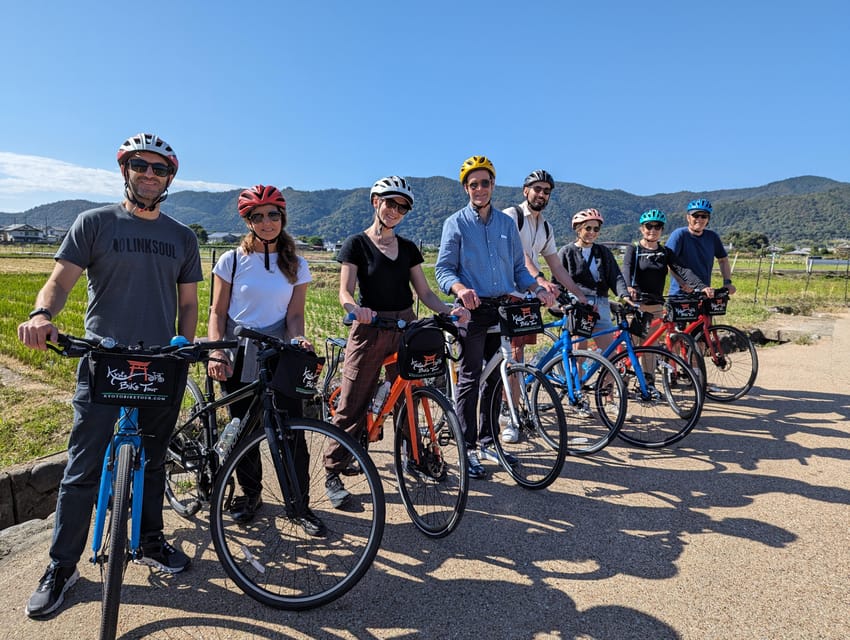
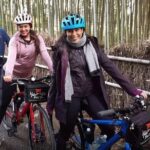
Arashiyama is one of Kyoto’s most photographed districts, but the bamboo forest can feel less like a quiet grove and more like a crowded photo queue by midmorning. This early-morning bike tour gets you there before the worst crush, then carries you into rice fields, temple grounds, shrines, and residential lanes that are easy to miss on foot.
I like two things in particular: the route covers far more ground than a walking visit, and the guides add useful context about Japanese customs and daily life. Guides including Milo, Rob, Ray, Yuki, and Peter are repeatedly praised for safe riding, clear explanations, and finding pleasant places away from the main sightseeing trail. The main consideration is that this is a bike tour, not a long, leisurely stop at every major sight, and one participant wanted more time at the bridge and central Arashiyama.
In This Review
- Key points at a glance
- Why the early start changes Arashiyama
- Riding through Arashiyama instead of just walking it
- Togetsukyo Bridge and the wider Arashiyama view
- Tenryuji’s gardens and the quieter religious sites
- Rice paddies, homes, and the everyday side of Kyoto
- What the 210-minute schedule feels like
- Price, equipment, and what you receive
- Who will enjoy this ride most
- Practical tips for making the morning better
- Should you book the Arashiyama bike tour?
- FAQ
- How long does the Arashiyama bike tour last?
- What time does the tour start?
- What sights are included?
- Is the route difficult?
- Are bicycles and helmets included?
- What language is the tour offered in?
- How many people are in the group?
- What happens if it rains?
Key points at a glance
- The bamboo forest comes first: The early start is the tour’s smartest feature, giving you a quieter chance to see Arashiyama’s famous grove.
- A mostly flat route: The ride is described as easy and mainly flat, with regular stops and a pace designed to keep the group together.
- More than bamboo: Expect Togetsukyo Bridge, Tenryuji’s gardens, shrines, temples, rice paddies, countryside views, and backstreets.
- Small groups matter: With no more than eight participants, guides can watch nervous cyclists and answer questions along the way.
- Guides shape the experience: Milo, Rob, Ray, Yuki, and Peter are noted for cultural explanations, local stories, safety, and helpful suggestions beyond the tour.
- Good value for active sightseers: At $103 per person for 210 minutes, the price pays for a bike, helmet, water, admissions, and a guided route that would take much longer to piece together alone.
Why the early start changes Arashiyama
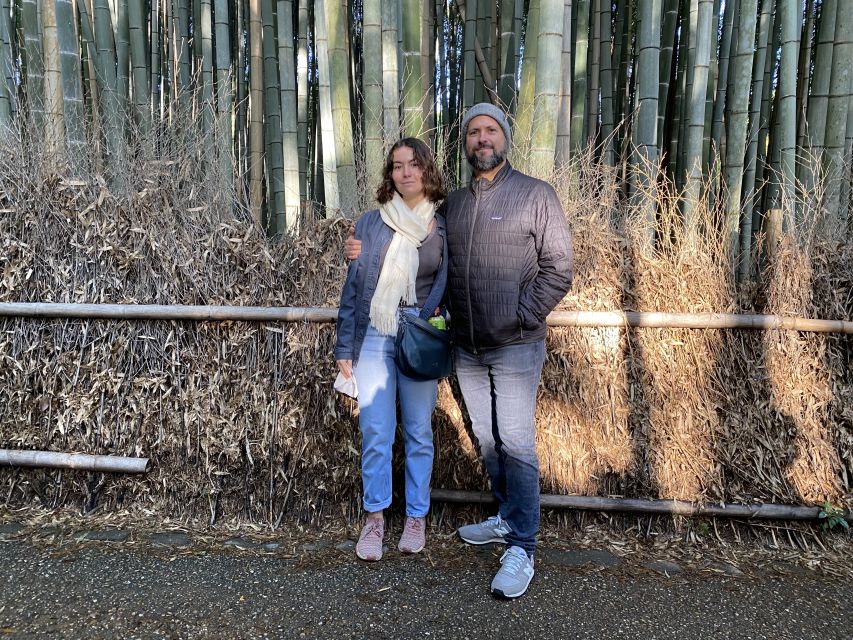
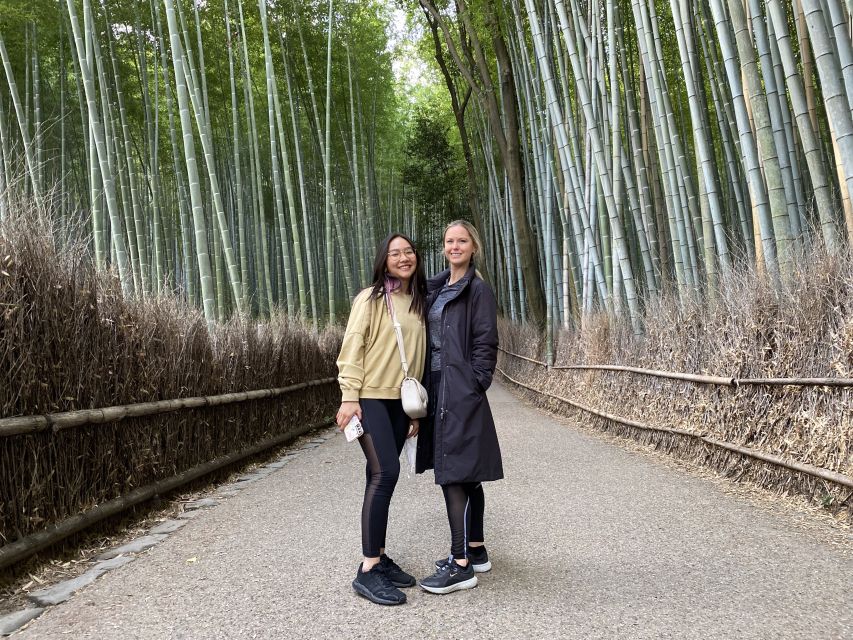
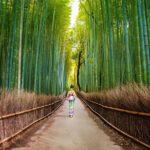
The bamboo forest is the headline attraction, and timing makes a real difference here. You meet your guide in the morning, collect your bike and helmet, and head toward the forest while the district is still relatively calm.
That does not mean you will have the paths entirely to yourself. Arashiyama is popular at all hours, and you may still encounter other visitors. But arriving early gives you a better chance to notice the tall bamboo, shifting light, and narrow path without stopping every few seconds for a passing crowd.
I consider this more valuable than simply adding another photo stop to a Kyoto itinerary. The forest is beautiful, but it is also brief. The tour uses it as an opening chapter, then takes you into the wider Arashiyama area.
Your guide may be Milo, Rob, Ray, Yuki, Peter, or another member of the Kyoto Bike Tours team. The guides are described as friendly, patient, and careful about keeping the group together. If you are a cautious cyclist, this is important. One participant who was not especially confident on a bike felt safe with the guide’s support.
A few more Kyoto tours and experiences worth a look
Riding through Arashiyama instead of just walking it
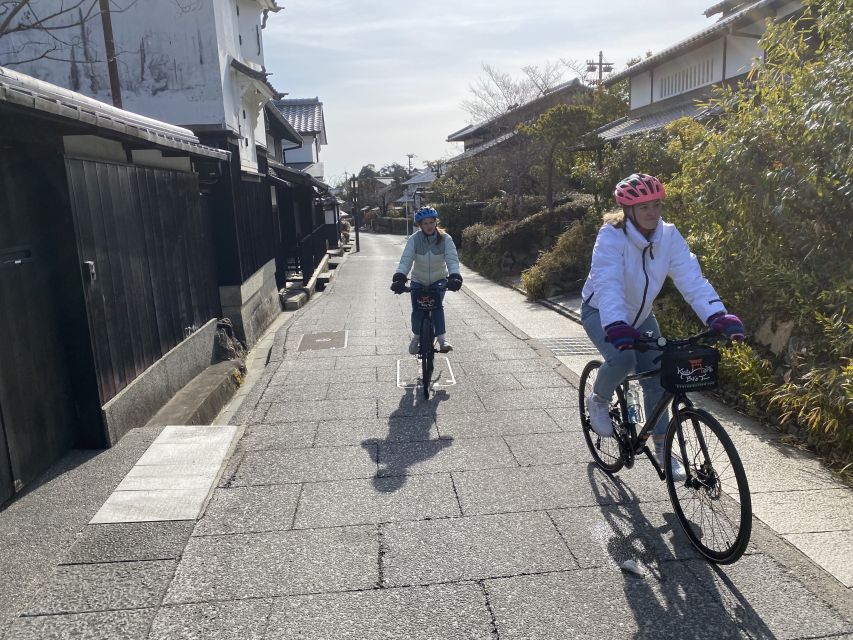
A bicycle changes your sense of the district. On foot, you can reach the bamboo grove and nearby temples, but covering the surrounding lanes, fields, and smaller religious sites takes more time and energy.
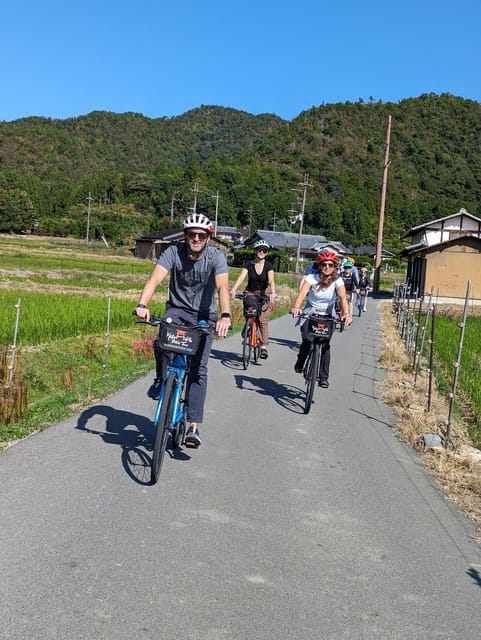
The cycling itself is not presented as a demanding athletic ride. Several accounts describe it as easy, mainly flat, and comfortable even in warm weather because the group stops often. The route includes streets, quieter lanes, and countryside roads, so you still need to pay attention and follow your guide’s signals.
Safety is one of the strongest reasons to book a guided ride rather than rent a bicycle without a plan. Rob and Yuki are specifically praised for checking that everyone was together and helping riders navigate the roads. Helmets are included, and the bikes have adjustable-height seats. One participant also described the bicycles as well maintained, with Cannondale bikes used on that particular outing.
The group is limited to eight people. That is small enough for the guide to notice if someone is falling behind, yet large enough to give the morning a social feel. Families with teenagers enjoyed the ride, and a family with children aged 10 and 14 found the stops engaging rather than tiring.
Togetsukyo Bridge and the wider Arashiyama view
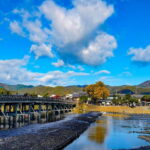
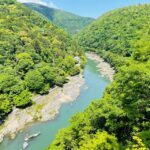
Togetsukyo Bridge is one of Arashiyama’s defining sights. Its name is often translated as Moon Crossing Bridge, and the setting gives you a broad view of the river and surrounding hills.
The bridge is a natural pause in the morning. After the enclosed feeling of the bamboo grove, you get open space and a better sense of how Arashiyama fits into the western edge of Kyoto.
Do not expect the bridge to be the longest stop of the tour. The route has several components, and one participant felt that more time in the central area and by the bridge would have improved the experience. If Togetsukyo is your top priority, you may want to return after the tour for a slower look and additional photos.
Still, seeing it by bike makes practical sense. You can reach the bridge, pause for the view, and then move on without retracing your steps through the busiest pedestrian lanes.
Tenryuji’s gardens and the quieter religious sites
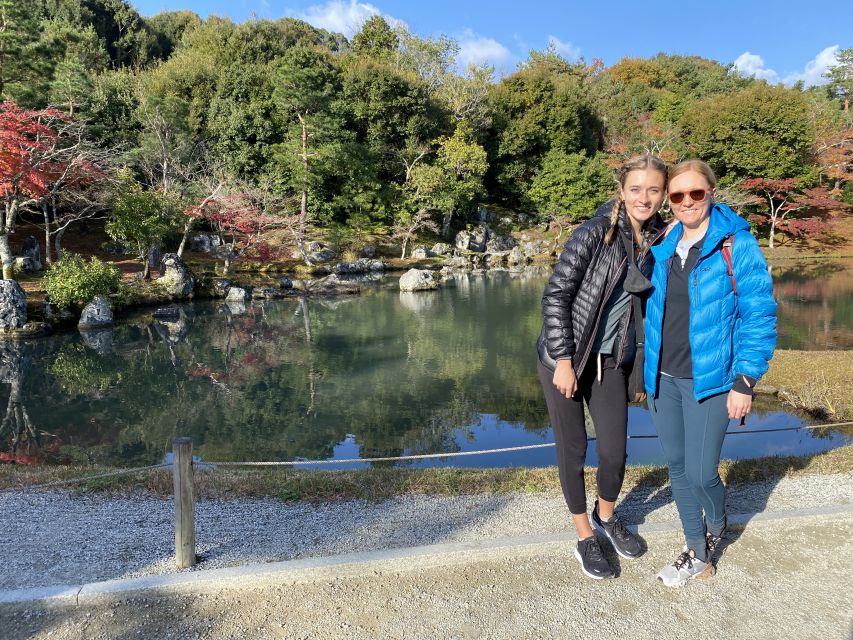
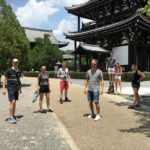
Tenryuji is a UNESCO World Heritage Site and one of Kyoto’s major Zen temples. The tour includes admission fees, so you can visit its gardens without arranging a separate ticket.
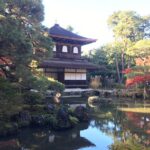
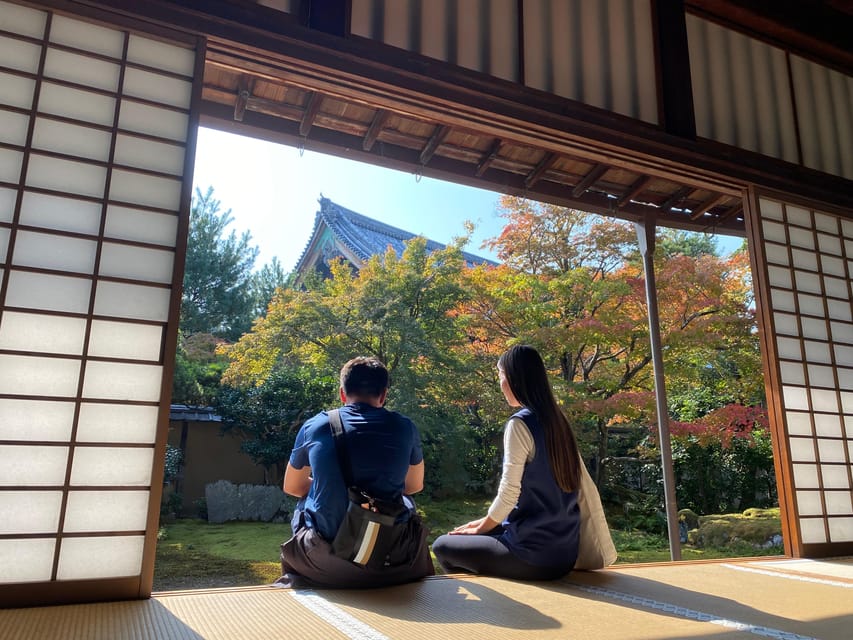
The gardens are a useful counterpoint to the bamboo forest. Instead of looking upward through tall green stalks, you encounter a carefully arranged temple setting with water, plants, and views shaped by Zen design. Your guide provides background on the site and explains aspects of Japanese religious practice.
The route may also include a smaller temple and shrines away from the main sightseeing circuit. This is where the tour gains much of its character. You are not only ticking off Kyoto’s biggest attractions. You are also seeing places where the scale is quieter and the customs easier to discuss.
Guides have explained how to behave at smaller shrines, shared stories connected to local places, and pointed out details that are easy to pass without understanding. Ray is particularly praised for bringing cultural and historical background into the route, while Peter is noted for explaining temple practices and the meaning of the places visited.
The exact order and mix of stops can vary. That is normal for a local bike tour, especially one responding to weather, road conditions, and the group’s pace.
Rice paddies, homes, and the everyday side of Kyoto
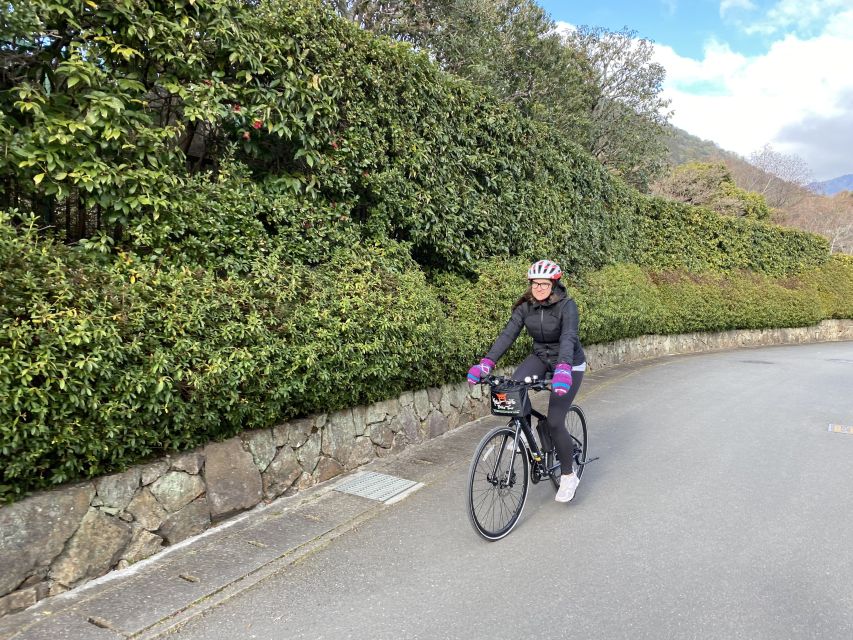
The most memorable part for many visitors may come after the major sights. The tour heads through countryside near Arashiyama, including rice paddies and quieter lanes lined with homes.
This section gives you a different view of Kyoto. Instead of focusing only on polished temple grounds, you see agricultural land, ordinary neighborhoods, and the edges of the city. One participant described seeing farmers working in the rice fields and gaining a better sense of the harvest. Another enjoyed cycling past beautiful homes that looked like scenes from a film.
I like this balance. Kyoto can become a parade of famous gates and temple roofs, especially on a short visit. Time among rice fields and local streets gives the morning more texture, and the bicycle lets you connect these places without spending half the day walking between them.
The route is not a wilderness ride. You remain within the wider Arashiyama area, moving through streets and inhabited places. That means you should ride respectfully, keep noise down, and follow the guide’s lead around residents and other road users.
The guides also appear to be part of the value here. Rob has been praised for local stories and small details, while Ray and Milo have been noted for discussing Japanese language, culture, food, and history. These conversations help turn a scenic ride into a lesson in how the area works.
Other cycling tours in Kyoto
What the 210-minute schedule feels like
Three and a half hours is a useful length for this outing. It gives you enough time to visit the bamboo forest early, ride through the surrounding district, stop at temples and shrines, and reach the countryside without consuming your entire day.
The pace includes regular stops. That matters in Kyoto’s summer heat, and it also gives the guide time to explain what you are seeing. You are not expected to pedal continuously for three and a half hours.
At the same time, the tour is designed to keep moving. If you like spending 30 minutes at every temple, this may feel brisk. One participant wanted more time in the center and near Togetsukyo Bridge, while another thought there was not enough actual cycling. Those comments point to the same truth: this is a sightseeing tour by bicycle, not a pure cycling excursion.
You should also leave room in your day for your own Arashiyama plans. The tour can serve as an excellent orientation, after which you might return to a favorite temple, visit the Monkey Park, or stop for lunch. One guide recommended an English-friendly curry restaurant to a family after the ride, showing the kind of practical local help that can extend the value of the morning.
Price, equipment, and what you receive
The cost is $103 per person. That is not a budget bicycle rental, but it is reasonable if you want a guided route, admission fees, equipment, and cultural explanations in one package.
Included are:
- A native English-speaking guide
- A bicycle
- A helmet
- Bottled water
- Admission fees
Food and other drinks are not included. Hotel pickup and drop-off are also not included, and the provider sends the meeting point and pre-tour details after booking. Look for a guide wearing a bike helmet and a Kyoto Bike Tour shirt.
The value depends on how you like to explore. If you are comfortable renting a bicycle, navigating roads, finding the quieter lanes, and deciding which temple admissions to buy, you can spend less by planning independently. But you will lose the guide’s route, explanations, safety support, and local recommendations.
For a first visit to Kyoto, I see the fee as paying for time and judgment. The guide has already worked out how to combine the famous bamboo grove with less obvious parts of Arashiyama. You can see more in one morning and avoid spending your own time studying maps.
Who will enjoy this ride most
This tour suits active visitors who want more than a short photo stop. You should be comfortable riding a bicycle on public roads and able to manage a morning outing lasting 210 minutes.
It is a good match for:
- First-time visitors who want an introduction to Arashiyama
- Families with older children and teenagers
- People who enjoy temples but also want to see ordinary neighborhoods
- Visitors who prefer a small group to a large coach tour
- Cyclists who want an easy, mainly flat route rather than a strenuous workout
- Anyone trying to see the bamboo forest before the crowds grow
It may be less suitable if you strongly dislike early starts, have difficulty cycling, or want to spend most of the morning inside Tenryuji and around Togetsukyo Bridge. The tour is also weather-sensitive. If rain is forecast, you will receive a message about possible rescheduling or cancellation.
The early hour is not optional. That is good for the bamboo forest, but it means you must plan around a morning departure and arrive ready to ride.
Practical tips for making the morning better
Wear comfortable clothing and shoes suited to cycling. The ride is mostly flat, but you will still spend several hours outdoors and may need to stop, start, and steer through streets.
Take the water provided, especially in warmer months. Guides have been praised for making sure the group stayed comfortable, and one guide kept spirits up in the heat with water and even a doughnut at the end.
Keep your expectations flexible about the exact route. The central sights are clear, but the smaller temples, shrines, countryside lanes, and local stops can change. That flexibility is part of the appeal, since the guide can choose a quieter path and adjust to the group.
If you want particular photos, tell the guide early. Ray has been praised for finding good picture spots and taking photos for participants. Other guides have also helped create memorable images, so it is worth asking politely rather than assuming photography is part of the formal service.
Finally, do not schedule a tight connection immediately afterward. The tour is meant to finish after about three and a half hours, but you will want a little breathing room before catching transport or making a timed reservation elsewhere in Kyoto.
Should you book the Arashiyama bike tour?
I would book it if you want to see the bamboo forest early and then understand the area beyond its famous path. The combination of bamboo, Togetsukyo Bridge, Tenryuji, smaller religious sites, rice fields, and residential streets gives you a fuller morning than a simple walk through the grove.
The strongest reason to choose it is the guide. Milo, Rob, Ray, Yuki, and Peter are all praised for warmth, cultural explanations, patience, and safe group riding. That human element turns a route into an experience with context.
I would skip it if your main goal is a slow temple visit or a long cycling workout. You may find the schedule too active for extended sightseeing, and the early start requires commitment.
For most visitors who can ride comfortably, the $103 price is fair. You get equipment, water, admissions, a small group, and a carefully planned way to see both the postcard Arashiyama and the quieter places around it.
FAQ
How long does the Arashiyama bike tour last?
The tour lasts 210 minutes, or three and a half hours.
What time does the tour start?
The experience is available only in the early morning. Exact starting times are provided based on availability.
What sights are included?
The route includes the Arashiyama Bamboo Forest, Togetsukyo Bridge, the gardens of Tenryuji Zen Temple, temples, shrines, rice fields, countryside views, and quieter backstreets.
Is the route difficult?
The ride is described as easy and mainly flat. The group makes regular stops, and guides check that everyone stays together.
Are bicycles and helmets included?
Yes. The bicycle and helmet are included, along with bottled water and admission fees. Bikes have adjustable-height seats, and helmets can be adjusted.
What language is the tour offered in?
The tour is conducted in English by a native English-speaking guide.
How many people are in the group?
The small group is limited to eight participants.
What happens if it rains?
If rain is forecast, you will receive a message about possible rescheduling or cancellation. You can cancel up to 24 hours in advance for a full refund.
More Morning in Kyoto
More Cycling Tours in Kyoto
More Arashiyama & Bamboo Tours in Kyoto
More tours in Kyoto we've reviewed

Arashiyama & Bamboo Tours, compared.
 ★ 4.8Kyoto: Fushimi Inari, Kinkakuji, Bamboo Grove 1 Day Bus TourFrom $122510 minutes - 9 hours
 ★ 4.1Osaka/Kyoto:Kinkakuji,Arashiyama,FushimiInariShrine,NaraParkFrom $66
 ★ 4.7Kyoto/Osaka: Nara, Fushimi Inari Taisha, Arashiyama Bus TourFrom $529 - 10 hours
 ★ 5.0Kyoto Arashiyama Walking Tour: Bamboo, Monkeys, Gardens & SecretsFrom $65
 ★ 4.8Arashiyama Bamboo, Temple, Monkeys, or Secret Sake BreweryFrom $875 hours - 330 minutes
 ★ 4.4Osaka/Kyoto: Arashiyama, Nara & Fushimi Inari Shrine w/LunchFrom $61