
Reviewed · GION & GEISHA WALKS
Kyoto: Gion World of the Geisha Guided Walking Tour
Gion is best understood on foot, and this tour gives you a quick, focused introduction to Kyoto’s geisha quarter without leaving you to guess which lane matters. Your local guide leads you through old streets, shrines, canals, and two geisha districts while explaining the customs behind the painted faces, formal dress, and quiet wooden doorways. I especially like the small-group format and the way the walk links famous sights with less obvious corners. I also like that the guide explains the difference between maiko, apprentice geisha, and geiko, Kyoto’s term for geisha. The main drawback is simple: this is a walking tour on uneven streets and stairs, and it is not suitable for wheelchair users or people with mobility problems.
The route can last from two hours to 270 minutes, depending on the option and starting time you choose. Guide Ito has earned particular praise for his grasp of Gion, but guides can vary. You might see a maiko or geiko during the walk, though that is never promised, so book this for the stories and setting rather than for a guaranteed sighting.
In This Review
- Key points to know before you book
- Why Gion makes such a good walking tour
- Starting near the Izumo-no-Okuni statue or Kanji Museum
- Yasaka Shrine gives the tour its first anchor
- Gion’s lanes explain more than a photo can
- Shirakawa Canal slows the pace
- Gion Corner connects the streets with performance
- Three possible finishing points near Gion Kōbu Kaburెనjō
- What the $29 price really buys you
- How long should you allow?
- Who will enjoy this Gion walk most?
- What to bring and how to behave in Gion
- Should you book this Kyoto Gion tour?
- FAQ
- How long does the Kyoto Gion walking tour last?
- What language is the tour conducted in?
- Where does the tour meet?
- What happens if I choose the kimono rental option?
- Is a geisha or maiko sighting guaranteed?
- Is the tour suitable for wheelchair users?
- What is included in the price?
Key points to know before you book
- Two geisha districts in one walk: You get more than a quick pass through Gion’s main lanes.
- Yasaka Shrine anchors the route: About 40 minutes here adds religious and historical context before the quieter streets.
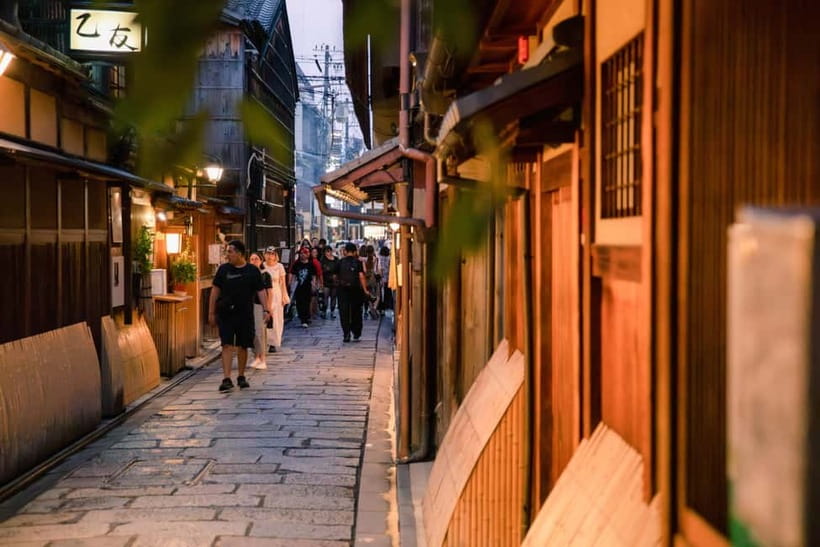
- Shirakawa Canal brings a change of mood: The waterway and traditional buildings offer one of the prettiest photo stops.
- Gion Corner adds a useful cultural reference: Your guide explains how this well-known venue fits into Kyoto’s performing-arts scene.
- Three possible meeting points: You may start at the Izumo-no-Okuni statue, Gion’s Wargo kimono rental shop, or the Kanji Museum.
- A $29 walking tour can be good value: The price is modest if you want orientation, local context, and an efficient route rather than a formal performance.
Why Gion makes such a good walking tour
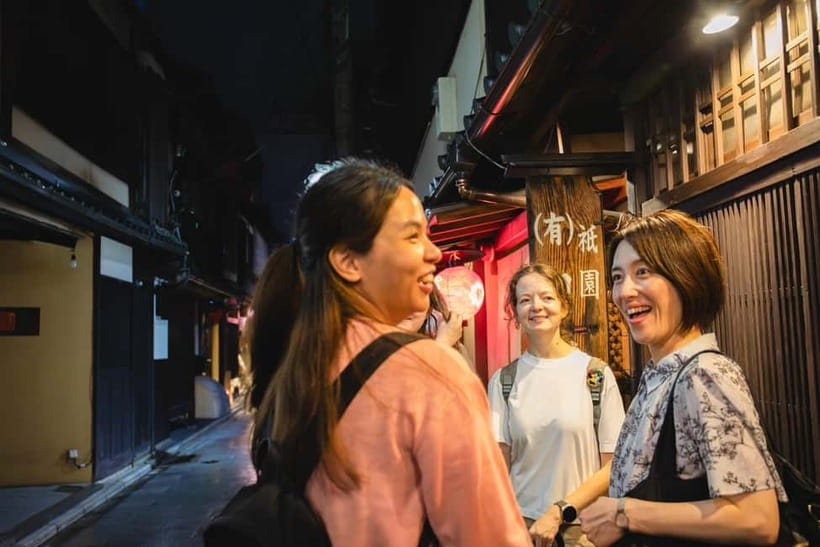
Gion can look simple at first glance: narrow lanes, dark wooden façades, small restaurants, and people heading somewhere with purpose. The real pleasure comes from understanding what you are seeing. A guide can point out the difference between a public street and the entrance to a private teahouse, explain why certain buildings look so restrained, and help you read the district without treating it like a stage set.
This tour focuses on the world of geisha, known in Kyoto as geiko, and their apprentices, called maiko. That distinction matters. You are not simply hearing a broad introduction to Japanese culture. You are learning about a particular professional tradition tied to music, dance, conversation, dress, and formal hospitality.
I like this approach because it keeps the walk grounded in daily life. Gion is not a museum. People work there, homes and businesses share the lanes, and some places are private. A good guide helps you look without intruding. The tour’s emphasis on respectful behavior is especially useful if you hope to spot a maiko or geiko.
The route also gives you a practical first look at Gion. If you plan to return later for dinner, a performance, or a slower wander, you will already know the basic layout. That can save time in a district where several lanes look alike.
A few more Kyoto tours and experiences worth a look

Starting near the Izumo-no-Okuni statue or Kanji Museum
The tour offers three possible starting points, and the exact meeting place depends on the option you book. One is the statue of Izumo-no-Okuni. Another is the Wargo Kyoto Kimono Rental Kyoto Gion Store. The third is the Japan Kanji Museum and Library, also called the Kanji Museum.
This flexibility is useful, but you need to read your booking details carefully. If you choose the kimono rental option, you change into your kimono first and then make your own way to the Japan Kanji Museum. The guide waits there, not at the rental shop. That small transfer is easy to overlook, so allow enough time and confirm the route before setting out.
The Kanji Museum is a sensible meeting point for a tour centered on language, tradition, and formal culture. Still, you should not assume the guide will meet you at every possible starting location. Your selected option determines where the walk begins.
The statue meeting point puts you close to the action, while the kimono option adds a visual layer to the experience. Wearing a kimono can make the setting feel more connected to traditional Kyoto, but it also changes how easily you move. Comfortable shoes remain important, even if your clothing is formal.
Yasaka Shrine gives the tour its first anchor
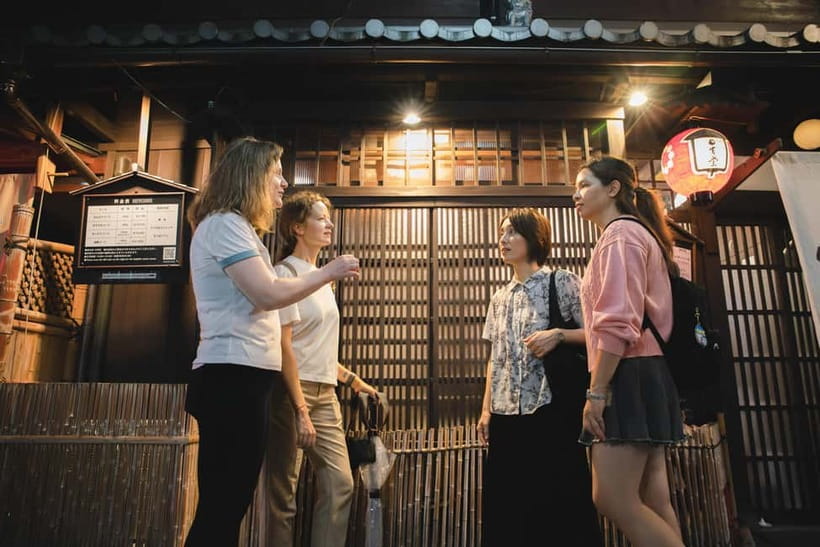
The walk includes about 40 minutes at Yasaka Shrine. This is a useful opening stop because it places Gion within Kyoto’s religious life before the tour turns toward geisha culture.
Your guide leads you through the shrine and explains what you are looking at. The shrine’s presence also shows why Gion developed as more than a nightlife district. Religious sites, entertainment quarters, shops, and homes have long shared this part of the city.
For you, the value of this stop is context. Without it, the geisha district can seem like a collection of pretty lanes. With it, you begin to see how visitors, worshippers, performers, and local businesses shaped the area over time.
Forty minutes is enough for a guided introduction without making the shrine the whole tour. If you want a detailed study of every building, this pace may feel brisk. If you are new to Kyoto, it is a sensible balance and helps keep the walk moving.
Wear shoes you can use comfortably for two or more hours. The tour runs in rain or shine, so a wet day can make the paving and stairs less pleasant. The experience does not appear designed around frequent sitting or long indoor breaks.
Gion’s lanes explain more than a photo can
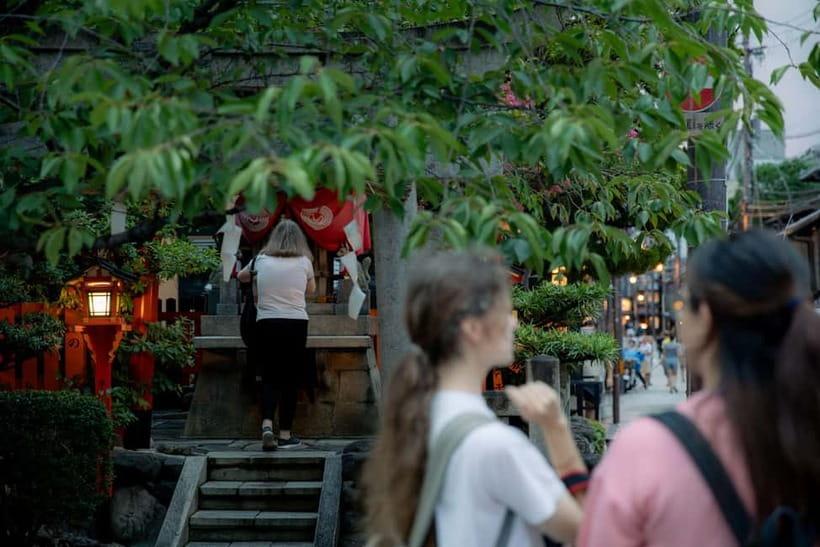
The main Gion portion lasts about 80 minutes, making it the heart of the experience. Here you walk through historic streets and two geisha districts while your guide explains the local terms, customs, and working life connected with them.
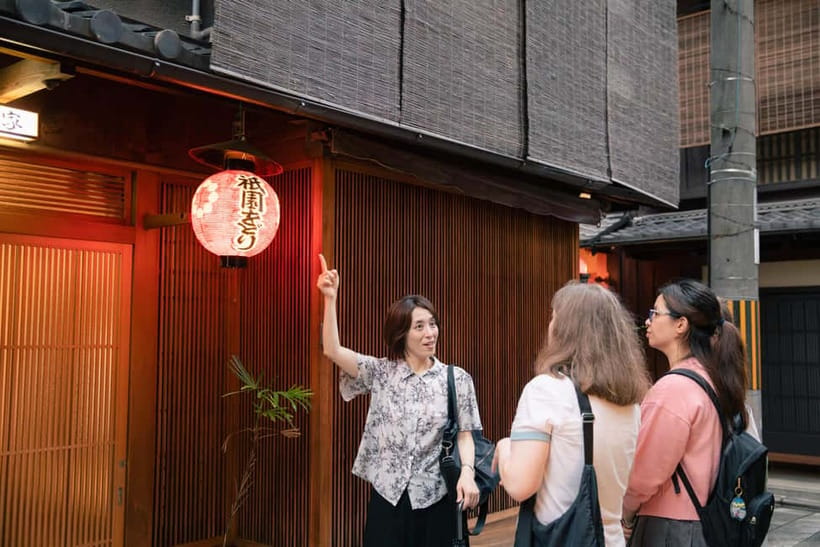
This is where a local guide earns the fee. Gion’s appeal is not just its architecture. It is the gap between what you can see and what you can understand. A wooden façade may look decorative, but the guide can explain how the district is organized and why some entrances are deliberately discreet.
You learn about maiko and geiko, including the stages of the profession and the cultural expectations around them. The information is presented as part of the district itself, not as a detached lecture. That makes the stories easier to remember as you walk past the places they relate to.
Guide Ito has been singled out for his strong command of the Gion district and for making the walk enjoyable. That is worth noting because the quality of a tour like this depends heavily on the person leading it. The route is pleasant on its own, but the explanation gives it shape.
The tour may also provide advice on where you can see maiko in action. Treat that as practical guidance rather than a promise. Gion is a working district, and appearances depend on schedules and chance. If you do see a maiko or geiko, give her space and follow your guide’s instructions.
Shirakawa Canal slows the pace
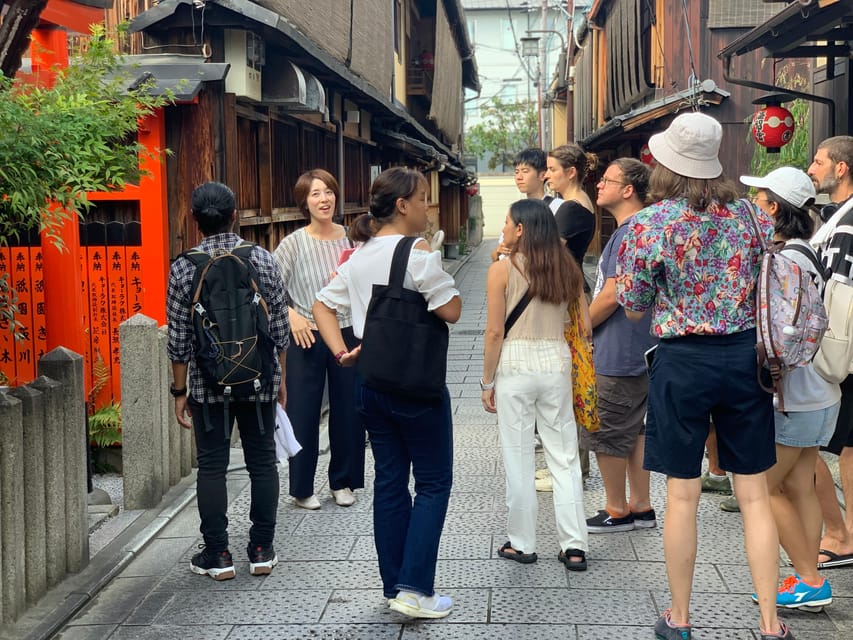
The route then reaches the Shirakawa Canal. This section gives you a change from the shrine and narrow lanes. Water, bridges, and traditional buildings create one of the most attractive settings in Gion, and the canal is a natural place for a short photo stop.
The stop is listed as sightseeing and photography, with about five minutes specifically set aside for photos. That is enough for a few pictures, but not enough for an extended pause. If you want a quiet canal-side stroll, plan to return on your own after the tour.
I like this part because it gives your eyes a rest. Gion’s streets can feel visually dense, with signs, entrances, stone paving, and passing pedestrians. The canal provides a more open view and helps you appreciate the district’s quieter side.
Do not expect the guide to turn this into a long scenic break. The tour is designed to cover several important areas efficiently. You get a taste of Shirakawa rather than a leisurely canal walk.
Other walking tours we've reviewed in Kyoto





Gion Corner connects the streets with performance
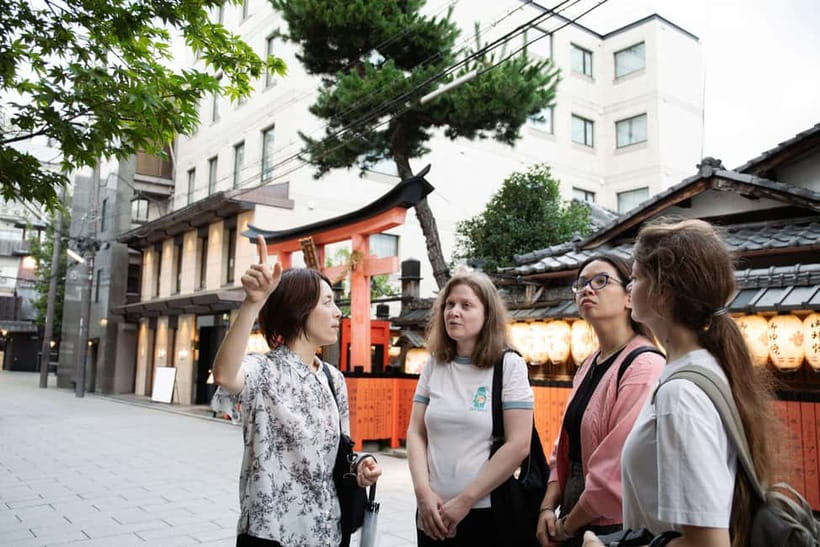
Gion Corner is another stop on the route. Your guide provides sightseeing and explanation here, linking the streets you have walked with Kyoto’s traditional performing arts.
This is a useful final reference point because the geisha world is not only about clothing or architecture. Music, dance, conversation, and formal presentation are central to the profession. Gion Corner helps you place those elements within Kyoto’s wider cultural scene.
The tour does not include a performance ticket, and the included services are the guide fee and guided walk. If you want to watch a formal show, you need to arrange that separately. The walk can still help you decide if adding a performance fits your plans.
The stop is brief in spirit, even though the exact timing can vary. Think of it as a cultural signpost rather than a full theater visit.
Three possible finishing points near Gion Kōbu Kaburెనjō
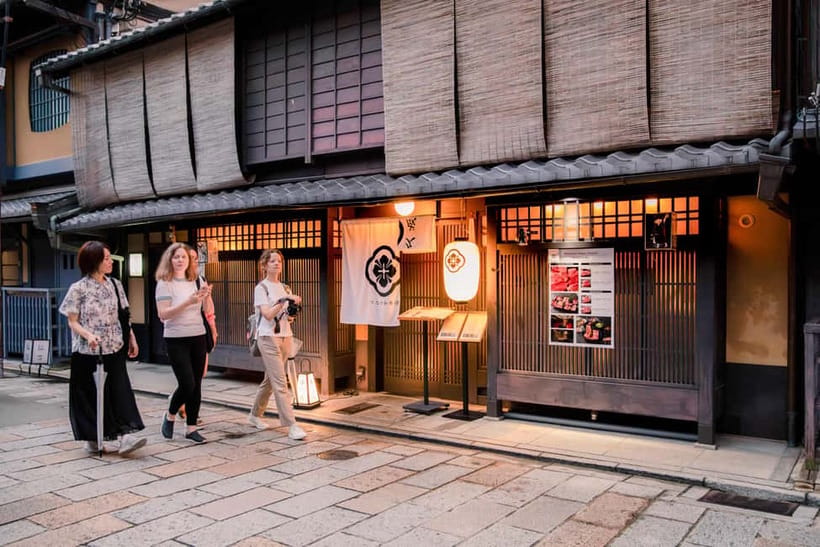
The tour has three possible drop-off locations near Gion Kōbu Kaburenjō. This puts you in a useful part of the district for continuing your day, though the exact finish depends on the option you select.
Ending near the Kaburenjō also fits the subject of the walk. It is associated with the formal performance world of Gion, so the route finishes with another reminder that this district is a working cultural quarter, not simply an old neighborhood preserved for photographs.
You should check your onward plans before booking. The tour does not provide transportation back to your hotel, and you should not assume every option finishes at exactly the same point. The route is designed to be explored on foot from start to finish.
What the $29 price really buys you
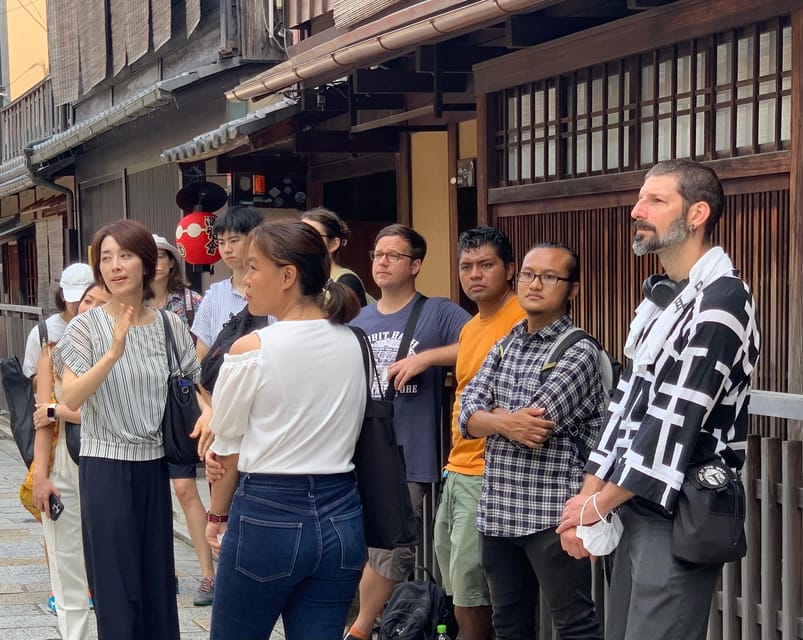
At $29 per person, this is priced as an accessible introduction rather than a luxury cultural experience. The fee covers the guide and the guided walk. It does not include a meal, kimono rental unless you choose a related option, or a performance at Gion Corner.
I think the value is strongest if you are visiting Kyoto for the first time or have limited time in Gion. You pay for an efficient route and local explanation, not admission to a major attraction. That can be a smart trade when the district’s best material is found outdoors and in the stories attached to the streets.
The small-group option improves the value. A smaller group usually makes it easier to hear the guide, ask a question, and keep pace in narrow lanes. The supplied information does not state a fixed maximum group size, so do not book on the assumption that it will be private.
The tour also offers reserve-now, pay-later booking and free cancellation up to 24 hours before the start for a full refund. Those terms help if your Kyoto schedule is still shifting, but check the conditions attached to your chosen option.
How long should you allow?
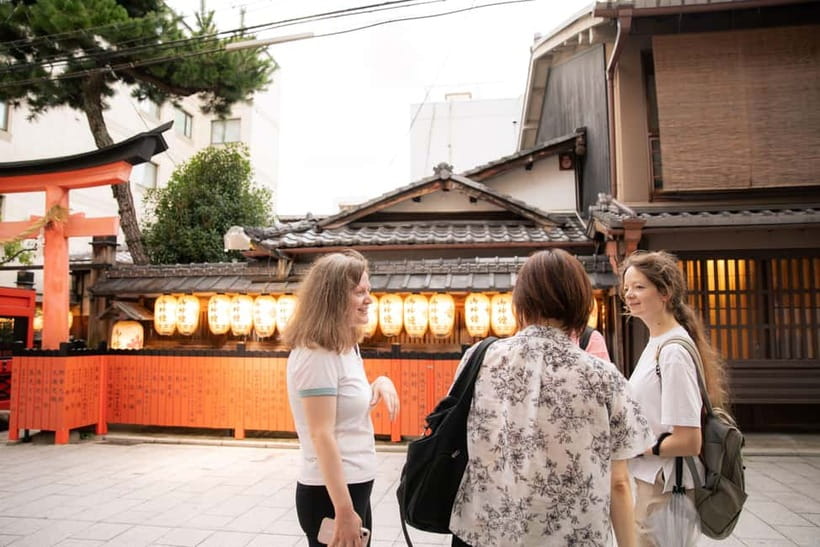
The duration is listed as two hours to 270 minutes, or four and a half hours. That wide range indicates that the selected option affects the total time. Check the available starting times and duration before you pay.
For a two-hour version, expect a brisk introduction covering the main stops. The longer option may include additional time connected with the selected arrangement, such as the kimono option. Do not plan a tightly timed train departure immediately afterward until you know your exact finish time.
The route includes guided time at Yasaka Shrine and Gion, plus shorter sightseeing and photo stops. It is not a sit-down experience. You spend the tour moving through streets, so build in time for pauses, traffic, stairs, and the pace of the group.
Who will enjoy this Gion walk most?
This tour suits you if you want cultural context without committing to a full-day program. It is particularly useful for first-time Kyoto visitors, photographers who want help finding the scenic lanes, and anyone curious about the distinction between maiko and geiko.
It also works well for people who want a respectful introduction to geisha culture. The guide can explain what you are seeing and where you might see maiko in action, which is far better than wandering around and treating the district as a photo hunt.
Families can book it, but children must be accompanied by an adult. The walking and stairs make it a poor choice for anyone with a mobility impairment. Wheelchair users should choose another activity.
The tour is conducted in English. If you need another language, this experience will not meet that need. Small-group availability is a plus, though the exact group size and start point depend on the selected booking option.
What to bring and how to behave in Gion
Choose comfortable walking shoes first. This is more important than dressing up. Traditional streets, stairs, and several hours on foot will punish thin soles and stiff footwear.
Bring rain protection because the tour runs in all weather. A wet day does not cancel the walk, and the canal, stone lanes, and shrine grounds may feel less comfortable in rain.
If you hope to see a maiko or geiko, keep your expectations realistic. You might encounter one, but no sighting is guaranteed. Do not block her path, touch clothing, follow closely, or treat a private doorway as a public attraction.
A guide-led walk is valuable partly because it shows you how to look without getting in the way. Gion is still a place where people work and live. Your best memories will come from paying attention, not from trying to force a photograph.
Should you book this Kyoto Gion tour?
Book it if you want a reasonably priced, English-language introduction to Gion with a local guide, a small group, and enough time to cover Yasaka Shrine, the main geisha districts, Shirakawa Canal, and Gion Corner. The strongest reason to go is the interpretation, especially if you can join a guide such as Ito, whose clear grasp of the area has been highly praised.
Skip it if you need wheelchair access, dislike walking in poor weather, or want a guaranteed geisha performance. It is also not the right choice if you prefer to explore at your own pace and stop for long meals or photographs.
For most first visits, I see this as a useful orientation walk. At $29, it gives you a local framework for understanding one of Kyoto’s most famous districts, then leaves you free to return later and explore more slowly.
FAQ
How long does the Kyoto Gion walking tour last?
The duration ranges from two hours to 270 minutes, or four and a half hours. Available times and the exact duration depend on the option you book.
What language is the tour conducted in?
The tour is conducted in English with a live guide.
Where does the tour meet?
The meeting point varies by booking option. Possible starting locations include the Izumo-no-Okuni statue, Wargo Kyoto Kimono Rental Kyoto Gion Store, and the Japan Kanji Museum and Library.
What happens if I choose the kimono rental option?
After changing into your kimono, you must go to the Japan Kanji Museum and Library by yourself. Your guide waits for you there.
Is a geisha or maiko sighting guaranteed?
No. You might encounter a geiko or maiko during the walk, and the guide can offer advice about where to see maiko in action, but sightings are not guaranteed.
Is the tour suitable for wheelchair users?
No. The tour is not suitable for wheelchair users or people with mobility impairments. It includes walking and stairs.
What is included in the price?
The price includes the guide fee and the guided walk of Gion. It does not list a performance at Gion Corner as included.
More Guided Tours in Kyoto


More Walking Tours in Kyoto
More Gion & Geisha Walks in Kyoto

More tours in Kyoto we've reviewed






Gion & Geisha Walks, compared.
 ★ 4.7Kyoto Geisha Walking Tour: Gion District & Hidden GemsFrom $252 hours
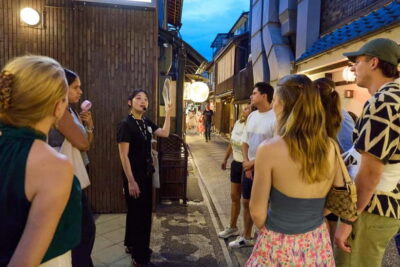 ★ 4.7Kyoto: Gion Geisha District Walking Tour – Stories of GeishaFrom $202 hours
 ★ 4.9Best of Kyoto: Gion, Geisha, Pagodas & CobblestonesFrom $242 hours
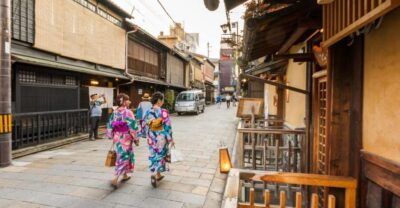 ★ 4.5Night Walk in Gion: Kyoto’s Geisha DistrictFrom $211h 40m
 ★ 5.0Kyoto Night Foodie Tour in Gion (9+ dishes + 6 Sake tastings)From $163
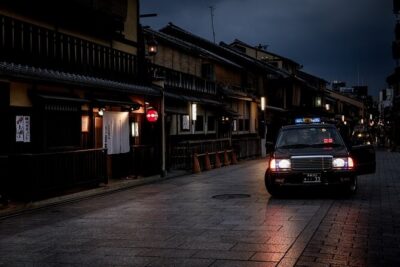 ★ 5.0Kyoto Gion Geisha District Walking Tour – The Stories of GeishaFrom $25