
Reviewed · KYOTO FOOD TOURS
Kyoto: Guided Food Tour with 12 Dishes & 3 Drinks
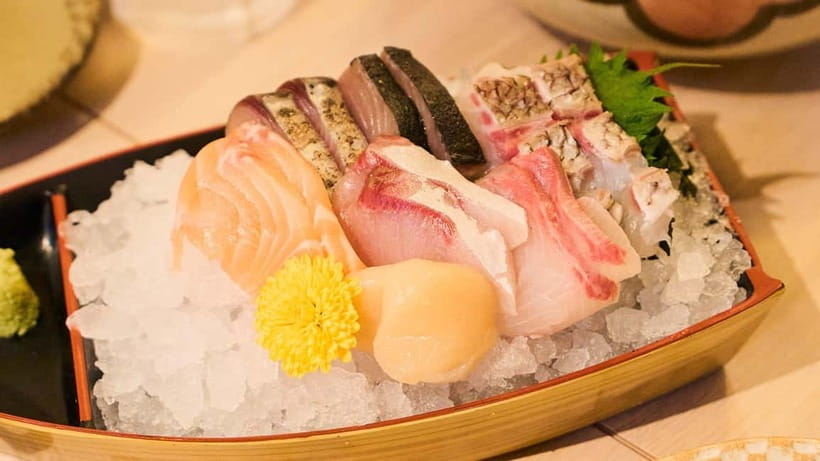
Kyoto’s food scene is easiest to understand one small plate at a time. This three-hour walk takes you through Gion for 12 Japanese dishes and three drinks, with stops at local restaurants, sake bars, and a FamilyMart packed with ice cream choices.
I like the generous food count and the social feel. You get more than a single meal, and guides Uta and Ken make room for questions and conversation. I also like that the route includes ordinary local stops rather than only formal dining rooms.
The main drawback is that the exact dishes and drink choices can vary, and extras cost cash. Anyone with food allergies should skip this tour, since it is specifically marked as unsuitable for people with allergies.
In This Review
- Key points about this Kyoto food walk
- Why 12 dishes changes the way you eat in Kyoto
- Starting beside Shijo Ohashi
- The first local restaurant: a useful introduction to Japanese food
- Local sake bars and Kyoto after dark
- A tucked-away final stop and the FamilyMart surprise
- Walking through Gion between bites
- The guides make the biggest difference
- Is $90 good value?
- Who should book this experience?
- Booking and practical details
- Should you book the Kyoto food tour?
- FAQ
- Where does the Kyoto food tour meet?
- How early should I arrive?
- How long does the tour last?
- How many dishes are included?
- How many drinks are included?
- Is the tour conducted in English?
- What is the maximum group size?
- Do I need to bring cash?
- Is the tour suitable for people with food allergies?
Key points about this Kyoto food walk
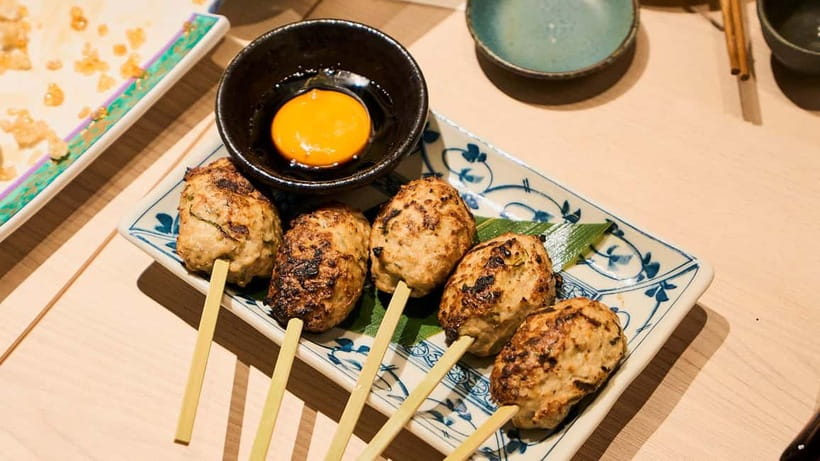
- Twelve dishes in three hours: Expect a broad sampling that can include sushi, grilled skewers, traditional sweets, street food, and regional specialties.
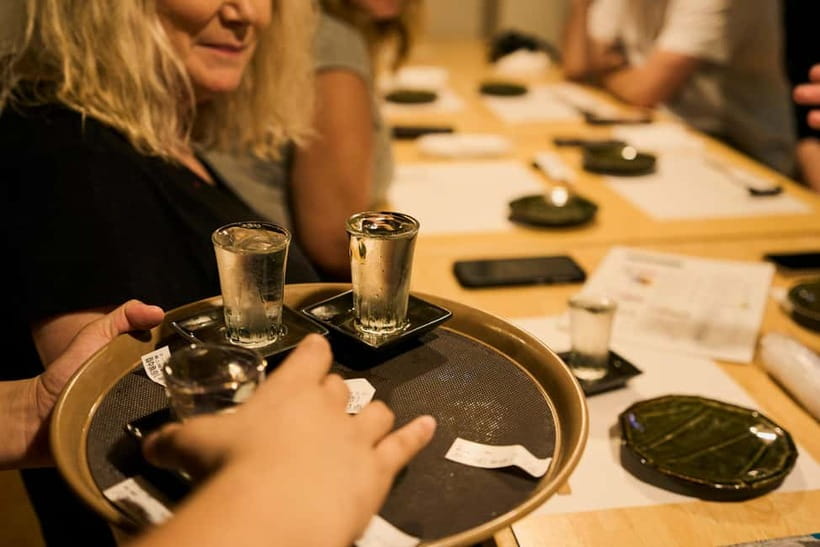
- Three drinks are included: The route includes visits to local bars, with sake, beer, cocktails, tea, coffee, wine, or other drinks possible depending on the stop.
- Gion provides the setting: You walk through one of Kyoto’s best-known historic districts while moving between food stops.
- Uta and Ken lead the tour: Uta is especially noted for thoughtful food choices, easy conversation, and answers about Japanese culture.
- A social group experience: The maximum group size is 15, giving you a chance to meet people while sharing dishes.
- Bring cash and comfortable shoes: Food is generous, but anything beyond the included amount must be paid for in cash.
Why 12 dishes changes the way you eat in Kyoto
At $90 per person, this is not a bargain meal in the narrow sense. It is a guided tasting walk, and the price covers 12 recommended dishes, three drinks, and an English-speaking host for three hours.
That distinction matters. If you want one large dinner at the lowest possible cost, you can spend less elsewhere. If you want help ordering unfamiliar food, a route through several kinds of places, and enough samples to form a real picture of Kyoto dining, the price is easier to justify.
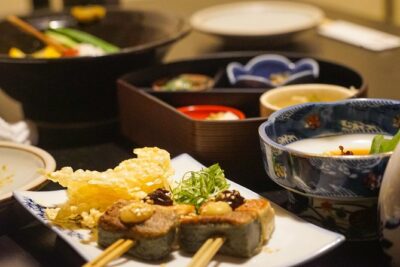
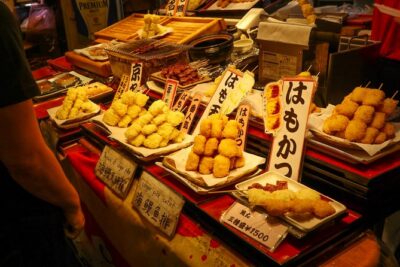
I like the structure. Twelve small portions let you try foods you might not order alone. Sushi may be familiar, but grilled skewers, regional snacks, traditional sweets, and bar food show different sides of Japanese eating. You are not locked into one restaurant’s menu for the whole evening.
The amount of food is described as generous. I would arrive hungry, but not so hungry that you rush through the first stop. Three hours is a good length for a food walk because you can eat at a relaxed pace, move between venues, and still have time for questions.
Do not expect 12 full restaurant meals. The experience is built around recommended dishes and shared tasting. That is a strength for curious eaters, but it may disappoint you if you want a formal multi-course dinner with complete control over every order.
A few more Kyoto tours and experiences worth a look

Starting beside Shijo Ohashi
The meeting point is the side road beside McDonald’s Shijo Ohashi Store. Do not wait at the crowded front entrance. The guide will hold a Local Guide Stars sign, which should make the meeting easier to spot.
Arrive 15 minutes early. This is a group tour, and the walk begins without late arrivals. That rule is worth taking seriously because the group moves through several stops, and finding it later could be difficult.
The location puts you near Shijo Ohashi and the Gion area. From there, the evening becomes a walking route rather than a vehicle-based outing. Wear shoes you can use comfortably for three hours, and dress for the forecast. The tour operates in rain or sunshine.
Bring a camera if you want to record the food and streets. Smoking is not allowed during the activity.
The first local restaurant: a useful introduction to Japanese food
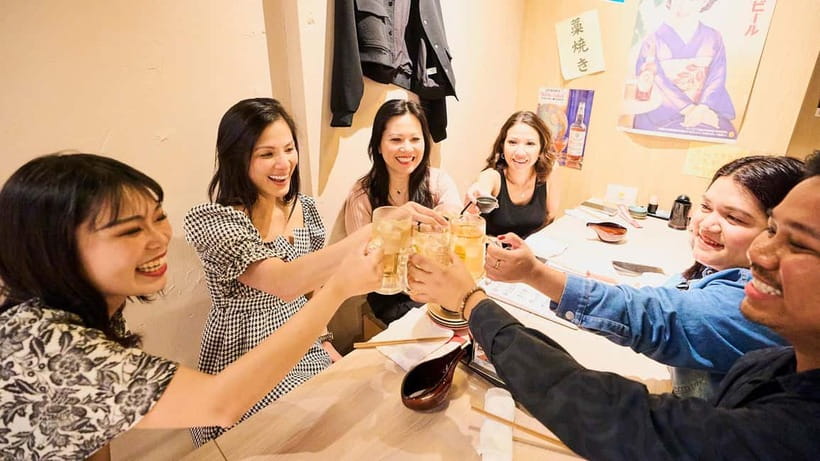
The first main stop is a local restaurant. The included food can feature sushi, grilled items, regional dishes, and other Japanese specialties, though the supplied details do not promise a fixed menu.
That flexibility can work in your favor. A good guide can choose dishes that fit the group and explain how to approach them. Uta is praised for selecting good food and drinks, answering questions, and keeping conversation moving. Ken also leads tours, and both guides are identified as English-speaking hosts.
You should expect the guide to handle much of the ordering. That is useful if Japanese menus feel difficult or if you are unsure what belongs to a particular dish. You can focus on tasting and asking questions instead of trying to translate every item.
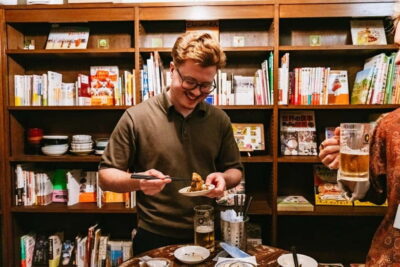
The restaurant stop also gives the group a chance to settle in. You may be seated with people you have just met, so this is not a private dining experience. The social format is part of the value. Several people specifically enjoyed the friendly company, and one person described the evening as a chance for open conversation about Japan and its culture.
The limitation is control. Since the activity is designed around recommended dishes, you may not be able to choose every item. If you have a serious allergy, dietary restriction, or strong food aversion, this is not the right booking. The activity is explicitly not suitable for people with food allergies.
Local sake bars and Kyoto after dark
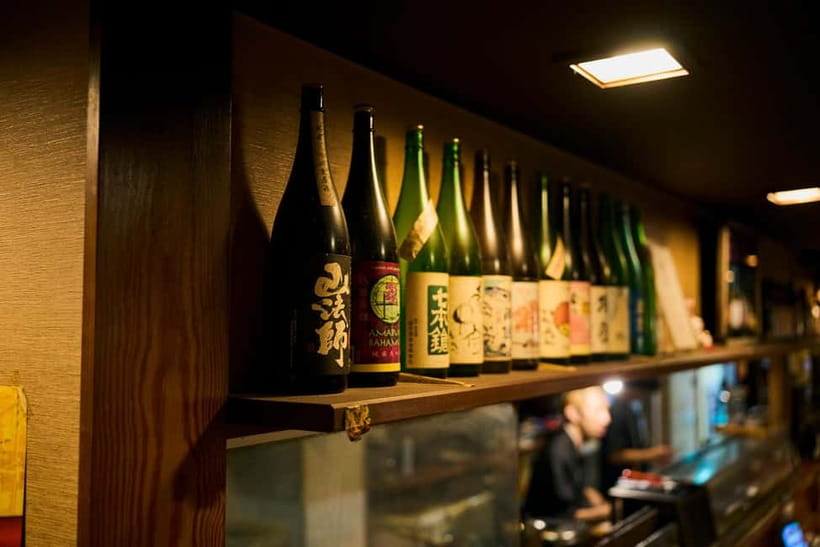
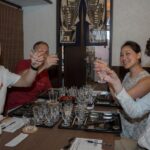
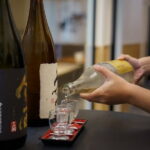
The next stop is a local bar. Sake bars loved by local residents are one of the main attractions, and this is where the tour shifts from restaurant tasting to a more casual drinking setting.
Three drinks are included across the experience. The possible beverage categories listed for the stops include sake, beer, cocktails, wine, spirits, tea, coffee, and aperitifs. The information does not promise one of each, so do not book expecting a precise drink lineup.
This bar stop has value beyond the beverage itself. A guide can explain what you are drinking and when it fits into a Japanese meal. You also get a look at a type of place that can be intimidating when you do not speak Japanese or know local customs.
Alcohol is not required as a reason to book. Tea, coffee, and other non-alcoholic options are included among the possible drink categories, but you should confirm your preference with the guide at the start. The published details do not spell out a dedicated non-alcoholic package.
The group size is capped at 15. That is not an intimate private tour, but it is small enough for a guide to address questions and keep people together. A larger group would make bar seating and conversation harder, so this limit helps the format.
A tucked-away final stop and the FamilyMart surprise
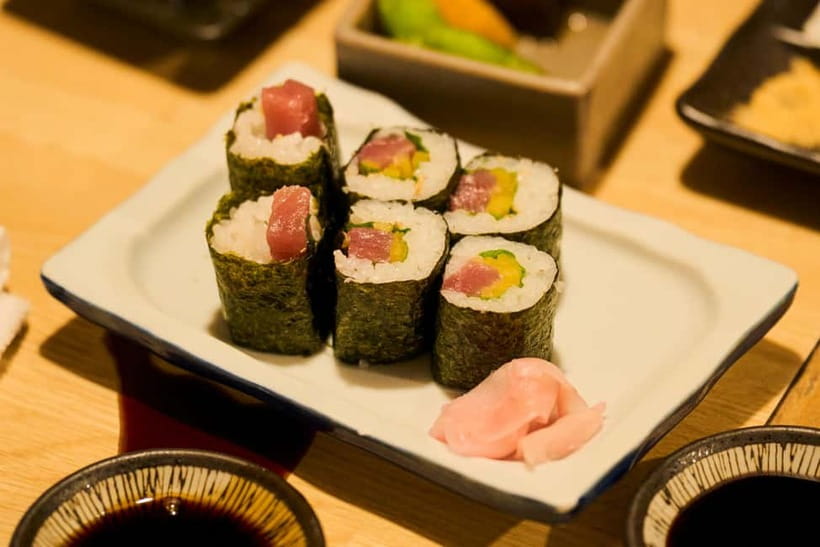
The route includes a less obvious stop with dessert, street food, local snacks, and sightseeing. The details describe a photo stop and a walk through Gion, with time to pass through the area rather than simply sit indoors.
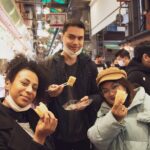
One memorable detail is the FamilyMart visit. The appeal is simple: there are too many ice cream choices, and a convenience store becomes part of the food lesson. Japanese convenience stores are often useful places to see snacks and sweets that you might otherwise overlook, but this tour makes the stop easy and social.
The included 12 dishes may include traditional sweets, and the final portion of the walk adds a lighter finish after savory food and drinks. You might find the FamilyMart stop particularly useful if you want to identify treats for later in your trip.
Keep in mind that extras are not included. If you want to buy another ice cream, snack, or drink, pay in cash. The tour specifically asks you to bring cash for anything beyond the included food and beverages.
This final stop also helps explain why the experience is more than a restaurant reservation. You move between different kinds of food businesses, from a local restaurant to a bar and a convenience store. The result is a practical look at how eating in Kyoto can work at several price levels.
A few more Kyoto tours and experiences worth a look
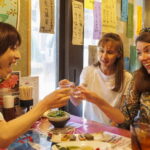
Walking through Gion between bites
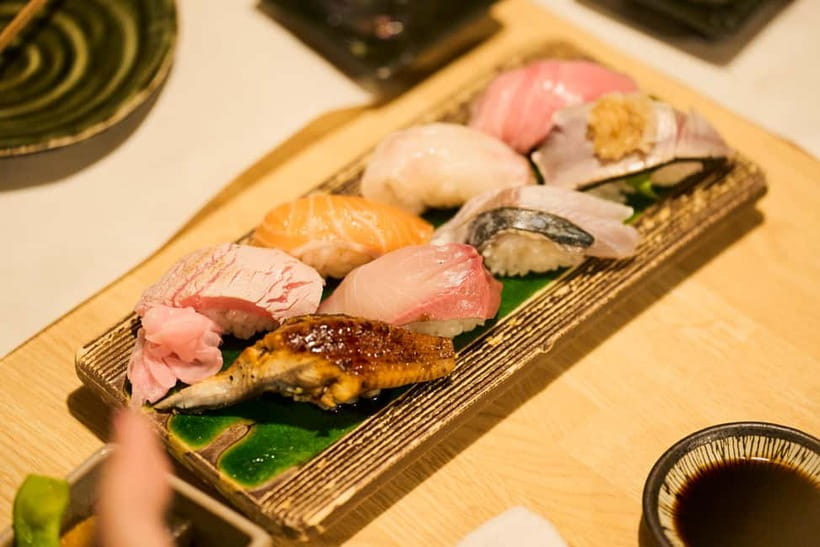
Gion gives the tour a strong sense of place. The route passes through one of Kyoto’s best-known districts, and the walk connects the food rather than treating each stop as an isolated booking.
The published plan does not promise a full historical tour of Gion. You should think of the sightseeing as part of the food route, with the guide sharing tips for enjoying Kyoto along the way. If you want detailed temple history or a dedicated architecture walk, book a separate tour.
I like this balance. Food gives you a reason to move through the neighborhood, and the guide can point out practical ways to enjoy Kyoto after the tour. Those tips may help you decide where to eat, drink, or explore during the rest of your stay, though no specific list of recommendations is guaranteed.
The walk is wheelchair accessible according to the activity details. Still, the route includes walking between venues, restaurant and bar visits, and changing surfaces may affect how comfortable the experience feels. If you use a wheelchair, contact the provider before booking to discuss the exact route and seating arrangements.
The guides make the biggest difference
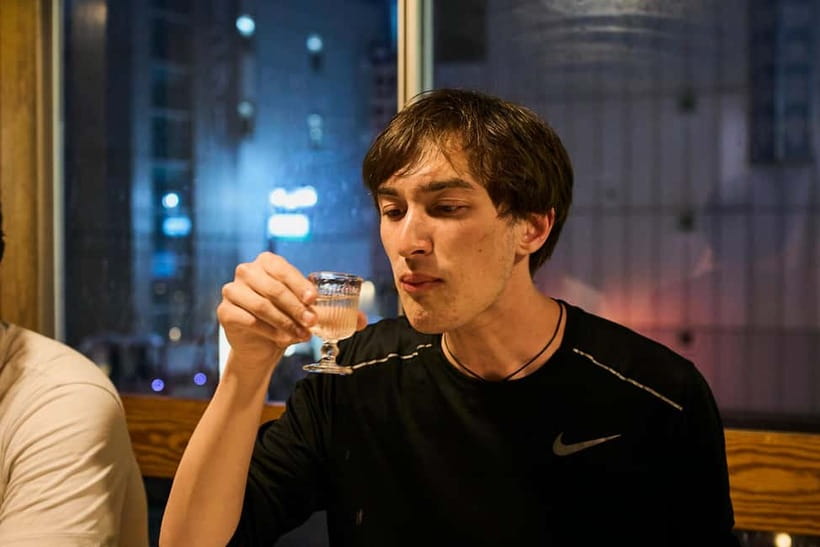
Uta receives the strongest personal praise in the supplied comments. Her strengths are clear: she chooses food and drinks thoughtfully, answers questions, asks people about themselves, and keeps conversation natural.
That matters on a group food tour. A guide who only points at dishes can make three hours feel long. A guide who brings people into the conversation can turn shared plates into a pleasant evening with new friends.
One person used the tour to celebrate a birthday and felt especially well looked after by Uta. Another described Uta as open and friendly while discussing Japan and its culture. These details suggest that her hosting style is warm and engaged rather than strictly scripted.
Ken is also identified as an exceptional guide, though less detail is available about his individual style. Your experience can vary depending on who leads the departure. The important point is that the provider uses live English-speaking guides, not a recorded audio track or self-guided food list.
The social side deserves honest treatment. You may meet people from several countries, and the group can make conversation easy. If you prefer to eat privately or set your own pace, a small-group tour may still feel more structured than you want.
Is $90 good value?
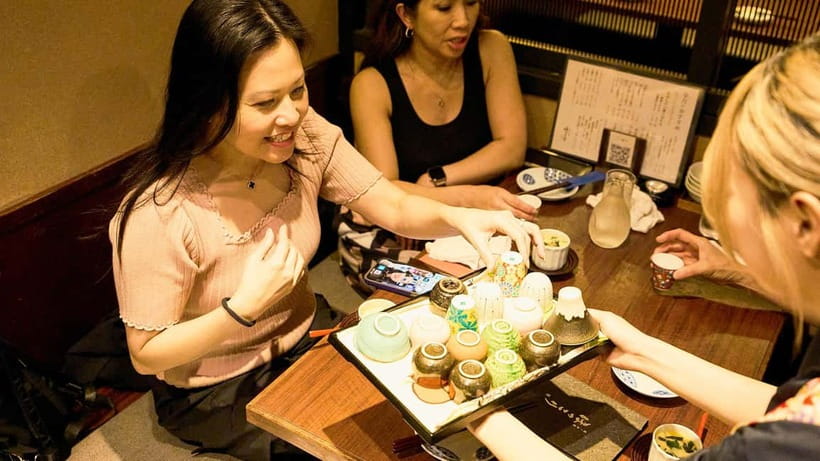
The $90 price includes:
- Twelve recommended Japanese dishes
- Three drinks
- A three-hour guided walk
- Stops at a local restaurant and bar
- A Gion route with local food and sightseeing
- An English-speaking guide
- A maximum group size of 15
The value is strongest if you are new to Japanese food. You avoid the risk of ordering only familiar dishes, and you get a guide to help explain what arrives. The value is also good for solo visitors who want company at dinner and an easy way to meet people.
For couples or friends who already know Kyoto’s food scene, the calculation is different. You may find it cheaper to choose your own restaurants and bars. You also give up some freedom because the menu is based on the group’s recommended tastings.
The generous food count makes the price more appealing than a tour that includes only a snack and one drink. Still, remember that the exact dishes and beverages are not listed in advance, and extra purchases require cash.
Who should book this experience?
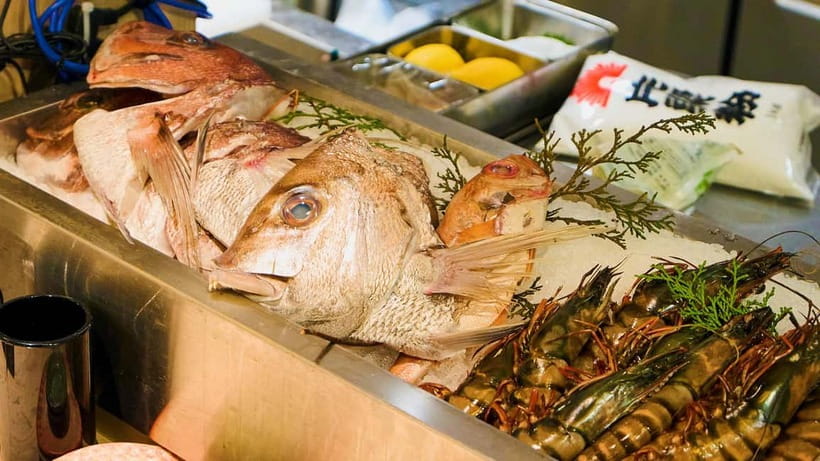
I would suggest this tour to a first-time visitor who wants an easy introduction to Japanese food without spending hours decoding menus. It also fits solo visitors, couples who enjoy social evenings, and anyone who likes trying many small dishes instead of ordering one safe meal.
It suits people who can walk for three hours and are comfortable eating in a group. Bring weather-appropriate clothing and comfortable shoes. The route runs in all weather, so a rainy forecast should not come as a surprise.
I would not choose it for a person with food allergies. The activity is specifically marked as unsuitable for people with allergies, and the included food is broad enough that careful avoidance could be difficult.
I would also look elsewhere if you want a private guide, a fixed menu, a detailed history lecture, or complete control over your drinks. This experience is about variety, conversation, and local food stops.
Booking and practical details
The activity lasts three hours, with starting times shown according to availability. It is conducted in English and accepts bookings with a pay-later option, which helps if your Kyoto schedule is still shifting.
Cancellation is free up to 24 hours before the start time for a full refund. That gives you some protection if your plans change, but late arrival remains a real concern. The guide will not wait for missing group members.
Meet at the side road beside McDonald’s Shijo Ohashi Store, not the busy front entrance. Look for the Local Guide Stars sign, arrive 15 minutes early, and carry cash for any food or drink beyond the included amount.
Should you book the Kyoto food tour?
Book it if you want a friendly, food-heavy introduction to Kyoto with 12 tastings, three drinks, and stops that range from restaurants to sake bars and a convenience store. The guides, especially Uta, appear to be the heart of the experience, and the small group keeps the evening manageable.
Skip it if you have food allergies, dislike group dining, or want a fixed menu with exact dishes named before you pay. For everyone else, the tour offers a practical way to taste widely, ask questions, and leave with a better sense of how Kyoto eats.
FAQ
Where does the Kyoto food tour meet?
Meet at the side road beside McDonald’s Shijo Ohashi Store. The front of the restaurant can be very busy. The guide will hold a Local Guide Stars sign.
How early should I arrive?
Arrive 15 minutes before the tour begins. The group cannot wait for late arrivals, and the tour may start without you.
How long does the tour last?
The food tour lasts three hours.
How many dishes are included?
Twelve recommended Japanese dishes are included. Possible foods include sushi, grilled skewers, traditional sweets, street food, local snacks, and regional dishes.
How many drinks are included?
Three drinks are included. Possible drink types listed for the stops include sake, beer, cocktails, wine, spirits, tea, coffee, and aperitifs.
Is the tour conducted in English?
Yes. The live tour guide speaks English.
What is the maximum group size?
The group is limited to 15 people.
Do I need to bring cash?
Yes. The included food and drinks are covered, but any extras must be paid for in cash.
Is the tour suitable for people with food allergies?
No. The activity is marked as unsuitable for people with food allergies.
More Guided Tours in Kyoto
More Food Experiences in Kyoto
More Kyoto Food Tours in Kyoto
More tours in Kyoto we've reviewed
Kyoto Food Tours, compared.
 ★ 5.0Kyoto Night Foodie Tour in Gion (9+ dishes + 6 Sake tastings)From $163
 ★ 5.0Nishiki Market Brunch Walking Tour (7 Tastings + Brunch)From $68
 ★ 5.03-Hour Kyoto Insider Sake Brewery Tour with Tastings & PairingsFrom $84
 ★ 4.6Kyoto Night All-Inclusive Eats and Streets, Gion and BeyondFrom $101
 ★ 4.5Kyoto Nighttime All-Inclusive Eats and Streets, Gion and BeyondFrom $119
 ★ 5.0Kyoto Foodie Night TourFrom $102