
Reviewed · NARA DAY TRIPS
Nara Todaiji Kasuga Taisha Private Full Day Tour From Kyoto
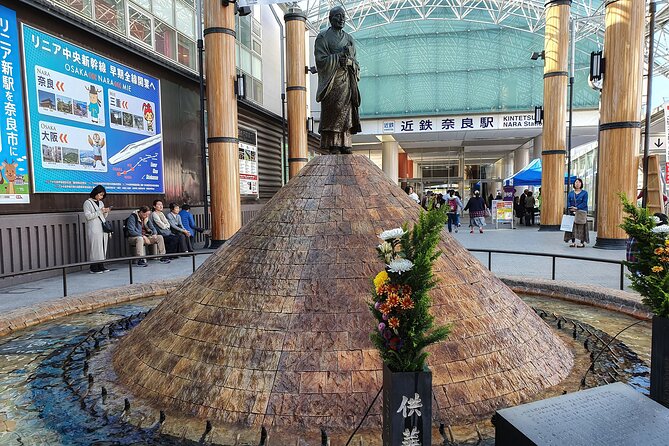
Nara’s best sights fit into one memorable day, but the real draw is the mix: free-roaming sacred deer, a giant bronze Buddha, lantern-filled shrine paths, and old merchant streets. You leave Kyoto by express train and spend the day on foot with a private guide.
I like the early start, which helps you reach the main temple areas before the heaviest crowds. I also like the guide-led format, especially if you are paired with someone such as Katsuhiko, Yochee, Gustavo, Richard, or Yossi, all praised for clear English and local insight. The main drawback is the long walking day, with train fares and lunch added to the tour price.
In This Review
- Key points to know before booking
- Why Nara makes such a good day from Kyoto
- Meeting the guide and riding from Kyoto
- Nara Park and the Sika deer
- Entering Todaiji and seeing the Great Buddha
- Lunch at Kotoya and the cost of eating well
- Lanterns and forest paths at Kasuga Taisha
- Naramachi and its Edo-period streets
- Kofukuji and the imperial capital connection
- What the guide adds to the day
- Walking, timing, and who will enjoy it most
- Booking value and the practical fine print
- Should you book this Nara day tour?
- FAQ
- Where does the tour begin and end?
- Is transportation included in the tour price?
- Is lunch included?
- What entrance fees are included?
- Is this a private tour?
- Can I cancel for a full refund?
Key points to know before booking
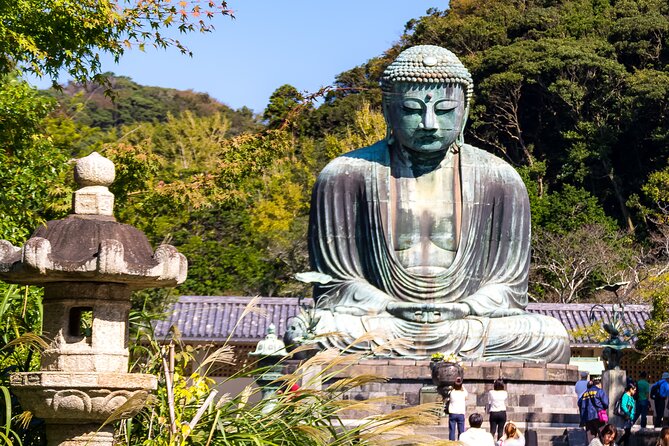
- The Great Buddha is the day’s grand centerpiece: Todaiji’s Great Buddha Hall is a UNESCO World Heritage Site and houses one of Japan’s largest bronze Buddha statues.
- The deer are part of the setting, not a brief photo stop: Nara Park gives you open green space and time to see the Sika deer up close.
- You get a private guide for your group: This makes the pace and explanations more personal than a large coach tour.
- The day includes four very different Nara areas: Nara Park, Todaiji, Kasuga Taisha, Naramachi, and Kofukuji each offer a different view of the city.
- Budget beyond the advertised price: Transportation costs about JPY 1,280 each way, and the traditional lunch at Kotoya is around JPY 2,500.
- Plan for a full eight hours on your feet: Comfortable shoes matter, and the schedule leaves little room for a slow, unplanned afternoon.
Why Nara makes such a good day from Kyoto
Nara is close enough to Kyoto for an easy rail trip, yet it feels different almost as soon as you arrive. The city’s major sights are spread through parkland and older neighborhoods, so your day shifts naturally from open green space to temple halls, forested shrine paths, and narrow streets.
I like this tour because it avoids treating Nara as only a deer stop. The deer are charming and memorable, but the city’s real strength comes from the way animals, religion, imperial history, and old-town architecture sit side by side.
You meet your guide at the 7-Eleven Heart-In store near Kyoto Station’s Central Entrance. From there, you board an express train to Nara. The tour is private, meaning only your own group takes part, a useful feature for families, couples, or friends who prefer to ask questions without holding up a large party.
The listed tour price is $195 per person. That is not a budget day out once you add the return transportation and lunch, but the price includes an English-speaking guide, entrance fees for Todaiji and Kasuga Taisha, and snacks. The value is strongest if you want interpretation and an organized route rather than simply buying a train ticket and visiting Nara alone.
A few more Kyoto tours and experiences worth a look
Meeting the guide and riding from Kyoto
The first part of the day is practical. You meet at the Kyoto Station-area convenience store, then travel with your guide to Nara. The train ride is part of the experience, not a private car transfer, so you should be comfortable finding the meeting point and using public transportation.
A JR Pass can be used, and the stated fare is JPY 1,280 one way. Transportation is not included in the tour price, so check your rail coverage before you go. The return trip ends back at the original meeting point in Kyoto.
The guide names associated with this experience include Katsuhiko Ishida, Yochee, Gustavo, Richard, and Yossi. Assignments can vary, but the strongest praise is consistent: clear English, good command of the route, and useful explanations that help you notice sections of Nara you might otherwise miss.
Richard’s early start is worth noting. Beginning promptly helps you reach the important sites before the day becomes more crowded. That timing matters most at Todaiji and around the deer, where open paths can feel much less relaxed once large groups arrive.
Nara Park and the Sika deer
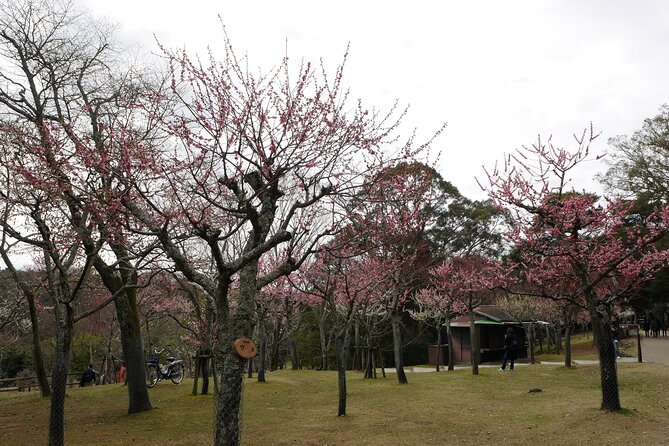
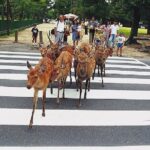
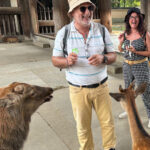
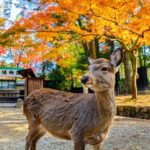
Nara Park is the first major change of pace. After the station and train ride, you enter a broad public park with plenty of open space and greenery. The Sika deer move freely here, and they are treated as sacred messengers in Shinto tradition.
You should think of this as a real encounter with animals in a public setting, not a controlled wildlife show. The deer are known for approaching people, and feeding them can be fun. At the same time, you need to pay attention to your belongings and your food. The tour information calls them friendly, but friendly does not mean perfectly predictable.
Your guide can help you understand why the deer matter to Nara, which gives the stop more weight than a quick photo opportunity. I like having time to watch the animals and take pictures before moving on. You are not rushed straight into a temple entrance.
The park also provides a welcome visual break. After city streets and station platforms, the wide lawns and moving deer make Nara feel spacious. Families often find this the most immediately enjoyable part of the day, while photographers get plenty of simple, unmistakable Nara scenes.
Entering Todaiji and seeing the Great Buddha
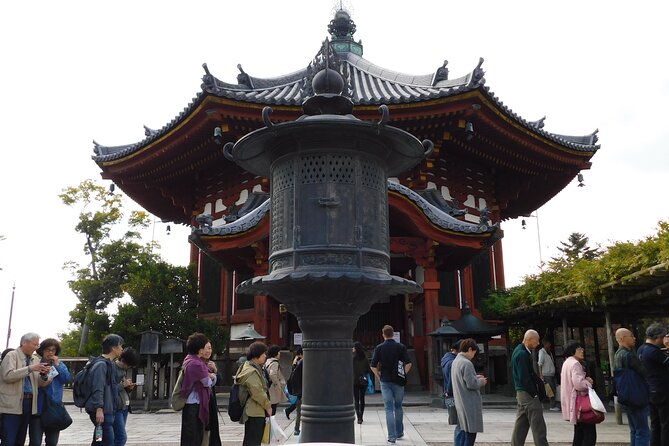
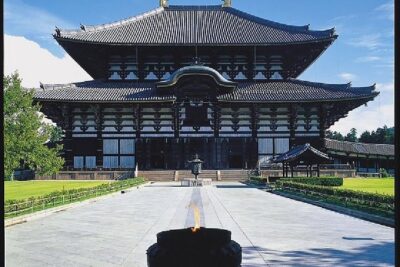
Todaiji is the visual high point. The temple is a UNESCO World Heritage Site, and the Great Buddha Hall contains the Daibutsu, one of Japan’s largest bronze Buddha statues.
The scale is what matters here. A photograph cannot fully prepare you for the size of the hall or the figure inside it. Your guide’s explanation helps place the building and statue within Nara’s religious and imperial story, rather than leaving you with only a large room and a large statue.
Entrance to Todaiji is included. That removes one extra expense and keeps the group moving, though you should still expect a steady walking pace through a major attraction.
This is also where an early start pays off. Todaiji is one of Nara’s best-known sights, so arriving ahead of the thickest crowds gives you more breathing room inside and around the hall. Do not expect complete quiet. This is a major historic site, but the experience can be far calmer early in the day.
The scheduled temple visit lasts about an hour. That is enough for the main hall and an explanation of the site, but not enough for an unhurried study of every corner. If you are deeply interested in Buddhist art or architecture, you may wish you had more independent time. For a first visit, the guided hour gives you the essential experience without letting one stop consume the whole day.
Lunch at Kotoya and the cost of eating well
The route includes a traditional lunch at Kotoya Restaurant, with local Nara specialties. Lunch is not included, and the expected cost is around JPY 2,500.
That extra charge is reasonable for a sit-down traditional meal, but it affects the total price. If you are comparing this with a self-guided Nara day, count the meal and train fares before deciding that the tour is good value.
I like having lunch built into the route because it gives the day a clear pause between Todaiji and Kasuga Taisha. You do not have to spend valuable sightseeing time searching for a restaurant. The trade-off is less choice. If you have strict dietary needs or a very particular food budget, the set lunch arrangement may feel limiting.
The experience includes snacks, but the supplied details do not specify what they are. You should not treat those snacks as a replacement for lunch.
Other private tours in Kyoto
Lanterns and forest paths at Kasuga Taisha
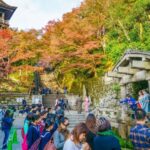
Kasuga Taisha brings a different mood from Todaiji. Instead of one huge interior space, you get a shrine setting associated with thousands of hanging lanterns and picturesque paths.
The shrine entrance fee is included. That is helpful because Kasuga Taisha is not just a quick exterior photo stop in this plan. You have time to take in the shrine and its setting before continuing toward Naramachi.
The lanterns are the detail to watch for. They give the shrine a quieter, more atmospheric character than the broad openness of Nara Park or the massive scale of Todaiji. Your guide can also explain the difference between the Buddhist temple experience and the Shinto shrine setting, which is one of the most useful parts of seeing both in a single day.
Expect more walking here. The park, temple, and shrine are not experienced from a bus window. Paths and outdoor sections make comfortable shoes essential. If you have limited stamina, tell your guide early so the pace can be managed where possible, though the published schedule remains fairly active.
Naramachi and its Edo-period streets
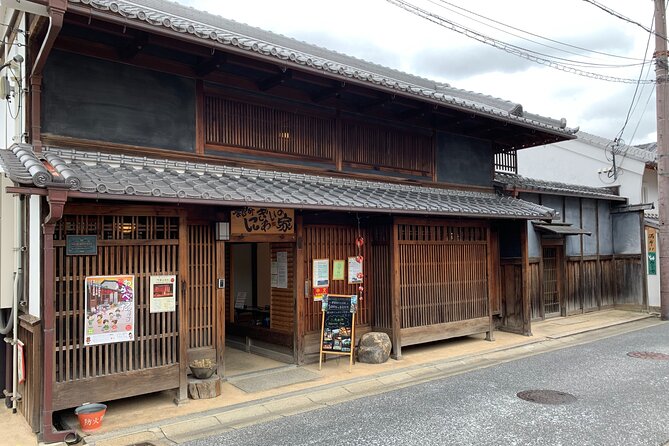
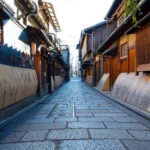
Naramachi is the old-town portion of the day. Narrow lanes lead past well-preserved traditional merchant houses, specialty shops, and retro museums.
This stop is valuable because it shows daily urban life rather than only grand religious monuments. Merchant-house architecture gives you a sense of how Nara’s older neighborhoods were organized, while the shops and small museums add texture to the walk.
The planned visit lasts about 30 minutes, which is enough for an introduction but short for serious browsing. You may see several types of specialty shops and get a feel for the area, but you should not expect a long shopping session or a detailed museum tour.
I would treat Naramachi as a pleasant closing walk rather than the main reason to book the day. It works best after the temples, when you want a smaller-scale setting. If old houses, craft shops, and retro displays are your priority, the brief schedule may leave you wishing for more free time.
Kofukuji and the imperial capital connection
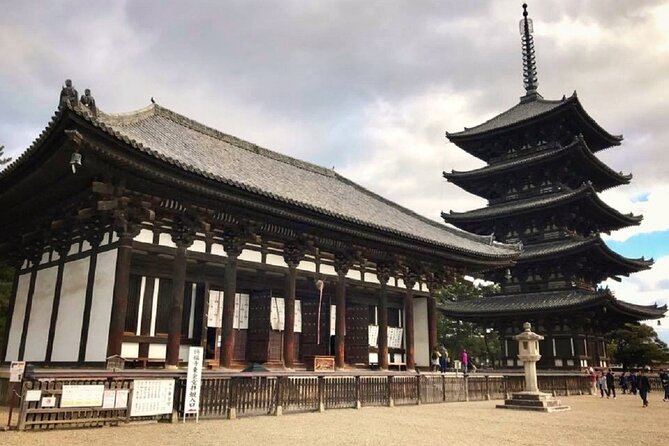
Kofukuji adds another temple setting and a useful link to the establishment of the Heijo-kyo imperial capital. The plan includes time on the temple grounds while your guide explains that historical connection.
The supplied schedule places Kofukuji after the Naramachi portion, with the return to Kyoto also listed later in the day. Exact movement can depend on the guide and the day’s timing, so you should confirm the final order with your guide when you meet.
Kofukuji is a good inclusion for anyone who wants more than the standard deer-and-Great-Buddha circuit. It broadens the historical picture and gives your guide another chance to connect Nara’s temples with the city’s role as an imperial center.
Because the day is already full, this stop may feel like an added layer rather than a long independent visit. That is fine if you prefer a guided overview. It is less ideal if you want to sit quietly at each temple or spend an hour examining architectural details.
What the guide adds to the day
The guide is the main reason to choose this experience over a simple rail trip. A self-guided Nara visit is entirely possible, but the distance between sights, the religious background, and the old neighborhoods are easier to understand when someone explains what you are seeing.
Katsuhiko Ishida is praised for making the area interesting and fun, while Yochee is a Nara native who brings local familiarity to the route. Gustavo is noted for showing sections of Nara that are easy to miss, and Richard is praised for adding context and starting early. Yossi is described as prepared, easy to communicate with, and helpful with temple, shrine, and food stops.
These names give you a useful sense of the guiding style, but your assigned guide may be different. The important point is that this is not simply a transfer with a few facts added. You spend the day moving with one English-speaking guide who can answer questions and adjust explanations to your group.
The private format also changes the feel of the day. You are not waiting for a large bus group, and you can ask about details that interest you. The downside is price. Private touring usually costs more per person, particularly for a small group.
Walking, timing, and who will enjoy it most
The tour lasts about eight hours. The schedule looks tidy on paper, but Nara’s sights involve outdoor paths, temple grounds, shrine approaches, and old streets. One guide-led day was described as a long walk, though the full experience was considered worthwhile.
Bring comfortable shoes, water, and a small bag that you can manage around the deer. Leave room in your schedule for the possibility that a group may move a little slower than planned. The tour is near public transportation, and most people can participate, but no detailed accessibility information is provided.
I would recommend this for a first visit to Nara, especially if you are staying in Kyoto and want one organized day away from the city. It also suits families and small groups that value a private guide and do not want to coordinate trains, temple order, and lunch themselves.
You may prefer a self-guided visit if you want to spend half a day at Todaiji, shop at length in Naramachi, or move at a very slow pace. You may also find the $195 price high if you already have strong knowledge of Nara and are happy using trains and paying temple fees on your own.
The tour has a 4.8 rating from 13 reviews, with 92 percent recommending it. The repeated strengths are the guides, early timing, clear communication, and the sense that Nara is more than a quick deer photo. Those are the areas I would use to judge the tour’s value.
Booking value and the practical fine print
At $195 per person, this is a guided convenience purchase rather than a cheap day trip. Add roughly JPY 1,280 each way for transportation and about JPY 2,500 for lunch at Kotoya. Todaiji and Kasuga Taisha admission, snacks, and the English-speaking guide are included.
For a private group, the price can make more sense when split among several people, and group discounts may be available. The strongest value comes from having the route handled for you and getting local explanations at each major site.
Confirmation is provided at booking, and the activity begins and ends at the Kyoto Station meeting point. Hotel pickup and drop-off are not included. Free cancellation is available up to 24 hours before the start time for a full refund. Changes or cancellations made inside that window are not accepted for a refund.
Should you book this Nara day tour?
Book it if you want Nara’s essential sights in one active day, prefer a private English-speaking guide, and value context at Todaiji, Kasuga Taisha, Kofukuji, and Naramachi. The deer are the easy hook, but the combination of temple scale, shrine lanterns, old merchant streets, and guided train travel is the real strength.
Skip it if you want the lowest possible cost, dislike long walking days, or prefer to linger at one site. For most first-time visitors based in Kyoto, though, this is a well-planned way to see Nara without reducing the city to a single stop at the deer park.
FAQ
Where does the tour begin and end?
You meet at the 7-Eleven Heart-In store at Kyoto Station’s Central Entrance, near Karasuma Street. The activity ends back at the same meeting point.
Is transportation included in the tour price?
No. Transportation is not included. The stated fare is about JPY 1,280 one way, and a JR Pass can be used.
Is lunch included?
No. A traditional lunch at Kotoya Restaurant costs around JPY 2,500. Snacks are included.
What entrance fees are included?
Admission to Todaiji Temple and Kasuga Taisha Shrine is included in the tour.
Is this a private tour?
Yes. Only your group participates in the activity, and an English-speaking guide accompanies you.
Can I cancel for a full refund?
Yes, if you cancel at least 24 hours before the experience start time. Cancellations or changes made less than 24 hours before the start time are not refunded or accepted.
More Full-Day in Kyoto

More Private Tours in Kyoto
More Nara Day Trips in Kyoto
More tours in Kyoto we've reviewed



Nara Day Trips, compared.
 ★ 5.0World Heritage Kyoto & Nara Uji Authentic Matcha ExperienceFrom $129
 ★ 4.7Kyoto/Osaka: Nara, Fushimi Inari Taisha, Arashiyama Bus TourFrom $529 - 10 hours
 ★ 4.4Osaka/Kyoto: Arashiyama, Nara & Fushimi Inari Shrine w/LunchFrom $61
 ★ 5.0Nara Early Morning Tour (Kyoto or Osaka Departure Available)From $61
 ★ 4.5Kyoto and Nara Day Trip from KyotoFrom $194
 ★ 4.5Nara Afternoon Tour from Kyoto or OsakaFrom $102