
Reviewed · GION & GEISHA WALKS
Kyoto: Ninja Experience Cafe Kyoto Gion
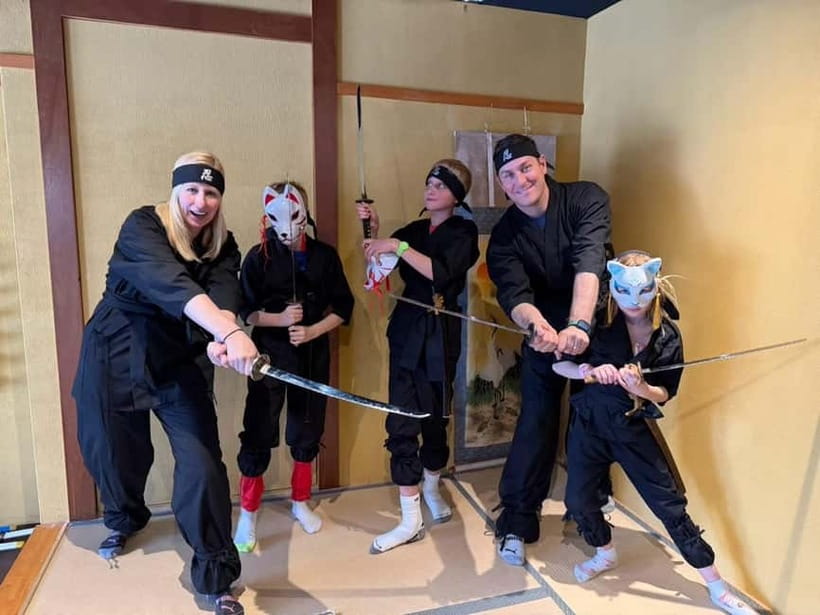
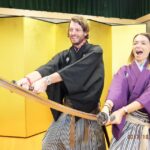
The most fun part of this Kyoto activity is the quick change from sightseeing clothes to full ninja costume, followed by hands-on practice with shuriken, blowgun, and katana. You are not just posing beside a prop. You get guided time with three ninja weapons, with instructors showing you how to use each one safely.
I like the small groups of up to 10, which should give you room to practice rather than simply watch. I also like the indoor setting, especially in Kyoto when rain, heat, or winter cold can interrupt outdoor plans. The main drawback is the price: at $45 per person, it is more costly than a simple photo stop, and companions who do not train must order a drink.
In This Review
- Key points to know before you book
- Turning into a ninja on Kyoto’s sixth floor
- Shuriken practice gives the session its action-movie moment
- The blowgun tests your precision
- Katana handling rounds out the training
- Photos are part of the experience, not a side task
- Why the indoor setting matters in Kyoto
- Is $45 a fair price?
- Who will enjoy this most
- Practical details that can make the visit smoother
- Should you book the Ninja Experience Cafe Kyoto Gion?
- FAQ
- Where is the Ninja Experience Cafe Kyoto Gion?
- How long does the ninja experience last?
- What weapons can I practice?
- Is a ninja costume included?
- Are instructors available in English?
- How many people are in each group?
- Can someone come along without joining the training?
- Can children join the activity?
Key points to know before you book
- Three weapons in one session: Practice throwing shuriken, aiming a blowgun, and handling a katana.
- A real costume change: You receive a ninja outfit and gear, so photos feel like part of the activity rather than an afterthought.
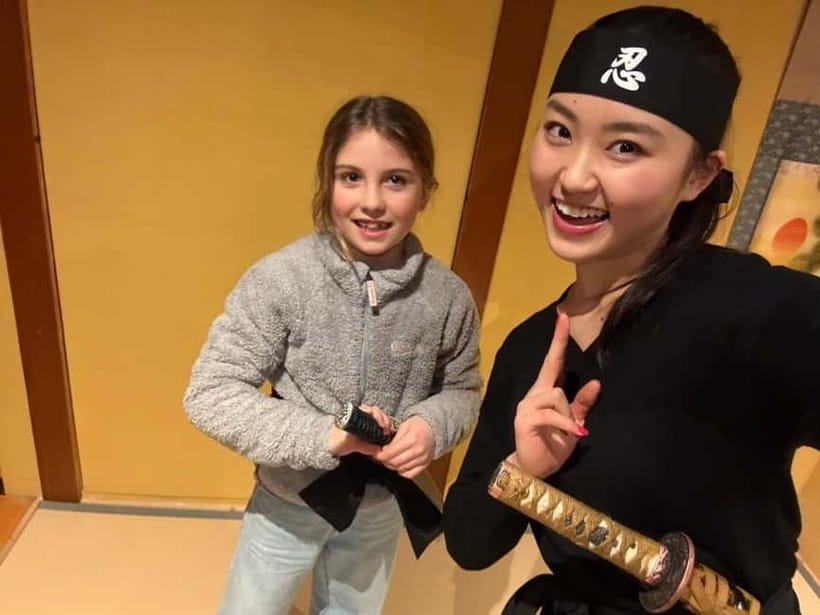
- Friendly, encouraging instruction: Yui and Wei are specifically praised for helping children and making families feel welcome.
- Indoor and weatherproof: The experience works well as a planned activity on a rainy Kyoto day.
- Short, manageable timing: Allow about one to two hours, making it easy to fit around Gion sightseeing.
- Useful clothing tip: Avoid skirts if possible, since you need to change into the ninja outfit.
Turning into a ninja on Kyoto’s sixth floor
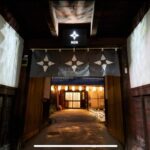
The Ninja Experience Cafe Kyoto Gion begins with a simple but important ritual: changing into the outfit. The cafe occupies the sixth floor of its building, and an elevator takes you directly there. That matters after a full day on your feet in Gion. You do not need to search for a separate training compound or walk far from the main sightseeing area.
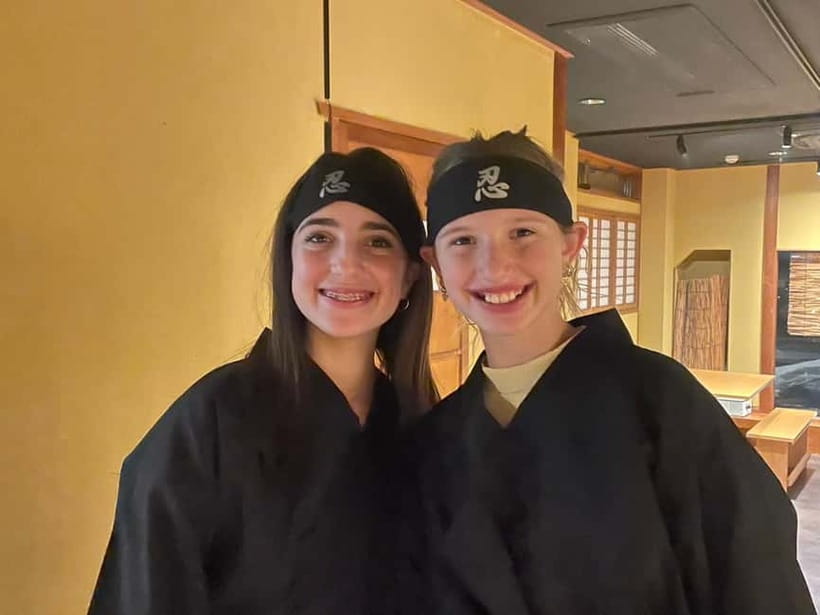
The costume gives the activity its spark. Once you are dressed, you look the part in photos and feel ready for the training session. Plan your clothing with the change in mind. Skirts are discouraged, so trousers or other easy-to-change clothing make the process simpler.
The experience lasts about one to two hours. The exact length can depend on the available session time, but this is a compact activity rather than a full-day commitment. I see that as a strength for Kyoto. You can schedule it between temple visits, shopping, a meal, or an evening walk through Gion.
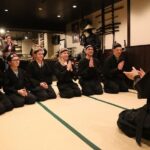
English and Japanese instruction is available. The staff guide you step by step, which makes this suitable for people who have never handled any of the equipment before. The group limit is 10 participants, a useful middle ground: social enough to feel lively, but small enough for individual turns.
A few more Kyoto tours and experiences worth a look

Shuriken practice gives the session its action-movie moment
The shuriken, often called throwing stars, are usually the first weapon people picture when they hear the word ninja. Here, you get to try them rather than simply admire them. The instructor explains the activity and gives you repeated chances to aim at the target.
That repeated practice is important. One quick throw would make the activity feel like a photo opportunity with a token game attached. The available session gives you enough time to test your aim and adjust your technique. A review of the experience describes plenty of shuriken throws, which is encouraging if this is the part you most want to try.
You should not expect a serious martial-arts lesson or a test of combat skill. This is a supervised introduction designed for fun, photos, and a sense of achievement. The instructors keep the activity safe and approachable, so you can enjoy the theatrical side without needing previous training.
For children old enough to follow directions, shuriken practice can be especially satisfying. The minimum age is three, but younger children may not be ready for every part of the training. Parents can decide how much participation makes sense for their own child.
The blowgun tests your precision
The blowgun section changes the pace. Instead of throwing, you line up your shot and use breath control to send the dart toward a target. The instructors can help you understand the basic technique, then let you see how accurate you can be.
One useful detail from the experience is the chance to shoot from different distances. That gives the activity a little more substance than a single attempt. You can start by finding your aim, then test whether you can keep your precision as the target moves farther away.
The blowgun may be the quietest part of the session, but it can also be one of the most competitive. Friends and family can compare results without the activity becoming too serious. If you are taking photos or video, the moment of lining up the shot creates a clear, easy-to-capture pose.
All weapon training takes place under instructor guidance. You should follow the directions closely and wait for your turn. The point is controlled practice, not fast action.
Katana handling rounds out the training
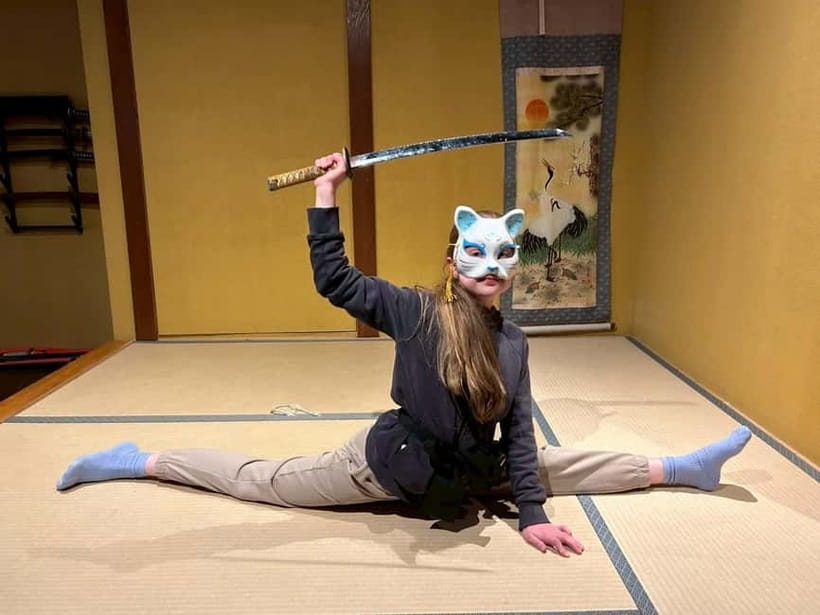
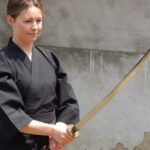
The katana portion completes the three-part lesson. You get some guided practice with a sword, adding a strong visual finish to the costume and photographs. The information provided describes this as practice rather than a full sword-fighting class, so expect introductory instruction and staged movements.
That distinction helps set the right expectations. You are booking a playful cultural activity, not formal fencing or a historical weapons course. The katana gives you the classic ninja image, while the shuriken and blowgun provide the hands-on variety.
The three weapons work well together because each one feels different. Shuriken practice is about throwing, the blowgun is about breath and aim, and the katana involves controlled movement. You get several kinds of activity in one visit, which helps the one-to-two-hour schedule feel full.
The instructor’s role is central here. Yui and Wei have been praised for being funny, kind, and encouraging, especially with a child who needed extra confidence during the activities. That is the sort of support that can change the experience for a nervous beginner. You do not need to arrive feeling athletic or fearless.
Photos are part of the experience, not a side task
The costume and weapons are made for photographs. Staff help you capture good photo and video moments, so you can leave with more than a quick snapshot taken by a family member. If you want to share the experience on Instagram, YouTube, or a blog, the setting gives you plenty of obvious visual material.
I would suggest deciding before you arrive who wants to train and who mainly wants to take pictures. Participants can take part in the activities, while nonparticipants can observe, photograph, and order a ninja-themed drink or food item at the cafe.
The photo element also makes this a useful choice for mixed groups. One family member might love the weapons practice, while another prefers watching and documenting it. The nonparticipant still needs to order one drink, however, so include that cost when planning the visit.
Because the staff are involved in helping with photos, you can focus on the activity instead of trying to set up every shot yourself. You should still bring your phone and make sure it has enough battery. The supplied details do not promise professional photography or a set number of edited images, so think of the photo help as friendly assistance rather than a separate photography service.
A few more Kyoto tours and experiences worth a look

Why the indoor setting matters in Kyoto
Kyoto rewards walking, but its weather can make a long sightseeing day tiring. A covered activity in Gion gives you a practical break from rain, heat, or cold. You can enjoy the session without checking the forecast every few minutes.
The indoor setting is also useful for families. You do not need to keep moving between outdoor sights, and the training has a clear start and finish. The cafe setting gives people who are not participating somewhere to watch and wait.
This is not a substitute for Kyoto’s temples, gardens, or traditional streets. It is a playful modern activity that works best alongside them. Schedule it when you want a change of pace, especially after several hours of quiet cultural sightseeing.
The location on Honshu is easy to pair with a day in Kyoto, though the supplied details identify the venue only as the sixth floor of its building in Gion. Use the elevator and go directly to the cafe. Since no more detailed street directions are provided here, check your booking information carefully before setting out.
Is $45 a fair price?
At $45 per person, this is not the cheapest way to spend an hour in Kyoto. You are paying for more than admission to a cafe, though. The price includes the costume rental, instructor guidance, practice with three weapons, and photo opportunities.
That package makes better value for people who plan to take part fully. You get several activities instead of one short demonstration, and the small-group format gives the session a personal feel. The price is harder to justify if you only want a costume photo and have no interest in training.
Families should calculate the total carefully. Every participating person pays the listed per-person price. A companion who does not train does not join for free, and the cafe asks that person to order one drink. The activity can still suit a family very well, especially when one child wants to participate and other relatives want to watch, but the cost should be clear in advance.
The strongest value comes from the combination of variety and convenience. You can dress up, learn basic techniques, practice three weapons, and take photos in a single indoor visit. If those are the things you want, $45 is easier to defend than it would be for a simple themed cafe stop.
Who will enjoy this most
I would point this activity toward families, friends, couples, and solo visitors who like doing something active and lighthearted. You do not need prior martial-arts experience. The instructors teach each step, and the small group keeps the session manageable.
It is especially good for:
- Families with children aged three or older who can follow safety instructions
- Friends who want a shared activity and funny photos
- Solo visitors who want a structured experience with English or Japanese guidance
- People looking for an indoor plan in poor weather
- Content creators who want costume and action photos
- Visitors who enjoy trying several short activities rather than sitting through a long presentation
It may be less suitable if you dislike changing clothes, prefer quiet historical tours, or want advanced weapons instruction. The experience is playful and introductory. Its goal is to let you feel like a ninja for an hour or two, not to certify you in ninja skills.
If you have limited time in Kyoto, ask yourself what kind of memory you want. A temple visit gives you architecture and history. This gives you participation, costumes, and photos. Both can belong in the same trip, but they serve very different purposes.
Practical details that can make the visit smoother
Book clothing that is easy to change out of, and avoid skirts if possible. The outfit is part of the activity, so you want to change without fuss.
Allow one to two hours, then leave enough time for the rest of your Gion plans. Since the group can include up to 10 people, arrive ready to listen and take turns. The instructors provide guidance, but the session works best when everyone follows the safety rules.
The activity is offered with English and Japanese instructors. If you have questions about the training, ask at the start. The staff can guide you through the equipment and help with photo moments.
Free cancellation is available up to 24 hours before the activity for a full refund. You can also reserve now and pay later, which helps if your Kyoto schedule is still changing. Check the available starting times before booking, since the duration and timing depend on the session you choose.
Should you book the Ninja Experience Cafe Kyoto Gion?
Book it if you want an active, amusing break from temples and city walks, especially if costumes and photos are a big part of your trip. The three weapons give the session enough variety, and the support from instructors such as Yui and Wei is a real plus for families and first-time participants.
Think twice if $45 feels high for a short activity or if you mainly want a quick photo. Nonparticipants also need to order a drink, so the total can rise for a larger group.
For most families, friend groups, and solo visitors who enjoy trying something unusual, I would book it. You get a weatherproof activity, guided practice, and a memorable set of photos in a compact visit. Just arrive in practical clothing, plan for the costume change, and treat it as playful ninja training rather than a serious martial-arts course.
FAQ
Where is the Ninja Experience Cafe Kyoto Gion?
The cafe is on the sixth floor of its building in Gion, Kyoto. The building has an elevator, and you should use it to go directly to the cafe.
How long does the ninja experience last?
The activity lasts about one to two hours. Available starting times can vary, so check the schedule before booking.
What weapons can I practice?
Training includes three ninja weapons: shuriken, a blowgun, and a katana.
Is a ninja costume included?
Yes. Ninja costume rental is included in the activity.
Are instructors available in English?
Yes. Instruction is available in English and Japanese.
How many people are in each group?
The activity uses small groups limited to 10 participants.
Can someone come along without joining the training?
Yes. Nonparticipants can observe, take photos, and enjoy ninja-themed food and drinks at the cafe. A companion who does not train must order one drink.
Can children join the activity?
Children under three years old are not suitable for the activity. The provided information does not give a higher age limit.
More Samurai & Kendo Experiences in Kyoto
More Gion & Geisha Walks in Kyoto

More tours in Kyoto we've reviewed







Gion & Geisha Walks, compared.
 ★ 4.7Kyoto Geisha Walking Tour: Gion District & Hidden GemsFrom $252 hours
 ★ 4.7Kyoto: Gion Geisha District Walking Tour – Stories of GeishaFrom $202 hours
 ★ 4.9Best of Kyoto: Gion, Geisha, Pagodas & CobblestonesFrom $242 hours
 ★ 4.5Night Walk in Gion: Kyoto’s Geisha DistrictFrom $211h 40m
 ★ 5.0Kyoto Night Foodie Tour in Gion (9+ dishes + 6 Sake tastings)From $163
 ★ 5.0Kyoto Gion Geisha District Walking Tour – The Stories of GeishaFrom $25