
Reviewed · HISTORICAL TOURS
Secrets of Ninjas X Samurais: Private History Tour to Iga & Koka
Iga is not a movie set. It is a mountain city tied to the Iga-Ryu ninja tradition, and this private tour takes you to an authentic ninja house with flipping doors, secret passages, and hidden sword shelters. You also visit Iga-Ueno Castle, where samurai armor and katana swords give the day a useful counterpoint to the shadowy ninja story. I like the direct access from Kyoto and the chance to travel in a private, air-conditioned vehicle. I also like the English guidance from Daiki Fukashi, whose explanations cover Japanese history, geography, and daily customs, not just ninja tricks.
The main drawback is timing. The tour begins at 1 p.m., and one afternoon booking did not include a ninja performance. If seeing live demonstrations is important to you, ask about the schedule before booking. The admission fees are also extra, though the private transport, fuel, highway charges, parking, and hotel pickup are included.
In This Review
- Key points to know before booking
- Why Iga and Koka make this more than a themed tour
- The Iga-Ryu Ninja Museum and its working house
- Iga-Ueno Castle and the samurai side of the story
- Koka and the practical skills of ninja life
- Shogunzuka Seiryuden and the Kyoto view
- What the private vehicle changes
- The guide can make or break the history
- Timing, walking, and who should book
- Is the $257.35 group price good value?
- Should you book this Iga and Koka tour?
- FAQ
- How long does the tour last?
- What time does the tour start?
- Is hotel pickup included?
- What vehicle is used?
- Are the entrance fees included?
- Is the tour private?
- Can the itinerary change?
Key points to know before booking
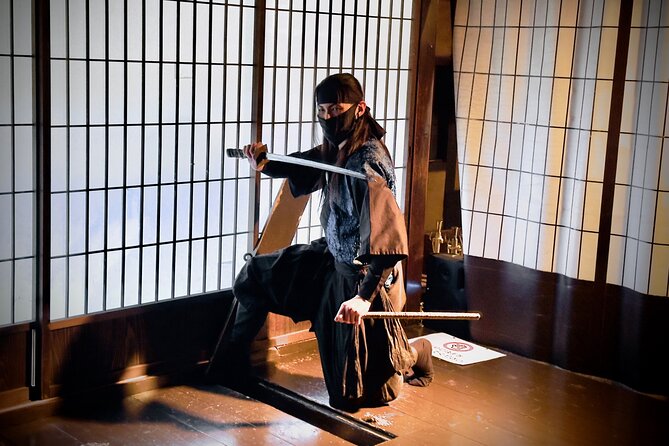
- A real Iga ninja house: See practical defensive features such as secret passages, false doors, and concealed sword storage.
- Private transport for up to six: Ride in an air-conditioned Nissan van, with a Mini Cooper Convertible available for one guest.
- Two famous ninja regions: Visit both Iga and Koka, areas linked to different ninja traditions and skills.
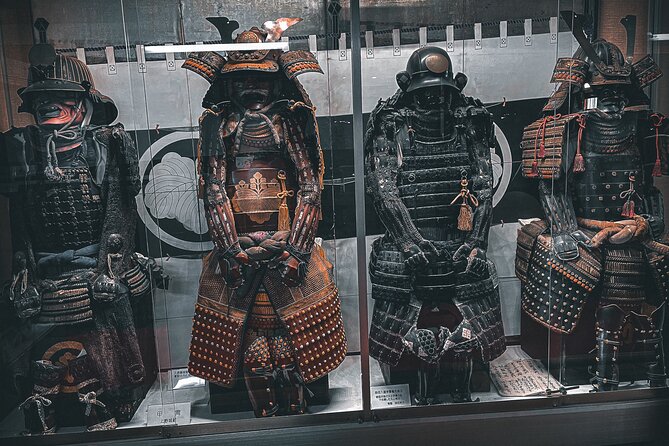
- Samurai history in physical form: Explore Iga-Ueno Castle and see armor and katana swords connected with Japan’s military past.
- A Kyoto view to finish the day: Shogunzuka Seiryuden offers a broad view over Kyoto from the mountains behind Gion.
- Six hours with a 1 p.m. start: The schedule suits an afternoon outing, but it may not suit you if you want a full day or a guaranteed performance.
Why Iga and Koka make this more than a themed tour
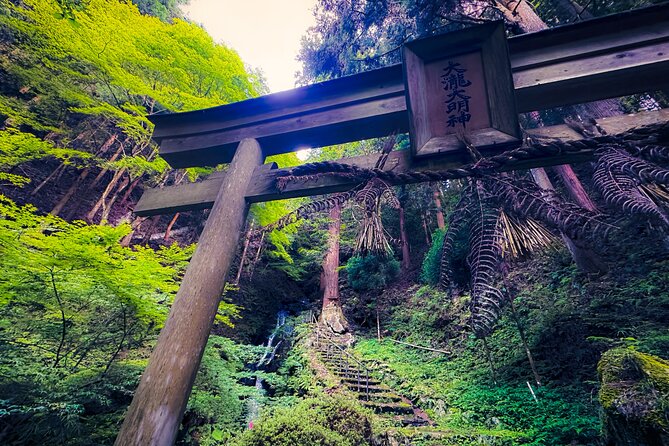
Ninja stories often get reduced to black costumes, smoke bombs, and impossible movie stunts. Iga and Koka offer a more grounded setting. These mountain areas were associated with local ninja groups, and their geography helped shape the skills linked with them.
Iga was home to the Iga-Ryu style and was once independently run by the Iga ninja clan. Koka, one of the other major ninja areas, became known for herbal mixing skills. The tour connects both places, so you are not simply visiting one attraction with a ninja label. You are seeing two regions tied to the wider story.
That regional focus is one of the strongest reasons to book a private tour. The drive from Kyoto takes about an hour to reach Iga, and the roads pass through Japanese countryside. In spring, cherry blossoms line parts of the route. In autumn, maple trees provide the color. The scenery is not a separate attraction with a long stop, but it gives the ride a pleasant change from central Kyoto.
You also get historical contrast. Ninja groups worked through secrecy, local knowledge, and practical skills. Samurai culture is presented through castles, armor, and swords. Seeing both in one afternoon helps you understand that these were not interchangeable characters from popular fiction.
Other private tours in Kyoto

The Iga-Ryu Ninja Museum and its working house
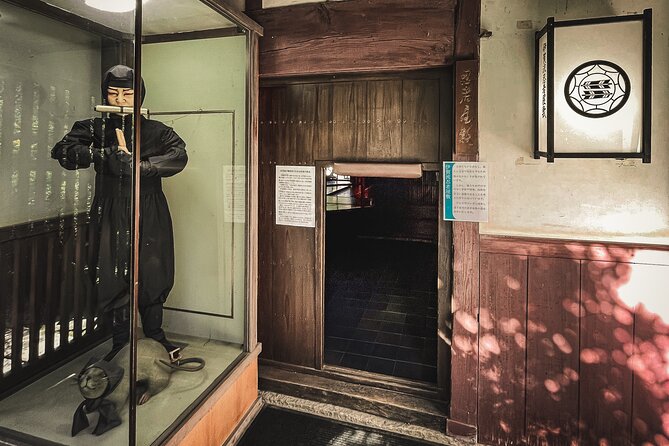
The Iga-Ryu Ninja Museum is scheduled for about one hour. Its main draw is an authentic ninja house built by a real ninja master. This matters because the building’s features are practical rather than decorative.
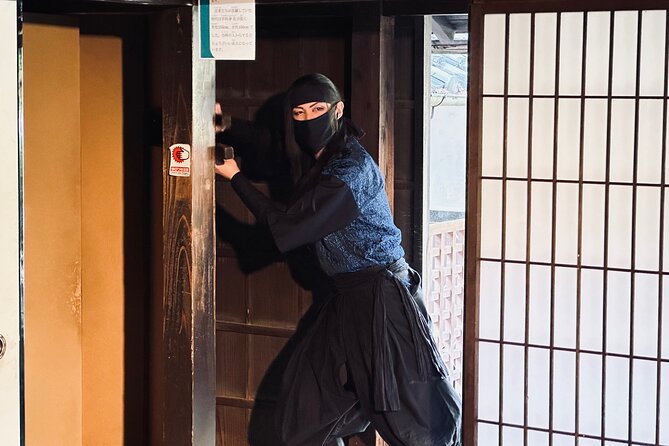
As you move through the house, look for the concealed design details. A flipping door could confuse an intruder or let someone move out of sight. Secret passages offered routes through the building, while hidden sword shelters provided a place to store weapons where an outsider would not expect them.
These features make the visit easy to understand, even if you have only a passing interest in Japanese history. You can see how architecture, household planning, and personal safety worked together. For families, the physical surprises may be the most memorable part. For adults, the house offers a useful reminder that ninja life was connected to ordinary buildings and local communities, not only mountain legends.
One practical point deserves attention: the Iga Ninja House admission is not included. The listed price is ¥800 per person. The museum itself is allotted one hour, so you should not expect an extended museum day or a broad collection of unrelated exhibits.
Do not assume an afternoon departure guarantees a ninja performance. A 1 p.m. tour did not include one, and that was a disappointment for the people who wanted to see live action. The house visit still provides the central experience, but ask WadaF Tours about performance times if demonstrations are essential to your plans.
Iga-Ueno Castle and the samurai side of the story
Iga-Ueno Castle takes about an hour and sits on a hill in the center of Ueno City. The original castle was built in 1585, during the peak of Japan’s warring age, as a fort connected with Osaka Castle.
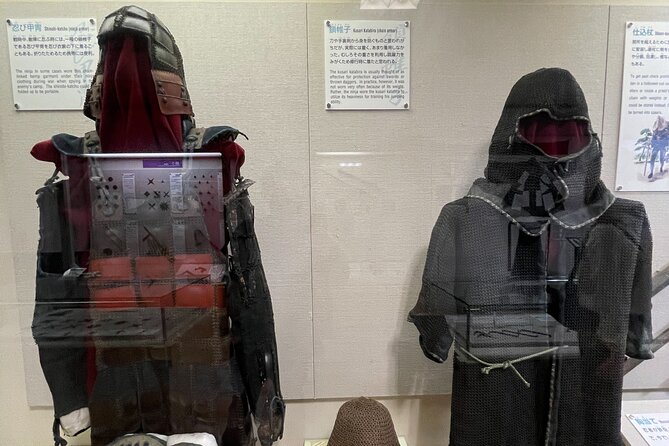
The castle adds weight to the tour’s samurai section. Instead of relying only on stories, you can see actual armor and katana swords associated with historical shoguns and real battles. That physical connection helps explain the difference between the formal military world of the samurai and the covert work associated with ninja groups.
The hilltop setting also gives the castle a strong visual presence. You will need to handle some stairs and a little walking on rough ground during parts of the tour. That is manageable for most people, but comfortable shoes are a sensible choice.
Admission to Iga-Ueno Castle costs ¥600 per person and is not included. For a private tour costing $257.35 per group of up to six, that extra fee is modest, especially for a larger group. For one or two people, however, you should add both attraction fees to the advertised rate when comparing this outing with a standard group tour.
Koka and the practical skills of ninja life
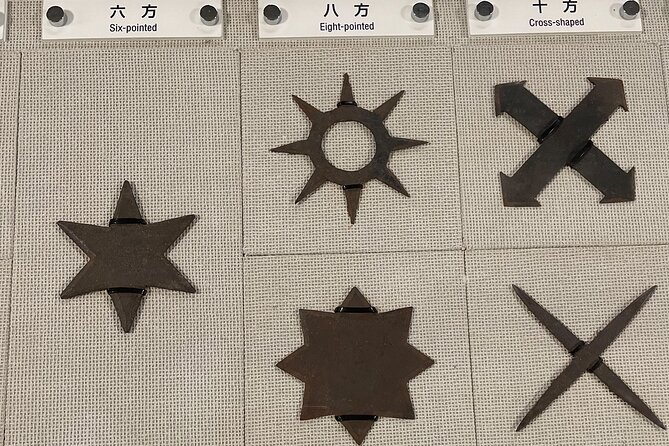
The Koka portion lasts about an hour. Koka is one of the two major historical ninja areas, alongside Iga, and is linked with ninja groups known for herbal mixing skills.
The stop gives the tour a different angle. Iga is the place most strongly tied to the Iga-Ryu name and the authentic house. Koka broadens the story by showing that ninja traditions were not limited to one town or one style. The focus here is on the local expert’s explanation and the hard training associated with the forests around the area.
You should keep your expectations measured. The supplied information does not promise a large museum, a staged battle, or a fixed performance at Koka. Think of it as a short regional history stop that adds context to the main Iga visit.
That short stop may suit you if you prefer a varied route. It may feel brief if you want every minute devoted to weapons, houses, and demonstrations. The private format helps because the guide can explain how the stops connect rather than leaving you to piece the story together yourself.
Shogunzuka Seiryuden and the Kyoto view
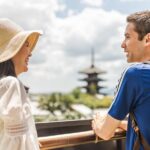
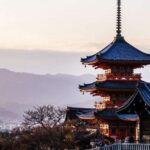
Shogunzuka Seiryuden Temple is allotted about one hour and sits in the mountains behind Gion. It is known as one of Kyoto’s best places for a broad view of the city.
This stop shifts the mood from military history to geography and scenery. From above, you can see how Kyoto sits within its surrounding mountains. That view helps explain why routes into nearby rural areas feel so different from the dense streets around central Kyoto.
The site also has a modern local role. It is popular with young Japanese couples, while its historical background reaches much further back. The tour uses the stop to connect Kyoto’s present-day life with its older traditions.
The timing makes this a welcome pause after the longer drive and historical sites. It is not a ninja attraction, so you should not book this tour expecting every stop to have the same theme. Instead, it gives the day a broader sense of place and ends the route with one of Kyoto’s notable viewpoints.
Other historical tours in Kyoto
What the private vehicle changes
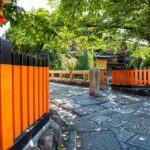
The tour includes direct pickup and drop-off from your hotel, or another agreed location, in one of three major cities. Kyoto is the stated base, and the vehicle is a private, air-conditioned Nissan van for groups of two or more. A Mini Cooper Convertible is available for one guest.
Private transport is a major part of the value. Iga and Koka are outside the compact sightseeing core of Kyoto, and reaching mountain-area attractions by public transport can take more planning. You avoid organizing separate trains, buses, taxis, and transfers, then return directly to your accommodation at the end.
A private van also keeps the day flexible within the tour’s planned route. You are not sharing the vehicle with strangers, and only your own group participates. That is helpful for families, couples, and small groups with different levels of interest in castles, temples, and ninja history.
The tradeoff is that the tour’s value changes with group size. At $257.35 per group of up to six, six people can split the base cost efficiently. A solo guest pays the same group rate, though the smaller vehicle option may make the ride more personal. Add ¥800 for the ninja house and ¥600 for the castle per person.
The guide can make or break the history
Daiki Fukashi is the guide name associated with this experience. He is fluent in English and explains ninja history alongside Japanese culture, geography, and old and modern customs.
That wider range is important. A tour about ninjas can easily become a string of dramatic facts. A guide who places Iga and Koka within Japan’s regional and military past gives you more useful context. You can ask how local geography shaped the groups, how the samurai and ninja worlds overlapped, and how much of the popular image comes from later storytelling.
The strongest praise connected with this tour focuses on Daiki’s enthusiasm and the enjoyment of the drive. That is especially relevant here because the route includes substantial time in the vehicle. A good guide turns the road between Kyoto, Iga, and Koka into part of the experience rather than dead time.
The tour description promises detailed explanations in English, but the exact order of stops may change by season or other circumstances. If you have a must-see priority, tell the operator when booking and confirm what can be scheduled on your date.
Timing, walking, and who should book
The tour starts at 1 p.m. and lasts about six hours. The listed stops account for the full period: one hour at the ninja museum, one hour at the castle, one hour at Shogunzuka, two hours in Iga, and one hour in Koka.
An afternoon departure works well if you want a morning in Kyoto before leaving town. It is less suitable if you prefer an early start, a slow lunch, or a full day at each historic site. The schedule is active, with driving between areas and several short visits rather than one long stay.
Some locations involve stairs and rough ground. Most people can participate, and service animals are allowed, but you should consider your comfort with uneven surfaces before booking.
I would recommend this tour to:
- Families with teenagers who want history presented through physical puzzles and weapons.
- Small groups that value hotel pickup and a private vehicle.
- Visitors who have already seen central Kyoto and want a countryside-oriented excursion.
- Anyone curious about the difference between historical ninja groups and fictional ninja characters.
- People who want a guide-led explanation rather than a self-guided museum visit.
I would be more cautious if your main goal is a guaranteed ninja performance, a long castle visit, or a relaxed full-day pace. The tour is varied and efficient, not leisurely.
Is the $257.35 group price good value?
For a group of up to six, the base price is attractive because it covers the private vehicle, driver-guide service, parking, highway charges, fuel, and direct pickup and drop-off. Those included transport costs matter on a route that leaves Kyoto and reaches two rural ninja regions.
You still need to budget for the two paid attractions. The ninja house costs ¥800 per person, and Iga-Ueno Castle costs ¥600 per person. Shogunzuka Seiryuden, Iga, and Koka are listed with no admission charge.
For six people, the base price works out to roughly $42.90 per person before attraction fees. For two people, it is about $128.68 each before admission. That makes this best value for families or friends who can share the vehicle cost.
The price also buys time and simplicity. You are not only paying to see two attractions. You are paying to connect Kyoto with Iga and Koka in one private outing, with an English-speaking guide handling the route. If you would rather travel independently and only visit one museum, the price may feel high. If you value a focused day with door-to-door transport, it is easier to justify.
Should you book this Iga and Koka tour?
Book it if you want the most direct way to connect Kyoto with real ninja sites, and if your group values a private ride and an English-speaking guide. The authentic house, Iga-Ueno Castle, Koka’s regional context, and the Shogunzuka view create a fuller day than a single ninja museum visit.
Before confirming, ask about the ninja performance schedule and the day’s exact order. Keep ¥600 for the castle and ¥800 for the ninja house per person, wear shoes suited to stairs and rough ground, and remember that the 1 p.m. start means an afternoon and evening outing.
With a 4.8 rating from six recorded ratings and repeated praise for Daiki Fukashi’s explanations and friendly manner, this is a strong choice for a small group that wants history with some theatrical surprises, but it is not the right pick if a live ninja show is non-negotiable.
FAQ
How long does the tour last?
The tour lasts approximately six hours.
What time does the tour start?
The scheduled start time is 1 p.m.
Is hotel pickup included?
Yes. Direct pickup and drop-off are included from your hotel or another agreed location in one of three major cities.
What vehicle is used?
Groups of two or more use a private, air-conditioned Nissan van. A Mini Cooper Convertible is available for one guest.
Are the entrance fees included?
No. Iga-Ueno Castle costs ¥600 per person, and the Iga Ninja House costs ¥800 per person. Shogunzuka Seiryuden Temple, Iga, and Koka are listed with free admission.
Is the tour private?
Yes. Only your own group participates, and the private booking can include up to six people.
Can the itinerary change?
Yes. The itinerary may change or be updated according to the season or other circumstances.
More Historical Tours in Kyoto
More Private Tours in Kyoto
More tours in Kyoto we've reviewed




Historical Tours, compared.
 ★ 5.0World Heritage Kyoto & Nara Uji Authentic Matcha ExperienceFrom $129
 ★ 5.0Kyoto Gion Historical Walking TourFrom $40
 ★ 5.0Historical Kyoto E-Bike TourFrom $99
 ★ 4.9Kyoto: Private 2.5 Hour Historical Walking TourFrom $802 hours
 ★ 4.8From Kyoto: Nara History Guided Half Day Bus Tour with LunchFrom $776 hours
 ★ 4.6Uji: UNESCO Heritage & Tea Ceremony Walking TourFrom $663 hours