
Reviewed · NARA DAY TRIPS
Kyoto: Nara, Todaiji, Kasuga Taisha Shrine Private Full Day
Nara’s greatest pleasure is how quickly the city shifts from busy station streets to open parkland filled with sacred deer. This full-day outing brings together Todaiji’s huge bronze Buddha, Kasuga Taisha’s lantern-lined paths, and the old lanes of Naramachi. I like the private format and the guide’s help with the train, especially if you are not used to Japan’s rail system.
I also like the mix of major sights and slower walking. You get clear cultural context at Kofukuji, Todaiji, and Kasuga Taisha, then time to notice Nara’s quieter details. The catch is that transport and lunch cost extra, and the day includes a fair amount of walking, so it is not a good fit for visitors with mobility, heart, respiratory, or pregnancy-related concerns.
In This Review
- Key points to know before you book
- Why Nara makes a better day trip than a quick stop
- Meeting at Kyoto Station and riding to Nara
- Kofukuji and the story of Nara’s capital
- Meeting Nara’s sacred deer in the park
- Todaiji and the Great Buddha
- Choosing lunch at Kotoya Restaurant
- Kasuga Taisha and its hanging lanterns
- Naramachi’s narrow lanes and merchant houses
- What the $183 price really buys
- Walking, timing, and who should choose it
- Should you book this Nara day trip?
- FAQ
- Where does the tour meet in Kyoto?
- How do I get to Nara?
- Is transportation included in the price?
- Is lunch included?
- Which languages are available?
- How long does the experience last?
- Are entrance fees included?
Key points to know before you book
- The Great Buddha is the day’s main event: Todaiji houses one of Japan’s largest bronze Buddha statues inside an enormous wooden temple hall.
- The deer roam freely: Nara Park’s Sika deer are linked with Shinto beliefs and are treated as sacred messengers.
- Your guide handles the train details: Meet at the 7-Eleven Heart-In by Kyoto Station’s Central Entrance, then get help buying the Nara ticket.
- Lunch is optional, not included: Kotoya Restaurant offers a traditional meal for about JPY 2,500 per person, or you can bring your own food.
- You get a private group: This makes it easier to ask questions, adjust the pace, and choose how much time to spend on photos and explanations.
- Naramachi adds an old-town finish: Its narrow lanes and preserved merchant houses show a quieter side of Nara after the grand temples.
Why Nara makes a better day trip than a quick stop
You can visit Nara independently, but a private day tour gives the city a clear shape. Instead of wandering from the station toward the first temple you see, you follow a route that connects Nara’s imperial past, Shinto traditions, Buddhist art, and old merchant culture.
The city was Japan’s imperial capital at Heijo-kyo before the court moved elsewhere. That fact helps explain the scale of the monuments. Nara was not built as a small temple town. It was created to serve a powerful capital, and Todaiji in particular reflects that ambition.
I would choose this trip if you have one open day in Kyoto and want more than a single temple visit. You see the famous sights, but you also pass through parkland and Naramachi, where the pace drops. The private setting matters here because Nara rewards questions. You can ask why the deer are sacred, how the temples developed, or what makes a merchant house different from a shrine or temple.
The full outing lasts about eight hours. The train ride takes roughly an hour each way, leaving several hours for walking, sightseeing, lunch, and guided visits. That is a long day, but it is a sensible length for Nara. A shorter trip would force you to choose between Todaiji and Kasuga Taisha, and those two sites offer very different experiences.
A few more Kyoto tours and experiences worth a look
Meeting at Kyoto Station and riding to Nara
The day begins at the 7-Eleven Heart-In near the Central Entrance of JR Kyoto Station. Look for a guide wearing a TripGuru shirt or holding a TripGuru sign. The guide assists with buying the train ticket on the day, which is useful if you are unsure which fare or platform you need.
Transportation is not included in the tour price. The stated fare is about JPY 1,280 each way, though a JR Pass can be used. At $183 per person, you should add that rail cost and your lunch budget when comparing the total price with other Nara options.
The train ride takes about one hour. That is not just dead time. It gives your guide a chance to explain the plan, answer early questions, and put Nara’s sites into context before you arrive. It also saves you from arranging the route yourself, though independent visitors can certainly make this journey without a tour.
Because the guide is helping with the ticket, arrive with enough time to find the meeting point. The meeting instructions are simple, but Kyoto Station is large and can feel confusing on a first visit.
Kofukuji and the story of Nara’s capital
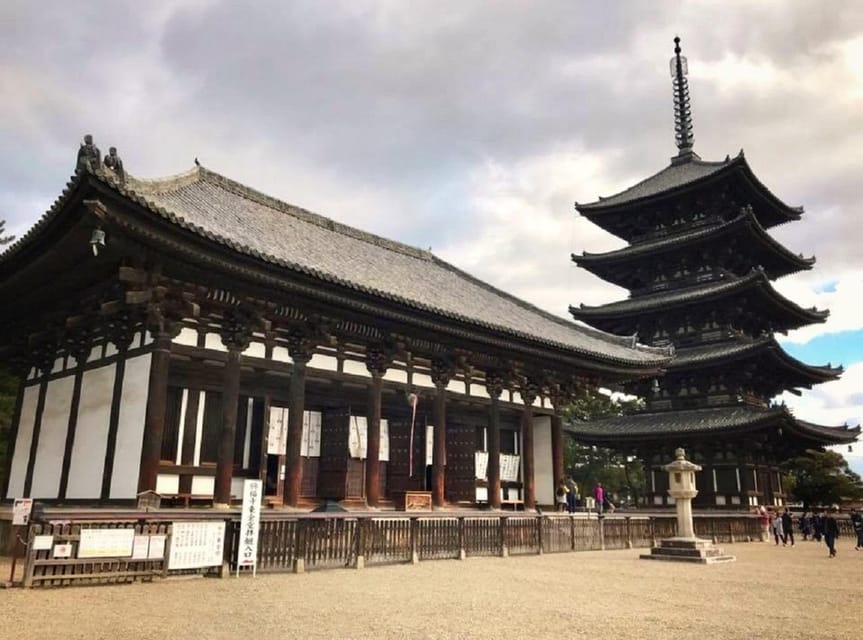
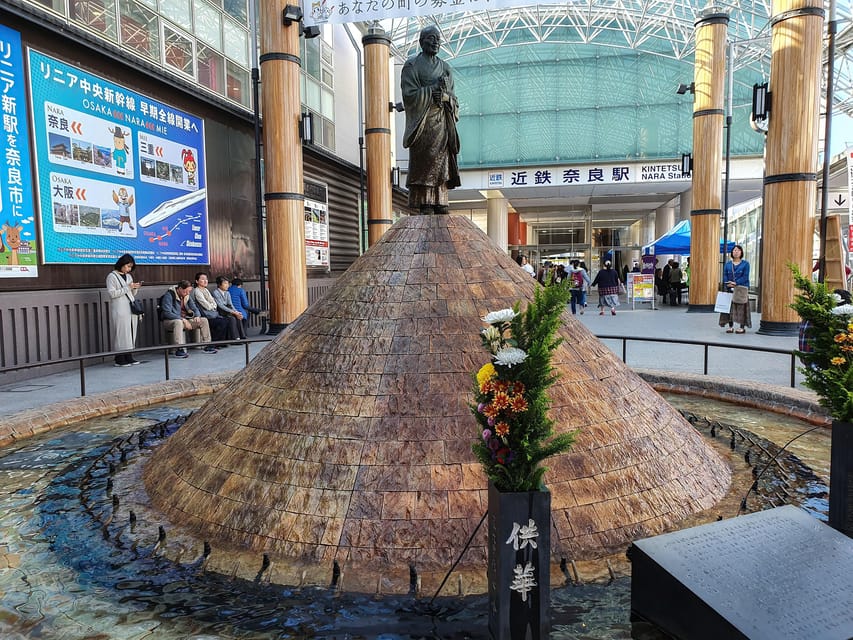
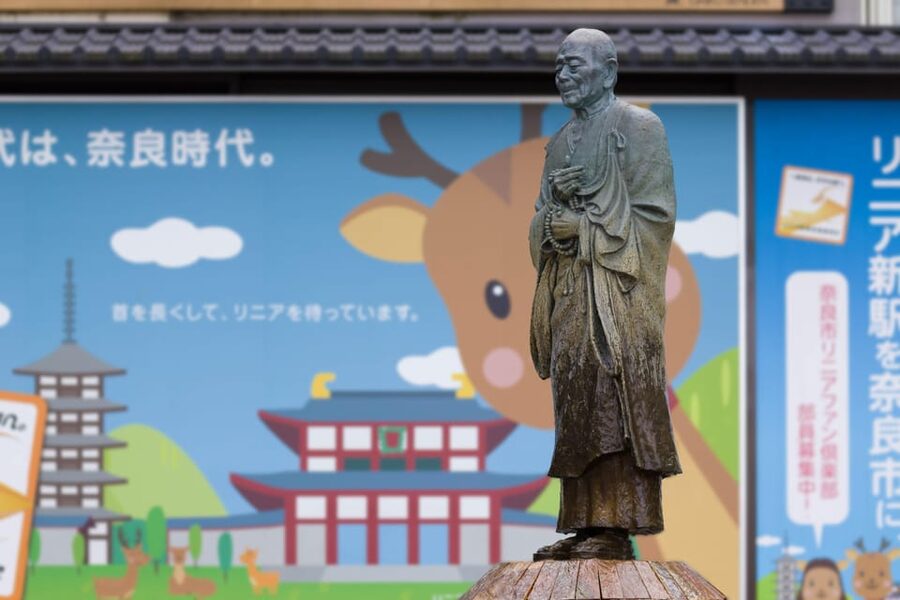
The first stop is the Kofukuji Temple grounds, with about 30 minutes for a guided visit. You also pass the Gyoki Statue, an important marker near the station area.
Kofukuji introduces the political and religious background of Nara. Your guide can connect the temple to the establishment of Heijo-kyo, the imperial capital that helped shape the city. This is a good early stop because it gives meaning to the larger monuments later in the day.
Thirty minutes is enough for an introduction and a look around, but not enough for a full exploration of every building and treasure. Keep your expectations in check. This is a scene-setting visit, not a lengthy temple study.
I like this part of the route because it starts with history before the deer take over your attention. Nara Park is so photogenic that it is easy to forget you are walking through one of Japan’s most important historic centers.
Meeting Nara’s sacred deer in the park
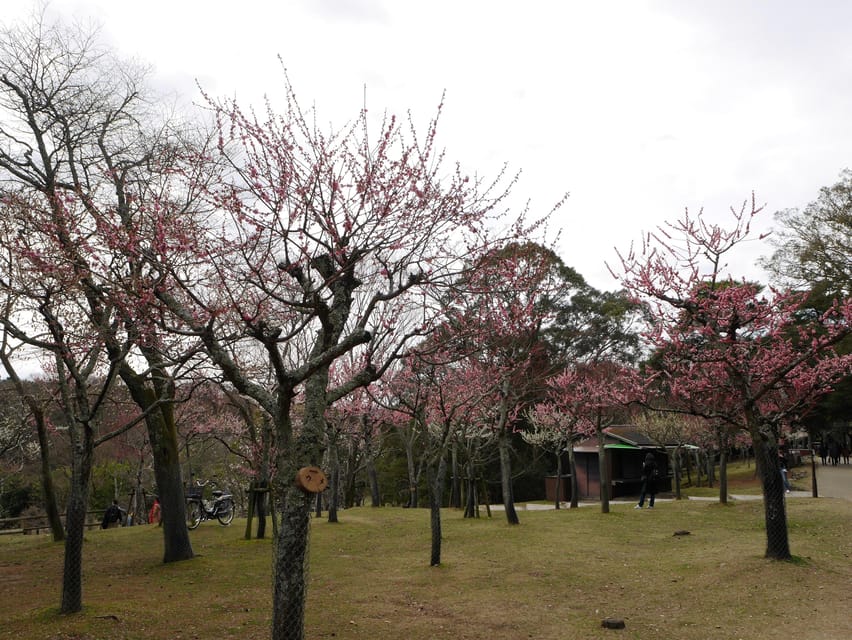
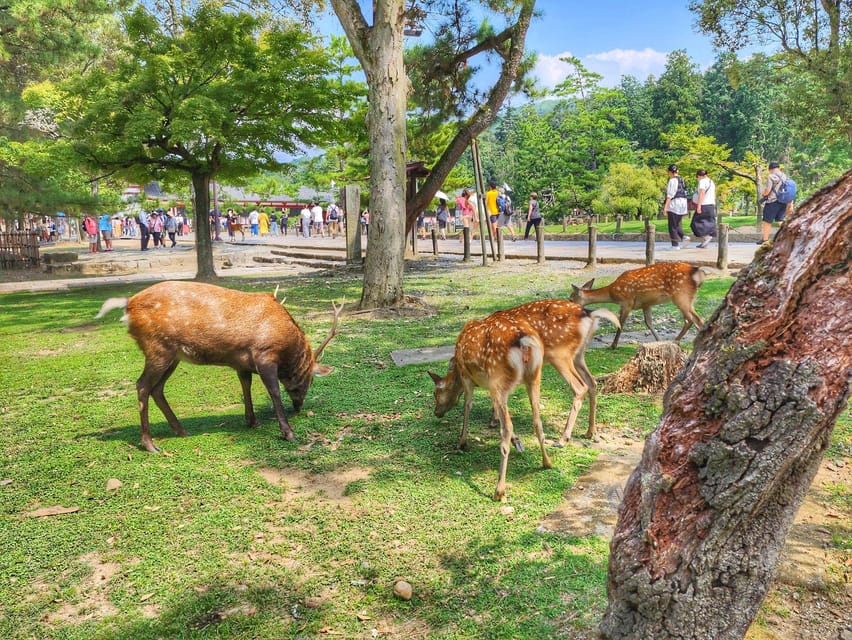
From Kofukuji, you walk into Nara Park. The listed visit is about 15 minutes, though the park also forms part of the walking route between sights. The open lawns and trees provide a welcome break after the station and temple grounds.
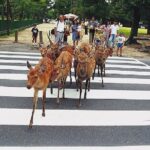
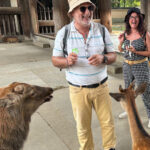
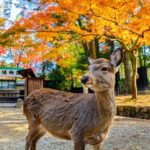
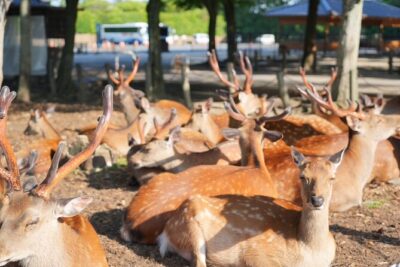
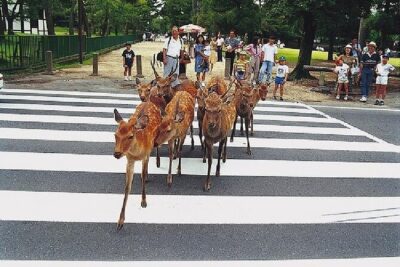
The Sika deer are Nara’s familiar symbol. In Shinto tradition, they are considered sacred messengers of the gods. They roam freely through the park, which makes the encounter feel different from seeing animals behind a fence.
You will want your camera ready, but keep your attention on the animals and your surroundings too. Deer can make the park feel playful and relaxed, yet this is still a public space with moving animals and many people. Your guide can help explain the local beliefs connected with them.
The short scheduled visit means this is not an animal-focused tour. The deer are one part of a larger cultural day. If your main goal is to spend hours taking photos with them, you may find the timing limited. If you want the deer as a memorable link between Nara’s religious traditions and daily life, the stop works well.
Todaiji and the Great Buddha
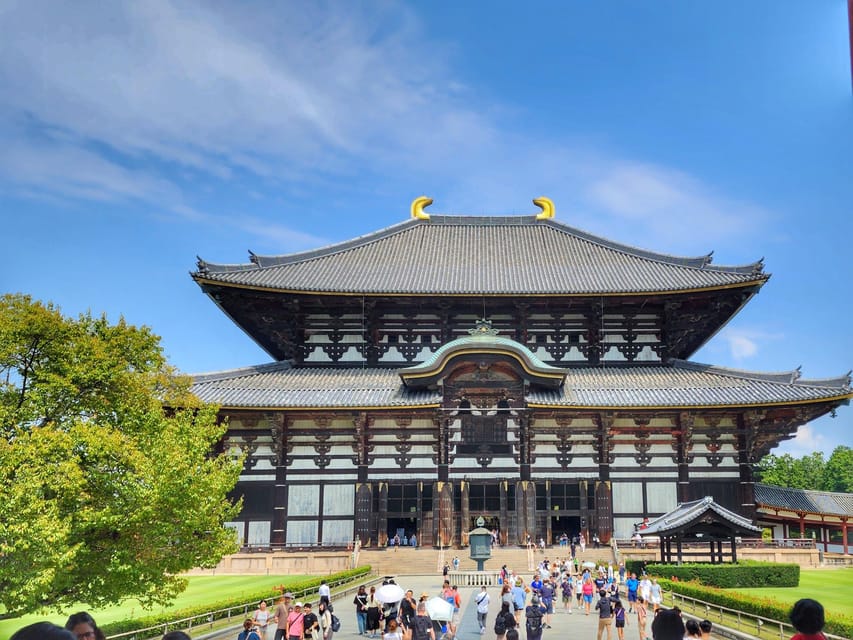
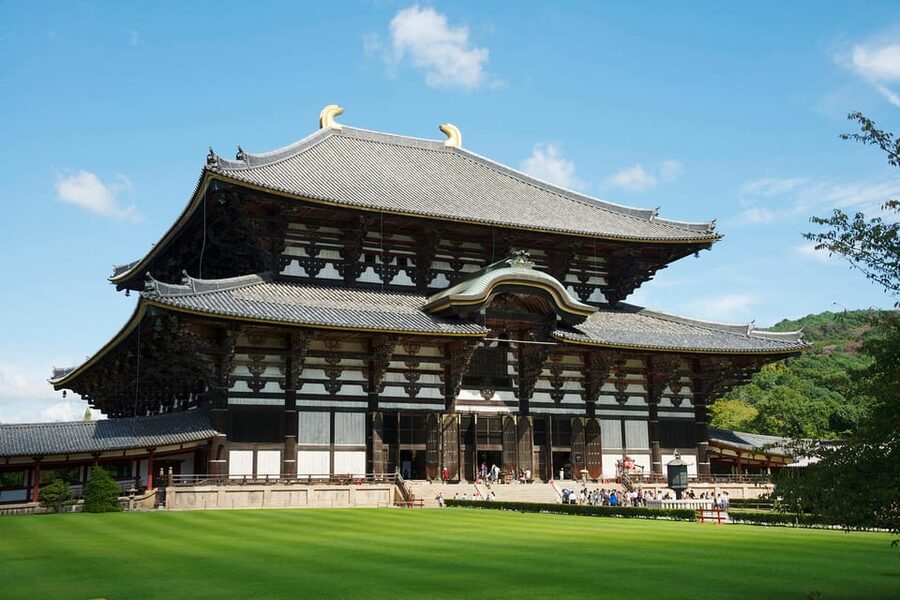
Todaiji is the emotional center of the outing. The guided visit lasts about an hour, and the temple is included in the entrance fees. It is also a UNESCO World Heritage Site, so this is not a minor stop tucked between other attractions.
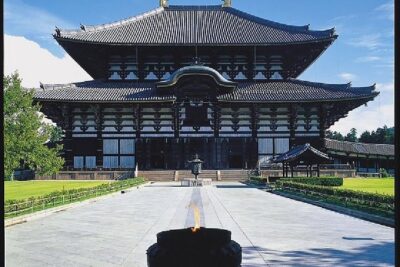
Inside, you see the Great Buddha, or Daibutsu, one of Japan’s largest bronze Buddha statues. The scale is the point. The statue and the vast wooden hall are designed to make you stop, look up, and consider the resources needed to build such a monument.
A guide adds real value here. Without context, you might simply see a large Buddha in a large building. With a good explanation, you can better understand why Todaiji was built, how it relates to Nara’s former role as capital, and why the temple remains such a major part of Japan’s cultural identity.
The one-hour visit gives you time to see the main hall and hear the essential background without turning the day into a detailed architectural study. If you enjoy taking your time with religious art, you may wish the schedule allowed longer. Still, the private format lets you ask questions rather than just follow a flag through the building.
Several guides named in the supplied booking feedback received especially warm praise for clear explanations and helpful service. Akiko was described as friendly, flexible, and helpful. Naoki was praised for attentive kindness and clear explanations. Gustavo was singled out for explaining history, traditions, and Japanese culture in an understandable way. Other named guides included Vincent and Alex. Guide assignments can change, so book this for the private format and language choice rather than expecting one particular person.
Other private tours in Kyoto
Choosing lunch at Kotoya Restaurant
Lunch is scheduled for about one hour at Kotoya Restaurant. The traditional Japanese meal is optional and costs around JPY 2,500 per person. It is not part of the $183 tour price.
This arrangement gives you useful flexibility. If you want to sample local Nara specialties in a sit-down setting, Kotoya is the easy choice. If you are watching your budget or have dietary needs, you can bring your own food instead. Snacks are included, but they should not be treated as a full lunch.
The one-hour break also prevents the day from becoming a nonstop march between monuments. Use it to rest your feet and talk with your guide about what you have seen. If the meal matters to you, confirm the details when booking or before departure, since the provided information does not list a specific menu.
For value, remember that the optional meal and rail tickets add to the advertised price. The tour is not the cheapest way to reach Nara, but part of what you are paying for is the guide’s time, private attention, entrance fees for Todaiji and Kasuga Shrine, and a prepared route.
Kasuga Taisha and its hanging lanterns
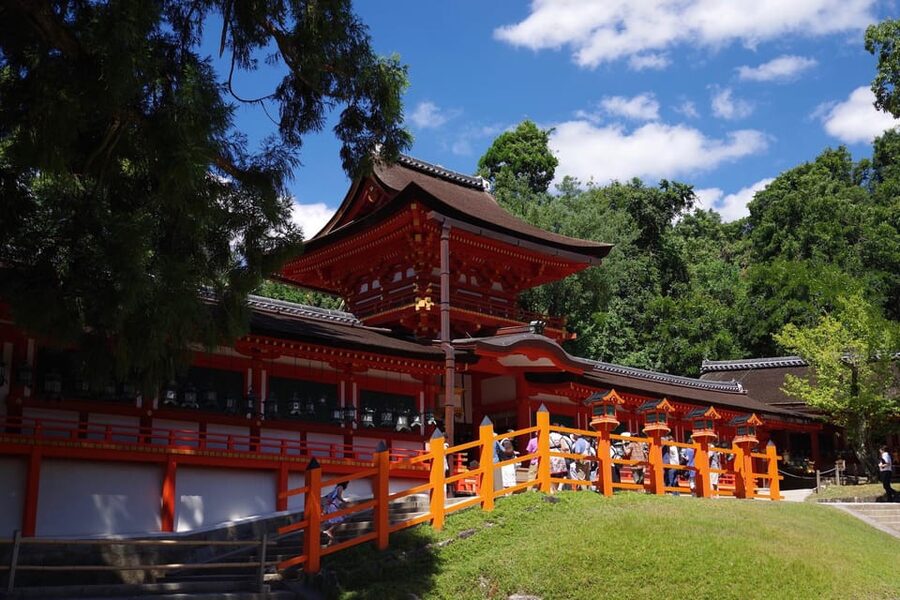
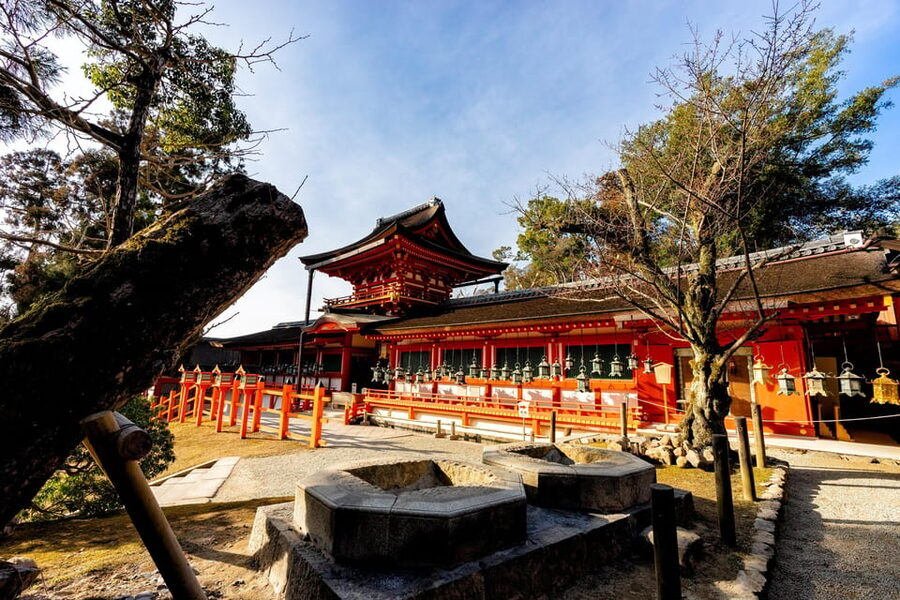
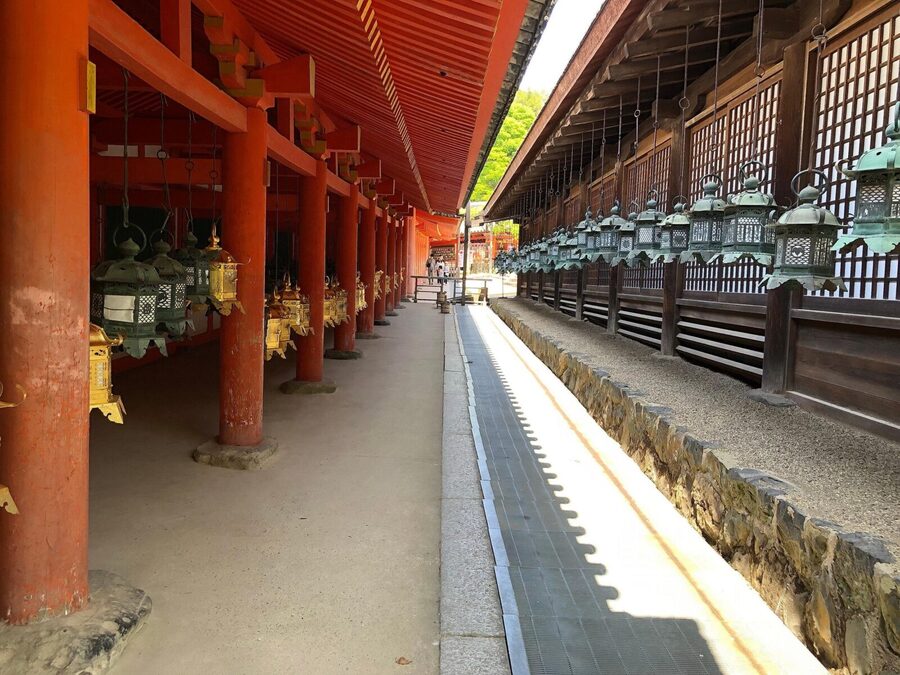
After lunch, the tour continues to Kasuga Taisha, with about an hour for a guided visit. The shrine is known for its thousands of hanging lanterns, which give the grounds a distinct mood from Todaiji’s grand Buddhist hall.
Kasuga Taisha shows you a different side of Nara’s religious life. Todaiji presents monumental Buddhist architecture and sculpture. Kasuga Taisha brings you into a Shinto setting shaped by shrine buildings, wooded paths, and lanterns.
The hour-long visit is well used if you want your guide to explain the shrine’s traditions and visual details. Take time to notice the lanterns rather than rushing only toward the main buildings. Their repetition is part of the experience.
This stop may be less immediately dramatic than the Great Buddha, especially if you visit during daylight and the lanterns are not lit. Still, it gives the day balance. You are not seeing Nara only as a collection of large tourist sights. You are seeing how Buddhist and Shinto traditions occupy different but connected places in the city.
Naramachi’s narrow lanes and merchant houses
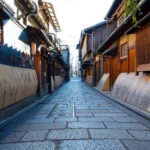
The final sightseeing stop is Naramachi, where you spend about an hour. This old district is known for narrow streets and well-preserved traditional merchant houses associated with the Edo period.
Naramachi is a good ending because it brings the scale down. After the broad park and enormous religious buildings, you walk through a neighborhood shaped by ordinary commerce and homes. The old lanes offer a glimpse of how urban Nara looked and functioned outside the imperial and temple compounds.
I would use this hour for a slower walk and questions. Ask your guide about the merchant houses, the district’s role in Nara, and the details you might otherwise pass without noticing. The supplied information does not promise entry into particular homes or shops, so think of Naramachi as a guided neighborhood visit rather than a series of guaranteed interior tours.
The route then returns by train to the same Kyoto Station meeting point. The return journey takes about an hour, so expect to reach Kyoto after a full day rather than in the early afternoon.
What the $183 price really buys
At $183 per person, this is a premium day trip, especially once you add roughly JPY 2,560 for round-trip train travel and about JPY 2,500 if you choose the Kotoya lunch. The total can be much higher than an independent visit using local trains and self-guided notes.
The value comes from private guiding, not from transportation alone. Your guide handles the train-ticket process, provides explanations in English, French, or Spanish, and takes you through a carefully ordered set of sights. Entrance fees for Todaiji and Kasuga Shrine are included, as are snacks.
For a solo visitor, the price may feel hard to justify. For a couple, family, or small private group that wants personal explanations and a simple day plan, it can make more sense. The ability to ask questions throughout the day is especially useful if this is your first visit to Japan.
I would compare the cost against your priorities. Choose this tour if your time is limited, you value cultural background, and you do not want to manage rail tickets and directions. Skip it if you prefer a loose schedule, want to spend hours at one temple, or are comfortable arranging Nara on your own.
Walking, timing, and who should choose it
Wear comfortable shoes. The day combines train platforms, temple grounds, park paths, shrine approaches, old-town lanes, and several hours of sightseeing. The itinerary is a reference rather than a fixed promise, so timing can change.
Bring cash for the train fare, optional lunch, and personal spending. A camera is useful, but so is leaving some room in your bag and schedule for small purchases or snacks.
This experience is best for visitors who can manage a full day on foot. It is not suitable for pregnant women or people with mobility impairments, heart problems, or respiratory issues, according to the activity details. If that applies to you, ask the operator directly before booking rather than assuming the private format can solve every physical demand.
The private group setup is a strong point for families and friends. You can ask for simpler explanations, spend more time on photography, or move through a site at a pace that suits your group. The activity also offers free cancellation up to 24 hours in advance and a reserve-now, pay-later option, which helps if your Kyoto plans are still shifting.
Should you book this Nara day trip?
Book it if you want a well-guided first visit to Nara with the city’s main cultural sights in one day. Todaiji, the deer, Kasuga Taisha, and Naramachi make a satisfying combination, and the private guide helps turn separate stops into one understandable story.
The strongest reason to choose it is the guide service. Past guide names such as Akiko, Naoki, Gustavo, Vincent, and Alex received praise for friendly help, clear explanations, flexibility, and cultural insight. That kind of personal attention can make Japan easier to navigate.
Do not book it expecting an inexpensive outing or a slow, unstructured day. You pay extra for the guide, and train tickets and lunch are separate. If you are comfortable with public transport and want maximum freedom, go independently. If you want the logistics handled and prefer learning as you walk, this is a practical and rewarding use of a Kyoto day.
FAQ
Where does the tour meet in Kyoto?
Meet at the 7-Eleven Heart-In near the Central Entrance of JR Kyoto Station. Look for a guide wearing a TripGuru shirt or holding a TripGuru sign.
How do I get to Nara?
You travel by express train from Kyoto to Nara. The guide assists with purchasing the train ticket on the day of travel.
Is transportation included in the price?
No. The stated train fare is about JPY 1,280 each way. A JR Pass can be used.
Is lunch included?
No. You can choose a traditional lunch at Kotoya Restaurant for around JPY 2,500 per person or bring your own food.
Which languages are available?
The live tour guide may speak English, French, or Spanish.
How long does the experience last?
The full experience lasts about eight hours, including the train journey to Nara and the return trip to Kyoto.
Are entrance fees included?
Entrance fees for Todaiji Temple and Kasuga Shrine are included. Personal expenses are not included.
More Full-Day in Kyoto

More Private Tours in Kyoto
More Nara Day Trips in Kyoto
More tours in Kyoto we've reviewed





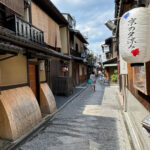
Nara Day Trips, compared.
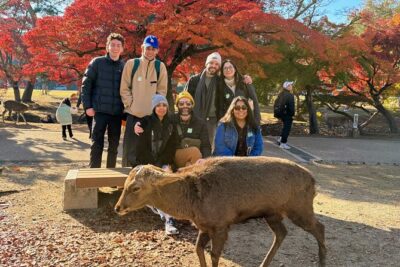 ★ 5.0World Heritage Kyoto & Nara Uji Authentic Matcha ExperienceFrom $129
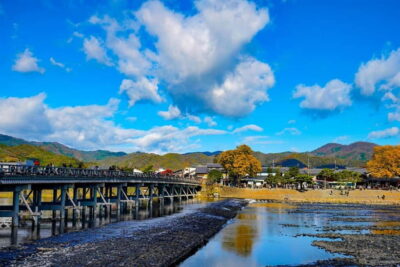 ★ 4.7Kyoto/Osaka: Nara, Fushimi Inari Taisha, Arashiyama Bus TourFrom $529 - 10 hours
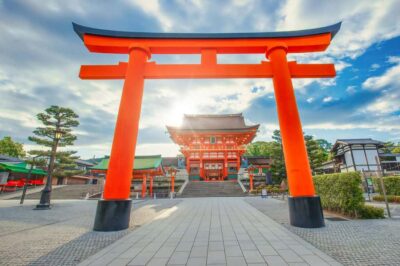 ★ 4.4Osaka/Kyoto: Arashiyama, Nara & Fushimi Inari Shrine w/LunchFrom $61
 ★ 5.0Nara Early Morning Tour (Kyoto or Osaka Departure Available)From $61
 ★ 4.5Kyoto and Nara Day Trip from KyotoFrom $194
 ★ 4.5Nara Afternoon Tour from Kyoto or OsakaFrom $102