
Reviewed · ARASHIYAMA & BAMBOO TOURS
Arashiyama from Kyoto: Private & Personalized with a Local Guide
Arashiyama is much more than its famous bamboo grove. This six-hour private walk can take you from the crowded bamboo paths to quiet moss gardens, hillside temples, a villa with mountain views, and a monkey park high above Kyoto. Your guide shapes the day around your interests, pace, and energy.
I like the personal itinerary, which lets you spend longer on temples, family-friendly stops, food, or lesser-known lanes. I also like that admission to four of five temples, Okochi Sanso Villa, and Monkey Park Iwatayama is included. The catch is simple: this is a serious walking day, and the monkey park requires a steep uphill climb.
In This Review
- Key points to know before booking
- Why a private Arashiyama day can work so well
- The bamboo grove: beautiful, famous, and often busy
- Okochi Sanso Villa and the reward of its gardens
- Jojakko-ji and the Ogura Mountain climb
- Tenryu-ji, Kyoto Zen at its grandest
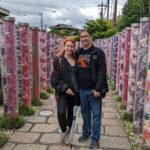
- Otagi Nenbutsu-ji and its 1,200 expressive statues
- Gio-ji and the quieter side of Arashiyama
- Daikaku-ji and the Tale of Genji
- Monkey Park Iwatayama: excellent views, steep legs
- What six hours really feels like on foot
- Price, private value, and what is not covered
- Who will enjoy this Arashiyama tour most
- Should you book this private Arashiyama day?
- FAQ
- How long does the Arashiyama private tour last?
- Is this a private activity?
- What attractions are included?
- Is transportation included?
- Where does the tour start and finish?
- Can the itinerary be customized?
- Is hotel pickup available?
- Is Monkey Park Iwatayama difficult to reach?
- Can I cancel for a full refund?
Key points to know before booking
- Four temples are included: Choose four from Tenryu-ji, Jojakko-ji, Gio-ji, Otagi Nenbutsu-ji, and Daikaku-ji.
- The guide can change the route: Past guide names include Alex, Vanessa, Ada, Shingo, Bita, Brenda, and Dairyn. Your assigned host may differ.
- The bamboo grove gets crowded: Early timing gives you the best chance of a calmer walk.
- Monkey Park is a workout: The climb is steep and can feel like walking up a very tall building.
- It is private, not vehicle-based: Your group walks, with public transit or taxis used between sites if needed and paid separately.
- Families can do well here: Guides have adjusted routes for young children, teenagers, autism, vegetarian dining needs, and limited mobility.
Why a private Arashiyama day can work so well
Arashiyama sits at the western edge of Kyoto, where the city gives way to wooded hills and the Hozu River area. Its headline sights are famous for good reason, but the district is large enough that a rushed visit can feel like a parade from one photo stop to the next.
A private guide changes that rhythm. You can ask questions as they come up, stop for pictures, skip a site that does not suit you, or trade a busy path for a quieter shrine. Guides such as Alex have been praised for keeping teenagers interested, while guides including Vanessa, Brenda, and Dairyn have adjusted the day for children and family schedules.
The pre-tour questionnaire matters here. You can tell the company if you care most about Japanese Buddhism, gardens, local food, historic fiction, family activities, or quiet corners. Your host then contacts you directly to discuss the route.
That flexibility is the heart of the experience. It also means you should not expect a fixed, identical tour each time. One guide may prioritize Tenryu-ji and the bamboo grove. Another may lead you toward Adashino Temple, small shrines, or lesser-known lanes if crowds or rain make the standard route less appealing.
A few more Kyoto tours and experiences worth a look
The bamboo grove: beautiful, famous, and often busy
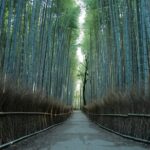
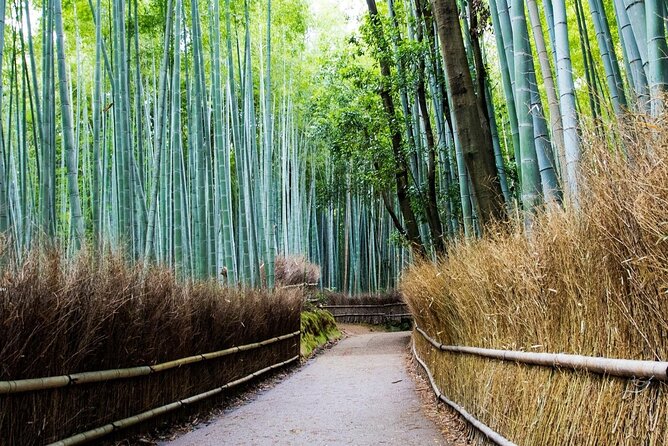
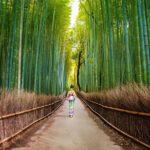
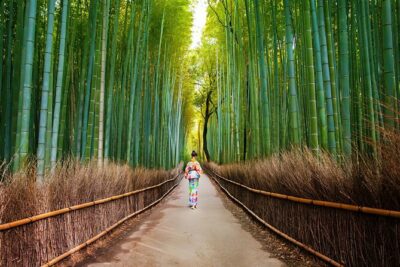
The Bamboo Grove is the obvious starting point for many Arashiyama visits. Tall stalks crowd both sides of the path, filtering the light and giving the walk a distinct, almost otherworldly feel. It is one of Kyoto’s essential sights, but it is not a quiet secret.
You may find heavy crowds, especially later in the day. One practical tip matters more than any poetic description: choose an early departure if the bamboo is a priority. Even then, you should expect other people and limited places to sit. This is a path for walking and photographs, not a garden bench where you linger for an hour.
A guide helps by explaining how the bamboo fits into Arashiyama’s cultural setting, then moving you beyond the main corridor. In wet weather, Ada has adjusted the plan toward lesser-known shrines and historic places rather than forcing a soggy walk through the grove. That is a useful sign of a private tour done properly: the famous sight is important, but it does not have to control the whole day.
Okochi Sanso Villa and the reward of its gardens
Okochi Sanso Villa is one of the strongest parts of the package. This former home and garden belonged to actor Denjiro Okochi and is recognized as a national cultural property. The setting on the hillside brings together traditional architecture, carefully arranged gardens, and views across Arashiyama.
The villa gives you a calmer counterpoint to the bamboo path. Instead of simply passing through a famous public route, you get a more composed garden visit with time to notice the relationship between buildings, plants, and the surrounding hills.
It is also one reason the price is easier to justify. Admission is included, and the villa adds a substantial cultural stop rather than another quick photo opportunity. The exact amount of time spent here depends on your host and priorities, so tell your guide if gardens matter more to you than squeezing in every temple.
Jojakko-ji and the Ogura Mountain climb
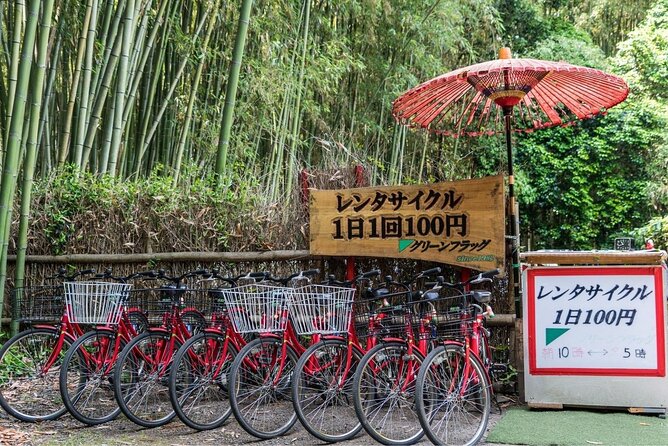
Jojakko-ji is tucked into the slopes of Ogura Mountain. The temple is known for moss-covered gardens and a twelve-meter pagoda, with broad views over Arashiyama from higher ground.
This stop shows why a private route is useful. You can take your time with the garden, ask about the temple’s design, and pause for the view rather than treating it as a box to check. The slopes also add physical effort, so the visit is better for you if you are comfortable with uneven paths and uphill walking.
The day’s walking pace can be adjusted. Milos, one of the guides named in the feedback, was praised for allowing an older guest to set the pace. Hide also helped a participant with a sprained ankle. Those examples do not guarantee a particular guide, but they show what you should discuss before the tour if stairs, hills, or distance are concerns.
Tenryu-ji, Kyoto Zen at its grandest
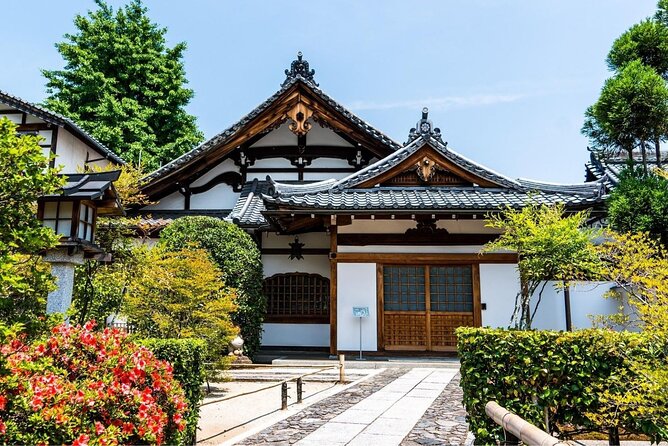
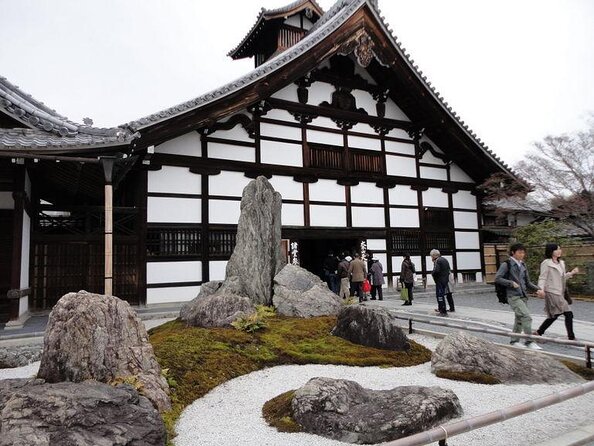
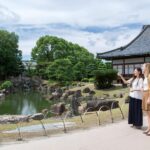
Tenryu-ji is a UNESCO World Heritage site and one of Kyoto’s five major Zen temples. Its garden is the main draw, with pond, trees, rocks, and mountain scenery arranged in the classic Japanese style.
This is the temple where a guide can add real value. You can ask about Zen practice, temple architecture, garden composition, and the role of Tenryu-ji in Kyoto’s religious life. Without context, you may simply see a lovely pond and a well-kept garden. With a good explanation, the design becomes easier to read.
Tenryu-ji is also one of the busier Arashiyama stops. A guide cannot remove the crowds, but can help you understand what deserves your attention and how to connect it with the rest of the route. If your main interest is gardens and major cultural sites, choose Tenryu-ji among your four included temples.
Other guided tours in Kyoto
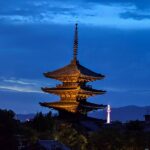
Otagi Nenbutsu-ji and its 1,200 expressive statues
Otagi Nenbutsu-ji sits on the outer edge of Arashiyama and feels very different from Tenryu-ji. Its grounds contain more than 1,200 stone rakan figures, each with its own expression and pose.
This is the tour’s most playful temple stop. The statues are not identical, solemn figures lined up in perfect rows. Their odd faces and varied details make the visit memorable, especially for children and teenagers who may tire of formal temple halls.
The distance from the district’s central sights is part of the appeal. You get away from the busiest circuit and see a more unusual side of Arashiyama. The tradeoff is time: reaching the outer temple may require extra walking or local transport, and the day has only about six hours.
Gio-ji and the quieter side of Arashiyama
Gio-ji is one of the five temple choices included in the experience. Its appeal is its small scale and mossy setting, which offer a gentler, more intimate temple visit than the grand grounds of Tenryu-ji.
If you like gardens, stillness, and atmospheric lanes, Gio-ji may be a better fit than trying to visit every major site. It can also pair well with Okochi Sanso Villa or Jojakko-ji for a day focused on moss, gardens, and hillside scenery.
You should not assume the route will include all five temples. Admission is provided for four of these five: Tenryu-ji, Jojakko-ji, Gio-ji, Otagi Nenbutsu-ji, and Daikaku-ji. Discuss your choices with the host before the day so you do not spend valuable walking time deciding on the spot.
Daikaku-ji and the Tale of Genji
Daikaku-ji is a former imperial villa that later became a temple. Its history links to Japan’s court culture and to The Tale of Genji, often described as the world’s first novel.
The large pond garden and imperial connection make this a good choice if you prefer court life, literature, and formal Japanese culture over novelty or wildlife. Ask your guide about the literary links and the site’s earlier role as an imperial residence.
Daikaku-ji is also farther from the central bamboo area than Tenryu-ji. That distance can be worthwhile, but it reinforces an important point: this is not a route where every stop fits comfortably without planning. Your guide may use public transportation or a taxi between sites, but those costs are not included.
Monkey Park Iwatayama: excellent views, steep legs
Monkey Park Iwatayama is a highlight for many people, especially families. Japanese macaques roam freely in their natural setting, and the climb ends with views across Kyoto.
The climb is the part you need to take seriously. It is steep, and one account compared the effort to walking up roughly forty stories. You will want comfortable shoes, water, and a willingness to slow down. If anyone in your group has knee, ankle, or heart concerns, tell the host before the tour.
At the top, your guide can explain how to behave around the macaques. Follow the rules closely. These are wild animals, not petting-zoo performers. The park also gives children and teenagers a change of pace after several temples, and guides have adjusted the day to spend more time there when young visitors were especially interested.
The view is part of the payoff. You look back toward Kyoto from the hillside, making the park both a wildlife stop and a useful way to understand the city’s setting.
What six hours really feels like on foot
Six hours sounds generous, but Arashiyama covers ground. You will walk through the bamboo area, temple lanes, garden paths, and at least one steep hill. One account described the tour plainly as a lot of walking in large crowds, while another praised the guide for keeping the pace manageable.
That is the fair reading: the tour is flexible, but it is not easygoing sightseeing from a private car. Transportation is not included. Public transit or local taxis may be used between sites, with the cost discussed after booking and paid separately.
The meeting point is outside the Mister Donut shop in the JR Kyoto Station Building. The experience ends back at that meeting point. One guide met a group at its hotel, but you should confirm any alternative pickup arrangement with the host rather than assume hotel pickup is automatic.
Wear shoes with good grip. Keep some room in your schedule after the tour if your group walks slowly or wants lunch. Food and drinks are not included, although guides have helped families find ramen, markets, snack shops, and vegetarian options.
Price, private value, and what is not covered
The listed price is $288.17 per person. That is a serious amount for a six-hour walking tour, particularly if you are traveling alone or as a couple. The value improves for a family or small group because the private format gives you a guide focused only on your party, and group discounts may be available.
You are paying for more than admission tickets. The package includes a personalized host, four temple admissions, Okochi Sanso Villa, and Monkey Park Iwatayama. It also gives you direct contact before the day, which can save planning time when Arashiyama is only one part of a short Kyoto visit.
Still, calculate the extras. Transport between sites, food, drinks, bicycle rentals, and any additional attraction tickets are not included. Gratuities are optional. If you are comfortable planning trains, temple tickets, and the bamboo grove yourself, a self-guided day will cost less.
I see the best value for families, first-time Kyoto visitors, and anyone with only one full day in the city. You get local context and a route that can bend around children, weather, food needs, or mobility limits. Independent visitors who enjoy researching temple hours and transit may prefer to spend the money elsewhere.
Who will enjoy this Arashiyama tour most
This experience suits you if you want a private day with room to ask questions and change plans. It works especially well for:
- Families with young children or teenagers
- Visitors who want temples and nature in one day
- People interested in gardens, Buddhism, Japanese literature, or local neighborhoods
- Guests who want help finding food or quieter places
- Anyone who dislikes large fixed-group tours
- Visitors with limited Kyoto time who want one organized day
It is less suitable if you want a vehicle, dislike hills, or hope for a slow morning with very little walking. It is also not ideal if the bamboo grove must be empty and silent. Arashiyama is popular, and no guide can promise solitude at its most famous path.
The experience has a 4.7 rating from 45 ratings, with 93 percent recommending it. The strong pattern is clear: guide quality and flexibility make the day. The weak points are also clear: one booking failed because the guide did not arrive, and one participant found the assigned host short on site knowledge. Those problems appear uncommon in the available feedback, but they are worth acknowledging because a private tour depends heavily on the person assigned to you.
Should you book this private Arashiyama day?
Book it if you want Arashiyama explained, not just photographed. The best version combines the bamboo grove with Okochi Sanso Villa, Monkey Park, and temples such as Jojakko-ji or Otagi Nenbutsu-ji, giving you variety and a break from the main tourist path.
Before booking, be honest about your walking ability and tell the host your priorities. Ask for an early start if the bamboo grove matters most. If your children need movement and novelty, make Monkey Park a priority. If you love gardens, select Tenryu-ji, Gio-ji, and Jojakko-ji. If literature and imperial culture interest you, ask about Daikaku-ji.
At $288.17 per person, this is not the bargain choice. It is a convenience and context choice. For a private group that values a flexible route, patient pacing, and local help, it can be a worthwhile Kyoto splurge. For confident independent planners, the same district is possible on your own for far less.
FAQ
How long does the Arashiyama private tour last?
The tour lasts approximately six hours.
Is this a private activity?
Yes. Only your group participates in the activity.
What attractions are included?
Admission is included for four of five temples: Tenryu-ji, Jojakko-ji, Gio-ji, Otagi Nenbutsu-ji, and Daikaku-ji. Admission to Okochi Sanso Villa and Monkey Park Iwatayama is also included.
Is transportation included?
No. This is mainly a walking tour. Public transportation or local taxis may be used between sites, but those costs are additional.
Where does the tour start and finish?
The meeting point is Mister Donut in the JR Kyoto Station Building. The activity ends back at the meeting point.
Can the itinerary be customized?
Yes. After booking, you receive a questionnaire about your interests and preferences. Your host contacts you to plan a route suited to your style.
Is hotel pickup available?
Pickup is offered, and one reported itinerary included a guide meeting the group at a hotel. Confirm the exact pickup location with your host after booking.
Is Monkey Park Iwatayama difficult to reach?
The park requires a steep uphill walk. Plan for a demanding climb and tell your host in advance about mobility concerns or injuries.
Can I cancel for a full refund?
Yes. You can cancel at least 24 hours before the local start time for a full refund. Cancellations or changes made less than 24 hours before the start time are not accepted for a refund.
More Private Tours in Kyoto
More Guided Tours in Kyoto
More Arashiyama & Bamboo Tours in Kyoto
More tours in Kyoto we've reviewed










Arashiyama & Bamboo Tours, compared.
 ★ 4.8Kyoto: Fushimi Inari, Kinkakuji, Bamboo Grove 1 Day Bus TourFrom $122510 minutes - 9 hours
 ★ 4.1Osaka/Kyoto:Kinkakuji,Arashiyama,FushimiInariShrine,NaraParkFrom $66
 ★ 4.7Kyoto/Osaka: Nara, Fushimi Inari Taisha, Arashiyama Bus TourFrom $529 - 10 hours
 ★ 5.0Kyoto Arashiyama Walking Tour: Bamboo, Monkeys, Gardens & SecretsFrom $65
 ★ 4.8Arashiyama Bamboo, Temple, Monkeys, or Secret Sake BreweryFrom $875 hours - 330 minutes
 ★ 4.4Osaka/Kyoto: Arashiyama, Nara & Fushimi Inari Shrine w/LunchFrom $61