
Reviewed · GION & GEISHA WALKS
Carefree Private Exploration of Fushimi Inari, Gion, Kiyomizudera, and More
Fushimi Inari’s thousands of red torii gates are the star here, but this four-hour private walk gives you much more than a quick shrine visit. You’ll connect southern Higashiyama with Gion, Kodaiji, Yasaka Pagoda, and Kyoto’s old pilgrimage lanes, with an English-speaking guide to explain the customs and stories along the way.
I like the private format, since your guide can adjust the pace and answer the questions that matter to your group. I also like that temple admissions and the train from Fushimi Inari to Gion are included, so the $129 price is easier to judge up front. The catch is simple: this is a serious walking tour, with hills, steps, and little shade in places. One group found the heat hard and wanted more water breaks.
In This Review
- Key points to know before you book
- Why this Kyoto route works so well
- Starting under Fushimi Inari’s red torii
- From Inari Station to Gion by train
- Yasui-Konpiragu and the famous power stone
- Yasaka Pagoda and the old Higashiyama streets
- Kodaiji gives the walk room to breathe
- What the private guide adds
- The walking challenge is real
- Who will get the most from this tour
- Practical details and price value
- Should you book it?
- FAQ
- How long does the private Kyoto tour last?
- Where does the tour begin?
- Where does the tour end?
- Is the tour private?
- Is transportation included?
- Are temple and shrine admission fees included?
- Is food included?
- Is the tour suitable for people with limited mobility?
- What is the cancellation policy?
Key points to know before you book
- Fushimi Inari gets the full opening act: You spend about 75 minutes beneath the famous red torii and on the lower mountain paths.
- The private guide changes the pace: Your group alone participates, and itinerary changes can be requested in advance.
- Gion is more than geisha lore: You pass Hanamikoji Street and the Kabuki theater while learning how Kyoto’s entertainment quarter works.
- Kodaiji offers a quieter temple stop: The 45-minute visit gives you time for gardens, buildings, and the mausoleum connected with Toyotomi Hideyoshi.
- The route is uphill and active: Sannenzaka, Ninenzaka, shrine paths, and temple grounds require moderate fitness.
- Families get a price break: The first child age 12 or younger is free, with lower rates for additional children.
Why this Kyoto route works so well
Kyoto can feel like a pile of disconnected landmarks. One shrine is in the south, one temple is east, and Gion sits between them with a maze of lanes. This tour solves that problem by linking several major sights into one walk, with the train ride from Fushimi Inari to Gion providing a useful bridge between the two areas.
You begin at Inari Station, beside Fushimi Inari Taisha. From there, the route moves north through the eastern side of Kyoto. It finishes back at the starting meeting point, although the supplied schedule does not spell out the return transportation. Ask your guide how the return works when you meet.
The experience costs $129 per person and runs about four hours. For a private activity, that price includes entrance fees and the train fare between Fushimi Inari and Gion. You still pay for food and drinks, and taxis are not included, though one can be requested if needed. The value is strongest when two or more people share the attention of one guide and want cultural context instead of simply following a map.
A few more Kyoto tours and experiences worth a look

Starting under Fushimi Inari’s red torii
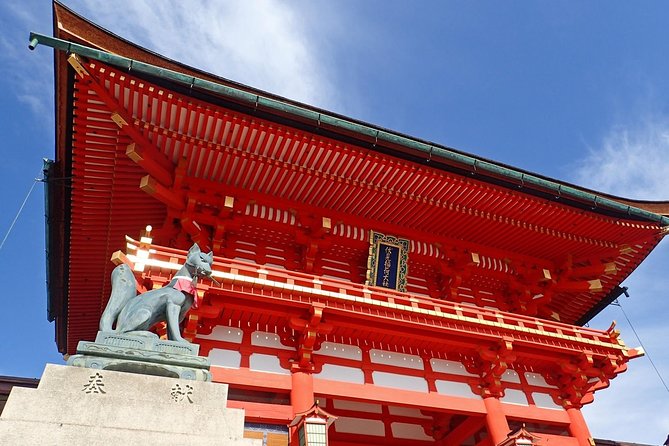
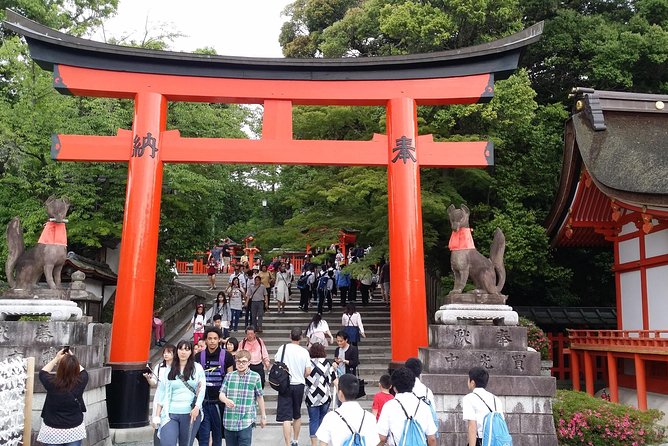
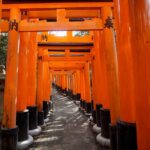
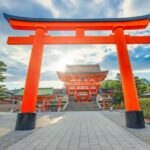
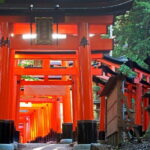
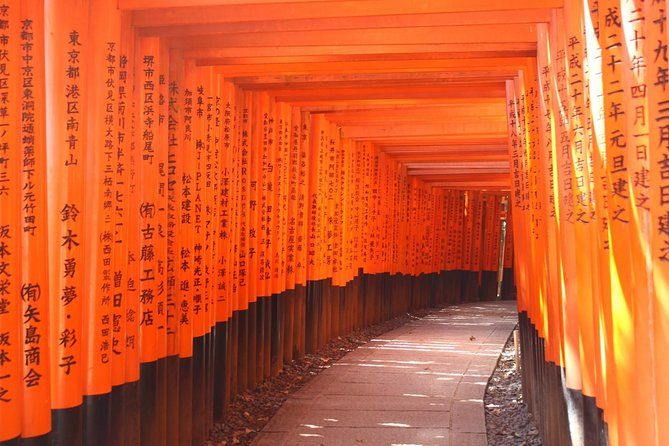
Fushimi Inari Taisha is one of Kyoto’s most recognizable sights, and the tour gives it the time it deserves. You spend roughly 75 minutes here, beginning among the dense rows of red-orange torii gates that climb the lower slopes of the Higashiyama range.
The gates were donated by individuals and businesses seeking favor from Inari, the Shinto deity associated with rice, prosperity, and commerce. Your guide can help you understand why the shrine uses fox imagery and how to behave at a Shinto site. That kind of explanation matters because Fushimi Inari is not just a photogenic tunnel. It is an active place of worship.
You will walk uphill beneath the torii, and the route can become more demanding as it rises. The schedule does not promise a full summit climb, so do not assume you will reach the top of the mountain. The allotted time is enough to see the famous lower sections and get a sense of the climb without turning the whole morning into a mountain hike.
The shrine is also the part of the route most likely to feel crowded. A private guide is useful here because you can ask for a slower pace or pause for photos without worrying about a large group. Wear shoes with a good grip, bring water, and be ready for heat if you visit in summer.
From Inari Station to Gion by train
After Fushimi Inari, the group takes a short train ride to Gion. The fare is included, which removes one small but useful task from your morning. It also lets the route cover two distinct parts of Kyoto without forcing you into a long road transfer.
Gion is often presented as a place to spot geisha, but it is better understood as a traditional entertainment district where tea houses, restaurants, theaters, and old townhouses shaped local culture. Your guide can explain the difference between public streets and private establishments, along with the etiquette that matters in a district still used by residents and performers.
You pass the Kabuki theater before walking along Hanamikoji Street. The street is known for its traditional buildings and tea houses, but it is also a working neighborhood. Keep your camera respectful, stay out of private entrances, and avoid treating the area like a stage set.
The formal stop at Hanamikoji lasts about 15 minutes. That is enough for an introduction and a short walk, not enough for a long exploration of every Gion lane. If Gion matters most to you, ask about adjusting the route. The tour is private and the provider says changes are possible, but four hours still imposes limits.
Yasui-Konpiragu and the famous power stone
The next stop is Yasui-Konpiragu, a small shrine with an unusual reputation. It is associated with cutting unwanted ties and strengthening good ones, so people visit for more than romance. The shrine’s symbolism includes requests to end harmful relationships, break bad habits, or seek revenge, alongside hopes for a lasting partnership.
You can try passing through the shrine’s power stone, a ritual said to help strengthen bonds or sever unwanted connections. The stop lasts about 15 minutes and includes admission. It is a brief visit, but it adds a different tone to the day. Kyoto’s religious sites are not all grand halls and quiet gardens. Some deal directly with ordinary worries, including love, conflict, and personal change.
This is a good place to ask your guide about the difference between a shrine and a temple. The answer is more useful when you are standing at an actual Shinto site rather than reading a general explanation in a museum.
Yasaka Pagoda and the old Higashiyama streets
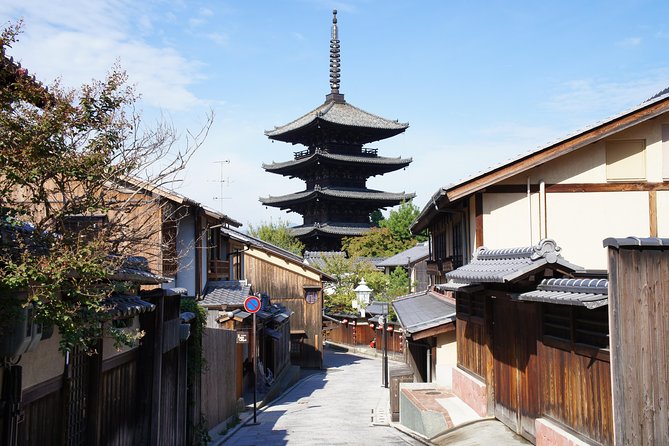
The route then moves toward Yasaka Pagoda, one of the defining sights of eastern Kyoto. Its five-story form has been part of the district since 1440, and it rises above the old streets as a clear landmark.
The schedule lists the pagoda as a photo and viewing stop rather than a timed admission visit. That distinction matters. You should expect to see and photograph the building from the surrounding streets, but the supplied details do not promise entry inside.
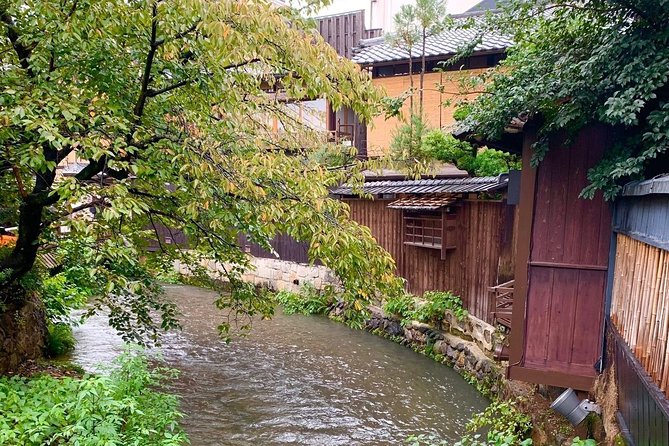
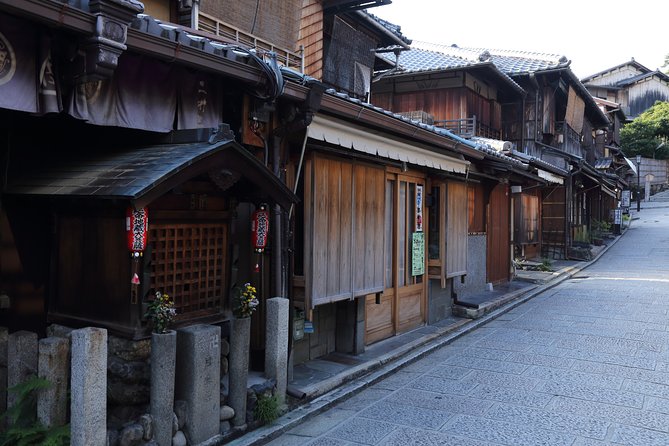
From here, the walk continues toward Sannenzaka and Ninenzaka. These preserved pilgrimage streets lead toward Kiyomizudera and are lined with traditional townhouses, shops, and places to pause. Their sloping lanes offer some of the most recognizable old-Kyoto views, but they are not quiet museum corridors. You may find busy foot traffic, especially at popular times.
The scheduled time on these two streets is about 20 minutes. That is enough to walk a section and hear the basic story of the area. It is not enough for serious shopping or a leisurely stop at every shop. If you want sweets, souvenirs, or a longer look at local crafts, you will need to ask about the timing.
One detail worth noting: Kiyomizudera appears in the tour title and is the destination associated with these streets, but the supplied stop list does not give Kiyomizudera its own timed admission visit. The included admission fees apply to the temples and shrines visited, and Kodaiji is specifically listed. Ask your guide exactly how much time you will spend inside Kiyomizudera if seeing that temple is a priority.
A few more Kyoto tours and experiences worth a look

Kodaiji gives the walk room to breathe
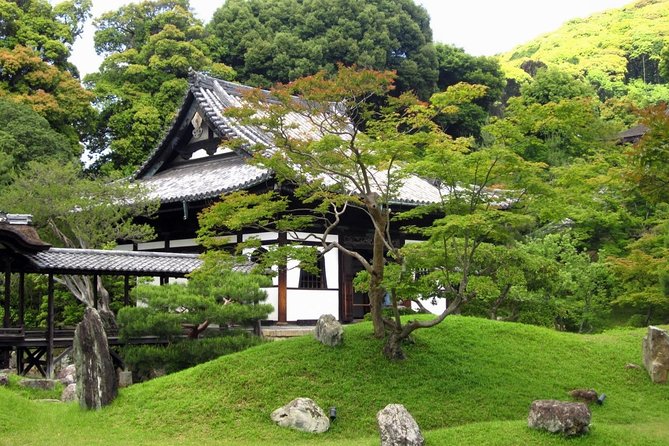
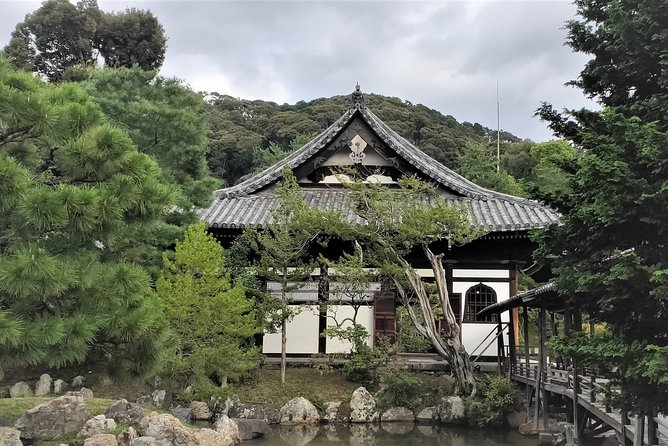
Kodaiji receives the longest temple visit after Fushimi Inari, about 45 minutes. That is a smart balance. The temple is less crowded than some of Kyoto’s better-known sights, giving you a chance to slow down after the active shrine and busy streets.
Kodaiji was founded in memory of Toyotomi Hideyoshi, a major figure in Japan’s late sixteenth-century unification. The complex includes a mausoleum connected with Hideyoshi and his wife, Nene, along with temple buildings and gardens. Your guide can connect the site’s design to the people who commissioned it and to the religious traditions that shaped the grounds.
I like this stop because it gives the day a change of pace. Fushimi Inari is about repetition, movement, and sacred gates. Gion is about urban tradition and performance. Kodaiji gives you gardens, architecture, and quiet space to think about what you have seen.
The grounds still involve walking, and the route through eastern Kyoto includes slopes. If someone in your party uses a cane or tires quickly, tell the guide at the start. A private guide can be accommodating, but the tour cannot remove every hill from this part of Kyoto.
What the private guide adds
The strongest part of this experience is the guide’s role. The tour promises a native or equivalent speaker of your language, and the guides named in the supplied feedback include Oisin, Ferdinand, and Duygu. Your assigned guide may be someone else, so treat those names as examples rather than a guarantee.
The comments point to a consistent strength: clear explanations of Japanese culture and history, along with friendly service. One guide, Oisin, met the group at the station. Another, Ferdinand, took a group to quieter parts of the shrine area. Duygu was praised for being attentive and for offering useful recommendations.
That last point is important. A guide who can explain what you are seeing is helpful. A guide who also notices when someone needs a slower pace is even more useful on a route like this. The experience is private, so you have a better chance of asking about religious customs, Kyoto neighborhoods, food, or later plans without losing the group’s attention.
Still, guide quality can vary from person to person. The overall rating is 4.4 from five ratings, which is encouraging but based on a small sample. Do not book this only because a particular guide’s name appears in past feedback. Book it for the private structure and the route.
The walking challenge is real
Four hours may sound easy until you add shrine paths, temple grounds, old streets, and hills. One group included a person using a cane and found the amount of walking difficult, especially in very hot weather. Another group described hills and some steeper sections as challenging for older members, though the guide adjusted well.
Take those warnings seriously. The operator asks for moderate physical fitness, and that is a fair description. You should be able to walk for most of the tour, manage slopes, and tolerate warm conditions. There are no promised meal or rest stops, so carry water and use the restroom before setting out.
The route is not a good fit if you need frequent seated breaks or want a vehicle-based tour. It can work for an older group if everyone is comfortable walking and you explain limitations early. The private format gives you flexibility, but it does not change the terrain.
Summer deserves special care. Kyoto can be humid, and the red torii section offers limited relief from the heat. A hat, water, light clothing, and a slower pace will make a major difference.
Who will get the most from this tour
I would recommend this tour to first-time Kyoto visitors who want a strong introduction to eastern Kyoto without organizing several separate visits. It also suits families, since the first child age 12 or younger is free and additional children receive reduced pricing.
Couples and small groups may find the private setup especially useful. You can focus on religion, architecture, food, photography, or local customs instead of accepting a fixed lecture aimed at strangers. The provider also says itinerary changes can be requested, so contact them before booking if you want to shift the balance between Gion, Kodaiji, or the shrine.
You should think twice if you mainly want a long visit at Kiyomizudera, extensive shopping in Gion, or a full climb up Mount Inari. The route touches many places, but the time at each one is limited. It is a sampler with depth from the guide, not a slow day at one major temple.
Practical details and price value
The meeting point is Inari Station, at Fukakusa Inarionmaecho in Fushimi Ward. Confirmation arrives when you book, and the area is near public transportation. The activity ends back at the meeting point according to the supplied details, so plan your evening with that in mind.
Your $129 covers temple and shrine entrance fees and the train from Fushimi Inari to Gion. Food, drinks, and taxis cost extra. Since the tour lasts about four hours, the price is not a bargain for a solo visitor, but it becomes more reasonable when shared by a couple or family who values a private guide.
Free cancellation is available up to 24 hours before the start time for a full refund. Changes or cancellations inside that window are not accepted for a refund.
Should you book it?
Book this tour if you want to connect Fushimi Inari, Gion, Kodaiji, Yasaka Pagoda, and the old Higashiyama streets in one guided morning or afternoon. The private format, included admissions, included train fare, and strong guide feedback make it a practical choice for a first look at Kyoto.
Skip it if your group dislikes hills, needs frequent breaks, or wants a leisurely temple day. Before booking, ask how the schedule handles Kiyomizudera, how much climbing is planned at Fushimi Inari, and whether the guide can adapt the pace for your group. If the answers fit your needs, this is a well-chosen route through some of Kyoto’s most memorable places.
FAQ
How long does the private Kyoto tour last?
The experience lasts approximately four hours.
Where does the tour begin?
It begins at Inari Station, Fukakusa Inarionmaecho, in Kyoto’s Fushimi Ward.
Where does the tour end?
The supplied details state that the activity ends back at the meeting point.
Is the tour private?
Yes. Only your group participates in the activity.
Is transportation included?
Transit from Fushimi Inari to Gion is included. Taxis are not required, but you may request one at your own expense.
Are temple and shrine admission fees included?
Yes. Entrance fees to the temples and shrines visited are included.
Is food included?
No. Food and drinks are not included.
Is the tour suitable for people with limited mobility?
The tour requires a moderate level of physical fitness and includes substantial walking, hills, and some steeper sections. Tell the guide about mobility concerns at the start.
What is the cancellation policy?
You can cancel at least 24 hours before the local start time for a full refund. Cancellations or changes made less than 24 hours before the start time are not accepted for a refund.
More Private Tours in Kyoto


More Fushimi Inari Tours in Kyoto
More Gion & Geisha Walks in Kyoto

More tours in Kyoto we've reviewed




Gion & Geisha Walks, compared.
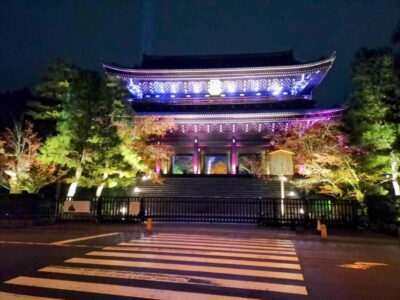 ★ 4.7Kyoto Geisha Walking Tour: Gion District & Hidden GemsFrom $252 hours
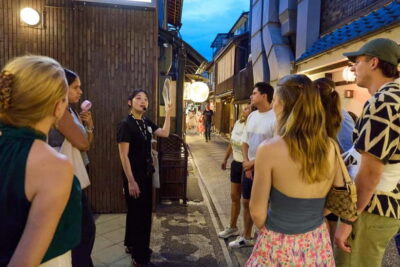 ★ 4.7Kyoto: Gion Geisha District Walking Tour – Stories of GeishaFrom $202 hours
 ★ 4.9Best of Kyoto: Gion, Geisha, Pagodas & CobblestonesFrom $242 hours
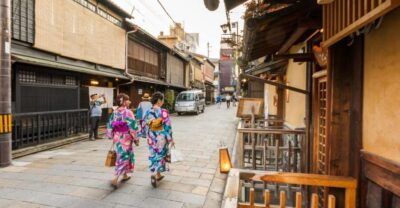 ★ 4.5Night Walk in Gion: Kyoto’s Geisha DistrictFrom $211h 40m
 ★ 5.0Kyoto Night Foodie Tour in Gion (9+ dishes + 6 Sake tastings)From $163
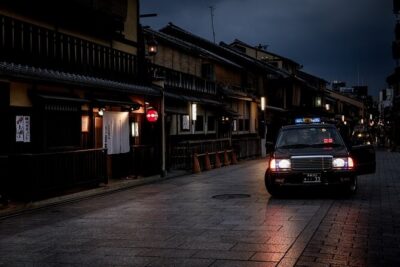 ★ 5.0Kyoto Gion Geisha District Walking Tour – The Stories of GeishaFrom $25