
Reviewed · WALKING TOURS
Kyoto Custom Private Walking Tour with Licensed Guide (4/8h)
Kyoto is easier to understand when someone helps you connect the dots. This private walking tour lets you shape the day around Kinkakuji, Arashiyama, Fushimi Inari, Kiyomizu Temple, and Gion, rather than follow a fixed route that may not suit your interests.
I like the one-to-six-person format, which keeps the day personal and makes it easier to adjust the pace. I also like the practical help: guides such as Kaori, Kenji, and Akiko have led visitors through major sights, explained Japanese history and tradition, suggested places to visit later, and even arranged a taxi when needed. The main consideration is that this is not a private-car tour. You will walk, use public transportation, or take local taxis, and entrance fees, lunch, and transport costs are extra.
In This Review
- Key points to know before booking
- A private way to get your Kyoto bearings
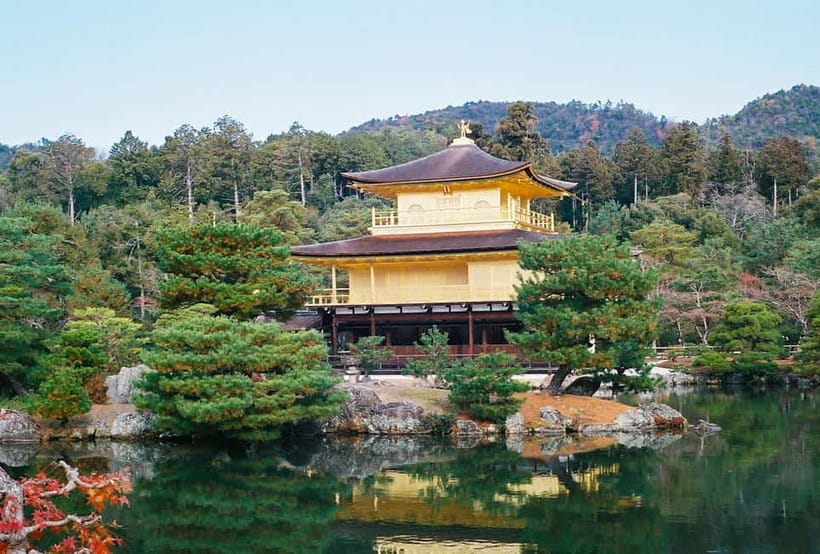
- Kinkakuji, Kyoto’s Golden Pavilion
- Arashiyama Bamboo Forest and the western hills
- Fushimi Inari’s thousands of red torii gates
- Lunch in a traditional Kyoto setting
- Kiyomizu Temple and Kyoto’s old streets
- Gion, where the day can slow down
- What guides add to the day
- The real cost of a $281 private group
- Four hours or eight hours?
- Who should book this private walk?
- Should you book the Kyoto custom walking tour?
- FAQ
- How long does the tour last?
- Is the tour private?
- Is hotel pickup included?
- Is the guide available in English?
- Can I change the itinerary?
- Are entrance fees included?
- Is lunch included?
- Is a private vehicle provided?
- What should I bring?
Key points to know before booking
- You choose the route: Ask for a custom mix of temples, shrines, traditional streets, and Gion.
- The full day gives you the best chance: Four hours is useful for a focused plan, but the major sights are spread across Kyoto.
- Kinkakuji and Arashiyama are alternatives in the sample plan: Trying to fit both, plus Fushimi Inari and Kiyomizu, requires a long day.
- Fushimi Inari is more than a photo stop: The thousands of red torii gates make it one of Kyoto’s most memorable walks.
- Transport is practical but not included: Your guide can help with public transportation or local taxis, but you pay for both of you.
- Hotel pickup has a limit: Pickup and drop-off apply to hotels in Kyoto City, with the guide meeting you in the lobby.
A private way to get your Kyoto bearings
Kyoto has an awkward shape for sightseeing. Its famous places are spread across different parts of the city, and a day that looks simple on a map can involve several train rides, bus trips, or taxi transfers. A private guide gives you someone to manage that flow while explaining what you are seeing.
The tour runs for four to eight hours. A half-day can work well if you want one area, such as eastern Kyoto and Gion, or one major sight paired with a neighborhood walk. For the sample route, I would choose the full eight-hour option. Kinkakuji or Arashiyama, Fushimi Inari, lunch, Kiyomizu Temple, Ninenzaka, Sannenzaka, and Gion make a demanding schedule.
The private format is especially useful if your group has different interests. You can ask for more temple time, more local streets, or a slower pace. You can also tell the guide what you have already seen and avoid repeating it. This flexibility is the central reason to choose the tour over a standard group outing.
Other walking tours we've reviewed in Kyoto
Kinkakuji, Kyoto’s Golden Pavilion
Kinkakuji, commonly called the Golden Pavilion, is one of Kyoto’s headline sights. The pavilion’s bright gold exterior beside the pond makes for an instantly recognizable photograph, and the surrounding temple grounds provide a calmer setting after the crowded approach.
Your guide can give the building context rather than leaving you with only a picture. The stop works well early in a full-day plan, but it is not in the same part of Kyoto as Fushimi Inari or Gion. That matters because travel time between districts can eat into your sightseeing.
Kinkakuji is offered as one choice in the sample itinerary, alongside Arashiyama Bamboo Forest. You should discuss the choice before the tour begins. If the Golden Pavilion is your priority, build the rest of the route around it. If you prefer a walk through trees and a more scenic outdoor setting, choose Arashiyama instead.
An entrance fee applies to you and your guide, and it is not included in the tour price. Bring cash, since some shops and smaller businesses in Kyoto do not accept credit cards.
Arashiyama Bamboo Forest and the western hills
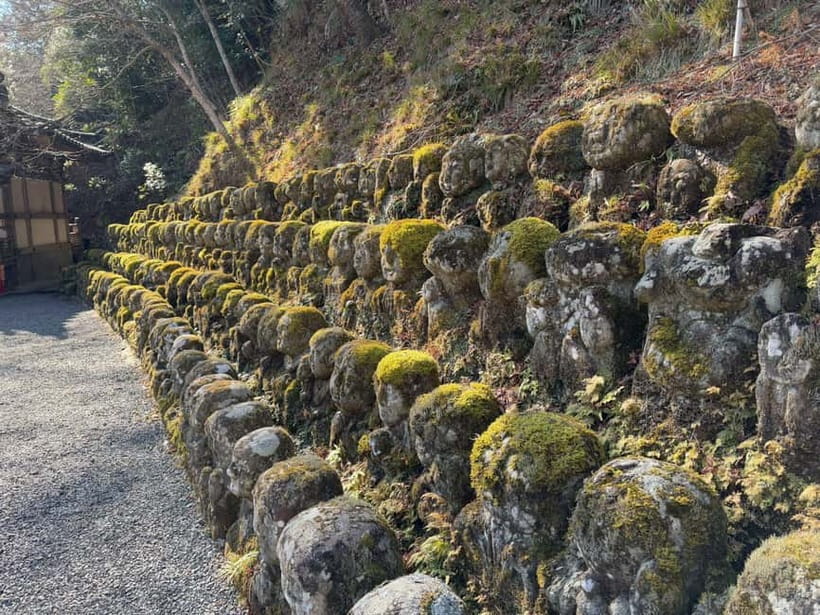
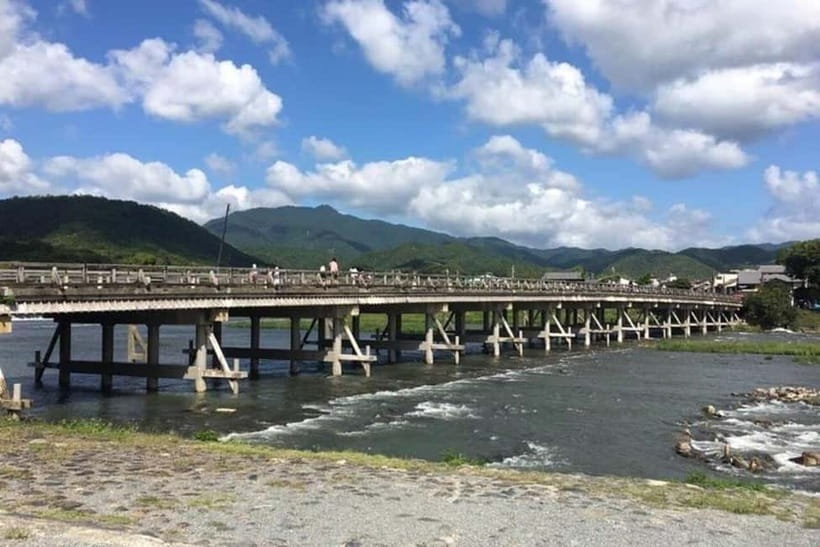
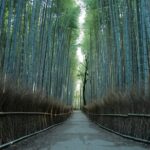
Arashiyama offers a different side of Kyoto. The bamboo path is the draw, but the value of this stop comes from walking through an area that feels distinct from the city center. It gives you a chance to spend time outdoors rather than moving from one temple gate to another.
The bamboo forest is also a popular place, so do not expect solitude simply because the setting looks peaceful in photographs. Your guide can help you make better use of the visit by explaining what fits comfortably into the available time and by moving you through the surrounding streets at a sensible pace.
As with Kinkakuji, Arashiyama is one of the sample choices, not an automatic promise that both stops will fit into every plan. You can request it when arranging your itinerary. If you have only four hours, pairing Arashiyama with distant southern or eastern Kyoto sights may leave little time for walking.
Fushimi Inari’s thousands of red torii gates
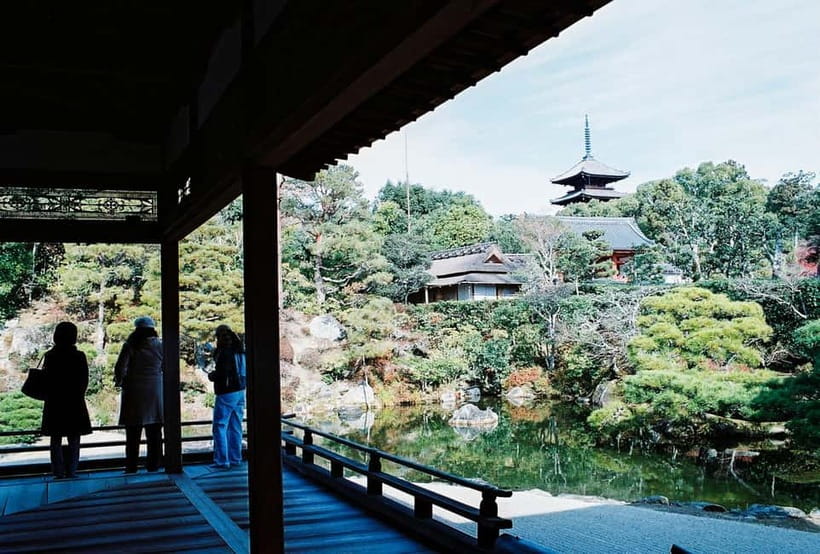
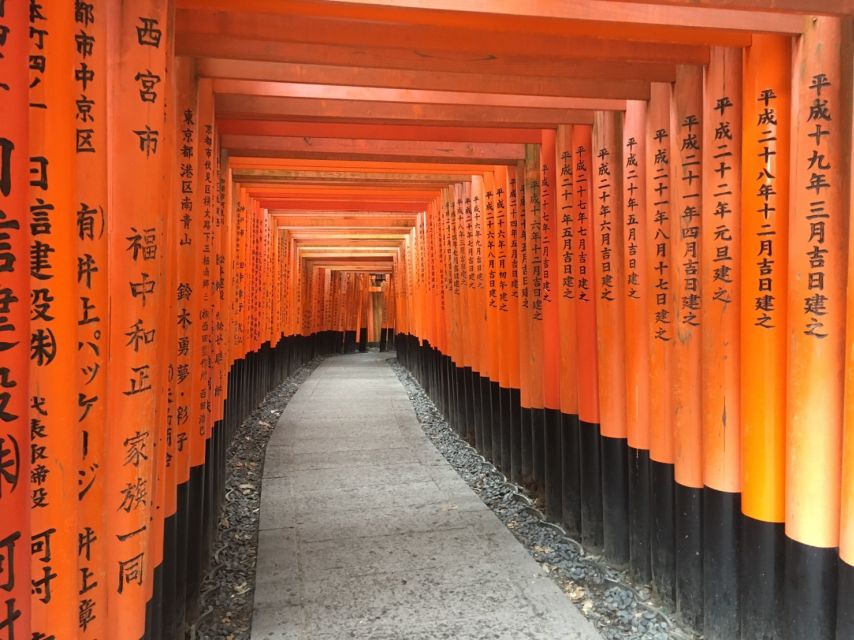
Fushimi Inari Shrine is one of the strongest parts of this experience. The shrine is famous for its long corridors of orange-red torii gates, donated over time by individuals and businesses. The gates create a memorable route up the wooded hillside, with small shrines and stone fox figures along the way.
The fox is associated with Inari, the Shinto deity connected with rice and agriculture. Your guide can help explain the shrine’s purpose and the symbolism behind what you see. That turns a quick photograph into a more meaningful stop.
You do not need to walk the entire mountain route to appreciate Fushimi Inari. Still, this is one place where your shoes matter. The tour involves a moderate amount of walking, and the combination of shrine grounds, steps, and torii paths calls for comfortable footwear.
Fushimi Inari is in southern Kyoto, so it is another stop that needs sensible planning alongside Kinkakuji, Arashiyama, or Kiyomizu Temple. A private guide can adjust the route, but cannot remove the travel time between districts. If this shrine is high on your list, say so clearly at the start.
Lunch in a traditional Kyoto setting

Lunch is not included, but it becomes part of the day’s practical rhythm. Your guide can help you stop at a restaurant along the route, and one suggested experience has been a traditional Japanese meal with diners seated on the floor.
That type of meal gives you a small taste of local custom without requiring a separate food tour. It also makes sense to let the guide recommend a place, since your lunch stop must fit the route and the available time. You pay for your own meal and your guide’s meal.
Do not assume every restaurant or shop will take a card. Cash is specifically recommended. The same advice applies to small purchases and local transport.
Other guided tours in Kyoto


Kiyomizu Temple and Kyoto’s old streets
Kiyomizu Temple is a natural anchor for an eastern Kyoto itinerary. From the temple area, you can walk through Ninenzaka and Sannenzaka, two traditional streets known for their old-style atmosphere, shops, and sloping lanes.
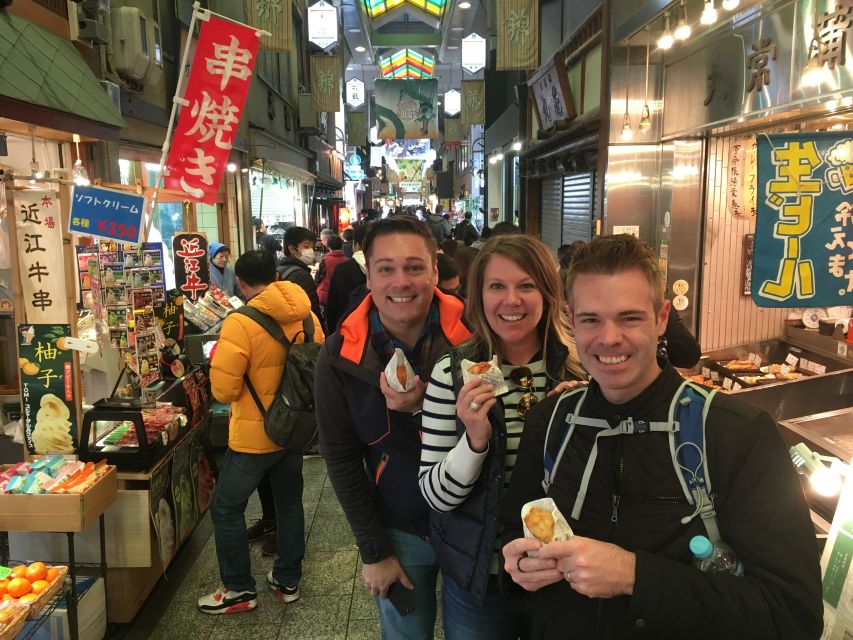
This part of the tour may be the most satisfying for anyone who wants more than a checklist of major monuments. The streets connect the formal temple visit with everyday Kyoto: small stores, food stops, souvenirs, and the feel of an older neighborhood. Your guide can explain what you are passing and help you avoid treating the area as only a photo backdrop.
The lanes are not flat, and the tour includes a moderate amount of walking. Wear shoes you can manage for several hours. Large bags and luggage are not allowed, so leave suitcases at your hotel.
Temple entrance fees are extra for both you and your guide. That is easy to overlook when comparing the headline tour price, so budget for admissions as well as lunch and transportation.
Gion, where the day can slow down
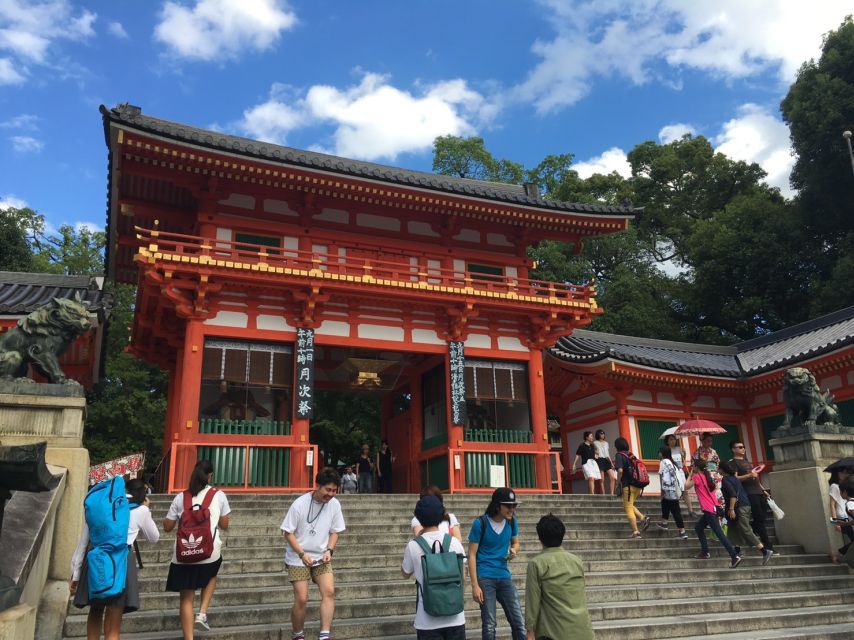
Gion is Kyoto’s famous geisha district, and it is a fitting final stop after Kiyomizu Temple and the old streets. The area is best approached with respect and patience. You can walk through the district, notice its traditional buildings, and learn about the customs connected with geisha and maiko culture.
The tour may end in Gion if your schedule or interests point that way. If you have time, it can also be added after the other major stops. Since the itinerary is flexible, tell your guide if Gion matters more to you than fitting in another temple.
Gion is also a good place to ask questions about Japanese tradition and history. Akiko, one of the guides who has led this experience, is described as having very good English and a friendly manner. Guides such as Kaori have also provided extra explanations about Japanese history and traditions during walks through Gion.
What guides add to the day
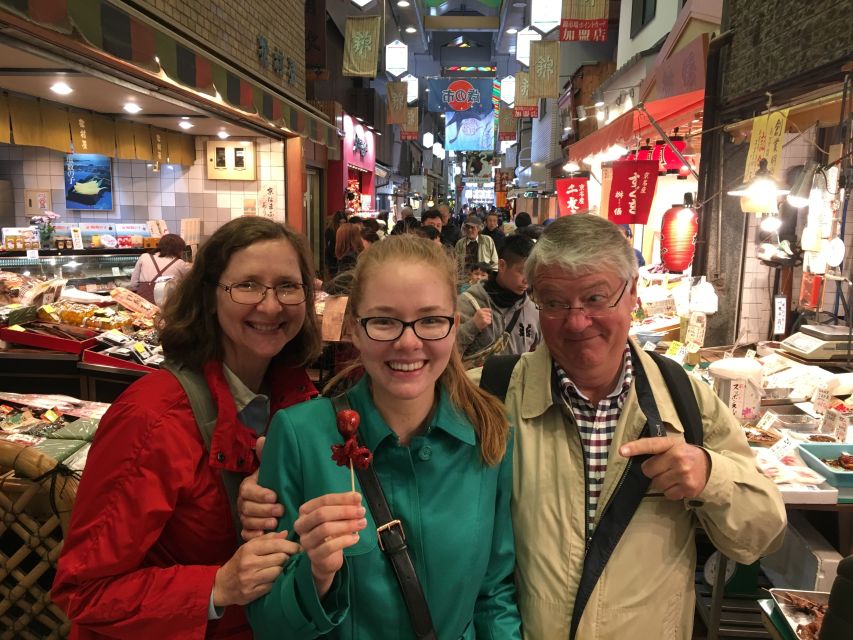
The guide is the reason to book this tour instead of assembling the same sights on your own. Kyoto’s temples and shrines are easy to photograph, but less easy to place in context. A guide can explain why a shrine is dedicated to a particular deity, how a temple fits into Japanese religious life, and what details deserve your attention.
The experience also depends on the individual guide. Kaori has organized a full-day route that included Kinkakuji, Arashiyama, Fushimi Inari, Gion, and a traditional lunch without making the group feel rushed. Kenji has led custom outings built around the places guests wanted to see. Akiko has guided groups through Kyoto’s main highlights at a comfortable pace.
Those examples suggest what you should do before the day begins: give the operator your priorities. Tell them your must-see sight, your preferred walking pace, and how much time you want for lunch. A custom tour works best when you provide a clear starting point rather than simply asking for everything.
The real cost of a $281 private group
The listed price is $281 for a private group of up to six people. That is not a per-person price, so the value improves sharply when shared by a family or small group. For six people, the base cost works out to about $47 per person before admissions, food, and transport.
For two people, the per-person cost is much higher, but you are paying for privacy and route control. You are not joining a large group, waiting for strangers, or following a fixed schedule. That can be worthwhile if your time in Kyoto is limited or your group has specific priorities.
You should add these expenses:
- Entrance fees for you and your guide
- Lunch for you and your guide
- Public transport or local taxis for you and your guide
- Personal purchases and other private expenses
A private vehicle is not included. This is a walking tour with transfers by public transportation or local taxi as needed. That arrangement keeps the tour focused on Kyoto itself, but anyone expecting a chauffeured sightseeing day should choose another type of experience.
Four hours or eight hours?
The four-hour option suits a focused plan. You might choose Kiyomizu Temple, Ninenzaka, Sannenzaka, and Gion, or concentrate on Fushimi Inari and nearby sights. It can also work well at the beginning of your Kyoto stay, when you want a guide to help you get oriented.
The eight-hour option is the better choice for a first visit when you want several famous areas. Even then, you should treat the sample itinerary as ambitious. Kinkakuji, Arashiyama, Fushimi Inari, Kiyomizu Temple, Gion, and lunch cover a lot of ground.
I would not try to force every sight into a short booking. Pick two or three priorities and let the guide build around them. You will get more from a slower visit to a temple and neighborhood than from racing between gates for photographs.
Who should book this private walk?
This tour fits families, couples, and small groups who want control over the day. It is also a good choice if you are visiting Kyoto for the first time and want a clear introduction to the city’s major religious sites and traditional districts.
It suits you particularly well if:
- You want an English-speaking guide
- You prefer a private group rather than a fixed group tour
- You want to change the itinerary to suit your interests
- You are comfortable walking and using public transportation
- You want help combining major sights with local streets and lunch
It may not suit you if you want a private vehicle, minimal walking, or a tour with all costs included. It is also less useful for someone who has already explored Kyoto’s main sights and wants a specialist experience focused on one narrow subject.
Pickup and drop-off are included only for hotels in Kyoto City. Your guide meets you in the hotel lobby, so provide the hotel name in advance. The tour operates rain or shine, and free cancellation is available up to eight days before the tour for a full refund.
Should you book the Kyoto custom walking tour?
Book it if you want a flexible first day in Kyoto, especially when several people in your group have different priorities. The private format, local transport help, and guide-led explanations make the city easier to manage, and the price is fair for a group of up to six.
Choose the eight-hour option for a broad introduction, but set realistic goals. Ask for Kinkakuji or Arashiyama, then add Fushimi Inari, Kiyomizu Temple, Ninenzaka, Sannenzaka, or Gion according to your interests. Bring cash, wear comfortable shoes, and remember that admissions, lunch, and transport are extra.
If you want a car, a fixed sightseeing route, or a low-walking day, this is not the right fit. For most small groups willing to walk, it offers a practical and personal way to make sense of Kyoto.
FAQ
How long does the tour last?
You can book a four-hour or eight-hour tour. Starting times depend on availability.
Is the tour private?
Yes. It is a private group tour for up to six people.
Is hotel pickup included?
Yes, pickup and drop-off are included for hotels in Kyoto City. The guide meets you in your hotel lobby, and you should provide the hotel name in advance.
Is the guide available in English?
Yes. The tour includes a live English-speaking guide.
Can I change the itinerary?
Yes. The itinerary can be changed to meet your requests. You should discuss your preferred sights with the guide or operator in advance.
Are entrance fees included?
No. Entrance fees for both you and your guide are not included.
Is lunch included?
No. Lunch is not included, and you pay for your own meal and your guide’s meal.
Is a private vehicle provided?
No. This is a walking tour. Public transportation or local taxis may be used between sights, and those costs are not included.
What should I bring?
Bring comfortable shoes and cash. Some shops do not accept credit cards, and the tour involves a moderate amount of walking. Pets, luggage, and large bags are not allowed.
More Private Tours in Kyoto
More Guided Tours in Kyoto
More Walking Tours in Kyoto
More tours in Kyoto we've reviewed










Walking Tours, compared.
 ★ 4.7Kyoto Geisha Walking Tour: Gion District & Hidden GemsFrom $252 hours
 ★ 4.7Kyoto: Gion Geisha District Walking Tour – Stories of GeishaFrom $202 hours
 ★ 4.5Night Walk in Gion: Kyoto’s Geisha DistrictFrom $211h 40m
 ★ 5.0Kyoto Gion Geisha District Walking Tour – The Stories of GeishaFrom $25
 ★ 5.0Nishiki Market Brunch Walking Tour (7 Tastings + Brunch)From $68
 ★ 4.9Kyoto: Gion Magical Night Walking Tour with Geisha InsightsFrom $34