
Reviewed · FUSHIMI INARI TOURS
Kyoto: Fushimi Inari Taisha Guided Walking Tour
Fushimi Inari Taisha is Kyoto’s great corridor of red torii gates, and this tour gives you a practical way to see it when your schedule is tight. You’ll learn why Inari is linked with farming, business, and fox messengers while walking through the shrine’s lower and upper sections.
I like the choice of routes and the small group limit of nine. I also like the guide-led explanations, which turn a famous photo stop into a clearer look at Shinto customs. The main drawback is the uphill walking on the longer option, so this is not a good fit for people with mobility, heart, breathing, or pregnancy concerns.
In This Review
- Key points to know before you go
- Why Fushimi Inari works so well as a short guided visit
- Meeting at Daily Yamazaki Fushimi Inari Shrine
- The lower shrine and the first torii gates
- The torii gates and what they represent
- Choosing the Mount Inari route
- The shorter route for a tight Kyoto schedule
- Street food and the final 30 minutes
- What the $24 price really covers
- The guides make the difference
- Who should book this Kyoto tour
- Practical advice for a smoother visit
- Should you book Fushimi Inari Taisha Guided Walking Tour?
- FAQ
- How long does the Fushimi Inari guided walking tour last?
- What language is the tour conducted in?
- How many people are in the group?
- Where is the meeting point?
- Are entrance fees included?
- Is food included?
- Can I choose a shorter route?
- What should I wear and bring?
- Can I cancel the booking?
Key points to know before you go
- Two route choices: Visit the lower shrine and torii gates, or add about an hour of Mount Inari walking.
- A small English-speaking group: The tour is limited to nine participants, with guides such as Katz, Christiana, Raphael, and Nobumasa.
- A useful two to three hour visit: It fits neatly into a busy Kyoto day.
- Street food is part of the outing: You have about 30 minutes to walk around and look for local snacks after the shrine visit.
- Good value at $24: Entrance fees and the guided walk are included, while food, drinks, and transport are not.
- Come prepared: Wear comfortable shoes, dress modestly, and arrive early because the guide waits no more than 10 minutes.
Why Fushimi Inari works so well as a short guided visit
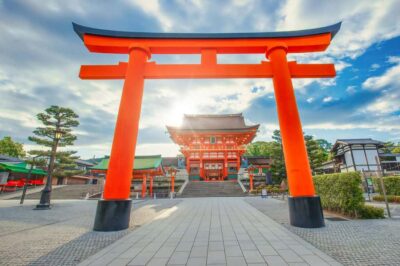
Fushimi Inari Taisha is one of Kyoto’s most recognizable sights, but its fame can make it easy to treat the place as little more than a long red tunnel. A guide helps put the gates, shrines, fox figures, and worship practices into context.
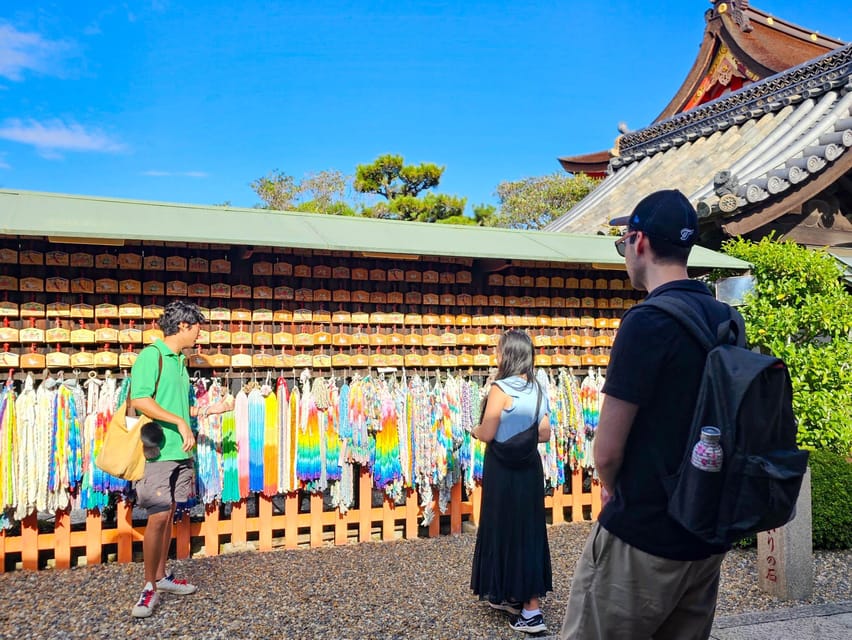
The shrine honors Inari, a Shinto deity associated with agriculture and commerce. Foxes appear throughout the shrine grounds because they are regarded as Inari’s messengers. Those details give meaning to the stone statues and small worship sites you pass, rather than leaving you with only photographs.
The setting is also easy to understand once you know its basic shape. The lower shrine sits at the foot of Mount Inari, with the main entrance, offering hall, and smaller shrines. The upper section continues up the mountain along a walking trail lined with thousands of vermilion torii gates.
That layout makes the tour flexible. You can keep to the lower area and reach the famous gates without committing to a longer hike. Or you can continue upward, see more of the shrine complex, and gain views toward Kyoto and the surrounding mountains.
A few more Kyoto tours and experiences worth a look


Meeting at Daily Yamazaki Fushimi Inari Shrine
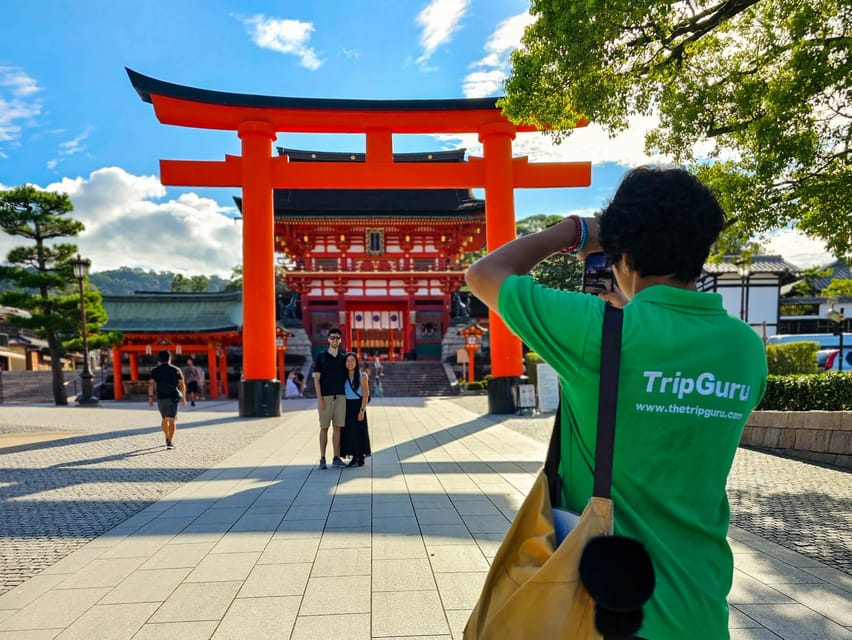
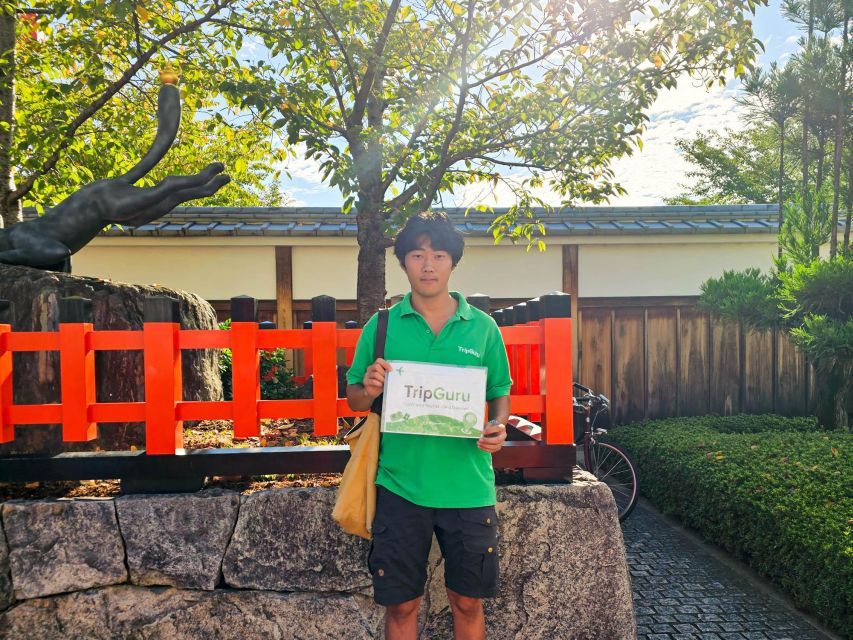
The tour begins at Daily Yamazaki Fushimi Inari Shrine. Look for a guide wearing a TripGuru shirt or holding a TripGuru sign.
This is a simple meeting point, but timing matters. Morning traffic can be heavier and slower than navigation apps suggest, so give yourself extra time. The guide waits a maximum of 10 minutes before moving on, and missing the group would be a poor start to an otherwise compact outing.
The tour does not include hotel pickup or drop-off. You need to make your own way to the meeting point and back from there. Since the activity lasts only two to three hours, it works well as a morning plan, a late afternoon visit, or a gap between other Kyoto activities, provided you can reach the starting point on time.
The group size is capped at nine people. That is small enough for easier questions and a more personal pace, without the cost of a private tour. Past guides have included Katz, Christiana, Raphael, and Nobumasa. The strongest praise has focused on friendly explanations, patience, photography help, and sensible breaks.
The lower shrine and the first torii gates
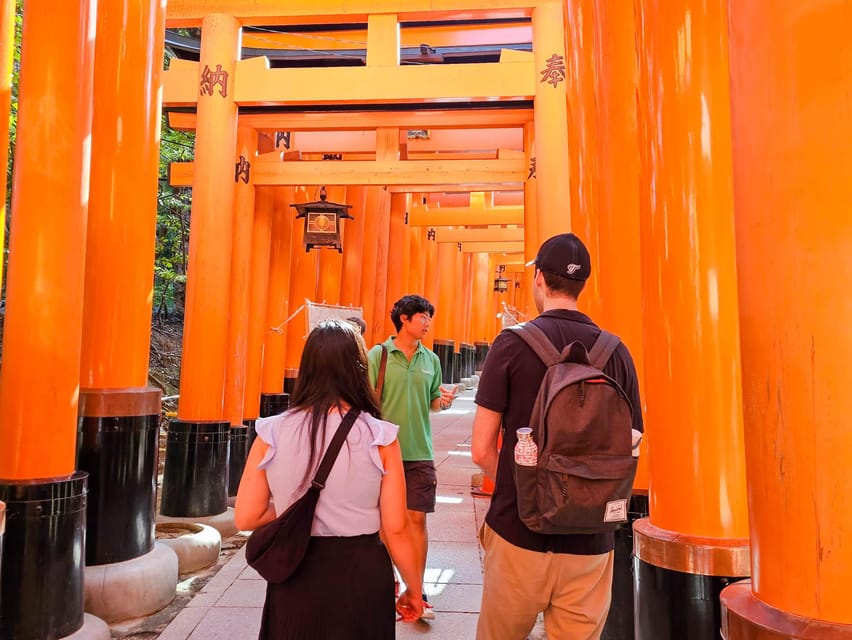
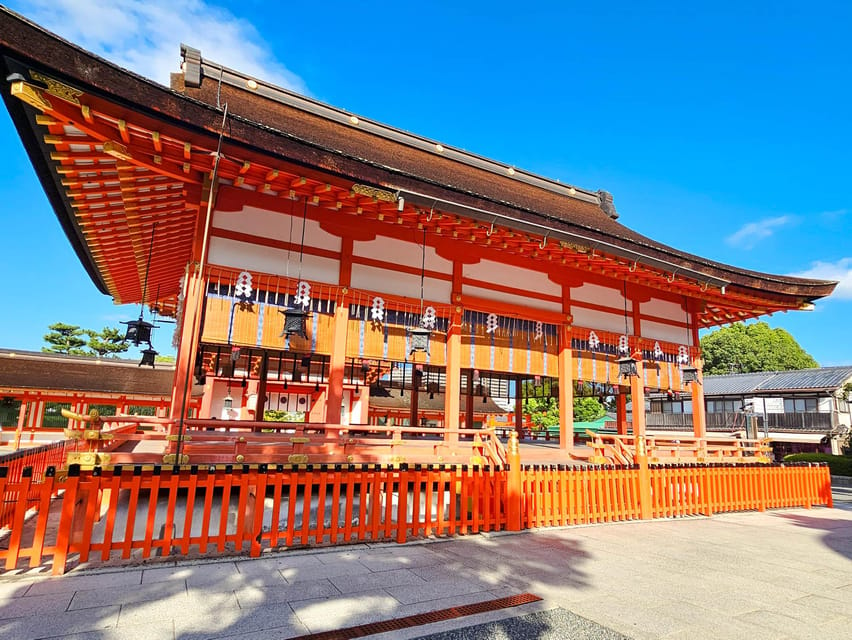
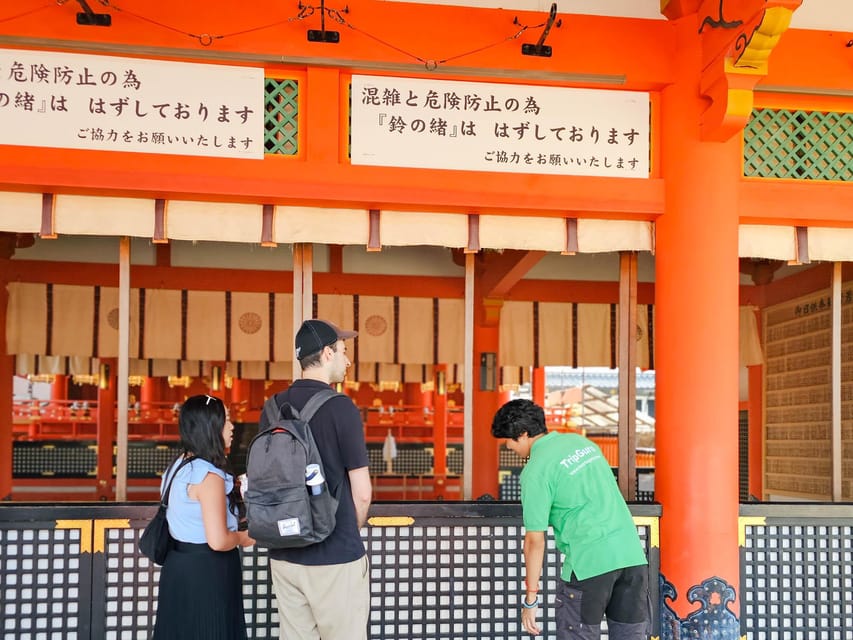
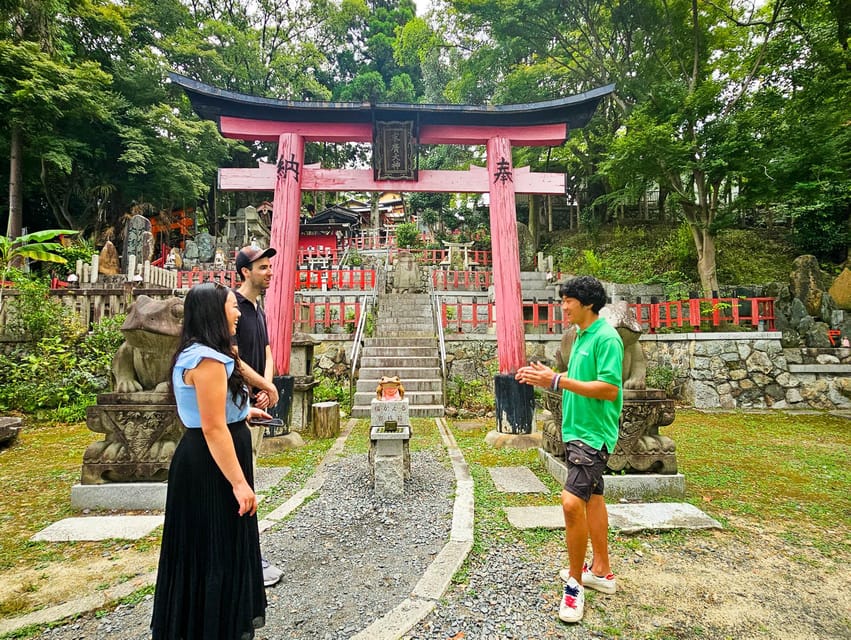
Your guide takes you into Fushimi Inari Taisha, beginning with the lower section at the mountain’s base. This is where you find the main entrance, the offering hall, and smaller shrine buildings.
A guided introduction is especially useful here because Shinto shrine spaces can look unfamiliar if you do not know what to notice. Your guide can explain the connection between Inari, farming, trade, and the fox messengers that appear around the site. You can then look at the shrine details with more purpose.
The lower section is the better choice if you have limited time or want a gentler visit. You still reach the famous torii gate paths, but you avoid the longer climb toward the upper shrine. This option suits anyone who wants the signature Fushimi Inari experience without turning the outing into a serious walk.
The tradeoff is simple: you see less of Mount Inari. The lower route gives you the iconic setting, but the mountain trail offers a fuller sense of how the shrine spreads through the wooded slopes.
The torii gates and what they represent
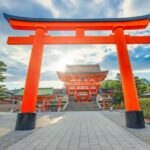
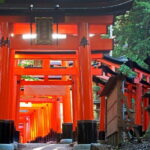
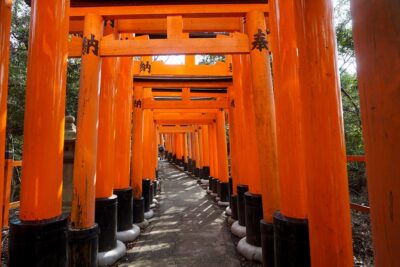
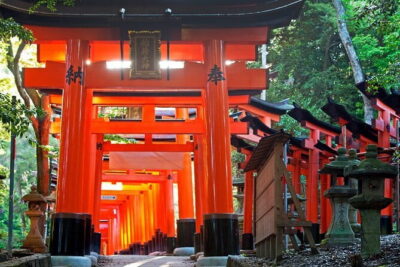
The rows of bright red-orange gates are the main visual draw. They line the route toward the upper shrine and create a striking passage through the mountain.
These gates are not simply decorative props. Their presence reflects the importance of Fushimi Inari as a place of devotion, and their sheer number shows how the shrine has grown through offerings and support connected with business and commerce. Your guide can help explain this connection as you walk.
The torii corridor is also where the tour earns its price. You could visit the shrine independently, but a guide gives you the chance to ask questions as details appear. You are not just moving from one photo stop to another. You are learning why the shrine is arranged this way and why fox imagery keeps returning.
Bring comfortable shoes. Even the shorter visit involves walking on shrine grounds, and the longer route adds a mountain trail. Modest clothing is expected, so avoid tank tops, very short shorts, and clothing that feels too casual or revealing for a religious site.
Choosing the Mount Inari route
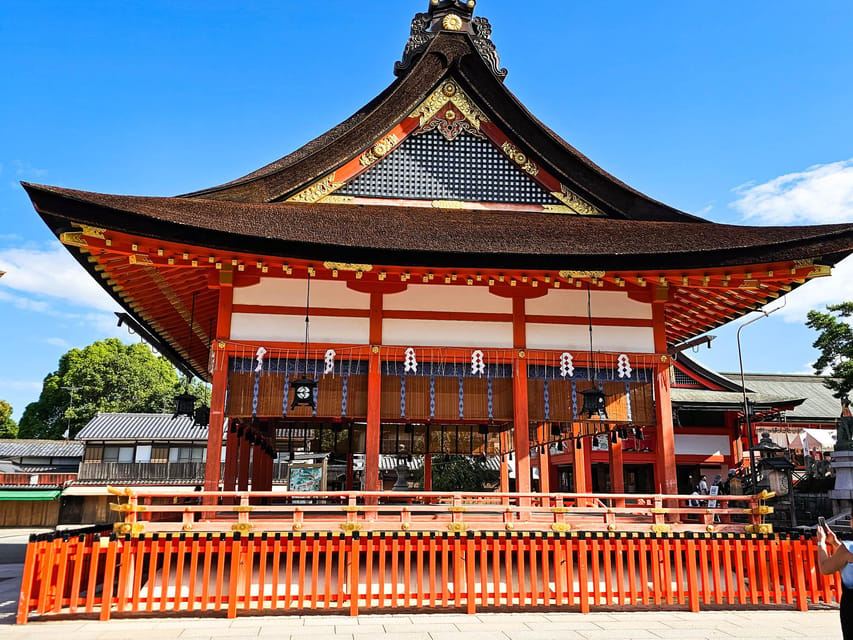
Option A includes both the lower and upper shrine areas. It adds roughly an hour of walking and takes you farther up Mount Inari.
This is the better choice if you want more than the famous gates. The upper area includes smaller shrines and views over Kyoto and the nearby mountains. The changing elevation also gives you a stronger sense that Fushimi Inari is a mountain sanctuary, not only a monument at street level.
The extra hour matters. This is not just a few added steps. You should expect a more demanding outing, especially in warm weather or if you are not used to uphill walking. Some guides have been praised for checking on water, suggesting breaks, and adjusting their pace when needed. That personal attention helps, but it does not remove the physical effort.
The activity specifically advises against the tour for pregnant women and people with mobility impairments, heart problems, or respiratory issues. If you are uncertain about the longer route, the lower section is the safer choice, but the activity may still not suit you if walking itself is difficult.
Other walking tours we've reviewed in Kyoto





The shorter route for a tight Kyoto schedule
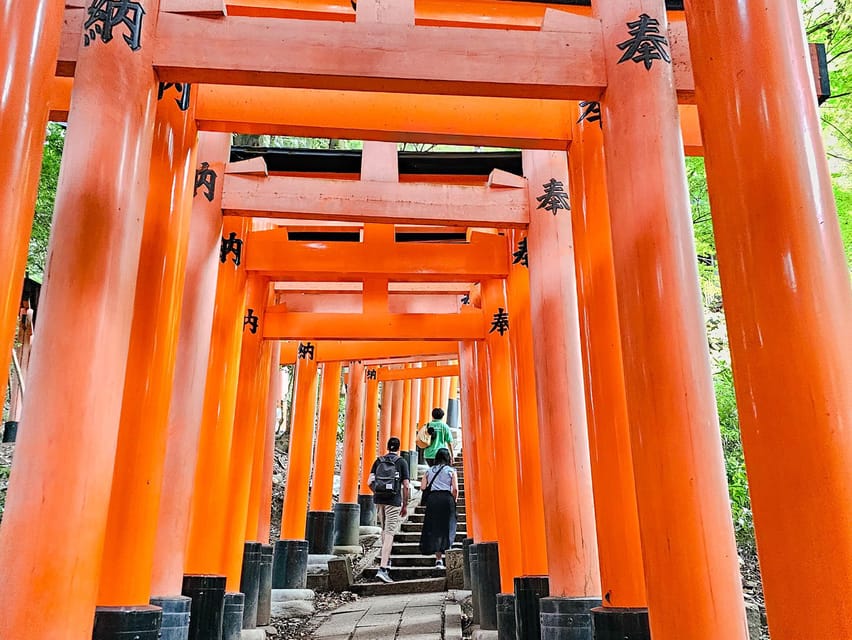
Option B focuses on the lower part of Fushimi Inari and takes you toward the most photographed torii gates without the additional mountain walk.
I would choose this version if you have only a couple of hours, are traveling with small children, or want to save your legs for other Kyoto sights. One guide even accommodated a group with two children and strollers, though you should not assume every route or moment will be equally easy with a stroller.
The short option also makes sense during a packed day. At $24 per person, you are paying a modest amount for an English-speaking guide, entrance fees, and organized walking time. If you mainly want orientation and the classic gate passage, you do not need to pay for a longer excursion.
The limitation is that your visit may feel brief. Fushimi Inari rewards extra time, and the upper trail provides the mountain views that the lower route cannot. If the shrine is a major reason for your Kyoto visit, consider the longer option and allow enough time for a steady pace.
Street food and the final 30 minutes
After the shrine walk, the itinerary includes about 30 minutes of street food and walking before returning to Daily Yamazaki Fushimi Inari Shrine.
Food and drinks are not included, so carry money for anything you want to buy. This part is less structured than the shrine visit, which is useful if you want a small snack or a look at the local food area without committing to a full meal.
The street food stop also gives the tour a natural ending. You move from religious buildings and mountain paths back toward everyday Kyoto life. If you need to continue sightseeing, you can use the time to ask your guide for suggestions. One guide was specifically praised for recommending places to eat, though recommendations can vary by guide.
Do not count on this section as lunch. It is a short walk with food options, not an included meal. If you need a substantial meal afterward, plan for it separately.
What the $24 price really covers
At $24 per person, this is a low-cost guided introduction to one of Kyoto’s major sights. The fee includes the English-speaking guide, entrance fees, and the walking tour.
The main value is not admission. Fushimi Inari is known for being accessible to independent visitors, so the guide is what changes the equation. You are paying for explanations about Inari, fox messengers, the torii gates, and the shrine’s two-part layout, along with help finding your way through the site.
The small group limit improves that value. A group of up to nine people is easier to hear and manage than a large procession. It also gives you a better chance to ask questions or request a brief pause.
The tour does not cover hotel transport, food, drinks, or personal expenses. You should also factor in your own transport to the meeting point. At this price, that division is fair, but it means you should not expect a private car, meal, or all-day experience.
Free cancellation is available up to 24 hours before the activity for a full refund. You can also reserve and pay later, which is useful when your Kyoto plans are still shifting.
The guides make the difference
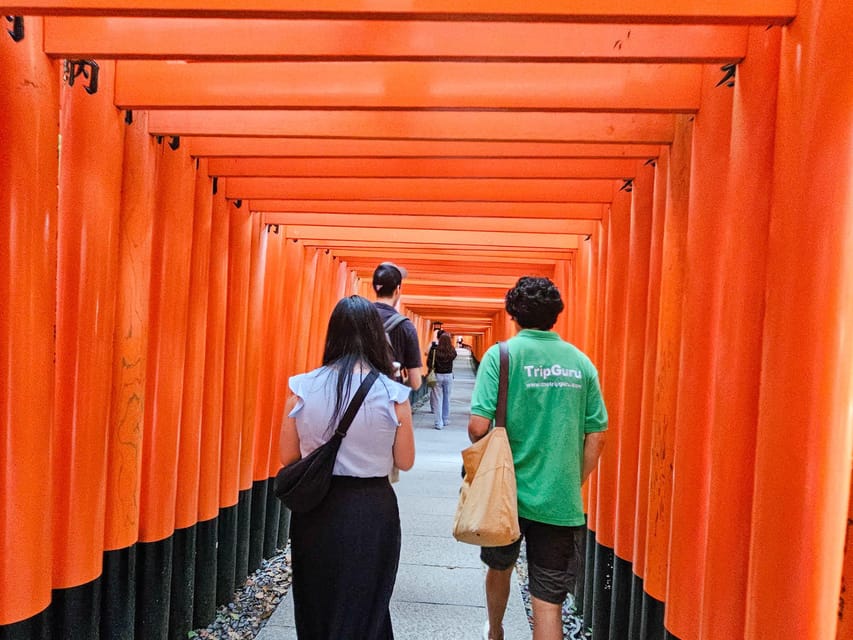
The guide is central to this experience. The strongest examples include Katz, praised for clear explanations and a friendly manner; Christiana, described as personable; Raphael, who made an effort to help a family with children and strollers; and Nobumasa, remembered for a friendly and well-informed walk.
Other guide feedback points to useful small touches: taking photographs, checking hydration, carrying a bag, offering breaks, and patiently answering repeated questions. Those details matter on a walking tour because they affect both comfort and pace.
Still, guide-led experiences are not identical every time. Your guide may have a different personality or teaching style. The reliable features are the English language, small group format, and planned route. The exact stories, pace, and amount of personal attention can vary.
If you enjoy asking questions, this format should suit you. If you prefer to wander alone and set your own pace, independent entry may be a better match.
Who should book this Kyoto tour
This tour suits you if you want a short, guided introduction to Fushimi Inari and prefer not to work out the shrine’s layout alone. It is also useful for first-time visitors who want cultural context as well as photographs.
I would particularly consider it for:
- First-time Kyoto visitors with only two or three hours available
- People who want an English-speaking guide without paying for a private tour
- Couples and solo visitors who appreciate help with photographs
- Families who can manage the walking and want a guide who may adjust the pace
- Visitors deciding between a short gate visit and a longer Mount Inari walk
It is less suitable if you have limited mobility, heart or respiratory problems, or are pregnant. The longer option requires uphill walking, and comfortable shoes are essential.
Practical advice for a smoother visit
Arrive early. Kyoto traffic can add time beyond what a map app predicts, and the guide waits only 10 minutes.
Dress respectfully. This is an active Shinto shrine, not simply a scenic walkway. Choose modest clothing and shoes that will remain comfortable during the walk.
Decide in advance how much walking you want. Option A gives you the upper shrine, smaller shrines, and mountain views, but it adds about an hour. Option B is better for a quick visit and the most recognizable torii gates.
Carry water and allow for weather. Guides have helped participants stay hydrated, but drinks are not included. Personal expenses remain your responsibility.
Finally, leave room for questions. The best use of a guided visit is not rushing from gate to gate. Ask about the fox statues, the shrine’s purpose, and the meaning behind the offerings. That is where the $24 becomes more than a route through a famous photo spot.
Should you book Fushimi Inari Taisha Guided Walking Tour?
Book it if you want cultural explanation, a small group, and a compact schedule at a reasonable price. The short route covers the essential setting, while the longer route adds Mount Inari walking and city views.
Skip it if you already know the shrine well, prefer total independence, or cannot comfortably manage the walking. For most first-time visitors, though, this is a sensible way to see Fushimi Inari without giving up half a day. Choose the route honestly, arrive early, wear proper shoes, and let the guide turn the famous red gates into a more meaningful visit.
FAQ
How long does the Fushimi Inari guided walking tour last?
The activity lasts two to three hours. The longer route includes about an additional hour of walking.
What language is the tour conducted in?
The live tour guide speaks English.
How many people are in the group?
The group is limited to nine participants.
Where is the meeting point?
Meet your guide at Daily Yamazaki Fushimi Inari Shrine. The guide will wear a TripGuru shirt or hold a TripGuru sign.
Are entrance fees included?
Yes. Entrance fees are included in the tour price.
Is food included?
No. Meals, drinks, and personal expenses are not included. The itinerary includes about 30 minutes for street food and walking.
Can I choose a shorter route?
Yes. Option B covers the lower part and the main torii gate area without the longer Mount Inari walk. Option A includes both lower and upper sections.
What should I wear and bring?
Wear comfortable shoes and dress modestly for the shrine. Avoid clothing that is too revealing or casual, such as tank tops or very short shorts.
Can I cancel the booking?
You can cancel up to 24 hours in advance for a full refund. The activity also allows you to reserve now and pay later.
More Guided Tours in Kyoto



More Walking Tours in Kyoto
More Fushimi Inari Tours in Kyoto

More tours in Kyoto we've reviewed







Fushimi Inari Tours, compared.
 ★ 4.8Kyoto: Fushimi Inari, Kinkakuji, Bamboo Grove 1 Day Bus TourFrom $122510 minutes - 9 hours
 ★ 5.0Fushimi Inari Hidden Hiking Tour (Private Option Available)From $63
 ★ 4.7Kyoto/Osaka: Nara, Fushimi Inari Taisha, Arashiyama Bus TourFrom $529 - 10 hours
 ★ 4.4Osaka/Kyoto: Arashiyama, Nara & Fushimi Inari Shrine w/LunchFrom $61
 ★ 5.0Kyoto: Nijo, Kinkaku-ji, Arashiyama, Kiyomizu & Fushimi InariFrom $51
 ★ 5.0Kyoto Fushimi-Inari Night Walking TourFrom $43