
Reviewed · TEA CEREMONY EXPERIENCES
Kyoto: Private Tea Ceremony at local home with tea master
A tea ceremony in a local home gives you something a formal sightseeing stop often misses: a close look at how Japanese hospitality works, one careful movement at a time. Near Nijo Castle, a certified tea master explains the meaning behind the cloth, bowl, scoop, whisk, and every measured gesture.
I like the private-group setting, which lets you ask questions without feeling lost in a crowd. I also like the thoughtful pairing of Uji matcha and made-to-order seasonal sweets, since the sweets soften the tea’s bitterness and make the ceremony easier for first-timers to appreciate.
The one concern is the one-hour limit. The class covers history, etiquette, a demonstration, your own matcha preparation, questions, and reflection, so the final part may feel brisk if another appointment follows. Wear the right clothes and arrive ready to focus.
In This Review
- Key points at a glance
- Why a home tea ceremony works so well in Kyoto
- Getting to the tea room near Nijo Castle
- The opening lesson: history before the tea
- Understanding the chawan, chasen, and chashaku
- Watching the tea master’s demonstration
- Making your own bowl of Kyoto matcha
- Two seasonal sweets with a practical purpose
- Etiquette that helps you feel at ease
- Time for questions, reflection, and a certificate
- Is $101 a fair price for one hour?
- Who should book this experience?
- My practical verdict
- FAQ
- Where does the tea ceremony take place?
- How long does the tea ceremony last?
- How much matcha and how many sweets are included?
- Is the experience taught in English?
- What should I wear?
- Can people with dietary needs or mobility requirements take part?
Key points at a glance
- A local home near Nijo Castle: The tea room is a short walk from Nijo Castle and Nijojo-mae subway station.
- Aya-san and certified instruction: The host teaches in English or Japanese and explains both the actions and ideas behind the ceremony.
- Two matcha servings: You watch the formal preparation, then prepare matcha yourself.
- Seasonal Japanese sweets: Two kinds of traditional dried sweets are served with the tea.
- A private, accessible experience: The activity is for a private group and is wheelchair accessible.
- Traditional dress rules matter: Bring socks and wear long trousers or a long skirt. Shorts, bare feet, strong fragrance, and shoes indoors are not allowed.
Why a home tea ceremony works so well in Kyoto
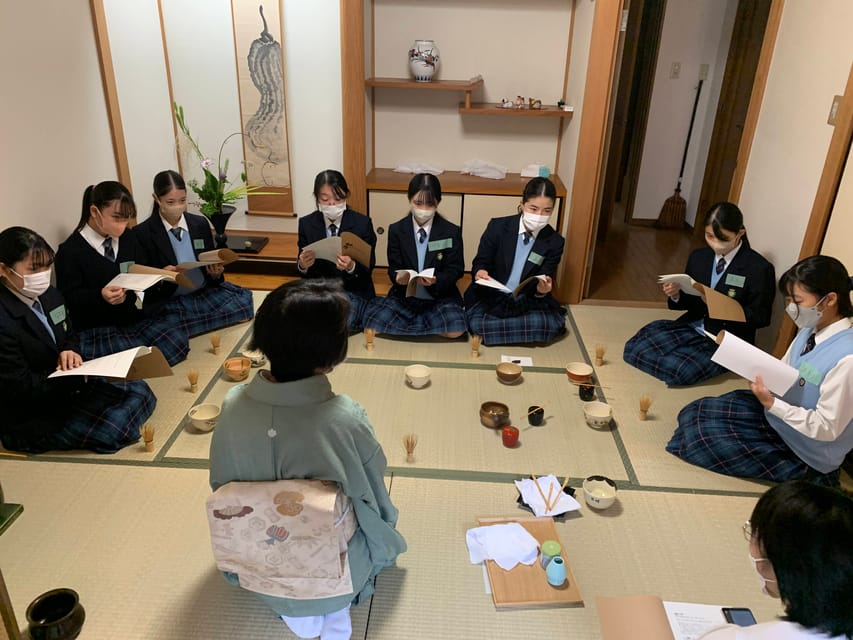
Kyoto has no shortage of cultural activities, but a tea ceremony is different from simply looking at an old building. It asks you to slow down and notice small things: how a bowl is held, how a guest receives it, and how the host prepares the room for a single meeting.
This session takes place in a local home near Nijo Castle and the Kyoto Imperial Palace. That location is useful if you are already visiting central Kyoto, and it keeps the experience connected to an ordinary neighborhood rather than placing it in a large visitor complex.
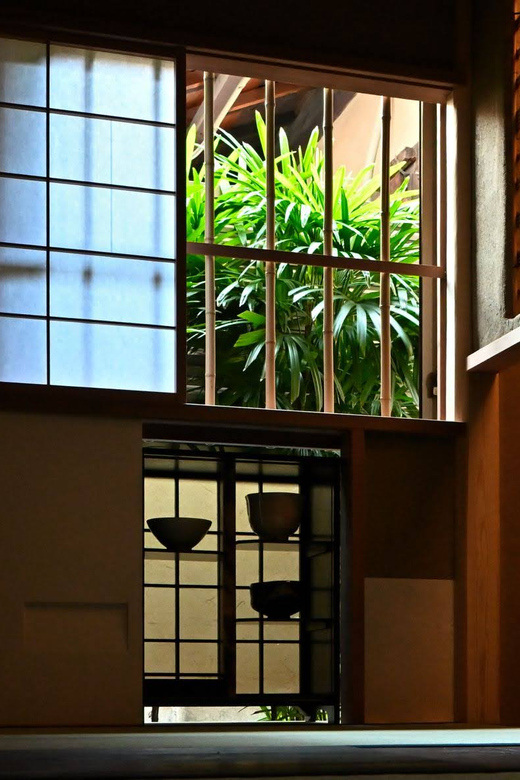
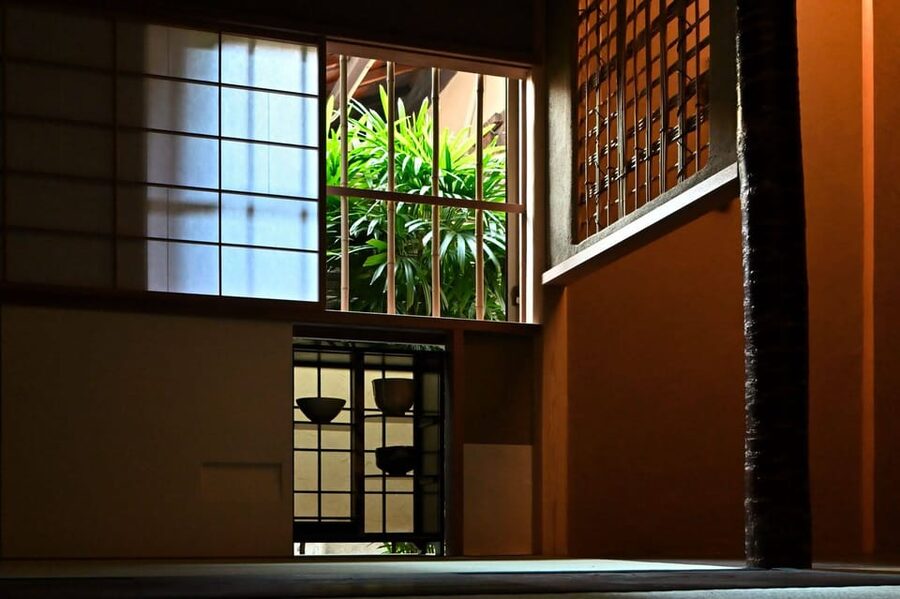
The tea room itself is part of the lesson. The setting reflects Japanese ideas of respect, calm, care, and seasonal hospitality. You are not only told about those ideas. You see them in the order of the ceremony and in the attention given to each utensil.
I especially like the way the class is built for beginners. You do not need to know Japanese terms or understand the ceremony before arriving. The tea master breaks down the actions and explains why they matter, so the formality feels approachable instead of intimidating.
A few more Kyoto tours and experiences worth a look
Getting to the tea room near Nijo Castle
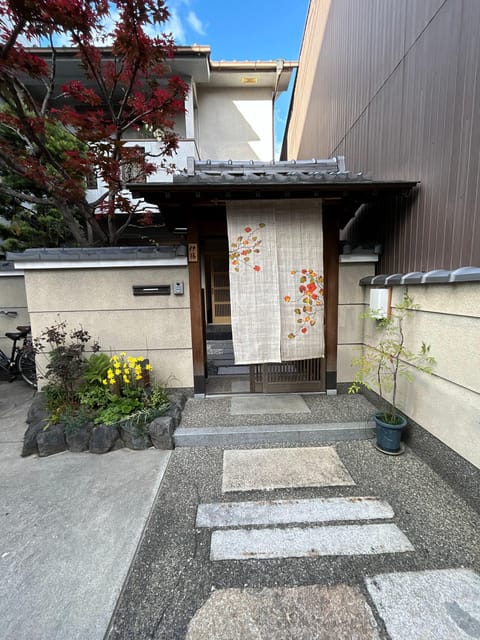
The meeting point is さくら 日本文化体験, known in English as Sakura Japanese Cultural Experience. It is about three minutes on foot from Nijo Castle and roughly three minutes from the Nijojo-mae Kyoto City Bus stop.
The closest subway access is Nijojo-mae Station on the Kyoto subway line, also about a three-minute walk away. From Shijo Station on the Hankyu line, allow about 15 minutes on foot. A taxi from Kyoto Station takes about 10 minutes, according to the supplied directions.
This is a handy stop to pair with Nijo Castle. You can visit the castle first, take a short walk to the tea room, and then continue toward the Imperial Palace area. Give yourself enough time to find the entrance, since a private home setting may not be as instantly obvious as a large museum or hotel.
Arrive dressed for the tea room. Long trousers or a long skirt are required, and you need socks. Shorts, short skirts, sleeveless shirts, hats, jewelry, strong perfume, and bare feet are not suitable for the space. If you forget socks, they are available for purchase, but bringing your own is simpler.
Shoes are removed indoors. Smoking and vaping are prohibited, as are alcohol and drugs. Video and audio recording are not permitted, so plan to put your phone away and give the ceremony your full attention.
The opening lesson: history before the tea
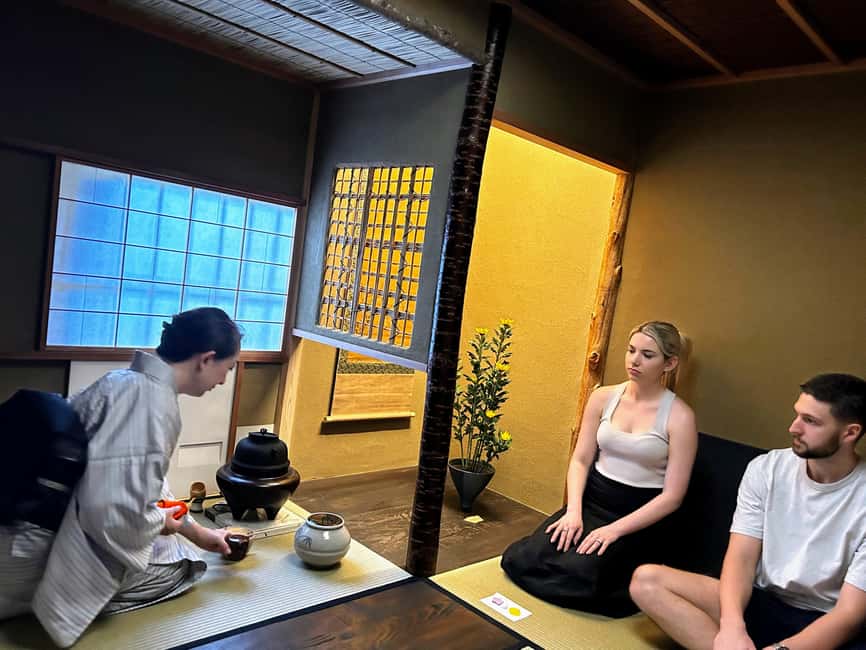
The class begins with an introduction to the history and cultural background of Japanese tea ceremony. This opening matters because the ceremony can seem overly precise if you see only the surface movements.
The instructor explains how the practice developed and how it has continued into modern Japanese life. You learn about its connection to manners, hospitality, and a calm state of mind. The goal is not to turn you into a tea scholar in an hour. It is to give each action a clear purpose.
That approach makes the experience more useful than a quick photo opportunity. You begin to understand why a host handles objects with care and why a guest does not simply grab the bowl and drink.
The teaching is available in English or Japanese. The class is intended for beginners, and complex words and movements are explained in simple terms. That is important if you have never attended a ceremony and worry about making a mistake.
Understanding the chawan, chasen, and chashaku
A key part of the session is the explanation of the tea utensils. You learn about the chawan, or tea bowl; the chasen, or bamboo whisk; and the chashaku, or tea scoop.
These are not just tools for making a drink. Their use and care show the respect built into the ceremony. The instructor explains the role of each item, how it is handled, and practical points about caring for utensils in everyday life.
Pay attention to the tea bowl. Its shape and surface affect how the tea is presented and held. You also learn how to receive and turn the bowl properly, which prevents you from placing your lips on the front display side.
The details may sound small, but they give the ceremony its structure. Once you know what to look for, a simple bowl and whisk become part of a larger act of hospitality.
Watching the tea master’s demonstration
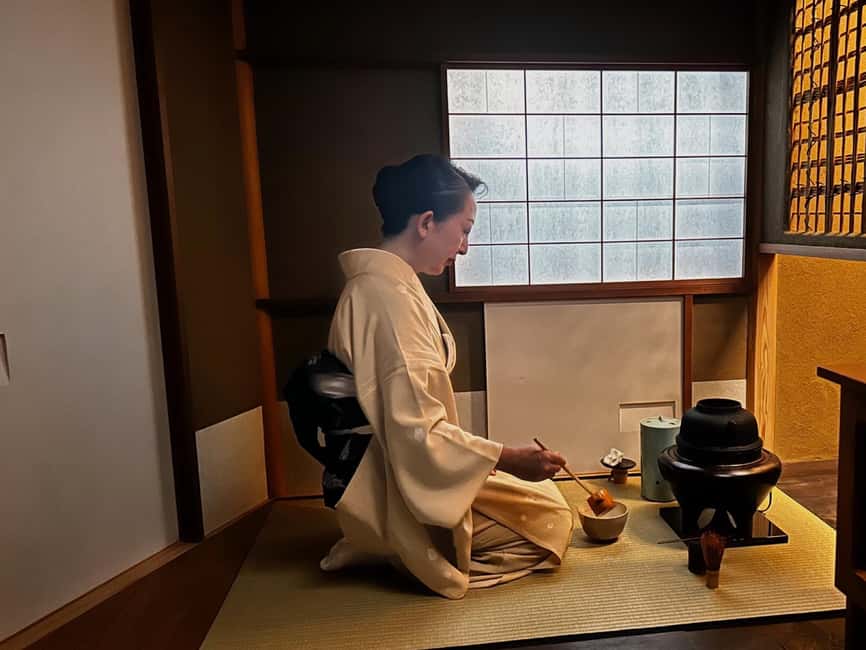
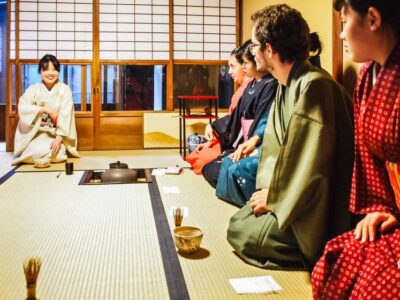
After the explanation, the tea master demonstrates the ceremony. This is the quietest part of the experience, and it is worth resisting the urge to rush through it mentally.
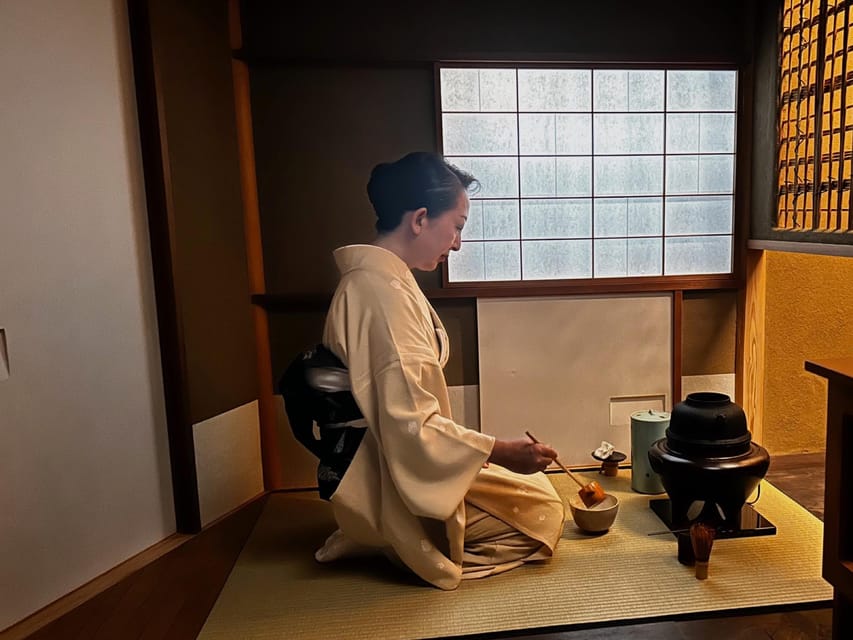
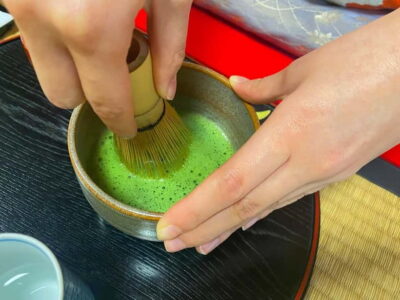
You watch the cloth being folded, the utensils being arranged, the matcha being measured, and the tea being whisked. Each gesture is deliberate. The instructor explains the meaning behind the movements, so you are not left guessing why the preparation takes time.
The demonstration also shows the difference between making matcha at home and preparing it as part of a formal tea tradition. The drink is still made from powdered green tea and hot water, but the process gives it a sense of occasion.
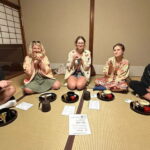
This is where the setting earns its keep. In a local home, the ceremony feels personal and close. The calm atmosphere, attractive bowls, and careful presentation help you notice things that might be lost in a larger group.
Other private tours in Kyoto


Making your own bowl of Kyoto matcha
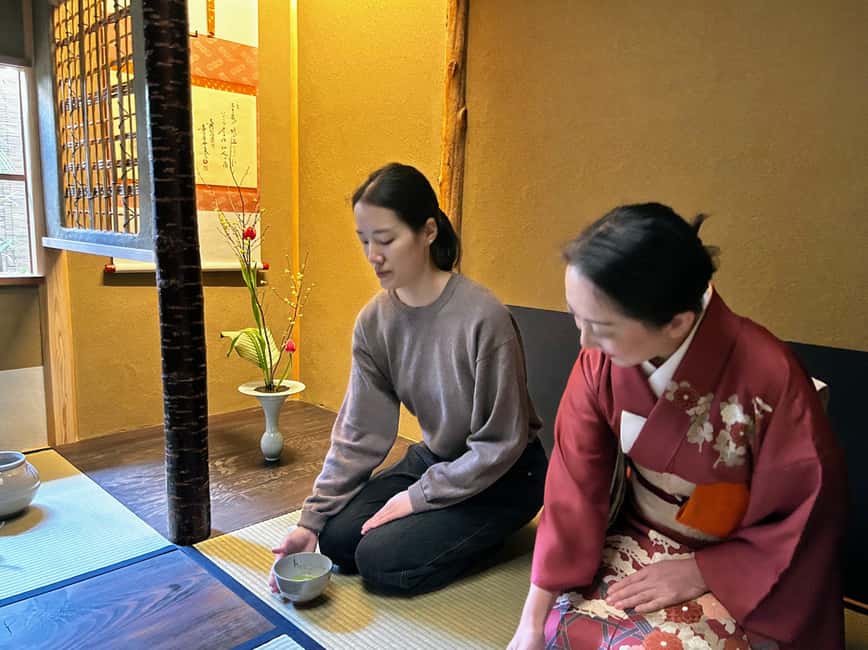
The hands-on portion lets you prepare matcha yourself. You get to use the whisk, follow the tea master’s instructions, and experience the physical rhythm of the preparation.
Do not expect perfection on your first attempt. The point is to understand the work involved and to feel the change from watching to participating. The tea master guides you through the steps, including how to handle the bowl and whisk the powder into a smooth drink.
The matcha is sourced from Uji in Kyoto, an area closely associated with high-quality Japanese tea. You receive two cups in total, one prepared as part of the ceremony and another connected to your own participation.
Matcha has a strong, grassy taste and can be bitter if you are used to black tea or sweetened drinks. That is why the sweets are important rather than decorative. Their sweetness balances the tea and helps you notice its flavor more clearly.
Two seasonal sweets with a practical purpose
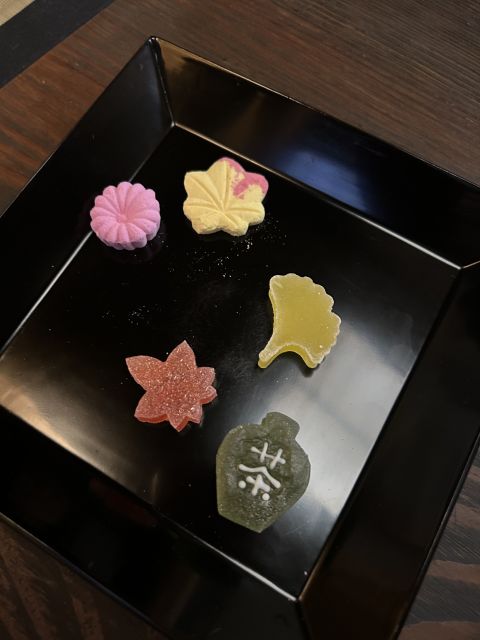
The experience includes two kinds of traditional Japanese dried sweets. They are beautiful and seasonal, but they also serve a practical role in the ceremony.
You eat the sweet before drinking the matcha. Its sugar prepares your palate for the tea’s bitterness, creating a more balanced taste. Because the sweets are made to order and reflect the season, they add a small sense of time and place to the lesson.
The sweets also show how Japanese food presentation can be restrained without being plain. Do not expect a large snack plate. This is a carefully chosen accompaniment, not a meal.
If you have dietary needs, the experience accommodates LGBTQ guests, halal diets, vegan preferences, and various allergies. Tell the provider about your needs when booking so the preparation can be handled properly.
Etiquette that helps you feel at ease
The class teaches the basic manners for both preparing and drinking tea. You learn how to pick up the bowl, where to turn it, how to appreciate it, and how to return it.
You will also learn the mindset behind the etiquette. The ceremony is not about showing off perfect manners. It is about acknowledging the host’s effort, respecting the objects, and being present for the meeting.
That distinction helps. Many first-time participants worry that one wrong movement will ruin the experience. The beginner-friendly format keeps the tone relaxed, while still giving you a real introduction to traditional practice.
The tea master, who was born and lives in Kyoto, also provides a direct connection to local culture. You can ask questions about the ceremony and its place in Japanese life rather than relying only on a guidebook explanation.
Time for questions, reflection, and a certificate
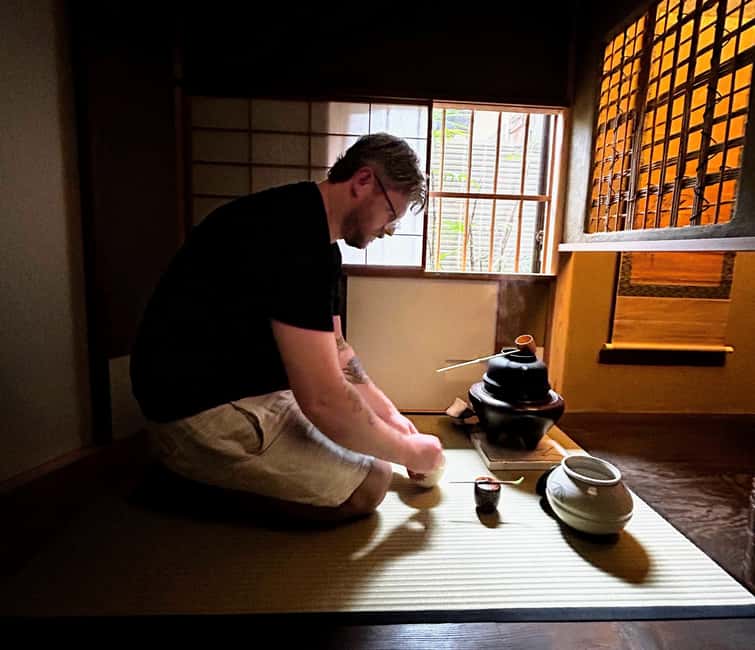
The final part includes questions and reflection. Use this time well. Ask about the differences between everyday matcha and ceremonial preparation, the care of utensils, or anything that seemed unclear during the demonstration.
The one-hour format means you should keep your questions focused. The class covers a lot in a short period, and the ending may feel quick if another group is due to arrive. One earlier booking found the last part rushed for that reason, so do not schedule a tight connection immediately afterward.
You receive a certificate from the tea master. It is not a formal qualification, but it is a pleasant keepsake from the class and a reminder of the techniques you practiced.
The return to the same location makes the logistics easy. There is no second meeting point or transport between activities. The full session begins and ends at Sakura Japanese Cultural Experience.
Is $101 a fair price for one hour?
At $101 per person, this is not a cheap cup of tea. You are paying for a private-group setting, a certified tea master, English or Japanese instruction, two servings of matcha, two kinds of sweets, hands-on practice, and a certificate.
The value depends on what you want from Kyoto. If your main goal is a quick taste of matcha, you can spend far less at a tea shop. If you want a guided explanation of the ceremony, direct practice, and a quieter home setting, the price is easier to justify.
The private format is the biggest value point. You can ask questions and receive help with the utensils without competing with a large crowd. That matters for anyone who wants cultural context rather than a short staged presentation.
The short duration also keeps the experience easy to fit into a busy Kyoto day. You are not giving up half a day, but you should accept that the class offers an introduction rather than a full study of tea ceremony.
Free cancellation is available up to 24 hours before the activity for a full refund, and you can reserve now and pay later. Those policies help if your Kyoto schedule is still changing.
Who should book this experience?
I would choose this for adults and older teenagers who want a calm cultural activity close to central Kyoto. Children under 13 are not accepted, so families with younger children will need another plan.
It is especially suitable for first-time visitors who want an explanation of Japanese customs without committing to a long workshop. It also works well for returning visitors who already know Kyoto’s major temples and want something more personal.
Couples, solo visitors, and small private groups should find the format comfortable. The private arrangement also helps if you have questions about etiquette or need dietary accommodations.
This is not the right choice if you dislike removing shoes, following clothing rules, sitting or behaving carefully in a formal room, or putting away your phone. Recording is prohibited, and the ceremony asks for quiet attention.
Wheelchair access is available. Since the activity takes place in a traditional tea room, confirm any specific mobility needs before booking so the host can prepare appropriately.
My practical verdict
Book this tea ceremony if you want to understand the ideas behind the ritual, not simply drink matcha in a traditional-looking room. The combination of a local home, a Kyoto-born tea master, two cups of Uji matcha, seasonal sweets, and hands-on preparation gives the hour real substance.
The main limitation is pace. History, utensils, etiquette, demonstration, practice, and questions are a lot to fit into 60 minutes, so arrive early and keep the rest of your day flexible around it.
For the best experience, wear socks, choose long comfortable clothing, skip perfume, and visit Nijo Castle before or after. At $101, this is a special-interest purchase rather than a budget activity, but it is a sensible choice if personal instruction and cultural understanding matter more to you than duration.
FAQ
Where does the tea ceremony take place?
It takes place at Sakura Japanese Cultural Experience, in a local home near Nijo Castle and the Kyoto Imperial Palace area.
How long does the tea ceremony last?
The activity lasts one hour and begins and ends at the same meeting point.
How much matcha and how many sweets are included?
You receive two cups of matcha and two kinds of traditional Japanese dried sweets.
Is the experience taught in English?
Yes. The instructor teaches in English and Japanese.
What should I wear?
Wear comfortable clothing, long trousers or a long skirt, and socks. Shorts, short skirts, sleeveless shirts, hats, jewelry, strong fragrances, and bare feet are not allowed.
Can people with dietary needs or mobility requirements take part?
The experience accommodates LGBTQ guests, halal diets, vegan preferences, and various allergies. It is wheelchair accessible. Children under 13 are not accepted.
More Private Tours in Kyoto
More Tea Ceremony Experiences in Kyoto
More tours in Kyoto we've reviewed





Tea Ceremony Experiences, compared.
 ★ 4.9Kyoto: Tea Ceremony in a Traditional Tea House in KiyomizuFrom $4945 min
 ★ 4.9Kyoto: Tea Ceremony Ju-An at Jotokuji TempleFrom $291h 10m
 ★ 4.3Kyoto: 45-Minute Tea Ceremony Lesson ExperienceFrom $2245 min
 ★ 5.0World Heritage Kyoto & Nara Uji Authentic Matcha ExperienceFrom $129
 ★ 4.9Kyoto: Table-Style Tea Ceremony at a Kyo-MachiyaFrom $451h 30m
 ★ 5.0Kimono Tea Ceremony at Kyoto Maikoya, NISHIKIFrom $65