
Reviewed · GION & GEISHA WALKS
Kyoto Sushi & Takoyaki Cooking Class near Gion and Kiyomizu-dera!
Kyoto’s food culture becomes much easier to understand when you make the dishes yourself. In a traditional machiya near Gion and Kiyomizu-dera, HANA guides you through rolled sushi and takoyaki, then adds stories about everyday Japanese cooking, local customs, and life in Kyoto.
I like the small maximum of six people, which gives the class a personal feel. I also like that the meal is not just a cooking lesson: you eat what you make, choose sake, beer, or juice, and finish with matcha mochi ice cream. The main consideration is price. At $96.19 per person for about two hours, this is not a cheap lunch, though the food, instruction, drinks, dessert, and recipes make the package easier to justify.
In This Review
- Key points
- Cooking in a Higashiyama machiya
- Meeting HANA and learning through food
- Making rolled sushi by hand
- Shaping takoyaki for lunch
- Sake, beer, juice, and matcha mochi ice cream
- What the $96.19 price covers
- Planning your two hours in Kyoto
- Who will enjoy this class most
- Final verdict: a tasty Kyoto break with real value for food fans
- FAQ
- How long does the Kyoto sushi and takoyaki class last?
- Where does the class meet?
- What dishes will I make?
- Is food and drink included?
- How many people can join the class?
- Can young children participate?
Key points
- Cook two Japanese favorites: Make rolled sushi and takoyaki with hands-on guidance from local instructor HANA.
- Work inside a Kyoto machiya: The class takes place in a traditional townhouse in Higashiyama, near Gion and Kiyomizu-dera.
- Keep the group small: The class accepts a maximum of six people, useful if you prefer direct help and conversation.
- Eat a full meal: Your rolled sushi and takoyaki become lunch, followed by matcha mochi ice cream.
- Choose your drink: Sake, beer, or juice is included with the meal.
- Leave with useful skills: Recipes and cooking tips help you repeat the dishes at home.
Cooking in a Higashiyama machiya
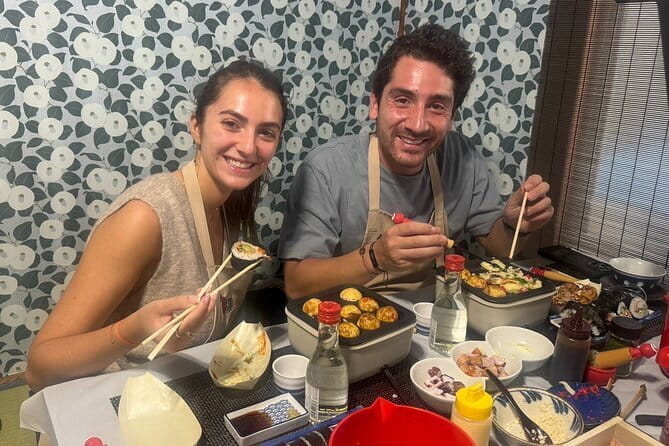
The setting gives this class much of its appeal. You meet at Hanakiya Inn, at 6-chōme-583-101 Gojōbashihigashi in Kyoto’s Higashiyama Ward. This puts the activity in one of Kyoto’s most visited areas, close to the Gion and Kiyomizu-dera sights named in the tour description.
A machiya is a traditional Kyoto townhouse. The word alone does not guarantee a grand historic interior, so I would not book this expecting a museum visit. The value is more practical: you are cooking in a local-style space rather than sitting in a generic hotel classroom or a large restaurant kitchen.
The activity begins and ends at the same meeting point. That makes planning easier, especially if you are building a day around eastern Kyoto. You can visit Kiyomizu-dera before the class, schedule the class before an afternoon walk, or use it as a break between sightseeing stops.
The tour does not include hotel pickup. You need to reach Hanakiya Inn on your own, so allow time to find the exact address. Confirmation arrives when you book, and the meeting point is near public transportation.
A few more Kyoto tours and experiences worth a look

Meeting HANA and learning through food
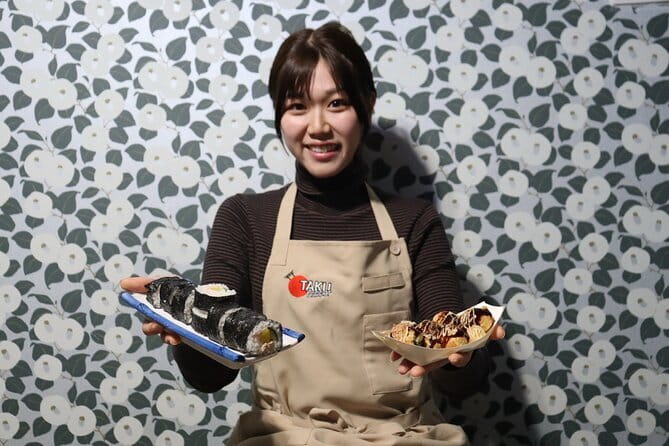
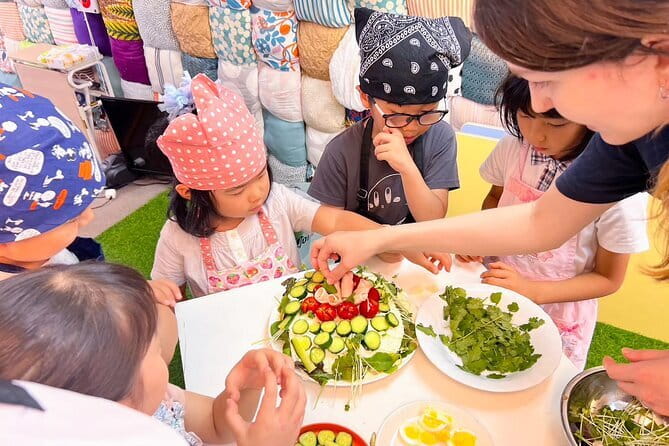
HANA leads the class in English and brings more than a set of written instructions. The lesson includes stories about Japanese culinary customs and ordinary life in Japan, giving you useful context as you prepare the food.
That context matters. Sushi and takoyaki are easy dishes to recognize, but cooking them helps explain how they fit into Japanese eating habits. You are not simply watching a chef assemble lunch. You are handling ingredients, following each stage, and seeing how simple components become familiar Japanese dishes.
HANA’s role is especially important because this is a small class. With no more than six people, you should have a better chance to ask questions and receive help than in a large group. One earlier participant described the class presentation as well organized and enjoyable, with enough food that leftovers could be taken away. That detail is useful: plan to arrive hungry.
The class also suits people who like conversation. The format combines food preparation with cultural explanation, so it is a better match for you if you want some local perspective along with lunch. If you only want to eat and move on quickly, a restaurant will be faster and less expensive.
Making rolled sushi by hand
Rolled sushi is one of the two main dishes you prepare. The attraction here is the process. Instead of ordering a finished roll, you learn how it is put together and take part in the work from start to finish.
The supplied ingredients and cooking tools are included, so you do not need to bring equipment. HANA guides you through the preparation and shares recipes and tips that you can use later in your own kitchen.
The class description does not promise a particular sushi style or list every ingredient. That is useful to remember if you have specific dietary needs or strong dislikes. You can ask for details after booking or when you receive confirmation, but do not assume every preferred ingredient can be changed.
For many people, rolled sushi will be the more familiar dish. Takoyaki adds a different kind of kitchen task and keeps the class from feeling like a single-recipe lesson. Making both gives you a broader look at Japanese home-style and casual food traditions in one sitting.
Shaping takoyaki for lunch
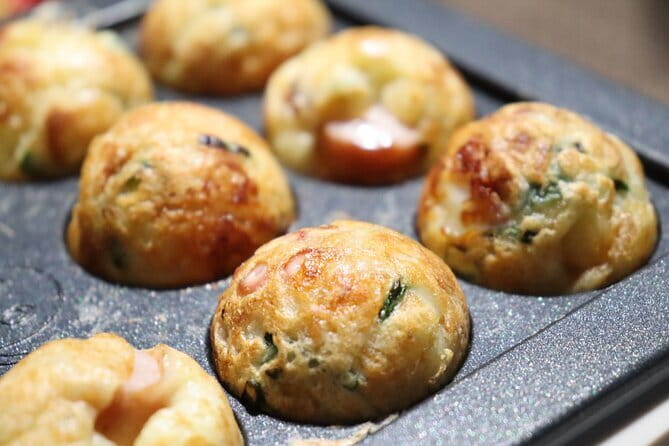
Takoyaki are round savory snacks traditionally associated with Osaka, but they are popular across Japan. Here, they form the second half of your hands-on meal.
The activity gives you a chance to make both rolled sushi and takoyaki rather than only learning one recipe. That variety is a strong reason to consider the class, particularly if you have already eaten sushi during your Kyoto visit and want something less familiar.
The description does not spell out every cooking step, so I would treat the class as an introduction rather than a professional cooking course. You will learn the dishes with guidance from HANA, but the goal is an enjoyable cultural meal, not chef certification.
The food is also the lunch included in the price. That means you should consider the class as both an activity and a meal. It is scheduled for about two hours, so you get a structured break from sightseeing without losing a full morning or afternoon.
Sake, beer, juice, and matcha mochi ice cream
After cooking, you eat the rolled sushi and takoyaki you made. A drink is included, and you can choose sake, beer, or juice. This is a small but useful choice. Adults who want a taste of local drinking culture can select sake, while beer or juice works better for anyone avoiding alcohol.
The sake element adds a local touch, but it is not described as a tasting course. You should think of it as a drink served with lunch, not a detailed lesson about brewing regions or sake styles.
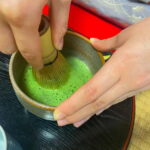
Dessert is matcha mochi ice cream. Matcha brings a slightly bitter green-tea flavor, while mochi gives the ice cream a chewy rice-cake covering. If you like Japanese sweets, this is a fitting finish. If you do not enjoy matcha, the dessert may be less appealing, and no alternate dessert is listed.
Food portions appear generous. One participant found the meal plentiful enough that everything could not be finished and some was taken away. I would not count on leftovers, since appetites vary, but the comment suggests this is more substantial than a small demonstration with a few samples.
A few more Kyoto tours and experiences worth a look
What the $96.19 price covers
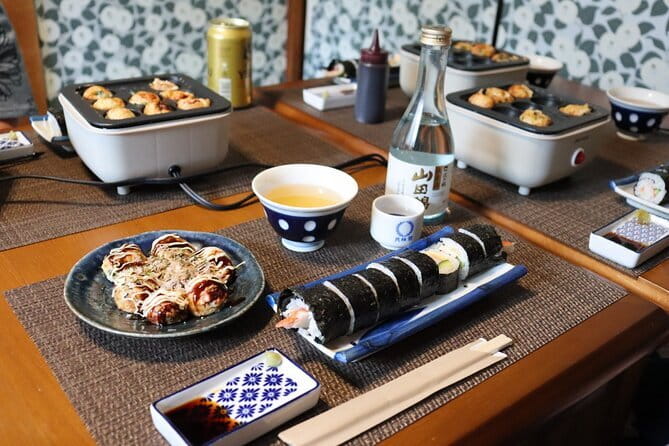
At $96.19 per person, the class costs more than a casual Kyoto lunch. The right question is what you receive for the difference.
Your fee covers an English-speaking local instructor, all ingredients, cooking tools, lunch, dessert, and one drink. You also receive recipes and cooking advice. With a maximum of six people, the price includes a more personal format than a large cooking event might offer.
The meal alone does not make this a bargain. Rolled sushi and takoyaki can be found at modest prices around Japan. The value comes from combining lunch with instruction, cultural conversation, a traditional machiya setting, and recipes you can use later.
I see the strongest value for people who would otherwise pay for a food tour or a cultural workshop. You get a focused two-hour activity in a central Kyoto district, plus something to eat. It is less compelling for you if your main goal is simply to find the cheapest possible meal.
The class has a five-star rating from 11 reviews, with 100 percent recommending it. That is encouraging, though the sample is small. I would treat the rating as a positive signal rather than a guarantee that every dietary preference, age group, or cooking expectation will fit.
Planning your two hours in Kyoto
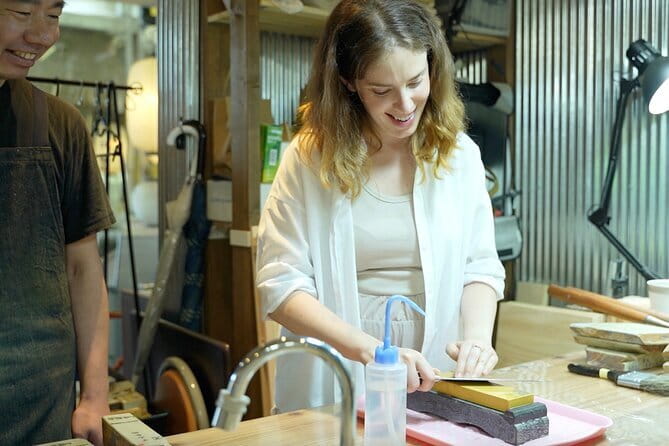
The class lasts about two hours. That is enough time for a complete cooking session and meal, but short enough to fit into a busy Kyoto schedule.
Because the activity begins and ends at Hanakiya Inn, you do not need to arrange a separate return transfer. You can plan your route around the Higashiyama district, but keep walking time and public transportation in mind. The meeting address is precise, so save it on your phone before setting out.
Mobile tickets make the booking process simple. Confirmation is provided at the time of booking, which is useful if you are arranging several Kyoto activities close together.
This activity is often booked around 10 days ahead. That does not promise that every date will sell out, but it is a useful planning clue. The maximum of six people means availability can be more limited than for a large group tour. If the class is important to your itinerary, booking well before your visit is sensible.
Cancellation is flexible enough for normal trip planning: you can cancel up to 24 hours before the experience for a full refund. Check the exact booking time when you reserve, since the deadline is based on the activity schedule.
Who will enjoy this class most
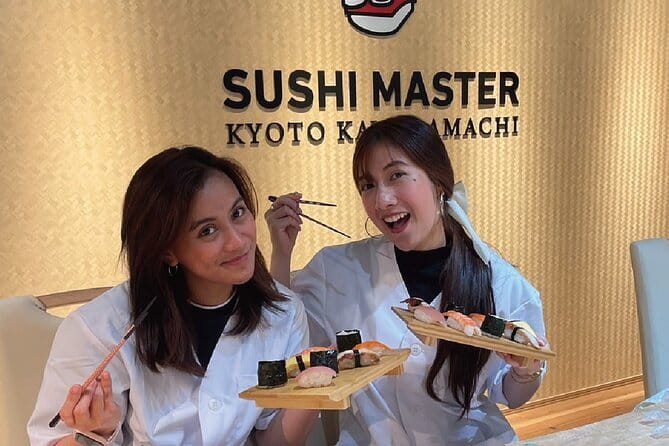
I would recommend this class to food-focused visitors who want to do more than take photographs of lunch. You get your hands on the preparation, eat the result, and hear how the dishes connect to Japanese life.
It is also a good pick for couples, families with older children, and small groups of friends. Children under six cannot take part for safety reasons, so families need to keep the age rule in mind. The six-person maximum can make the class more comfortable for a group that wants direct contact with the instructor.
The experience also suits first-time visitors who want a gentle introduction to Japanese food culture. You do not need a full day or advanced cooking background. The activity is short, central, and built around recognizable dishes.
I would think twice if you are seeking a serious culinary course, a broad market tour, or a long sake education. None of those is promised. You are getting a compact cooking experience with lunch, cultural stories, and a sweet finish.
Dietary questions deserve advance attention. The included menu is rolled sushi and takoyaki, but the available information does not specify vegetarian, vegan, gluten-free, seafood-free, or allergy-friendly options. Ask before booking if ingredients are important to your plans.
Final verdict: a tasty Kyoto break with real value for food fans
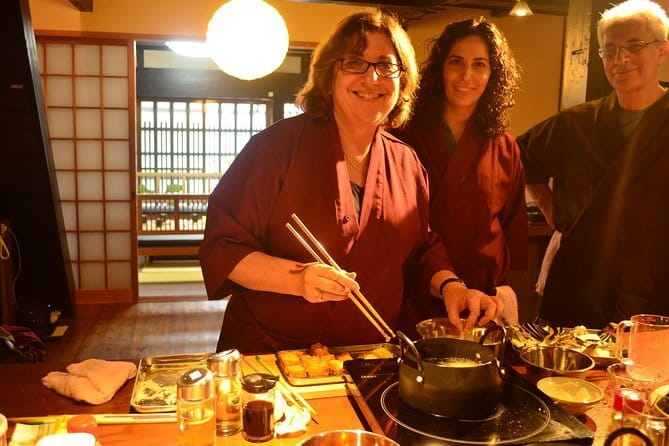
I would book this class if you want a small, social activity near Kyoto’s major Higashiyama sights. HANA’s English instruction, the traditional machiya setting, two dishes to prepare, a choice of drink, matcha mochi ice cream, and take-home recipes give the two hours plenty of substance.
The drawbacks are clear. The price is high for a simple lunch, hotel pickup is not included, the class is not suitable for children under six, and the menu details are limited. Still, the experience offers more than a meal. You get a practical lesson, local food stories, and a chance to make something you can try again at home.
For a food lover, I think the combination is worth the cost. For a budget-minded visitor who only wants to eat sushi and takoyaki, spend your money at a restaurant instead.
FAQ
How long does the Kyoto sushi and takoyaki class last?
The activity lasts approximately two hours.
Where does the class meet?
The class starts and ends at Hanakiya Inn, 6-chōme-583-101 Gojōbashihigashi, Higashiyama Ward, Kyoto, 605-0846, Japan.
What dishes will I make?
You will make rolled sushi and takoyaki during the hands-on cooking class.
Is food and drink included?
Yes. The dishes you make are included as lunch, along with matcha mochi ice cream for dessert and a choice of sake, beer, or juice.
How many people can join the class?
The activity has a maximum of six participants.
Can young children participate?
Children under six years old are not permitted to participate for safety reasons.
More Cooking Classes in Kyoto
More Golden Pavilion & Temple Tours in Kyoto
More Gion & Geisha Walks in Kyoto
More tours in Kyoto we've reviewed
Gion & Geisha Walks, compared.
 ★ 4.7Kyoto Geisha Walking Tour: Gion District & Hidden GemsFrom $252 hours
 ★ 4.7Kyoto: Gion Geisha District Walking Tour – Stories of GeishaFrom $202 hours
 ★ 4.9Best of Kyoto: Gion, Geisha, Pagodas & CobblestonesFrom $242 hours
 ★ 4.5Night Walk in Gion: Kyoto’s Geisha DistrictFrom $211h 40m
 ★ 5.0Kyoto Night Foodie Tour in Gion (9+ dishes + 6 Sake tastings)From $163
 ★ 5.0Kyoto Gion Geisha District Walking Tour – The Stories of GeishaFrom $25