
Reviewed · OSAKA & HIROSHIMA DEPARTURES
Hiroshima, Miyajima 1 Day Bus with Indian Lunch from Osaka, Kyoto
Hiroshima and Miyajima make a powerful pair: one asks you to face the cost of war, the other offers a beautiful Shinto shrine rising from the sea. This 12-hour guided day trip handles the long journey from Osaka or Kyoto and links the two places by bus and ferry.
I like the small maximum group of 20, which should make the day easier to manage than a large coach outing. I also like the Indian curry lunch, with a vegetarian option, and the special ferry route that brings you close to Miyajima’s Great Torii. The main drawback is time. Hiroshima is a long way from Osaka or Kyoto, so the day will be full and carefully timed.
In This Review
- Key points to know before booking
- Why Hiroshima and Miyajima work in one day
- Meeting in Hiroshima and settling into the bus
- Atomic Bomb Dome: a short stop with great weight
- Peace Memorial Museum: the emotional center
- Indian curry lunch and the practical food details
- The ferry to Miyajima and the Great Torii
- Itsukushima Shrine: Japan’s floating red gate
- Omotesando Shopping Street: one hour to roam
- The guide can shape the whole day
- Is $280.16 a fair price?
- Who should book this day trip?
- Should you book it?
- FAQ
- How long does the Hiroshima and Miyajima tour last?
- Where does the sightseeing portion begin?
- Is transportation from Osaka or Kyoto included?
- What attractions are visited?
- Is admission included?
- What is served for lunch?
- Can the tour accommodate food allergies?
- How many people are in the group?
- What happens if the museum is closed or the tour is canceled?
Key points to know before booking
- Atomic Bomb Dome and Peace Memorial Museum: Allow about 30 minutes at the Dome and 1 hour 45 minutes in the museum.
- A moving but demanding morning: The Hiroshima portion deals directly with wartime suffering and nuclear weapons.
- Miyajima’s Itsukushima Shrine: You get about 1 hour 10 minutes at the shrine, with another hour for Omotesando shopping street.
- Indian curry lunch: The meal can be changed to vegetarian, but allergies and dietary needs must be given when booking.
- A ferry with a close Torii view: The route is chosen to give you a good chance for photographs from near the water.
- Guides add personality: Guides named Azura, Joe, and Yuko have been praised for clear explanations, humor, and keeping the schedule moving.
Why Hiroshima and Miyajima work in one day
This excursion joins two very different sides of Hiroshima. In the city, you walk through Peace Memorial Park and consider the atomic bombing of August 6, 1945. On Miyajima, you see Itsukushima Shrine, one of Japan’s most recognizable sacred sites, surrounded by water and mountain scenery.
That contrast is the reason this day works. Hiroshima alone can feel heavy. Miyajima alone can feel like a scenic island outing without enough context. Together, they create a fuller visit.
You should also understand the scale of the day. The tour lasts about 12 hours, and much of that time is spent moving between Osaka or Kyoto, Hiroshima, and Miyajima. You are paying for convenience, a planned route, a guide, admission to the museum and shrine, lunch, and group transport rather than simply buying a sightseeing ticket.
The day is not designed for a slow, independent exploration of Hiroshima. It is designed for someone who wants the key sights organized in one outing and accepts a brisk pace.
A few more Kyoto tours and experiences worth a look
Meeting in Hiroshima and settling into the bus
The sightseeing portion begins at Hiroshima Station, where you meet the guide and board an air-conditioned tour bus. If you are coming from Osaka, the Osaka arrangement includes help getting to the train, which can be useful on a long morning when you want fewer connections to manage. The experience is also marketed for departures involving Kyoto, but the precise meeting instructions should be checked carefully when you book.
Once on the bus, you can look out the window as the group travels between the city sights. One guide, Azura, was praised for sharing information not only at the main stops but also during the drive. That is a worthwhile feature on a day with substantial travel time.
The group is not private, but the maximum is 20 people. That size gives you the social feel of a shared outing without the scale of a very large sightseeing coach. You still need to stay close to the group and follow departure times. A guide such as Azura, Joe, or Yuko may help keep the schedule on track, but you should not expect the flexibility of a private car and personal guide.
Atomic Bomb Dome: a short stop with great weight
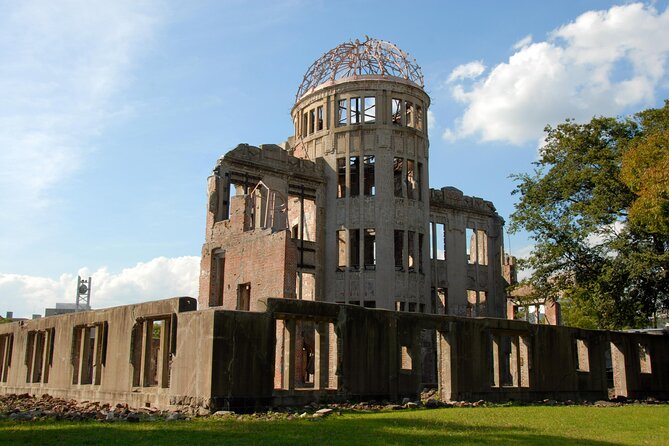
The first listed stop is the Atomic Bomb Dome, located beside Hiroshima’s Peace Memorial Park. You get about 30 minutes here, with no separate admission charge.
The building is preserved in its damaged state after the atomic bombing. Its exposed frame and ruined walls make the event feel immediate in a way that a textbook cannot. You are looking at a physical reminder of the bombing and its human cost, not simply a museum display.
Thirty minutes is enough to view the structure, take in the surroundings, and hear an introduction from the guide. It is not enough for a long, quiet visit to every part of the park. If you prefer to spend a great deal of time reflecting or photographing the site, the fixed schedule may feel tight.
This is also a place for respectful behavior. The stop is not a quick photo opportunity in the usual sightseeing sense. The purpose is to understand why the Dome remains central to Hiroshima’s message about peace and the danger of nuclear warfare.
Peace Memorial Museum: the emotional center
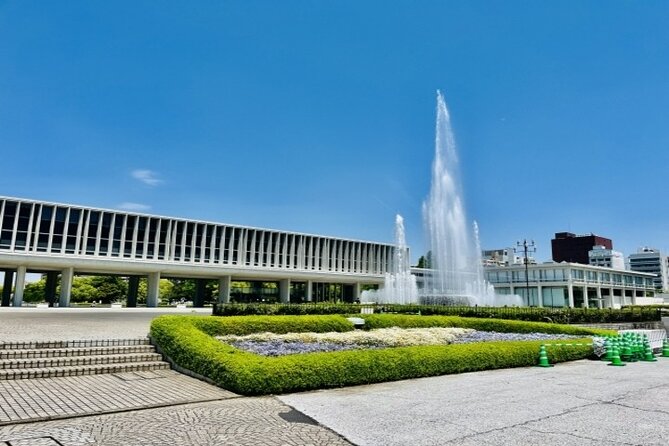
The Peace Memorial Museum receives about 1 hour 45 minutes of the day, and admission is included. This is the part of the tour that gives the Hiroshima visit its historical substance.
The museum documents the atomic bombing and its effects on Hiroshima during World War II. Displays focus on the destruction of the city, the suffering of residents, and the lasting effects of nuclear weapons. The material can be painful, and you should prepare for a serious visit rather than a casual museum stop.
The allotted time is useful because you can move through the exhibits independently after the guide sets the context. One practical issue is crowding, especially when school groups are present. You may need patience around popular displays, and the museum can take emotional energy as well as physical time.
I like that the schedule gives the museum more time than the Atomic Bomb Dome. The Dome makes the history visible from the outside. The museum supplies the detail and personal impact. Still, 1 hour 45 minutes is a structured visit, not an invitation to read every label at leisure.
If the museum is closed, the itinerary can change to another peace memorial facility. That protects the purpose of the Hiroshima visit, but the replacement will not necessarily provide the exact same exhibits or experience.
Indian curry lunch and the practical food details
Lunch is Indian curry, with a vegetarian version available. This is an unusual choice for a Japan sightseeing tour, but it can be a sensible one for people who prefer familiar food or want a meal that is easy to adapt for vegetarian diners.
You must communicate allergies and dietary restrictions when you book. Menu changes cannot be made on the day, so do not wait until you sit down. You also cannot bring your own food and drinks into the restaurant.
The lunch has one clear advantage: it is built into the schedule. You do not lose valuable sightseeing time searching for a restaurant in an unfamiliar area. The tradeoff is choice. If you want Hiroshima-style local food or a specific Japanese meal, this tour will not give you that freedom.
The meal is also one part of the experience where expectations should be realistic. It supports the day’s logistics rather than serving as a central culinary event. Choose this tour for the Hiroshima and Miyajima route first, and treat the included curry as a convenient lunch.
A few more Kyoto tours and experiences worth a look


The ferry to Miyajima and the Great Torii
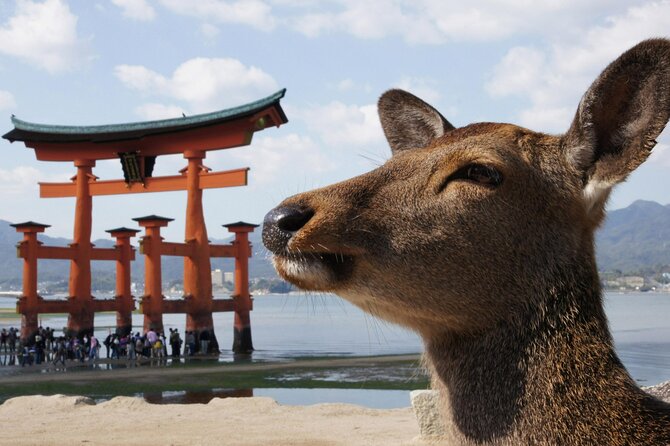
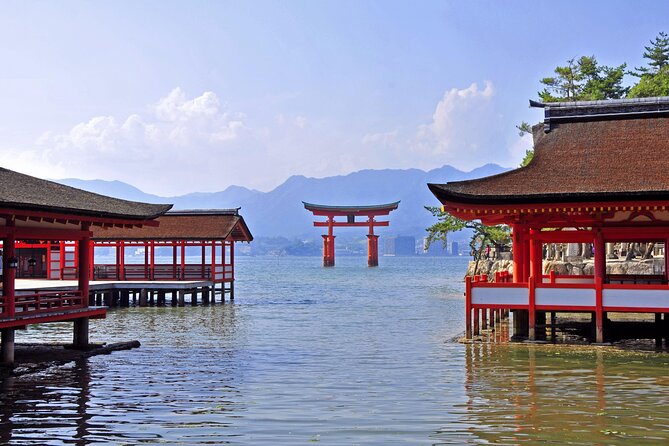
After Hiroshima, the group travels toward Miyajima. The ferry portion is not just a transfer. A special route is used from Hiroshima toward Miyajimaguchi, giving you a chance to photograph the Great Torii from close to the water.
The Torii is associated with Itsukushima Shrine and is the image most people carry in their minds before arriving. Seeing it from the ferry gives you a different angle than viewing it from land. Weather and water conditions affect the exact view, so you should treat the photo opportunity as a feature, not a guarantee of one perfect frame.
The ferry ride also provides a welcome change after the museum. You move from a quiet, serious city setting to open water and island scenery. Keep your camera ready, but also use the crossing to reset before the next part of the day.
Because this is a shared schedule, you will not have unlimited time to linger on the shore or wait for a particular tide condition. The tour is built to give you a strong first look at Miyajima, not an all-day island visit.
Itsukushima Shrine: Japan’s floating red gate
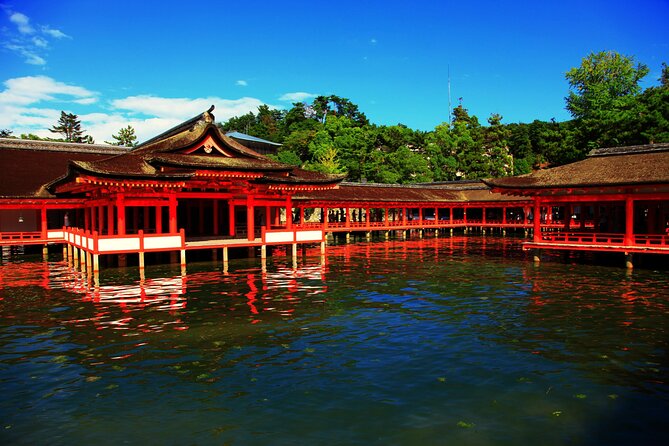
Itsukushima Shrine gets about 1 hour and 10 minutes, with admission included. The shrine is famous for its red buildings and its relationship with the sea. At suitable tide conditions, the structures appear to float above the water, creating one of Japan’s most memorable views.
The shrine is historically important in Shinto, and its setting is as important as its architecture. You can expect the guide to explain the main features and help you understand why the island has long been regarded as a sacred place.
The time allowance lets you see the core shrine area without turning the visit into a rushed dash. It may feel short if you want to study every detail, take many photographs, and explore beyond the main route. The tour gives priority to the famous shrine itself, so independent wandering is limited.
Miyajima is also an excellent emotional counterpoint to the morning. After the Peace Memorial Museum, the shrine offers space, color, water, and a slower visual rhythm. It does not erase the earlier history. It gives the day another dimension.
Omotesando Shopping Street: one hour to roam
You get about one hour of free time on Miyajima’s Omotesando Shopping Street. This is your chance to browse shops, find snacks, and enjoy the island at your own pace within the group’s time limit.
One hour is enough for a basic look around, but not for a leisurely shopping session plus a long meal. Keep an eye on the meeting time. If you wander too far from the agreed point, the return journey becomes stressful.
This stop matters because the day would otherwise be almost entirely guided. Omotesando gives you a small pocket of independence. You can use it for souvenirs, local treats, or simply a walk through the island’s commercial center after the shrine visit.
The tour description does not promise specific shopping items or food tastings, so it is best to think of this as flexible free time rather than a planned shopping tour.
The guide can shape the whole day
On an itinerary this full, the guide matters almost as much as the route. The strongest descriptions of this experience point to guides who explain the history clearly, answer questions, add humor, and keep the group moving.
Azura is noted for being engaging and funny while still keeping people on time. Joe is praised for bringing Hiroshima’s history to life and giving a strong explanation of the city’s past. Yuko is singled out for answering questions and providing a great deal of historical information.
Guide assignments can change, so you should not book solely because you want one named guide. The useful point is the role the guide plays: setting the tone at the Peace Park, explaining the shrine, sharing details during the drive, and preventing delays from disrupting the whole day.
The schedule needs that help. Missing a bus departure or taking too long at the museum can affect the ferry and Miyajima visits. A good guide keeps the group together without making the day feel like a forced march.
Is $280.16 a fair price?
At $280.16 per person, this is not a cheap day trip. The value depends on what you would otherwise have to arrange yourself.
You are getting a long-distance outing, an air-conditioned bus, guided sightseeing, admission to the Peace Memorial Museum, admission to Itsukushima Shrine, lunch, and the ferry connection. The tour also removes much of the planning burden involved in combining Hiroshima and Miyajima in one day.
The price makes more sense if you are staying in Osaka or Kyoto and have limited time in western Japan. Booking separate transport, finding the correct connections, arranging the ferry, buying admissions, and managing two major sightseeing areas can be tiring. A planned group day gives you a simple route.
The value is weaker if you already understand the train and ferry system, want to choose your own restaurants, or prefer to spend several hours at the museum. Independent visitors may also prefer staying overnight in Hiroshima or Miyajima, which allows more time and avoids the long return day.
The tour is often booked about 80 days ahead on average. That suggests you should not leave a preferred date until the last moment, especially if your Japan schedule is fixed.
Who should book this day trip?
I would recommend it to you if you want the essential Hiroshima and Miyajima sights in one organized day. It suits first-time visitors, people who are uneasy with Japanese transport connections, and anyone who values a guide’s historical explanation.
It is also a practical choice if you want vegetarian lunch handled in advance or prefer Indian food to an unfamiliar restaurant menu. The small group limit is another plus for people who dislike very large tours.
I would hesitate if you need a relaxed pace. The day covers a great deal of ground, and the 12-hour duration includes substantial travel. It may also be a poor fit if your main goal is local Hiroshima cuisine, extensive shopping, or a long, detailed museum visit.
The experience requires good weather. If poor weather cancels the tour, you can be offered another date or a full refund. The minimum group size is 10, and a date can be canceled if that number is not reached 14 days beforehand. You can cancel for a full refund up to 24 hours before the start time, but late cancellations and late changes are not accepted.
Should you book it?
Book this tour if you want Hiroshima’s most important peace sites and Miyajima’s famous shrine without building the day yourself. The guide support, included admissions, ferry views, and planned lunch make the high price easier to justify.
Skip it if you want freedom more than convenience. An overnight stay would give you more time, but for a single day from Osaka or Kyoto, this is a strong, serious, well-organized choice. Just arrive ready for an early, long day and give the Hiroshima portion the respect it deserves.
FAQ
How long does the Hiroshima and Miyajima tour last?
The experience lasts about 12 hours, including the sightseeing schedule and travel between Osaka or Kyoto, Hiroshima, and Miyajima.
Where does the sightseeing portion begin?
The tour meets at Hiroshima Station, where you join the guide and board the air-conditioned bus.
Is transportation from Osaka or Kyoto included?
The experience is offered from Osaka and Kyoto, and the Osaka arrangement includes assistance getting to the train before meeting the tour guide in Hiroshima. Check your booking instructions for the exact departure details.
What attractions are visited?
The route includes the Atomic Bomb Dome, Hiroshima Peace Memorial Museum, Itsukushima Shrine on Miyajima, and Omotesando Shopping Street.
Is admission included?
Admission to the Hiroshima Peace Memorial Museum and Itsukushima Shrine is included. The Atomic Bomb Dome stop has no admission charge.
What is served for lunch?
Lunch is Indian curry. It can be changed to a vegetarian meal if you request that in advance.
Can the tour accommodate food allergies?
You must provide information about allergies or dietary restrictions when booking. Menu changes cannot be made on the day of the tour.
How many people are in the group?
This is a shared tour with a maximum of 20 people. It is not a private experience.
What happens if the museum is closed or the tour is canceled?
If the Peace Memorial Museum is closed, the itinerary may change to another peace memorial facility. If poor weather or an insufficient number of participants causes cancellation, you can be offered another date or a full refund.
More 1-Day Tours in Kyoto

More Lunch Experiences in Kyoto
More Osaka & Hiroshima Departures in Kyoto
More tours in Kyoto we've reviewed


Osaka & Hiroshima Departures, compared.
 ★ 4.1Osaka/Kyoto:Kinkakuji,Arashiyama,FushimiInariShrine,NaraParkFrom $66
 ★ 4.5One-Day Tour of Kyoto’s Highlights from Osaka/KyotoFrom $66
 ★ 4.7Osaka/Kyoto: Hiroshima Miyajima Bus Tour & Shinkansen TicketFrom $27712 hours
 ★ 4.4Osaka/Kyoto: Arashiyama, Nara & Fushimi Inari Shrine w/LunchFrom $61
 ★ 4.3From Osaka: Sagano Train Ride and Kyoto Guided Day TourFrom $66
 ★ 4.0Kyoto and Nara Day Trip from OsakaFrom $198