
Reviewed · BAR HOPPING & IZAKAYA TOURS
Kyoto: Food and Drink Bar Hopping Tour with Local Guide
Kyoto’s best food discoveries often happen in small restaurants, not at a sightseeing landmark. This evening tour puts a local guide between you and the menu, helping you try dishes such as sushi, tempura, yakitori, and gyoza while moving through the city’s nightlife area.
I like the flexible food choices, and I like the chance to learn the customs behind what you are eating. Guides including Mark, Maki, and Shiyo have taken people to several different restaurants, local cocktail bars, and regional food spots. The catch is important: the $44 price covers the guide, but you also pay for every food and drink, including the guide’s.
In This Review
- Key points to know before booking
- Kyoto food culture, one small restaurant at a time
- How the restaurant-hopping route works
- What the guides add to the evening
- Why the food choices matter
- The real price: $44 plus the evening’s bill
- Meeting in central Kyoto
- A social evening with room for surprises
- Who will get the most from this tour
- Should you book the Kyoto food and drink tour?
- FAQ
- Where does the Kyoto food and drink tour start?
- Where does the tour end?
- What food can I try on the tour?
- Are food and drinks included in the $44 price?
- Who pays for the guide’s food and drinks?
- Can I tell the guide what I want to eat?
- Can the tour accommodate allergies or dietary restrictions?
- What languages are available?
- What should I bring?
- Can I cancel for a refund?
Key points to know before booking
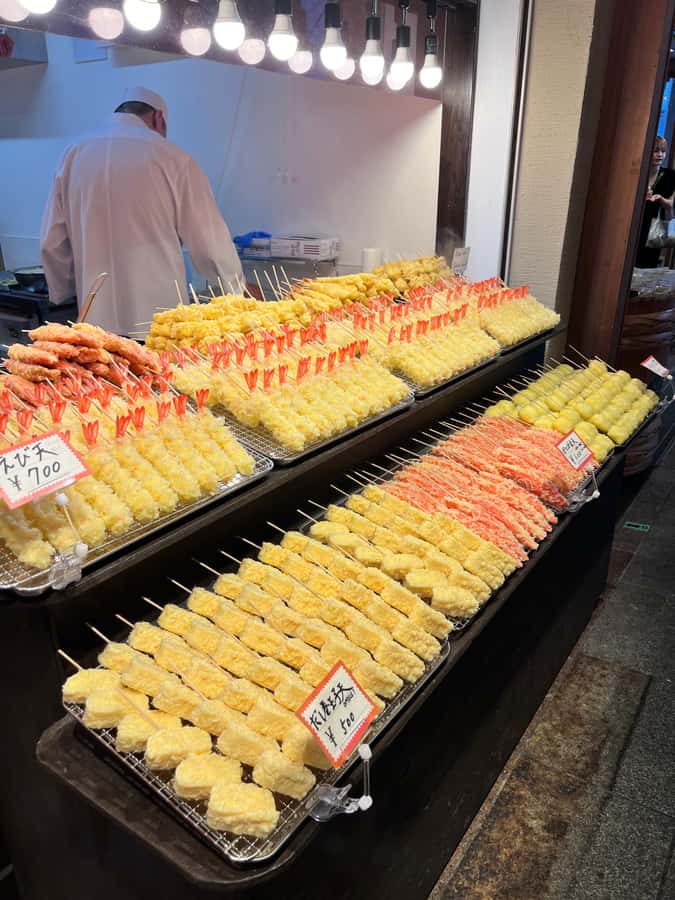
- Three different food stops are possible: Maki’s route included tempura, yakitori, and a tofu and radish restaurant.
- Your guide can shape the evening: Tell the guide what you want to eat, or mention allergies and foods you cannot have in advance.
- Guides add cultural context: The tour is about Japanese food customs, not just ordering a plate and moving on.
- The food bill is separate: You cover your own items and the guide’s food and drinks, so bring enough cash.
- The evening can include more than restaurants: Mark’s tour included a summer lighting event at Nijo Castle, though this is not described as a standard stop.
- The meeting point is easy to miss: Find the guide in front of the large brown building across from the Disney Store.
Kyoto food culture, one small restaurant at a time
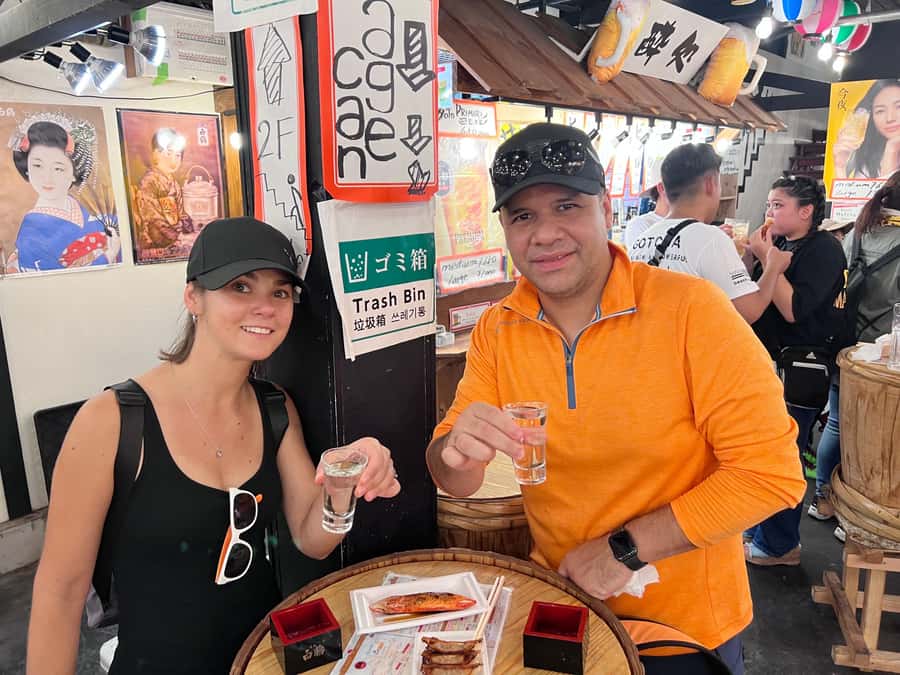
This is a food tour with a nightlife feel, rather than a formal tasting menu. You meet a local guide in central Kyoto and move between places that serve different kinds of Japanese food. The aim is variety. One stop may focus on tempura, another on grilled chicken, and another on tofu, radish, or a dish you may not recognize.
That variety is the main reason to book. A single restaurant can give you one pleasant meal, but several stops let you compare cooking styles and get a clearer sense of how people eat in Kyoto. You may also learn about Japanese versions of Western food, a subject the tour specifically leaves open for exploration.
The exact route is flexible. You can tell your guide what interests you, including particular foods you want to try. If you have allergies or dietary limits, share those details ahead of time so the guide can search for a suitable choice.
Do not expect a fixed list of famous restaurants or a guaranteed set menu. The available information describes the guide as choosing places based on your preferences. That can feel personal and useful, but it also means your evening may differ from someone else’s.
A few more Kyoto tours and experiences worth a look

How the restaurant-hopping route works
The route appears to center on Kyoto’s nightlife and food district. You start at the stated meeting point, then go out with the guide for a series of food and drink stops. The tour ends back at that same meeting point.
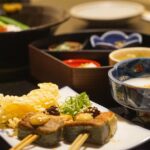
A three-stop evening described by Maki gives you a good idea of the possible rhythm. The group moved through tempura, yakitori, and a tofu and radish restaurant. These are useful contrasts: tempura shows off light frying, yakitori offers grilled skewers and a more casual bar feel, and tofu or radish dishes point toward quieter, vegetable-focused parts of Japanese cooking.
You may also visit a local cocktail bar. Shiyo’s route included regional specialties followed by a cocktail stop, giving the evening a shift from food to drinks. That sort of change helps keep the experience from feeling like three versions of the same restaurant.
Still, the tour does not promise a particular number of stops, a specific restaurant, or a fixed menu. If you have your heart set on one dish, tell the guide early. If you are happy to follow local advice, the open format gives the guide room to respond to what is available that evening.
What the guides add to the evening
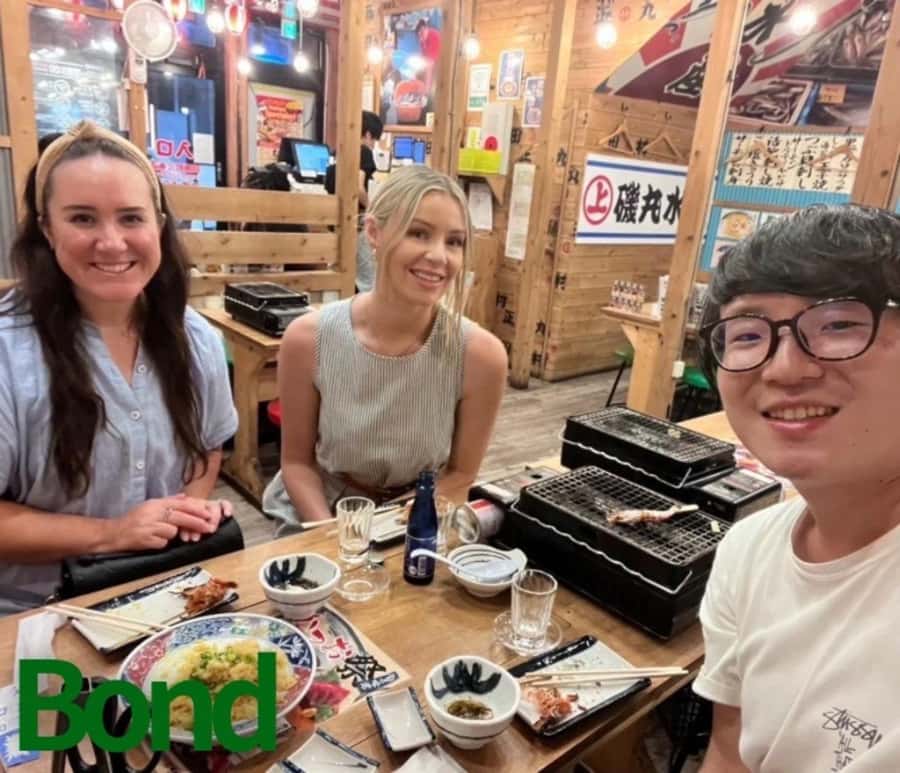
The guide is the central part of this experience. You are not simply handed a restaurant address and left to order. The guide helps you decide what to try, explains elements of Japanese food culture, and takes care of the social flow between stops.
Mark has led an evening that began with a traditional Japanese restaurant and a set meal. He also kept the group entertained, took photographs during the outing, and later sent those photos to the participants. On that particular evening, he met the group at its hotel instead of having them walk to the official meeting point, then showed them back to the hotel afterward. Those extra touches were part of that specific experience, not a stated guarantee, but they show how much the guide may shape the night.
Maki’s route included a short calligraphy lesson before the group’s next planned activity. That was not a food stop, but it added a small cultural moment to the evening. Shiyo focused on Kyoto stories, regional food, and a local cocktail bar.
The guides speak English and Japanese. The personal element is especially useful if you do not know how restaurant ordering works in Japan or if you want help finding dishes beyond the standard tourist menu. You can also ask about Japanese Western food, which refers to dishes adapted from Western ideas and prepared in a Japanese style.
Why the food choices matter
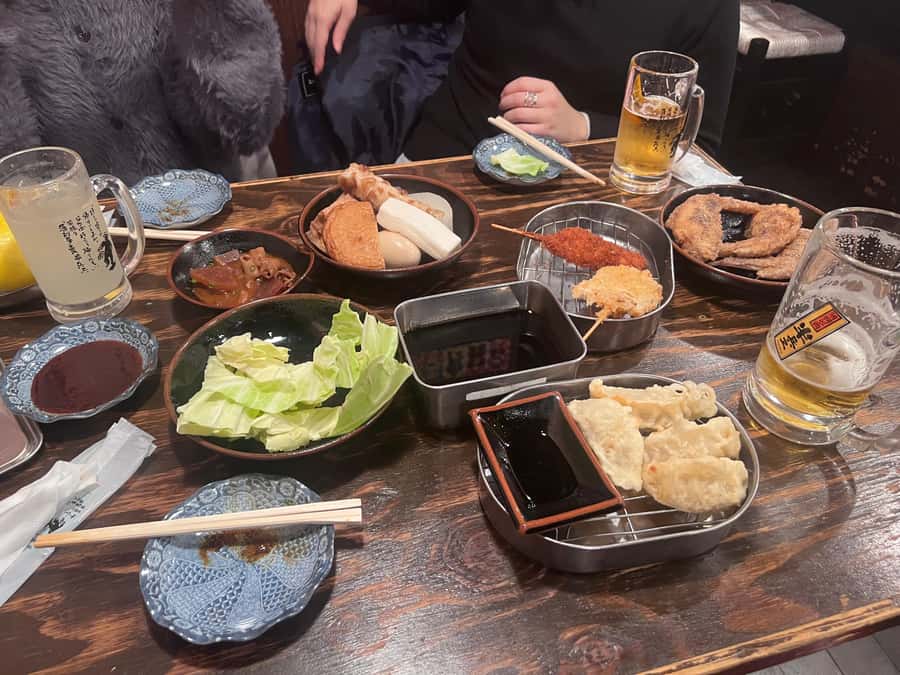
Sushi, tempura, yakitori, and gyoza are familiar names, but the value here is the setting and explanation around them. You can certainly find these foods without a guide. The advantage is having someone help you decide where to go and what suits your preferences.
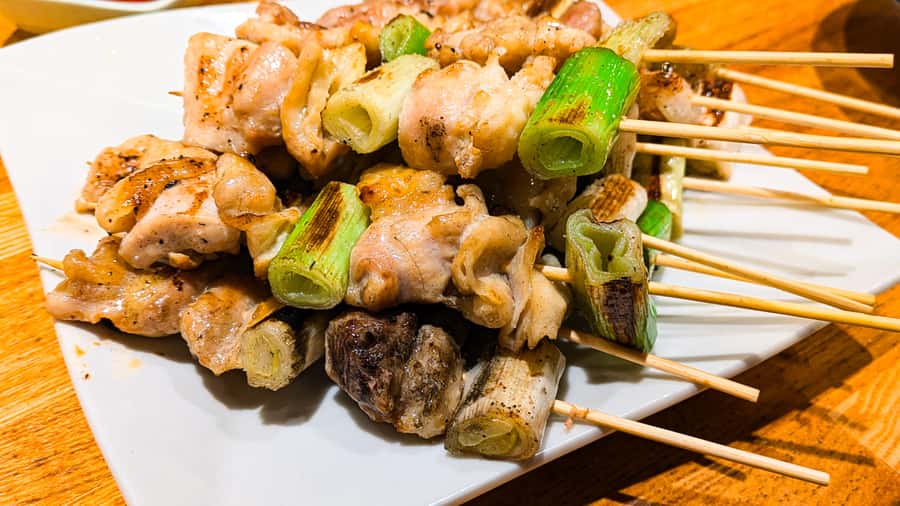
Tempura gives you a chance to try carefully fried seafood or vegetables. Yakitori brings a more casual grilled-food style. Gyoza offers a different texture and seasoning profile, while tofu and radish can show a gentler side of Japanese cooking. The tour description also leaves room for dishes you may not know at all.
That last point is worth considering. If you want complete control, a preselected food tour may be easier. If you want to say show me something I would not find on my own, this tour gives you more freedom.
Your guide can also help with dietary concerns, but you should provide the information in advance. The details say the guide can look for food to suit your preferred diet. They do not promise that every allergy or restriction can be accommodated, so you should explain the issue clearly before the evening.
The real price: $44 plus the evening’s bill
At $44 per person, the base price is modest for a private layer of local guidance through Kyoto’s food scene. You are paying for the guide and the opportunity to learn about food culture, not for dinner itself.
The extra cost is the most important financial detail. Every participant must cover food and drinks, including the guide’s food and drinks. If you visit several restaurants, the total can rise well above the advertised price. Bring cash, since cash is specifically listed among the things to carry.
The tour offers good value if you would otherwise feel unsure about restaurant choices, menus, or local customs. It is less attractive if your main goal is a cheap meal. You should treat the $44 as the cost of access to a local food companion, then set aside a separate amount for the evening’s purchases.
Because the route is flexible, you can help manage the cost by telling the guide your budget and preferences before ordering. That request is not explicitly promised as part of the service, but it is sensible given the tour’s preference-based format.
A few more Kyoto tours and experiences worth a look
Meeting in central Kyoto
The stated meeting point is in front of a big brown building across the road from the Disney Store. Look for the guide there rather than assuming the tour begins at a restaurant.
This is the one practical detail I would handle carefully. The description does not give the building’s name, so study the meeting instructions before leaving your hotel and keep your phone available. The activity ends back at the meeting point.
One participant was met at a hotel by Mark instead, but you should not count on that arrangement. Use the official meeting point unless the guide contacts you with a different plan.
Bring your passport or ID card and cash. Pets are not allowed. The tour is offered in English and Japanese.
A social evening with room for surprises
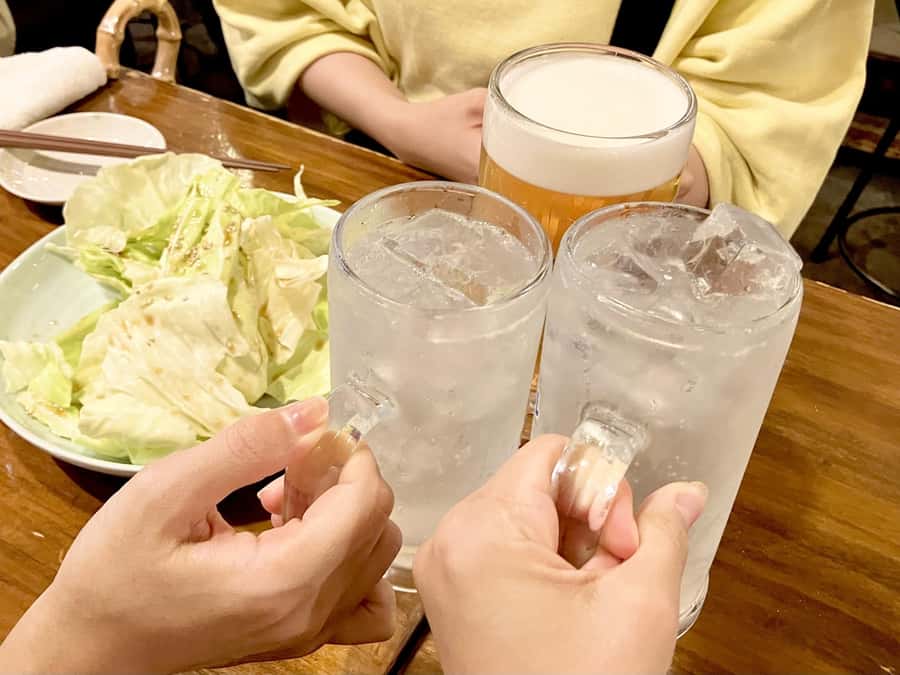
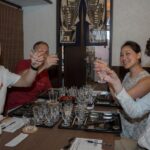
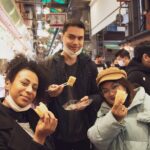
The tour suits people who like conversation and a relaxed pace. You are eating with a guide and possibly other participants, moving through several establishments rather than sitting through a single long meal. That makes it a useful first-night activity for someone who wants to get oriented to Kyoto’s food scene.
The social side can also be a drawback. If you want a quiet, private dinner with no changes of venue, this may feel too open-ended. The description emphasizes a fun and social atmosphere, so you should expect interaction rather than a silent tasting.
The route may include an unexpected cultural extra. Mark’s evening included the Nijo Castle summer lighting event, with a striking display on the castle. That event was part of his particular outing, not a guaranteed feature of every booking, so ask the guide if seasonal activities are available during your visit.
A guide may also take photographs, as Mark did, but photography is not listed as an included service. Think of it as a possible personal touch, not part of what you are buying.
Who will get the most from this tour
I would choose this for a first or second evening in Kyoto, especially if you want to eat local food but do not know how to choose restaurants. It also suits solo visitors and couples who want company, as well as small groups that cannot agree on one type of cuisine.
Food-focused explorers will appreciate the range from sushi and tempura to yakitori, gyoza, tofu, and other dishes. People interested in Japanese customs will get more from the tour than someone who only wants a quick meal.
It is a weaker match for strict budget travelers unless you plan the food spending carefully. It may also disappoint anyone expecting an all-inclusive tasting tour, since food and drinks are not included. And if you need firm certainty about the menu or route, the flexible format requires a little patience.
The provider also notes that last-minute bookings might be canceled. Reserve ahead when possible, especially if this evening is important to your Kyoto plans. You can reserve and pay later, and cancellation is allowed up to 24 hours in advance for a full refund.
Should you book the Kyoto food and drink tour?
Book it if you want a guide to help you choose among Kyoto’s many food options, explain local eating customs, and keep the evening moving. The strongest features are the flexible restaurant choices, the variety of dishes, and guides such as Maki, Mark, and Shiyo, who have added regional food, cocktails, stories, photographs, and small cultural lessons.
Before booking, remember the full cost. The $44 fee is only for the guide and cultural experience. You must pay for everyone’s food and drinks, including the guide’s, and bring cash.
My advice is simple: tell the guide your favorite foods, allergies, and budget before you meet. If you want an easygoing evening with several tastes and a local person to steer you, this is a sensible Kyoto introduction. If you want a fixed menu at one known price, choose a different kind of food tour.
FAQ
Where does the Kyoto food and drink tour start?
Meet your guide in front of a big brown building across the road from the Disney Store.
Where does the tour end?
The activity ends back at the meeting point.
What food can I try on the tour?
Possible foods include sushi, tempura, yakitori, and gyoza. The route may also include tofu, radish, regional specialties, and other Japanese dishes.
Are food and drinks included in the $44 price?
No. Every participant must pay for food and drinks, including the guide’s food and drinks.
Who pays for the guide’s food and drinks?
The guests cover the guide’s food and drinks as part of the evening’s expenses.
Can I tell the guide what I want to eat?
Yes. You can tell the guide which foods interest you or what you would like to try, and the guide will look for suitable places.
Can the tour accommodate allergies or dietary restrictions?
Tell the guide about allergies or foods you cannot eat in advance. The guide can then look for food that suits your preferred diet.
What languages are available?
The tour is offered in English and Japanese.
What should I bring?
Bring your passport or ID card and cash.
Can I cancel for a refund?
You can cancel up to 24 hours in advance for a full refund. Last-minute bookings might have to be canceled.
More Guided Tours in Kyoto
More Food Experiences in Kyoto
More Bar Hopping & Izakaya Tours in Kyoto
More tours in Kyoto we've reviewed
Bar Hopping & Izakaya Tours, compared.
 ★ 4.9Kyoto: Izakaya Bars Guided Walking TourFrom $253 hours
 ★ 5.0Kyoto Bar Hopping Night TourFrom $105
 ★ 5.0Kyoto Local Bar Crawl in Kawaramachi AreaFrom $28
 ★ 4.9Kyoto: Afternoon Japanese Izakaya Cooking ClassFrom $673 hours
 ★ 5.0Izakaya Style Cooking ClassFrom $71
 ★ 5.0Kyoto Local Gourmet Night Experience: Kaiseki & Izakaya & MatchaFrom $70