
Reviewed · TEA CEREMONY EXPERIENCES
Kyoto Fushimiinari:Wagashi Making & Small Group Tea Ceremony
Making Japanese sweets in a local home, then eating them during a tea ceremony, gives this Kyoto experience a pleasing rhythm. You start with your hands in the kitchen, move through a small garden, and finish on tatami with matcha. I especially like the six-person limit and the clear English guidance from licensed guide interpreters. The chance to make your own wagashi is also more memorable than simply watching a demonstration.
The main thing to consider is the setting. You will normally sit on a tatami floor, and the house is not suitable for wheelchair users. Chairs and tables can be arranged if you ask in advance, but you must bring socks and cannot attend barefoot.
In This Review
- Key points to know before booking
- A Kyoto tea experience with something to do
- Starting in the kitchen with wagashi
- Walking through the tiny garden
- Understanding the room before drinking tea
- Tasting your wagashi with matcha
- Whisking your own bowl
- Why the small group matters
- English instruction and the hosts
- Sitting on tatami and other practical details
- Is $55 a fair price?
- Who will enjoy this most?
- Should you book this Fushimi Inari tea experience?
- FAQ
- How long does the Kyoto wagashi and tea ceremony last?
- How much does the experience cost?
- How many people can join the activity?
- Is the activity taught in English?
- What is included?
- Do I need to bring anything?
- Can I sit on a chair instead of the tatami floor?
- Can I cancel the booking?
Key points to know before booking
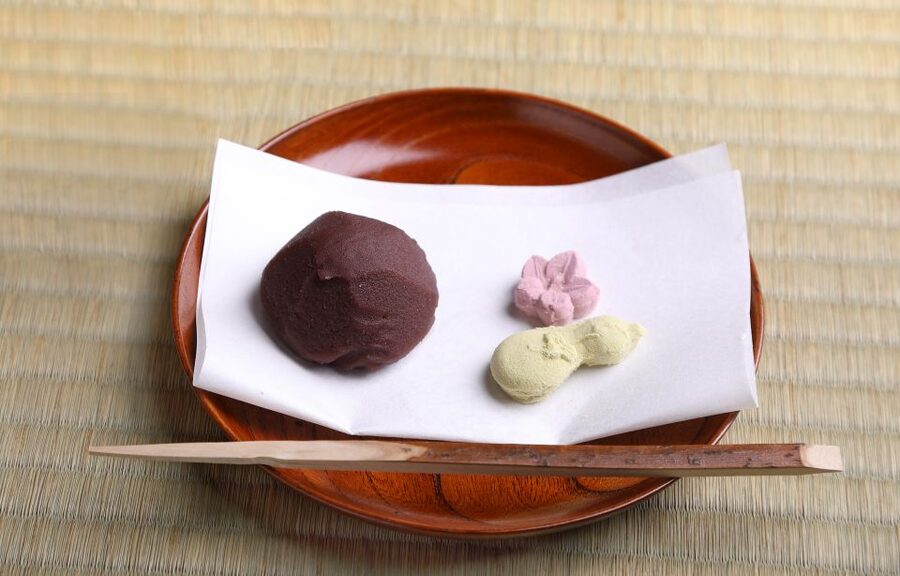
- Make wagashi yourself: This is a hands-on lesson, not a cooking show viewed from the sidelines.
- Two bowls of matcha: One is prepared for you, and you whisk the other yourself with a bamboo tea whisk.
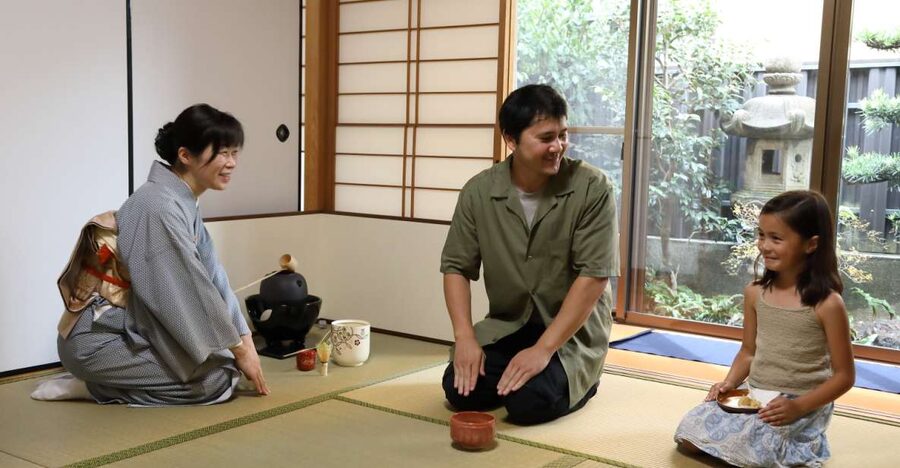
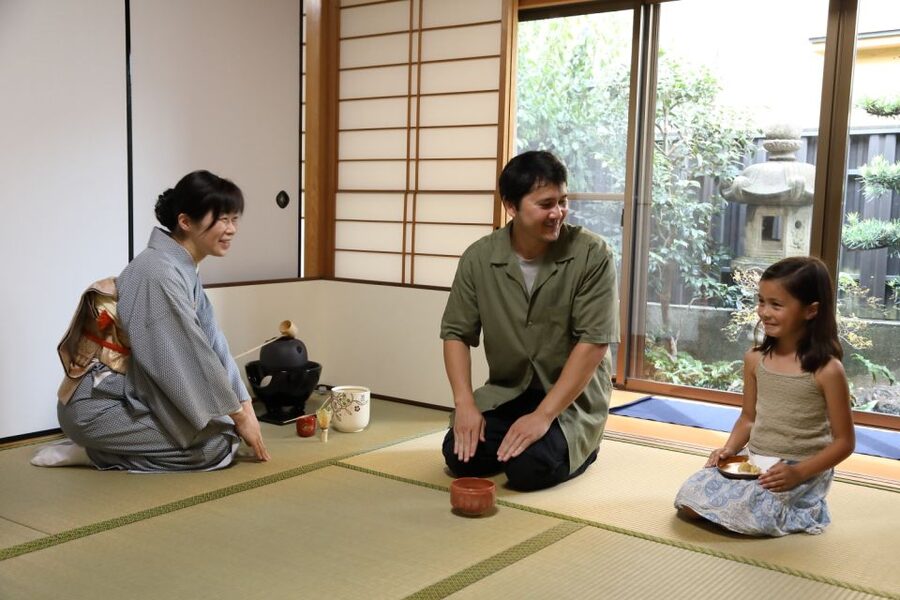
- Traditional home setting: Expect Japanese-style rooms, a small garden, tatami, and a hanging scroll in the alcove.
- Small group of up to six: The size leaves room for questions and individual help.
- Seasonal sweets: The wagashi may differ from the photographs depending on the time of year.
- Bring socks: Bare feet are not allowed, and flash photography and video recording are prohibited.
A Kyoto tea experience with something to do
At $55 per person for 75 minutes, this is not the cheapest way to drink matcha in Kyoto. It offers more than a cup of tea, though. You receive instruction, prepare one type of wagashi, taste the sweets with matcha, and make one bowl of tea yourself.
That hands-on element is the real value. A formal tea ceremony can sometimes feel like a beautiful ritual viewed from a respectful distance. Here, you take part in the process. You learn how the sweets fit into the ceremony, how the bowl is handled, and how the bamboo whisk turns tea powder and hot water into a smooth drink.
The experience takes place in a local house near the Fushimi Inari area. The description does not give a precise meeting point, so check your booking details carefully and allow time to find the house. There is no hotel pickup, hotel drop-off, or taxi-calling service included.
A few more Kyoto tours and experiences worth a look
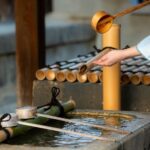
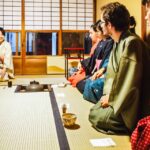
Starting in the kitchen with wagashi
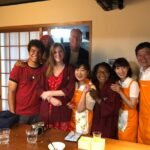
When you arrive, an English-speaking host welcomes you and leads you to the kitchen. The first lesson covers one kind of wagashi, the traditional Japanese confectionery served with tea.
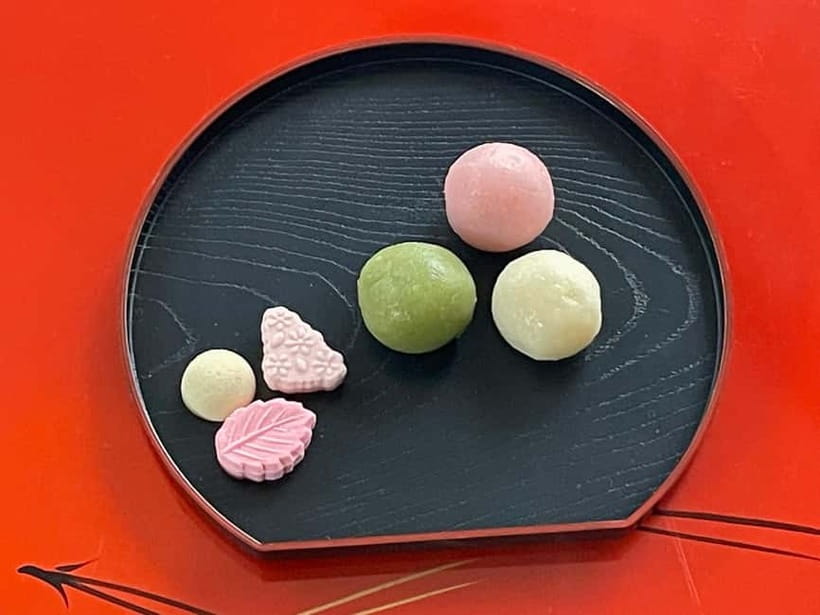
You do not just watch someone shape the sweets. You make them yourself, following instructions step by step. The exact style can change with the season, so do not expect the finished sweet to match the booking photographs all year. That changing menu is part of the appeal, but it is worth knowing if you are booking with a very specific sweet in mind.
Past participants have described making mochi with red bean paste and white bean paste. That detail gives you a useful sense of the activity: expect soft, sweet confections with a bean filling rather than a Western-style cake or pastry.
I like this opening because it gives you a physical way into Japanese food culture. You notice texture, shape, and presentation before anyone explains the formal tea ritual. It also gives children and first-time visitors something concrete to focus on, although the activity is not suitable for children under eight.
The sweets are included, along with an explanation of how to eat them. If you have food restrictions or allergies, tell the host in advance. The supplied details do not promise substitutions, so you should not assume every dietary need can be accommodated.
Walking through the tiny garden
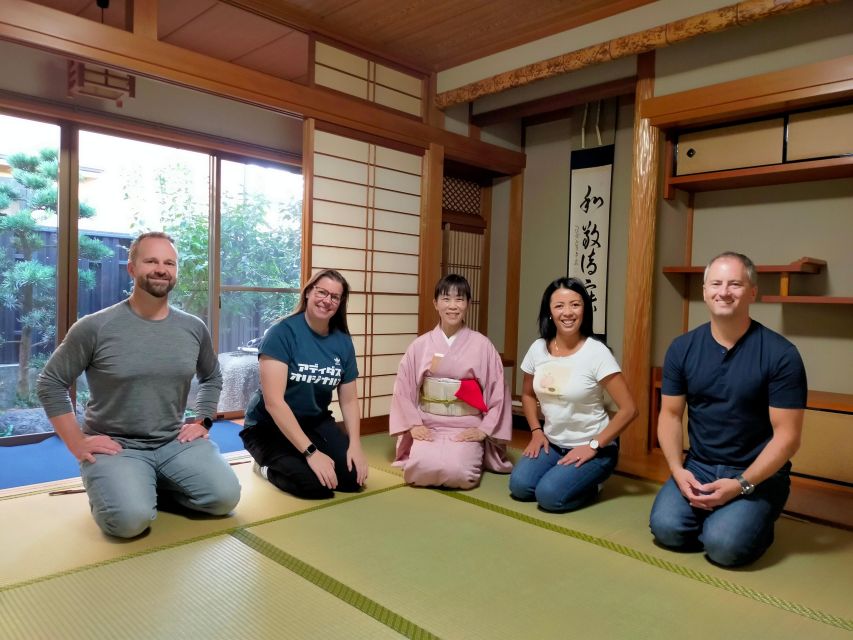
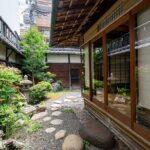
After the kitchen lesson, the group moves toward the tea ceremony. When weather allows, you walk outside through a small garden before entering an authentic Japanese-style room.
This short walk matters because it changes the pace. Kyoto sightseeing can be noisy and crowded, especially around major temples and shrines. Here, the garden acts as a quiet pause between the practical cooking lesson and the more formal tea session.
The garden is described as tiny, so do not book this expecting a large strolling garden or a major horticultural attraction. Its value is in the transition and the view from the Japanese-style rooms. If it rains, the route may change, and the ceremony may not follow the outdoor path in the same way.
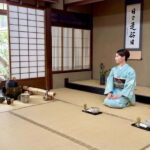
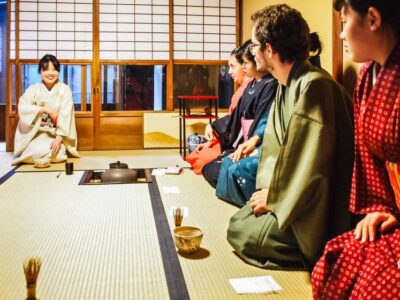
You then sit on tatami. The hosts explain how to participate and cover basic manners for the room. That introduction is useful for people who worry about making a mistake. You are not expected to arrive knowing every movement, bow, or utensil rule.
Understanding the room before drinking tea
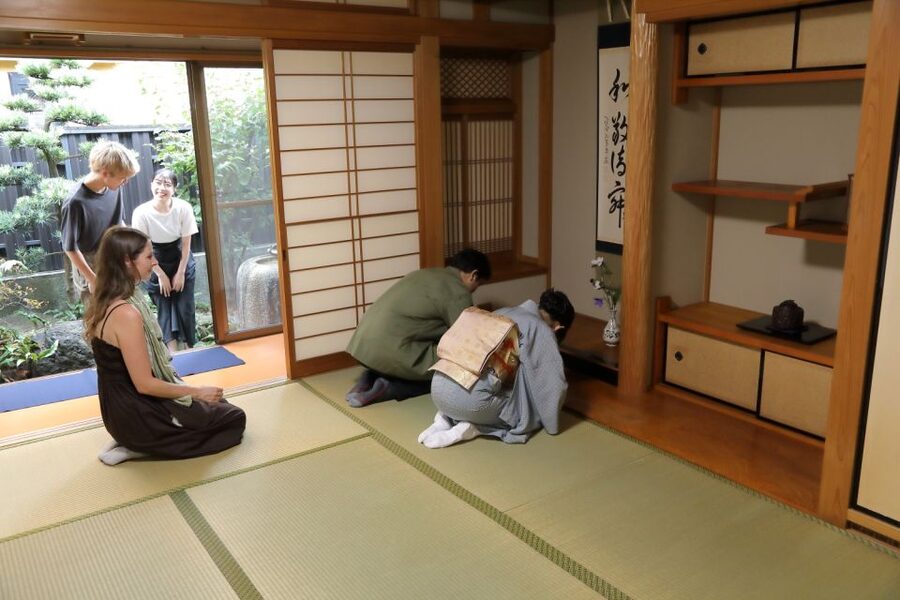
The instructor explains the background of tea and the tea ceremony before the matcha is served. You also learn about the hanging scroll in the alcove behind the group.
That detail gives the room a purpose beyond decoration. In a Japanese tea setting, the scroll and the arrangement of the room help shape the mood of the gathering. You learn to look at the space as part of the ceremony rather than as a pretty backdrop for photographs.
The instructors are licensed guide interpreters and teach in English. That is important here, because the value of the session rests on understanding why the steps happen, not merely copying hand movements. One participant specifically described the English instruction as easy to follow, with plenty of room for questions.
The tone is informative but not overly strict. You receive an explanation of the ritual and manners, then take part at your own pace. That balance should suit first-time participants who want cultural context without feeling as if they are being tested.
Tasting your wagashi with matcha
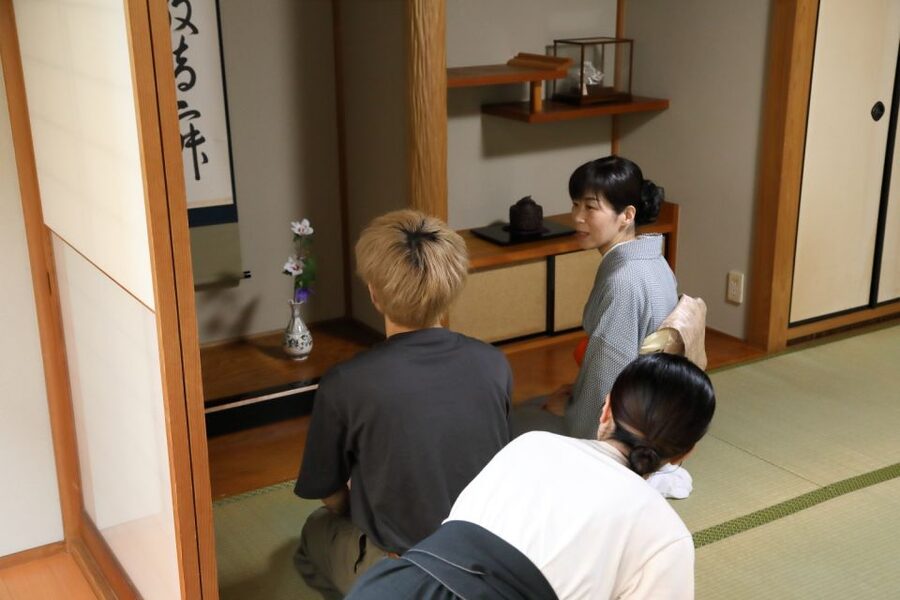
Once the ceremony begins, you eat the wagashi you made while the instructor demonstrates how to drink matcha. The sweet is not an extra snack added at the end. It is part of the tea experience and helps balance the bitterness of the tea.
This is one of the strongest parts of the design. You have already handled the ingredients and shaped the confection, so tasting it feels connected to the lesson. You also learn the proper way to eat the sweet and receive the tea, rather than treating the ceremony as a quick photo opportunity.
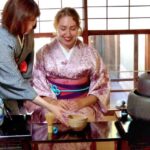
The experience includes two bowls of matcha. One is prepared for you by the host, and one is made by you. That amount is enough to give you a proper taste without turning the session into a long tea-drinking event.
You should expect matcha to have a distinct earthy and slightly bitter flavor. The sweet is there to prepare your palate, not to turn the drink into a sugary dessert. If you have never tried matcha before, the guided format makes the introduction easier.
A few more Kyoto tours and experiences worth a look


Whisking your own bowl
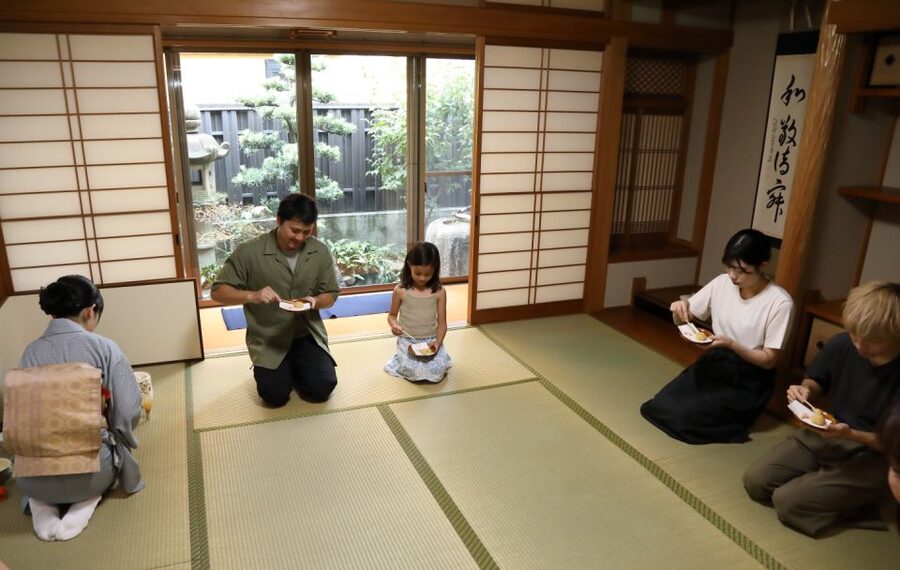
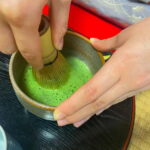
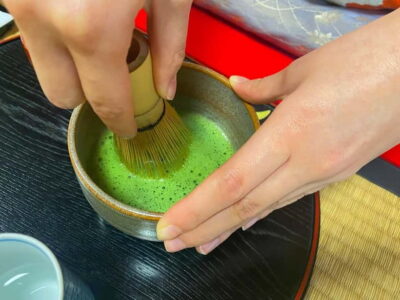
After the host demonstrates the ceremonial preparation, you get to make one bowl of matcha with a bamboo tea whisk. This is the point where the experience shifts from observation to participation again.
The instructor shows you how to prepare the tea and how to serve it correctly. You then try the steps for yourself. The goal is not to turn you into a tea master in 10 minutes. It is to give you enough understanding to repeat the basic process for family or friends after returning home.
That practical souvenir is more useful than a small trinket. You leave with a memory, a new skill, and a better sense of why matcha is prepared in such a careful way.
Do not worry about perfect technique. The atmosphere is designed for beginners, and the small group allows the instructor to help when needed. The session is described as welcoming and friendly, with time for questions about Japanese culture.
Why the small group matters
The group is limited to six participants. For a ceremony built around explanation and careful movement, that is a meaningful advantage.
In a large class, you might struggle to see the demonstration or feel rushed when it is your turn with the whisk. With six or fewer people, the instructor can watch your preparation and answer specific questions. It also helps preserve the quiet feel of the house.
The small format does not mean the session is private. Other participants will be present, and the experience works best if everyone respects the calm setting. Some parts of the session may have photography limits so that the group can focus on the ceremony.
Flash photography and video recording are not allowed. You may also be asked not to take photographs during certain parts. Bring a camera if you like, but be ready to put it away when instructed. The restrictions are reasonable in a small traditional room, where bright flashes and filming can distract from the ceremony.
English instruction and the hosts
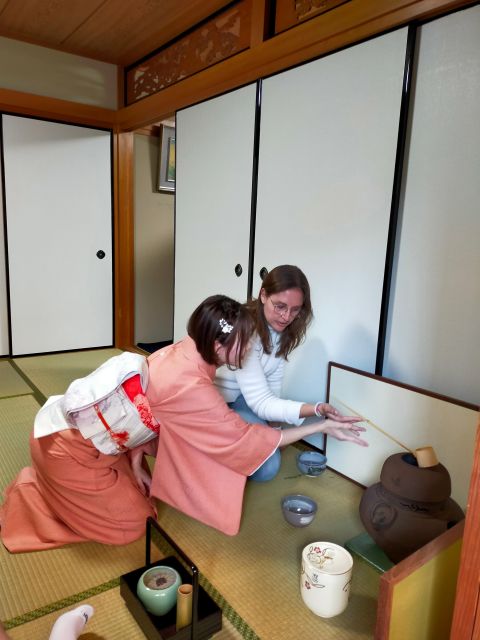
The activity is conducted in English. The host and instructors explain the cooking, tea preparation, room manners, history of tea, and the meaning of the hanging scroll.
Miho is named as one of the hosts in participant feedback, and she is described as an excellent host. The tea master is not named in the supplied information, but is described as friendly and willing to answer questions about Japanese culture.
The strongest praise is aimed at the warmth of the instruction. The cooking guidance is clear, the English is strong, and the ceremony is explained without making beginners feel uncomfortable. That combination matters more than a grand setting. A beautiful room is not much use if you cannot follow what is happening.
Sitting on tatami and other practical details
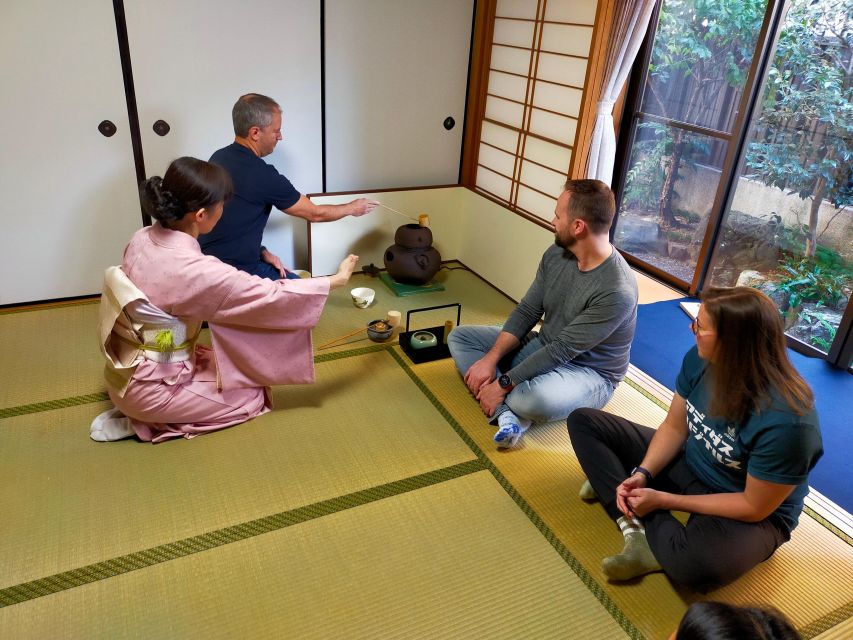
You need to bring socks. Bare feet are not permitted, so wear clean socks that you are comfortable showing in a traditional home.
The usual format involves sitting on the floor. Chairs and tables are available for people who find floor sitting difficult, but you need to request them in advance. The experience is not suitable for wheelchair users, and children under eight cannot join.
These rules are not hidden surprises, but they may affect your decision. If you have knee, hip, or mobility concerns, contact the provider before booking rather than hoping a chair will be available at the last moment.
The activity lasts 75 minutes. That is long enough for both wagashi making and tea ceremony, but it leaves little room for delay. Arrive ready to begin, and do not schedule it too close to a train departure or another timed attraction.
Is $55 a fair price?
I consider $55 a fair price if you want a guided cultural activity rather than a simple matcha tasting. You are paying for a small group, English instruction, two bowls of matcha, the wagashi lesson, the confectionery, and use of the house setting.
The price is less compelling if your only goal is to drink matcha cheaply. Kyoto has many places where you can buy tea and a sweet without taking a class. This experience earns its cost through the personal instruction and the chance to prepare the food and drink yourself.
The included fees and taxes also keep the final cost clear. Gratuity is not included, and transportation is your responsibility. The reserve-now-and-pay-later option can help if your Kyoto schedule is still changing, and cancellation is free up to 24 hours before the activity for a full refund.
Who will enjoy this most?
I would recommend this for first-time visitors who want a gentle introduction to tea ceremony. You do not need prior knowledge, and the English explanations make the ritual easier to understand.
It also suits people who enjoy food workshops. The wagashi lesson gives the experience a creative side, while the tea ceremony adds quiet and structure. Couples, friends, and small family groups can all fit the format, provided children are at least eight years old.
This is a good choice after a morning of sightseeing when you want something calm. It is also a useful counterpoint to Kyoto’s major shrines and busy streets. The house, garden, and tatami room give you a more personal setting than a large public attraction.
You may want to skip it if you dislike sweets, strongly dislike matcha, cannot sit on the floor even with a chair, or prefer a long formal ceremony. The session is an introduction, not an advanced tea-school lesson. It is friendly and accessible, but it still follows real customs and expects respectful behavior.
Should you book this Fushimi Inari tea experience?
Book it if you want to do more than look at Japanese culture from the outside. The combination of making seasonal wagashi, walking through a small garden, learning about the room, and whisking your own matcha gives the 75 minutes a clear purpose.
I especially like the small group, the English-speaking licensed instructors, and the fact that you eat what you make. Check the floor seating, photography rules, allergy arrangements, and meeting instructions before paying. If those details suit you, $55 buys a thoughtful, well-paced cultural lesson with a souvenir skill you can use at home.
FAQ
How long does the Kyoto wagashi and tea ceremony last?
The experience lasts 75 minutes.
How much does the experience cost?
The price is $55 per person.
How many people can join the activity?
It is a small-group activity limited to six participants.
Is the activity taught in English?
Yes. The instructor language is English, and the instructors are licensed guide interpreters.
What is included?
You receive English instruction, two bowls of matcha, one wagashi-making lesson, one type of traditional Japanese confectionery, explanations of tea preparation and eating sweets, and all fees and taxes.
Do I need to bring anything?
Bring socks. Bare feet are not allowed.
Can I sit on a chair instead of the tatami floor?
Chairs and tables are available for participants who find floor sitting difficult, but you need to request them in advance.
Can I cancel the booking?
You can cancel up to 24 hours in advance for a full refund. The reserve-now-and-pay-later option is also available.
More Cooking Classes in Kyoto


More Fushimi Inari Tours in Kyoto
More Tea Ceremony Experiences in Kyoto
More tours in Kyoto we've reviewed



Tea Ceremony Experiences, compared.
 ★ 4.9Kyoto: Tea Ceremony in a Traditional Tea House in KiyomizuFrom $4945 min
 ★ 4.9Kyoto: Tea Ceremony Ju-An at Jotokuji TempleFrom $291h 10m
 ★ 4.3Kyoto: 45-Minute Tea Ceremony Lesson ExperienceFrom $2245 min
 ★ 5.0World Heritage Kyoto & Nara Uji Authentic Matcha ExperienceFrom $129
 ★ 4.9Kyoto: Table-Style Tea Ceremony at a Kyo-MachiyaFrom $451h 30m
 ★ 5.0Kimono Tea Ceremony at Kyoto Maikoya, NISHIKIFrom $65