
Reviewed · NARA DAY TRIPS
Kyoto, Nara and Osaka private up to 9 pax picked up from Kyoto
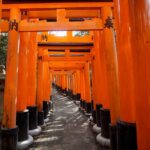
Fushimi Inari’s red gates are only the beginning here. Guide Takashi takes you beyond Kyoto’s best-known sights to quiet moss gardens, temple grounds, a local dessert shop, and places many visitors would miss on their own. I especially like the private vehicle and small-group format, which gives your party room to set the pace, and the mix of famous landmarks with lesser-seen temples. The main consideration is the unclear timing and route: the booking details say about seven hours, while the sample three-city plan describes 12 hours and includes Nara and Osaka.
I also like the flexibility of Kyoto hotel pickup and the option to choose a different drop-off point, which could work well if you want to finish near a restaurant. Takashi is praised for clear English, good communication, cultural insight, photography, and his knack for finding peaceful corners. Just confirm your exact option before paying, especially if Nara and Osaka are essential to your plans.
In This Review
- Key points to know before booking
- What this private Kyoto tour is really offering
- Fushimi Inari gives the day a strong start
- Rengeji and Myomanji show a quieter side of Kyoto
- Koryu-ji adds an older historical layer
- Kinkakuji is the major landmark on the route
- Koetsuji keeps the focus on art and gardens
- Nakamuraken brings in local sweets
- Matsuo Shrine closes the Kyoto sequence
- What the guide adds to the experience
- Kyoto only, or Kyoto, Nara, and Osaka?
- Is $329.02 per person good value?
- Who will enjoy this most?
- FAQ
- Is this a private tour?
- Is hotel pickup available?
- How long does the tour last?
- Are Nara and Osaka definitely included?
- What is the minimum age for alcohol consumption?
- Can I cancel for a full refund?
- Should you book it?
Key points to know before booking
- Fushimi Inari is given a full two hours, enough time to see more than the first gate-lined approach.
- Quiet temples are part of the appeal, including Rengeji, Myomanji, Koryu-ji, Koetsuji, and Matsuo Shrine.
- Takashi leads the experience, with strong English communication and a talent for taking photographs.
- The route can include local Kyoto sweets, such as Mochifu and shaved ice flavored with yuzu or matcha.
- Private groups can include up to nine people, with hotel pickup in Kyoto and flexible drop-off options.
- Check the duration and city list carefully, since the advertised details describe both a roughly seven-hour Kyoto tour and a 12-hour Kyoto, Nara, and Osaka example.
What this private Kyoto tour is really offering
This is not a standard bus ride from one headline sight to another. The appeal is the contrast between famous Kyoto and quieter places that are harder to organize by yourself.
You may begin at Fushimi Inari-taisha, one of Kyoto’s most recognizable shrines, then move through a string of temples and gardens. Some stops are major names, such as Kinkakuji. Others are included because they offer a calmer setting, a particular garden, or a detail that fits Takashi’s personal way of showing the city.
That private format matters. A group of up to nine can travel together without strangers, and Kyoto hotel pickup saves you from finding a meeting point. If your group includes older family members, children, or people who simply do not want to manage several train and bus connections, the convenience has real value.
At the same time, this is a busy plan if every listed stop is included. The published stop times add up to about six and a half hours before driving time, meals, traffic, and unscheduled pauses. The separate three-city example is described as 12 hours, not seven. You should treat the exact route as an important booking question, not a minor detail.
A few more Kyoto tours and experiences worth a look
Fushimi Inari gives the day a strong start
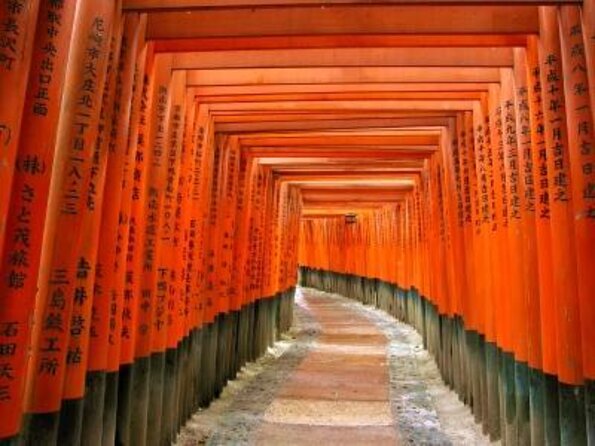
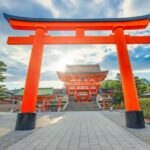
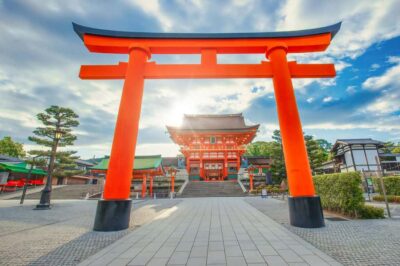
The first stop allows about two hours at Fushimi Inari-taisha Shrine. That is a useful amount of time because the shrine is far more than the first bright tunnel of torii gates seen in most photographs.
The shrine grounds extend up a mountain. As you walk farther, the crowds can thin, and the setting changes from busy entrance paths to longer stretches of gates, trees, bamboo, and birdsong. The details provided for this tour specifically point to the mountain setting and bamboo trail, so you can expect Takashi to show you more than the quick photo stop near the entrance.
You should still wear comfortable shoes. Two hours here involves walking, steps, and uneven ground, even if you do not attempt the full mountain route. The admission charge is listed as free, which keeps this major stop good value.
Rengeji and Myomanji show a quieter side of Kyoto
Rengeji Temple receives about an hour. Its moss garden is the reason to come. The temple is described as distant and inconvenient to reach, which is precisely why private transport helps here.
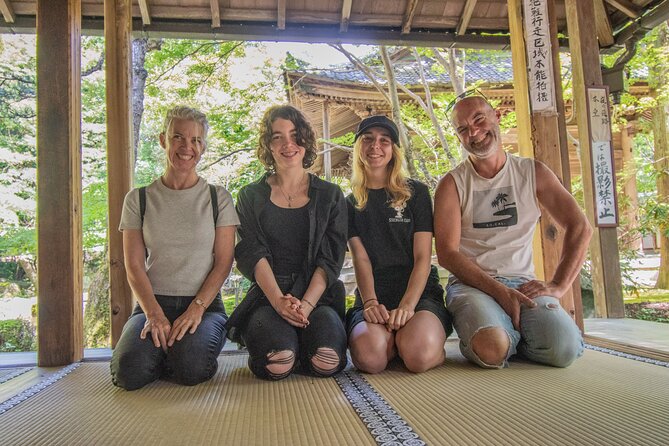
You will likely find a slower, more reflective visit than at Kyoto’s headline attractions. A broad tatami floor looks onto the garden, giving you a chance to sit and take in the view rather than move through a crowded outdoor path. Garden quality depends on the season and weather, so do not expect the same appearance in every month, but the moss setting is the clear focus.
Myomanji Temple also receives about an hour. It is described as one of the larger temples in northern Kyoto, with a garden made from millions of carefully arranged small rocks. The stop also connects to a major split within Japanese Buddhism, giving Takashi room to explain the religious background rather than simply point out architecture.
These two visits are a good test of what you want from the tour. If you want only the famous landmarks, an hour at each may feel like time taken away from Kinkakuji. If you enjoy gardens, quiet temple spaces, and context, they may be the most memorable part of the day.
Koryu-ji adds an older historical layer
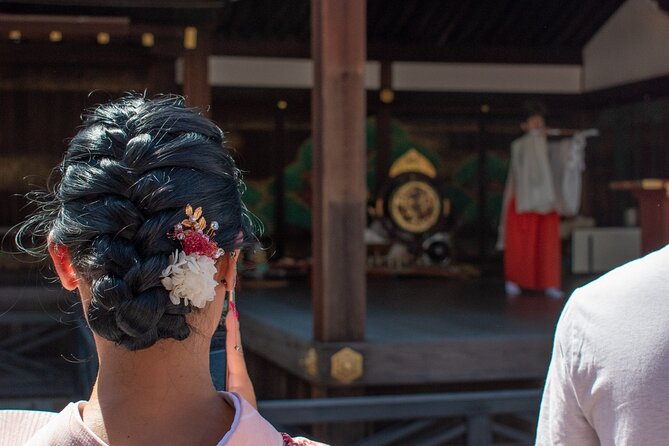
Koryu-ji is scheduled for 30 minutes, so this is a compact visit. The temple was first established by the Hata people, described here as a Korean-rooted ethnic group active in Japan during the fifth and sixth centuries. After a fire in the eighth century, the temple continued rather than disappearing.
That background makes this more than another pretty temple stop. It points to the connections between Japan and the Asian mainland that shaped early Japanese culture. With only half an hour, you will not have time for a long, unhurried examination, but Takashi can give the site meaning within the wider story of Kyoto.
The short visit also shows the tradeoff built into this route. You see many different places, but each one receives only a slice of your day.
Kinkakuji is the major landmark on the route
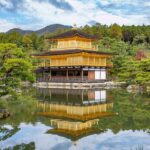
Kinkakuji, the Golden Pavilion, gets about an hour. Its upper two floors are covered with gold leaf, and the building began as the villa of shogun Yoshimitsu Ashikaga before becoming a temple after his death.
This is one of the places where the private tour gives you a practical advantage. Takashi can help you fit the pavilion into a day that also includes quieter temples, rather than making it the entire focus of your Kyoto sightseeing.
An hour is enough for the main visit, photographs, and a walk through the grounds at a steady pace. It is not a license to linger everywhere. Kinkakuji is a highly popular sight, and the experience can feel more scheduled than the visits to Rengeji or Koetsuji.
Still, it belongs on a first Kyoto day. The gold against the pond is instantly recognizable, but its appeal is not only photographic. The building’s change from shogun’s villa to temple gives Takashi a useful way to explain how power, taste, and religion overlapped in old Kyoto.
Other private tours in Kyoto
Koetsuji keeps the focus on art and gardens
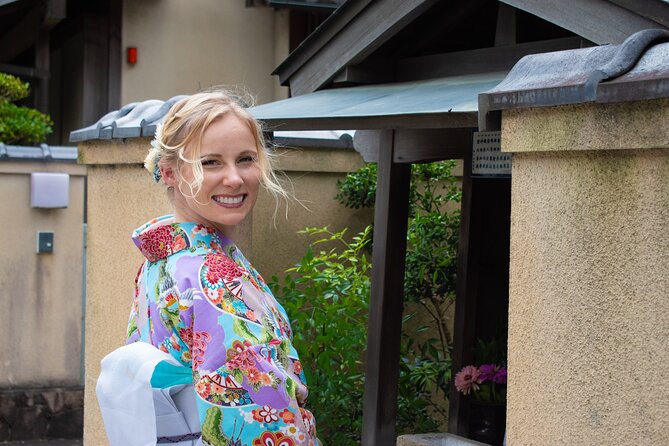
Koetsuji receives about 30 minutes. It was once the property of an artist skilled in tea ceremony, calligraphy, and other arts, and the temple is noted for its garden and tea-related objects.
This should appeal to you if you like the quieter arts of Japan more than grand buildings alone. The short stop is enough for an introduction, but you should not expect a long tea ceremony or a full workshop. Those are not listed as part of the experience.
Koetsuji also balances the scale of Kinkakuji. The Golden Pavilion is designed to catch the eye immediately. Koetsuji is about the relationship between artistic practice, garden design, and the slower rhythm of looking carefully.
Nakamuraken brings in local sweets
The 30-minute stop at Nakamuraken is a welcome change from temples. This local dessert shop offers Kyoto-style sweets, including Mochifu, a pounded rice cake with a texture different from ordinary mochi, along with shaved ice flavored with yuzu or matcha.
Food stops are valuable on a sightseeing day because they give you a direct connection to local habits without requiring a separate restaurant reservation. You can use the pause to taste something associated with Kyoto and ask Takashi what makes the sweets different.
The available details do not say that a tasting is included in the price, so plan to purchase anything you want separately. The guide’s response to one family also refers to pickle samples and a large purchase from a stand, suggesting that local food discoveries may be part of the broader style of the experience. That does not guarantee a pickle stop on your chosen route, but it does tell you to leave a little room for small food purchases.
Matsuo Shrine closes the Kyoto sequence
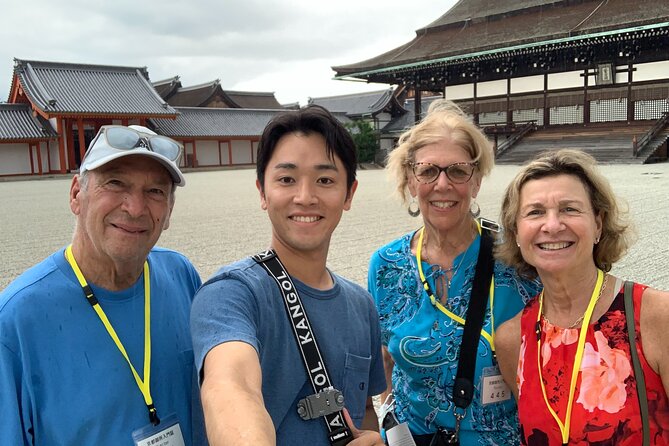
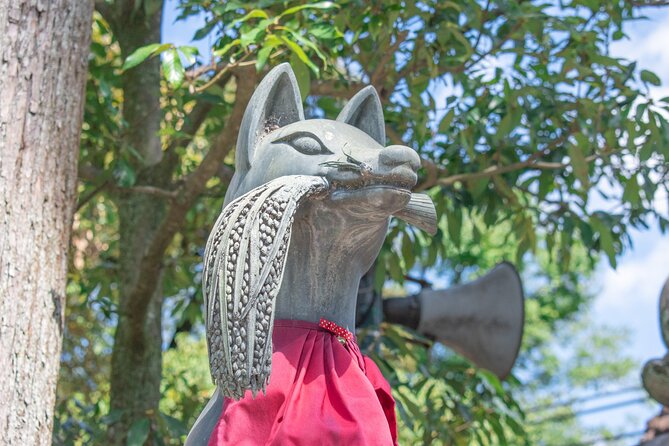
Matsuo Shrine is scheduled for 30 minutes. It was founded by the Hata people and remains important to households in the surrounding area. Its large koi pond, where you can feed the fish, gives the stop a simple, hands-on quality that temples sometimes lack.
This is not the kind of stop you choose for a long architectural tour. It works as a gentle finish, especially if your group enjoys gardens, ponds, and small local customs. The shrine’s connection to nearby households also gives it a more neighborhood feel than a major sightseeing icon.
Like the other half-hour stops, Matsuo Shrine requires a quick look. You will want to listen closely when Takashi explains what makes it special, then leave enough time for the pond.
What the guide adds to the experience
Takashi is an important part of the value. The available feedback specifically praises his English and communication, cultural explanations, photography, and ability to take families to peaceful shrines and temples.
That combination matters in Kyoto. A guide can do more than name a building. He can explain why a garden is arranged a certain way, connect Koryu-ji to early cultural exchange, or point out why a less famous temple deserves your time.
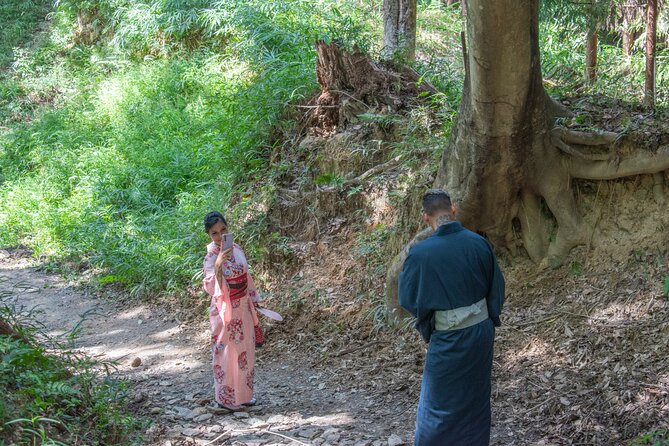
Photography is another practical benefit for families and groups. You can ask Takashi to take pictures rather than rely only on quick self-timer shots. His friendly response to past visitors, including a joke about pickle samples and the amount purchased, also suggests a relaxed personal style rather than a formal lecture.
You should still tell him what matters most to your group. With many possible stops and limited hours, your priorities will shape the day. A garden lover may want more time at Rengeji or Koetsuji. A first-time visitor may prefer to protect time at Fushimi Inari and Kinkakuji.
Kyoto only, or Kyoto, Nara, and Osaka?
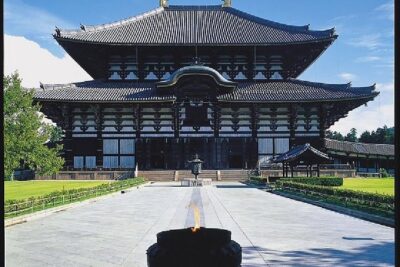
This is the most important point to settle before booking. The title refers to Kyoto, Nara, and Osaka, and the overview gives a sample 12-hour route that includes Fushimi Inari and a secret Kyoto temple, Todai-ji and Nara Park, then Osaka’s Dotombori and Abeno Harukas.
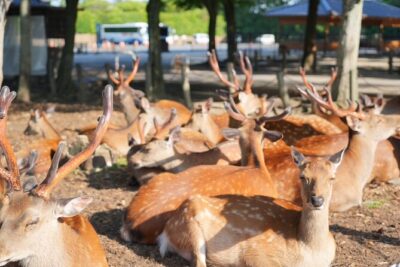
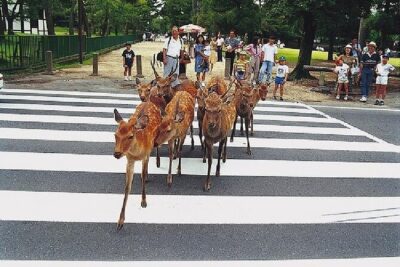
The listed duration, however, is about seven hours. The detailed stop list names eight Kyoto locations and does not include Todai-ji, Nara Park, Dotombori, or Abeno Harukas. Those are not small differences. Nara and Osaka require additional driving time, and feeding deer at Nara Park or visiting a high-rise observatory cannot simply be added without changing the schedule.
If you specifically want the three-city day, confirm that you are selecting the 12-hour option. Ask which stops are included, how much time is allowed at each, and whether admission costs are separate. If you want a focused Kyoto day, confirm that the route is the seven-hour version and ask which of the eight Kyoto stops will be visited.
The ability to choose a drop-off location is useful in either case. You could finish near a restaurant, but no restaurant booking is included in the information provided, so arrange dinner separately.
Is $329.02 per person good value?
At $329.02 per person, this is not a budget sightseeing option. The value depends heavily on group size and route.
For a private group of two, the price is a serious outlay for a roughly seven-hour day. For a larger party sharing one private vehicle and guide, the cost may make more sense, particularly because Kyoto hotel pickup and direct transport reduce the effort of moving between distant temples.
You are paying for more than entry to famous sights. The package offers a private guide, transportation between scattered locations, route planning, cultural explanation, photography help, and the chance to visit places that are inconvenient by public transport. Admission is listed as free at the stops, so the price is mainly about service and convenience rather than bundled tickets.
Group discounts are available, though the exact reduction is not provided. Check the final per-person amount for your group before assuming the advertised figure applies to everyone.
Who will enjoy this most?
I would choose this for a family or friend group that wants a private day and prefers direct transport over figuring out Kyoto’s bus and train network. It also suits people who have already seen the main central sights and now want gardens, smaller temples, and local sweets.
The tour is especially appealing if Takashi’s personal approach matters to you. His clear English, cultural explanations, quiet-site recommendations, and photography support are central to the experience.
I would be more cautious if you dislike a full schedule or want to linger at every temple. The eight-stop Kyoto plan moves quickly, and the three-city example moves even faster. Anyone with limited walking ability should ask about the amount of walking at Fushimi Inari and the temple grounds before booking, since the provided details do not give a specific accessibility plan.
Confirmation arrives when you book, and most people can participate. Free cancellation is available up to 24 hours before the start time. Inside that window, changes are not accepted and the payment is not refunded.
FAQ
Is this a private tour?
Yes. Only your group participates, and the private group size can be up to nine people.
Is hotel pickup available?
Yes. Pickup is offered from hotels in Kyoto. The experience is also listed as being near public transportation.
How long does the tour last?
The listed duration is approximately seven hours. A separate example for the Kyoto, Nara, and Osaka option describes a 12-hour tour, so confirm the exact duration for the option you select.
Are Nara and Osaka definitely included?
The overview describes a possible three-city route with Todai-ji and Nara Park in Nara, followed by Dotombori and Abeno Harukas in Osaka. The detailed stop list covers Kyoto sites only, so confirm which cities and stops are included before booking.
What is the minimum age for alcohol consumption?
The minimum age requirement for alcohol consumption is 18.
Can I cancel for a full refund?
Yes, if you cancel at least 24 hours before the experience start time. Cancellations made within 24 hours are not refunded, and changes in that period are not accepted.
Should you book it?
Book this if you want a private, guide-led Kyoto day built around both famous sights and quiet temples. Takashi’s English, cultural explanations, photography, and local food suggestions add value, while hotel pickup makes a scattered route easier.
Do not book without first confirming the exact duration and city list. The seven-hour Kyoto schedule and the 12-hour Kyoto, Nara, and Osaka example are different products in practical terms. If you get that point settled, this can be a rewarding choice for a small group that values personal attention and unusual stops over the cheapest possible way to see Kyoto.
More Private Tours in Kyoto
More Nara Day Trips in Kyoto
More tours in Kyoto we've reviewed


Nara Day Trips, compared.
 ★ 5.0World Heritage Kyoto & Nara Uji Authentic Matcha ExperienceFrom $129
 ★ 4.7Kyoto/Osaka: Nara, Fushimi Inari Taisha, Arashiyama Bus TourFrom $529 - 10 hours
 ★ 4.4Osaka/Kyoto: Arashiyama, Nara & Fushimi Inari Shrine w/LunchFrom $61
 ★ 5.0Nara Early Morning Tour (Kyoto or Osaka Departure Available)From $61
 ★ 4.5Kyoto and Nara Day Trip from KyotoFrom $194
 ★ 4.5Nara Afternoon Tour from Kyoto or OsakaFrom $102