
Reviewed · GION & GEISHA WALKS
Kyoto: Top Sights Guided Tour – Gion, Kinkaku, Fushimi, Nijo
Kyoto’s biggest sights are spread across the city, and this eight-hour guided route links five of them in one full day. You begin beneath Fushimi Inari’s famous red gates, then move through temples, old lanes, a castle, and the Golden Pavilion before finishing at Kinkaku-ji.
I like the practical mix of trains, buses, and walking, which gives you a better feel for Kyoto than staying inside a tour bus. I also like the guide-led visits, especially when you are with someone such as Takashi, whose kind, thoughtful approach and strong command of Kyoto’s story have earned especially warm praise.
The tradeoff is the pace. Five major sights in eight hours leaves little room to linger, and lunch takes place during the Gion portion at your own cost. This is a strong first look at Kyoto, not a slow, quiet day at each temple.
In This Review
- Key points at a glance
- Why this route works for a first day in Kyoto
- Meeting the guide at JR Inari Station
- Fushimi Inari and its red gate corridor
- Kiyomizu-dera and Kyoto from the wooden stage
- Sannenzaka and the short walk into Gion
- Lunch and old Kyoto in Gion
- Nijo Castle’s polished interiors and political past
- Kinkaku-ji, Kyoto’s Golden Pavilion
- What the $131 price really covers
- Who should book this Kyoto day
- Should you book it?
- FAQ
- How long does the Kyoto tour last?
- Where does the tour begin?
- How will I recognize the guide?
- Which attractions are included?
- Where does the tour finish?
- Is lunch included?
- Are admission tickets included?
- What languages are available?
- Is this a private tour or a group tour?
- Can I cancel for a full refund?
- Can I reserve now and pay later?
Key points at a glance
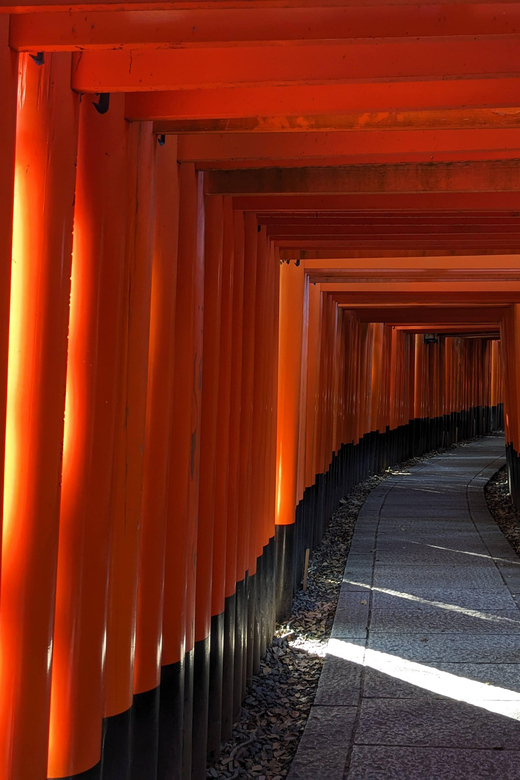
- Start beneath thousands of torii gates: Meet at JR Inari Station and walk into Fushimi Inari Shrine.
- See Kyoto from Kiyomizu-dera’s wooden stage: The temple visit includes time for city views and a guided look around.
- Walk old Kyoto in Gion: Traditional machiya houses and atmospheric lanes provide the day’s most local-feeling stretch.
- Enter Nijo Castle: Opulent rooms and carefully preserved interiors offer a sharp contrast to the open-air shrines.
- Finish at the Golden Pavilion: Kinkaku-ji closes the day with a polished temple, pond, and garden setting.
- Use public transport between sights: The route includes a 40-minute train ride and two 30-minute bus or coach journeys.
Why this route works for a first day in Kyoto
Kyoto can be awkward to organize. Its headline sights sit in different parts of the city, and a self-guided plan can turn into a string of transport decisions. This tour gives you a fixed path from south to east, central Kyoto, and then northwestern Kyoto.
That saves planning time. You do not have to work out which stop should come next or how to fit Fushimi Inari, Gion, Nijo Castle, and Kinkaku-ji into one day. The guide also supplies context at each stop, which matters in Kyoto. A shrine gate, a castle corridor, and a gold-covered temple can blur together if you only collect photographs.
You should expect a busy day rather than a relaxed temple walk. The route includes guided visits of 40 minutes at Fushimi Inari, 70 minutes at Kiyomizu-dera, 15 minutes at Sannenzaka, 1.5 hours in Gion including lunch, one hour at Nijo Castle, and one hour at Kinkaku-ji. Add the train, bus, and walking time, and the schedule fills the full eight hours.
That structure suits you if Kyoto is part of a short Japan trip or if you want a useful orientation on your first full day. If you have a week in Kyoto, you may prefer to divide these sights across several days and return to your favorites at a slower pace.
A few more Kyoto tours and experiences worth a look
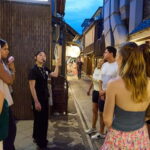

Meeting the guide at JR Inari Station
The day begins at the central ticket gate at JR Inari Station. Look for the guide holding a yellow sign with the DeepExperience logo.
This is a sensible starting point because Fushimi Inari Shrine is right at the station area. You do not spend your first hour crossing Kyoto to reach the first attraction. Still, make sure you arrive at the correct station and gate, since Kyoto has several rail lines and station names can be easy to mix up.
The guide speaks English or Japanese, and the outing is offered as either a private tour or a small-group experience. That choice affects the feel of the day. A private outing gives you more room to ask questions and set the pace within the schedule. A small group can be more social, though group movement may require everyone to keep to the planned timing.
Fushimi Inari and its red gate corridor
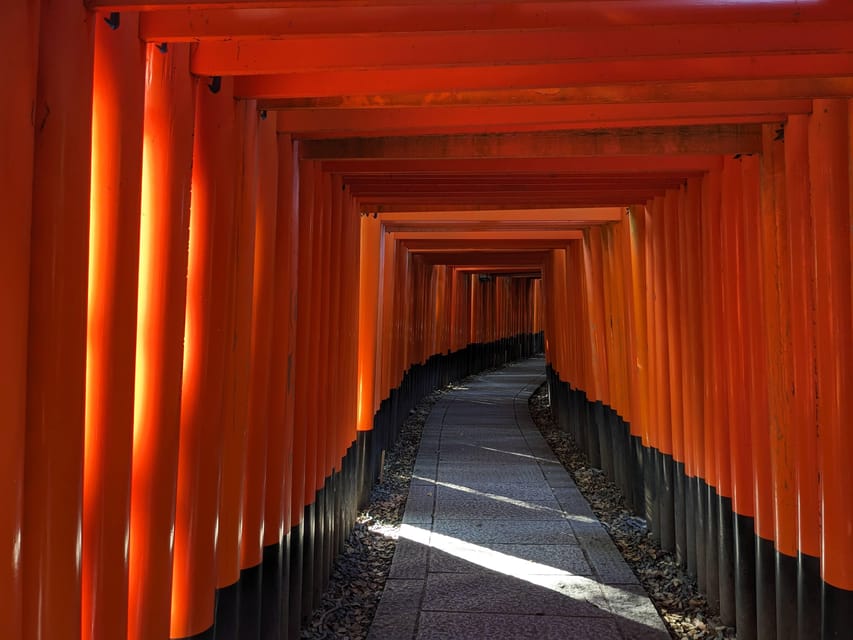
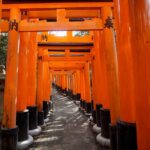
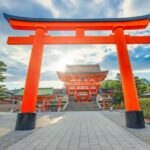
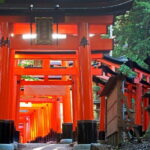
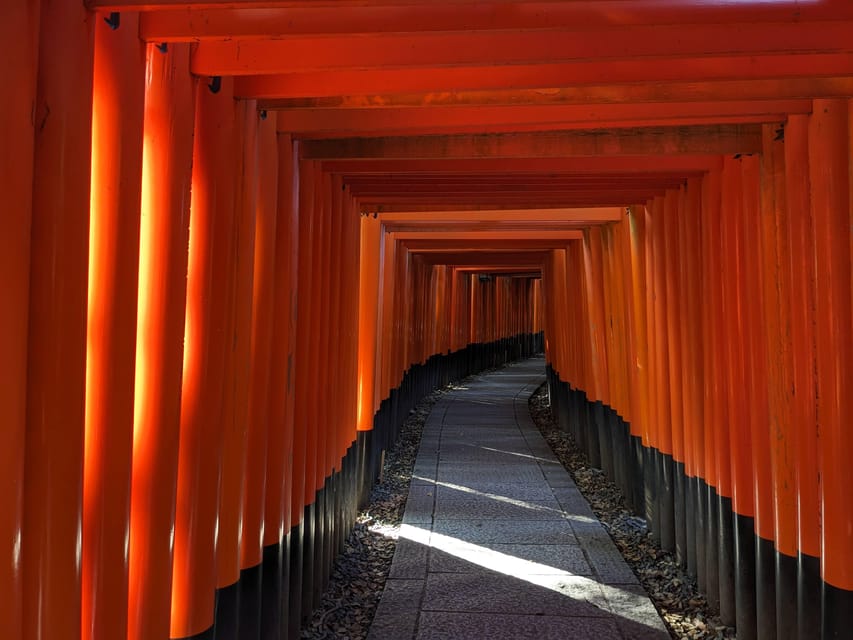
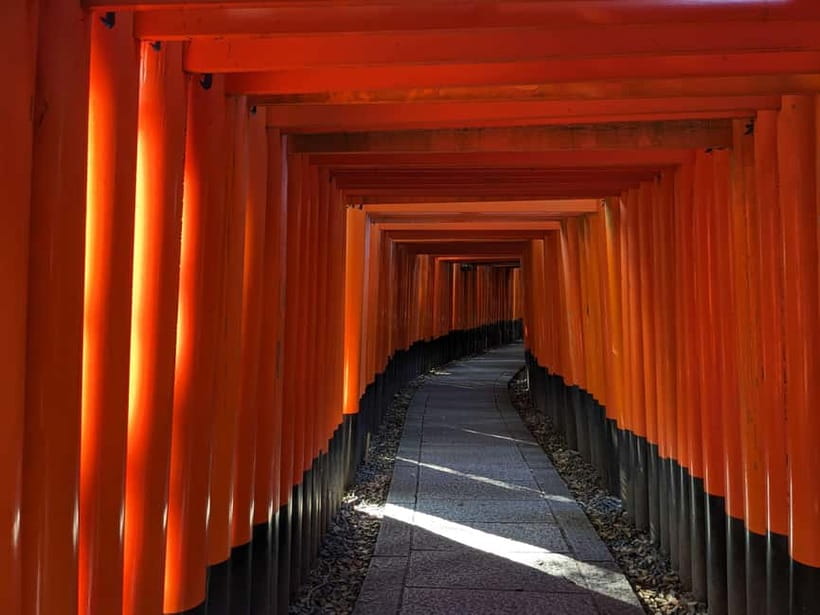
Fushimi Inari Taisha provides an immediate Kyoto signature: rows of vermilion torii gates climbing into the wooded shrine grounds. The tour allows 40 minutes for a guided visit, enough to enter the famous gate corridor and learn why the shrine is such an important place.
The gates are not simply decorative. Their repeated form creates the visual effect that draws most people here, but a guide can help you look past the pattern and understand the shrine’s religious meaning and place in local culture. That extra explanation is useful at a site where it is easy to walk in, take a few pictures, and leave without context.
Forty minutes is also a limit. Fushimi Inari extends far beyond the most photographed entrance section, so you should not expect to walk every path. The advantage is that you see the essential part without using half your day at the first stop. The disadvantage is that you may want more time once the gates begin winding uphill.
The next leg is a train ride of about 40 minutes. That transfer is not dead time. It shows you how spread out Kyoto’s sights are and gives your feet a short break before the next temple.
Kiyomizu-dera and Kyoto from the wooden stage
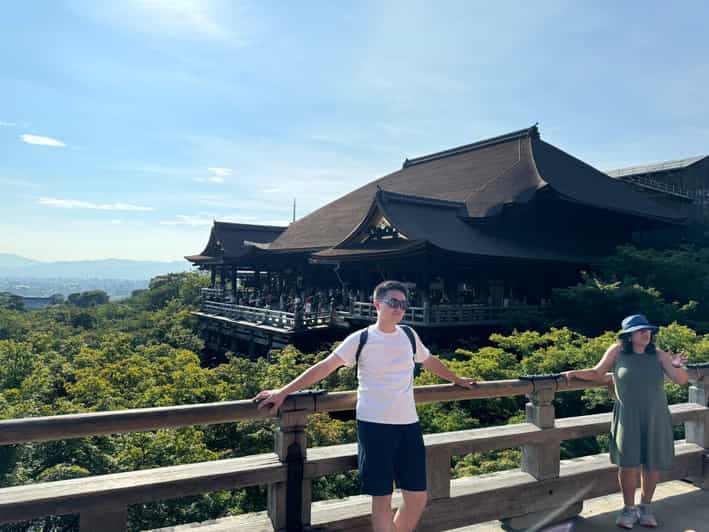
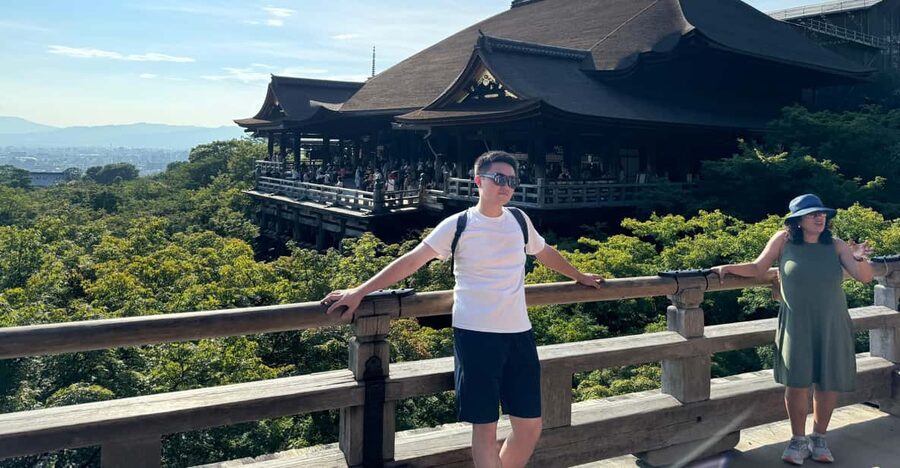
Kiyomizu-dera is the day’s great viewpoint. Its celebrated wooden stage looks over Kyoto, making this one of the best places on the route to connect the city’s temples, hills, and built-up center in a single glance.
The guided visit lasts about 70 minutes. That is more generous than the time at Fushimi Inari and gives you room to appreciate both the structure and its setting. The famous stage is the obvious draw, but the temple visit gains value when you understand why its design and position matter.
You should expect a popular site, not a silent retreat. Kiyomizu-dera is one of Kyoto’s best-known attractions, so the approach and viewing areas can feel active. The tour’s fixed timing helps you avoid getting stuck here while still allowing a proper look.
From Kiyomizu-dera, the group walks five minutes to Sannenzaka. This short connection is one of the route’s strengths. You do not need to arrange another vehicle for a nearby historic area, and the transition from temple grounds to old Kyoto streets feels natural.
Sannenzaka and the short walk into Gion
Sannenzaka receives a 15-minute guided visit. This is a brief stop, but it gives the day some texture between major monuments. Instead of moving only from one grand attraction to the next, you get a look at the traditional streets that tie Kyoto’s old districts together.
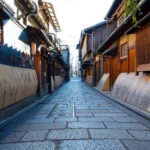
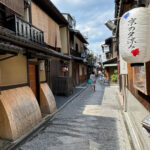
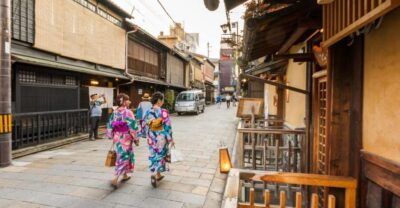
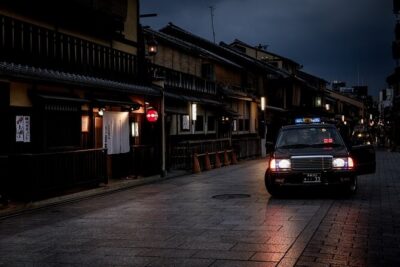
The route then continues on foot for about 20 minutes toward Gion. That walk is worth treating as part of the experience, not merely a transfer. You pass through an area known for traditional wooden machiya houses and narrow lanes, with the guide pointing out the character and cultural meaning of the district.
The walking portions also explain why footwear matters. You should choose shoes you can comfortably wear for a full day, since the schedule combines shrine and temple grounds, city streets, station movement, and two longer transfers. The supplied information does not specify an accessibility plan, so anyone needing special assistance should ask the provider before booking.
A few more Kyoto tours and experiences worth a look

Lunch and old Kyoto in Gion
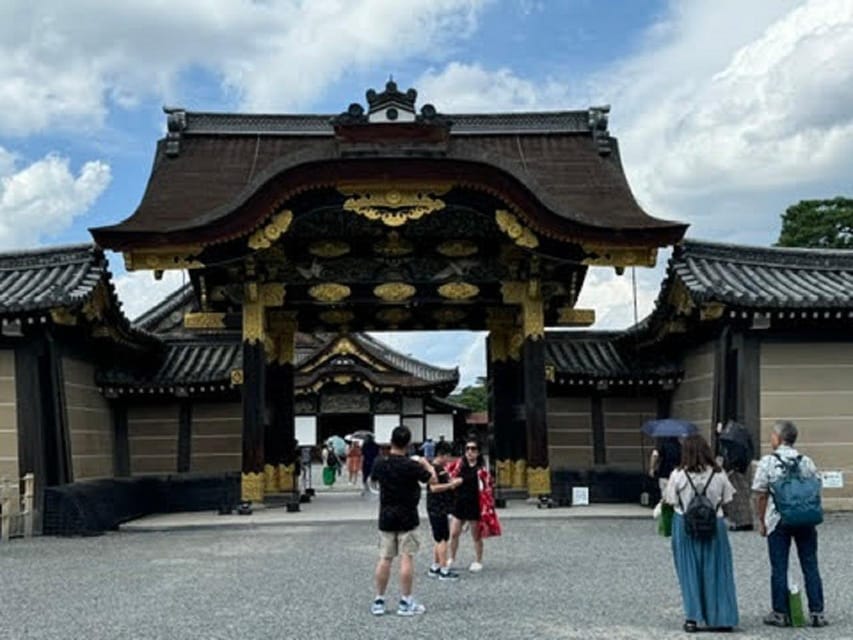
Gion receives the longest single block, 1.5 hours, and that includes lunch. It is the right place in the schedule for a pause. After Fushimi Inari, Kiyomizu-dera, Sannenzaka, and the connecting walk, you will appreciate time to eat before the afternoon’s castle and temple visits.
Lunch is not included in the $131 price, so plan for that extra cost. The information provided does not specify a restaurant or set menu. That gives you less certainty about the meal than on a package with food included, but it also means you are not paying in advance for a meal you may not want.
Gion is more than a photogenic old quarter. Its machiya houses and traditional streets offer a look at Kyoto’s enduring townscape, and your guide can explain the district’s place in the city. Keep expectations sensible: the tour gives you a guided introduction, not an evening of entertainment or a deep exploration of every lane.
After Gion, a bus or coach ride of about 30 minutes takes you to Nijo Castle. This change from walking streets to motor transport marks the second half of the day.
Nijo Castle’s polished interiors and political past
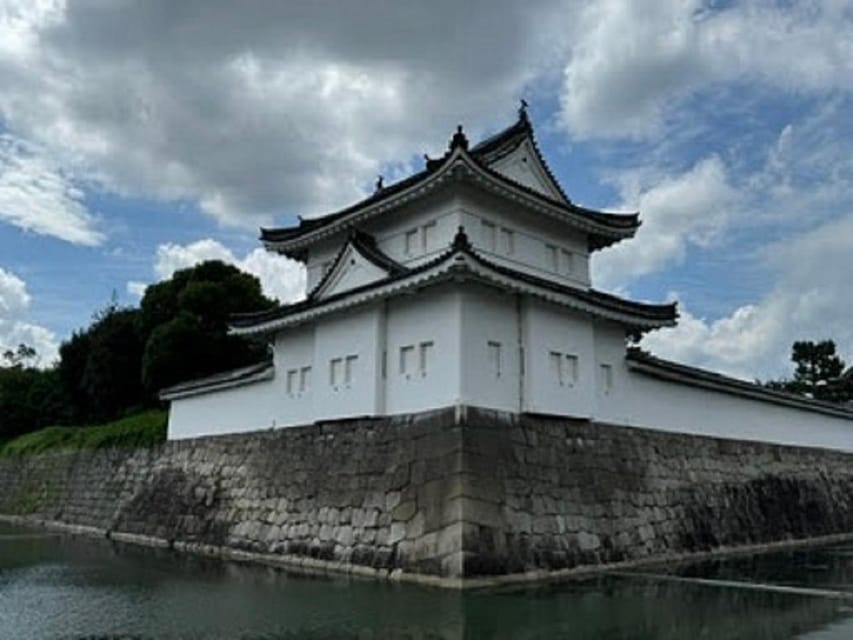
Nijo Castle provides one of the clearest contrasts on the route. Fushimi Inari and Kiyomizu-dera are primarily religious sites, while Nijo Castle shows you the power and ceremony of Japan’s ruling class through opulent architecture and preserved interiors.
The visit lasts about one hour. That is enough time for a guided introduction to the castle’s main character, though not for an unhurried examination of every room and garden detail. The preserved interiors are especially important here. Nijo Castle is not just an impressive outer wall or gate. Its rooms help you picture how formal authority was displayed inside.
A guide adds real value at a castle because architectural details can be easy to overlook. Without explanation, you may see ornate rooms but miss what their arrangement and decoration were designed to communicate. With only an hour, stay close to the guide and save extended photography for the end of each stop.
Another 30-minute bus or coach ride brings you to the final attraction. By this point, the day will feel full, but the last stop is visually different enough to provide a strong finish.
Kinkaku-ji, Kyoto’s Golden Pavilion
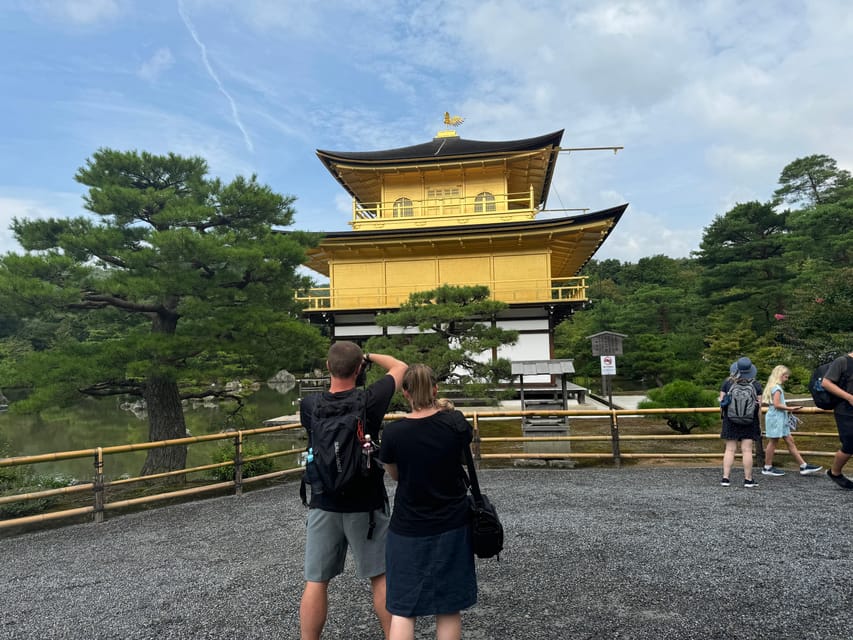
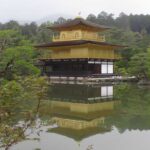
Kinkaku-ji, also called the Golden Pavilion, closes the tour. The temple’s gold-covered exterior reflects over a serene pond and Japanese garden, creating one of Kyoto’s most recognizable views.
The guided visit is scheduled for one hour. That timing lets you admire the pavilion, see the garden setting, and hear why the site matters without asking you to spend another long block on your feet. The Golden Pavilion is a visual highlight, but it is also a place where expectations need managing. The visit centers on viewing the pavilion and grounds, not entering every part of the building.
Finishing here is smart from a sightseeing point of view. You end with one of Kyoto’s signature images fresh in your mind rather than rushing away from it to reach another appointment. The listed finish point is Kinkaku-ji, so do not expect the guide to return you to JR Inari Station at the end.
What the $131 price really covers
At $131 per person, this is not the cheapest way to see Kyoto’s temples. The value comes from combining entry tickets, a live guide, and a carefully arranged route through several distant sights in one day.
The guide fee matters most if you want explanation rather than simple transportation. A strong guide can connect the shrine gates, temple views, castle interiors, and old streets into one understandable picture of Kyoto. Takashi has received especially strong praise for being kind, thoughtful, and exceptionally well informed, though you should not assume he will lead every departure.
Entry tickets are included, which makes the cost easier to judge. Lunch is not included, and the supplied details do not state that public transport fares are included. Ask about train and bus costs before you book so the final budget is clear.
I would consider the price fair for a first visit when your time is limited and you value a guide. If you prefer wandering alone, already know Kyoto well, or want long periods at each temple, you may get better value by choosing individual admissions and building your own days.
Who should book this Kyoto day
This tour is best for you if you want to cover major ground without spending hours comparing routes. It also fits first-time visitors who want help understanding what they are seeing, especially at Fushimi Inari and Nijo Castle, where a little context changes the experience.
It suits solo visitors, couples, families, and small parties who enjoy a full schedule. The private option is useful if you want a more personal day, while a small group keeps the cost and social feel more balanced.
You may want another plan if your priority is photography, quiet temple time, or a relaxed lunch. The schedule leaves limited room for unplanned stops. It is also not the right choice if you want to finish near your starting point, since the tour ends at Kinkaku-ji.
Free cancellation is available up to 24 hours before the start time, and you can reserve now while paying later. Those terms are helpful when your Japan schedule is still shifting, but they do not change the basic fact that this is a long, active day.
Should you book it?
Book this tour if you have one important day for Kyoto and want the city’s classic sights tied together by an English or Japanese-speaking guide. The strongest reasons are the smart route, included admission, varied transport, and the chance to learn from a guide such as Takashi.
Skip it if you want to linger at one or two temples, choose your own restaurants, or avoid a packed schedule. For everyone else, this is a useful introduction to Kyoto: broad in coverage, solid in structure, and best enjoyed with comfortable shoes and realistic expectations about the pace.
FAQ
How long does the Kyoto tour last?
The tour lasts eight hours.
Where does the tour begin?
Meet your guide in front of the central ticket gate at JR Inari Station.
How will I recognize the guide?
The guide will be holding a yellow sign with the DeepExperience logo.
Which attractions are included?
The tour visits Fushimi Inari Taisha, Kiyomizu-dera, Sannenzaka, Gion, Nijo Castle, and Kinkaku-ji.
Where does the tour finish?
The tour finishes at Kinkaku-ji, also known as the Golden Pavilion.
Is lunch included?
No. Lunch is not included in the price.
Are admission tickets included?
Yes. The entry ticket is included, along with the guide fee.
What languages are available?
The live tour guide service is available in English and Japanese.
Is this a private tour or a group tour?
Private and small-group options are available.
Can I cancel for a full refund?
Yes. You can cancel up to 24 hours in advance for a full refund.
Can I reserve now and pay later?
Yes. The reserve now and pay later option lets you book without paying at the time of reservation.
More Nijo Castle Tours in Kyoto
More Fushimi Inari Tours in Kyoto
More Gion & Geisha Walks in Kyoto


More tours in Kyoto we've reviewed






Gion & Geisha Walks, compared.
 ★ 4.7Kyoto Geisha Walking Tour: Gion District & Hidden GemsFrom $252 hours
 ★ 4.7Kyoto: Gion Geisha District Walking Tour – Stories of GeishaFrom $202 hours
 ★ 4.9Best of Kyoto: Gion, Geisha, Pagodas & CobblestonesFrom $242 hours
 ★ 4.5Night Walk in Gion: Kyoto’s Geisha DistrictFrom $211h 40m
 ★ 5.0Kyoto Night Foodie Tour in Gion (9+ dishes + 6 Sake tastings)From $163
 ★ 5.0Kyoto Gion Geisha District Walking Tour – The Stories of GeishaFrom $25