

Reviewed · GION & GEISHA WALKS
Treasures of Kyoto: Gion & historical Walking Tour
Gion takes on a different character after sunset. Lanterns glow outside old restaurants, narrow lanes lead past teahouses, and the streets around Hanamikoji feel far removed from modern Kyoto. This three-hour evening walk gives you a brisk introduction to that world, with stops at temples, shrines, theaters, and old pleasure-district streets.
I like the balance between famous sights and quieter lanes, and I like that the guide offers practical ideas for the rest of your Kyoto stay. Raphaël has been praised for clear explanations of maiko and geiko, while Jérôme and Déborah are noted for useful tips and extra sightseeing ideas. The main consideration is pace: nine stops in three hours means you will see many places from the outside, rather than explore each one at length.
In This Review
- Key points at a glance
- Starting at 213 Nakanocho in Higashiyama
- Pontocho Park and Kyoto’s evening mood
- Nene-no-michi and the pleasure of old lanes
- Izumo-no-Okuni and the roots of performance
- Chion-in, a major temple stop
- Maruyama Park at the heart of Higashiyama
- Hanamikoji Street and the geiko district
- Yasaka Shrine, Kyoto’s Gion Shrine
- Shijo-dori and the modern city around Gion
- Kyoto Minami-za and the city’s theater tradition
- What the three-hour pace feels like
- Guides, languages, and group size
- Is $44 a fair price?
- Who should book this Gion walk?
- Should you book it?
- FAQ
- Where does the tour start?
- How long does the tour last?
- What places are included on the route?
- Is this a private tour?
- Which languages are offered?
- Are food and drinks included?
- Can I cancel the booking?
Key points at a glance
- Gion after dark: See lantern-lit streets, traditional restaurants, bars, and teahouses as the evening begins.
- Nine central Kyoto stops: The route includes Pontocho Park, Nene-no-michi, Chion-in, Maruyama Park, Hanamikoji Street, Yasaka Shrine, and more.
- Local cultural context: Learn how geiko and maiko fit into Kyoto’s traditional entertainment culture.
- Private or small group: A smaller format makes it easier to ask questions and adjust the conversation to your interests.
- Useful Kyoto advice: Guides can suggest other things to do after the walk, which is especially handy on a short visit.
- Straightforward value: At $44 per person, the tour is priced as an affordable introduction to central Gion, not as a full temple admission tour.
Starting at 213 Nakanocho in Higashiyama
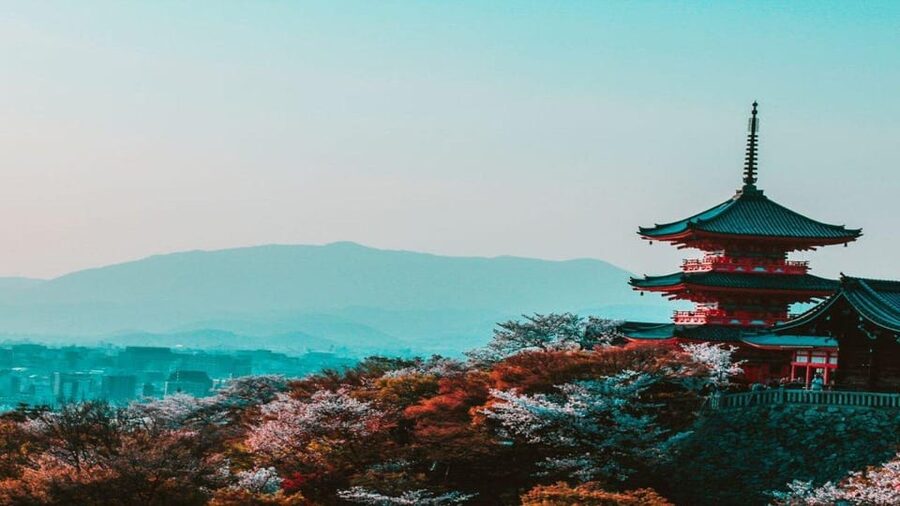
The meeting point is at 213 Nakanocho, Higashiyama Ward, in the traditional Gion area. That puts you close to the kind of old Kyoto streets you came to see, rather than starting in a modern transport hub or a distant suburb.
You should allow enough time to reach the address without rushing. The tour is built around walking, so comfortable shoes are a must. The route includes stone lanes, busy main streets, temple grounds, and several changes of scene. You will get more from it if you arrive ready to walk for three hours.
The booking information lists walking and public transport as included, except on options where transport is handled differently. It also says local city transport and car transportation are not included. In practical terms, think of this as a walking experience first, not a chauffeured tour. Ask about any transport detail when you book if your selected option differs from the standard walk.
A few more Kyoto tours and experiences worth a look

Pontocho Park and Kyoto’s evening mood
Pontocho Park is one of the first stops, with about 20 minutes set aside for a photo stop, sightseeing, and guided explanation. The area helps you understand Kyoto’s relationship with the Kamo River and its old entertainment quarters.
This is a useful opening because it gives the evening a sense of place. Rather than starting with a list of temple names, you begin near one of Kyoto’s best-known nightlife areas. As the light fades, the contrast between the riverfront and the narrow lanes nearby becomes part of the experience.
You should not expect a long meal break here. Food and drinks are not included, and the schedule moves on after the short visit. If Pontocho catches your interest, your guide can point you toward ideas for returning later on your own.
Nene-no-michi and the pleasure of old lanes

The walk continues to Nene-no-michi, another 20-minute stop. This lane is known for its traditional appearance and its place within southern Higashiyama, one of Kyoto’s most atmospheric sightseeing districts.
The value here is not only the photograph. Your guide can explain how the streets, architecture, temples, and local customs fit together. With the right context, a quiet lane stops being just a pretty backdrop and becomes part of Kyoto’s older neighborhood pattern.
This area can feel busy at popular times, so the evening setting may help. Still, the tour does not promise an empty street. You will share the area with other people, and the guide’s job is to help you notice details without treating the neighborhood as a stage set.
Izumo-no-Okuni and the roots of performance
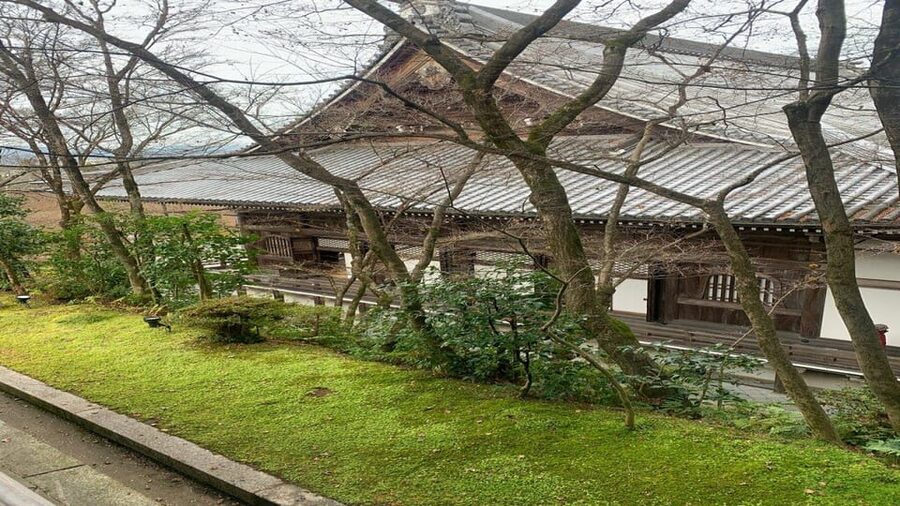
A stop at the Statue of Izumo-no-Okuni adds a different thread to the walk. Izumo-no-Okuni is linked with the origins of kabuki, so the statue provides a natural chance to talk about performance, entertainment, and the cultural life of Kyoto.
This is one of the more unusual stops on the route. It is not simply another shrine or scenic lane. You get a connection between Kyoto’s traditional arts and the theaters and entertainment streets you will see later.
The guide’s explanation matters here. A short stop at a statue can pass quickly if you only take a picture. With background about its significance, it becomes a compact lesson in how public performance developed in Japan.
Chion-in, a major temple stop
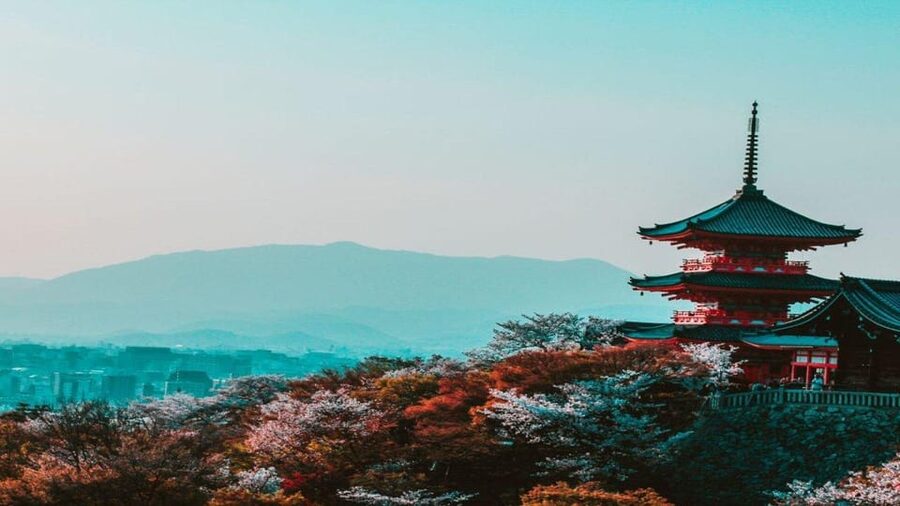
Chion-in receives another 20-minute visit. The tour description presents it as a photo stop and guided sightseeing visit, so you should expect an introduction to the temple and its setting rather than a full temple tour.
Chion-in gives the route a grander scale after the narrow lanes of Gion. Its presence also shows how the area combines religious sites with entertainment districts. That mixture is one of the most useful things to understand about Kyoto: temples and shrines are not always isolated attractions outside the city. They often sit close to ordinary neighborhoods, shops, restaurants, and historic streets.
Because the overall route includes nine stops, you will need to keep moving. If Chion-in is high on your personal list, you may want to return later for a longer visit. The guided walk is best for orientation and context.
Other walking tours we've reviewed in Kyoto




Maruyama Park at the heart of Higashiyama
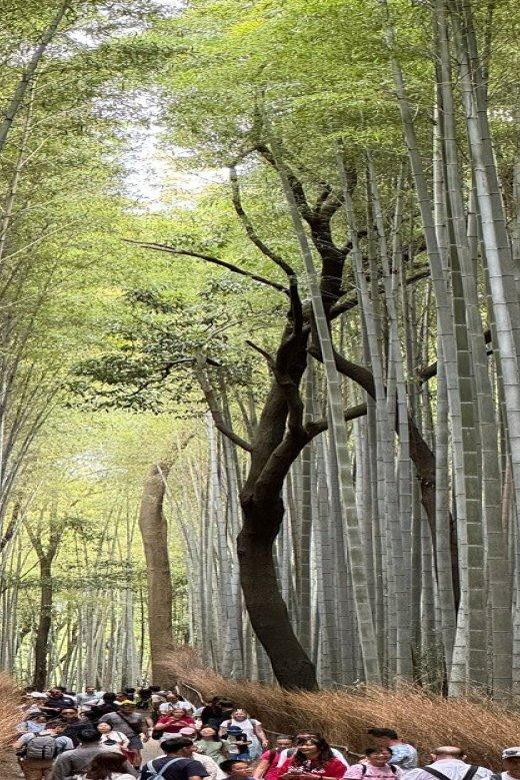
Maruyama Park follows Chion-in, with another 20-minute visit. The park provides a more open break from the lanes and built-up streets. It also connects several major sights in the eastern part of Kyoto.
I like this portion of the route because it gives your eyes a rest. A three-hour city walk can become a blur of facades and pavement, while a park offers space to pause and listen. The guide can also explain how the park fits into the surrounding temple and shrine district.
The stop is still brief. You will see the park as part of a larger route, not spend an afternoon exploring every path. If you want a slow, quiet park visit, plan to return independently.
Hanamikoji Street and the geiko district
Hanamikoji Street is likely to be one of the tour’s main moments. It is famous for its preserved traditional buildings and its connection with Gion’s restaurants, teahouses, and entertainment culture.
The street looks especially appealing in the evening, when lanterns begin to define the entrances and the architecture takes on a softer appearance. Your guide can explain the difference between a geiko and a maiko, and the customs connected with the district.
You might catch sight of a geiko or maiko heading to an appointment, but this is strictly subject to availability. That uncertainty is important. The tour offers cultural explanation and a chance to see the district itself, not a guaranteed encounter or staged photograph.
Please keep your behavior respectful. Gion is a working neighborhood, not a theme park. Listen to your guide about appropriate distance and photography. The best experience comes from observing quietly rather than chasing anyone through the lane.
Raphaël has received particular praise for explaining maiko and geiko in a clear, engaging way. That detail matters because the subject can easily be reduced to costume and spectacle. A good explanation helps you see the people, training, work, and customs behind the public image.
Yasaka Shrine, Kyoto’s Gion Shrine
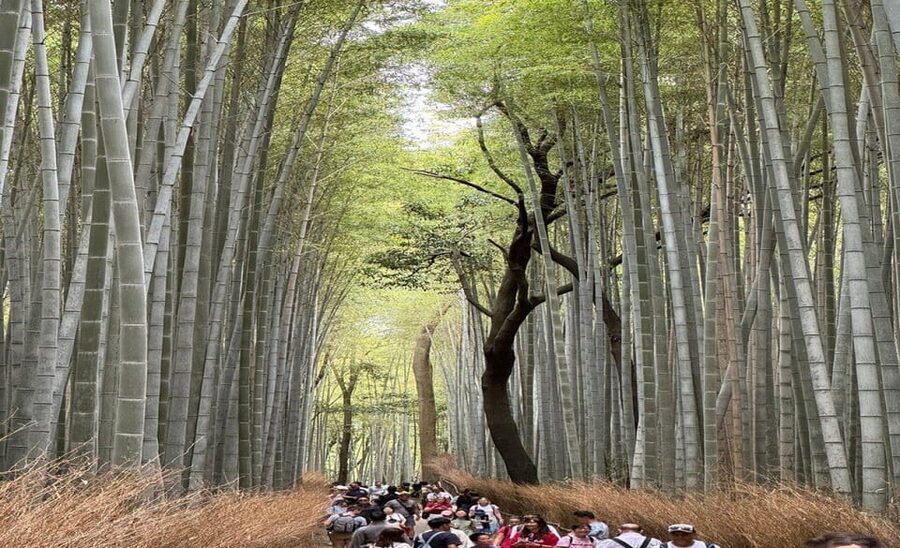
Yasaka Shrine, also called Gion Shrine, is another central stop. The 20-minute visit gives you a chance to see one of the district’s key religious sites and learn how it relates to Gion.
The shrine is a good counterpoint to Hanamikoji Street. One stop focuses on traditional entertainment and hospitality, while the next places the neighborhood within Kyoto’s religious life. The route makes more sense when you see both sides together.
As with Chion-in, this is an introduction rather than an extended visit. You will have time for guided sightseeing and photos, but not a long period of independent exploration. If you want to study the shrine grounds in detail, note what interests you and come back during a separate visit.
Shijo-dori and the modern city around Gion

Shijo-dori brings the walk onto one of Kyoto’s main streets. After the lanes of Higashiyama, the broad road and commercial activity show how old Gion connects with the rest of the city.
This contrast is useful. Kyoto is not preserved in one sealed historic quarter. Traditional buildings, major roads, shopping areas, theaters, shrines, and restaurants all meet within a short walk. A guide can help you read those changes instead of treating them as disconnected sights.
The main drawback is that this section is less calm than the backstreets. Traffic, pedestrians, and modern storefronts are part of the setting. If you only want old Kyoto, this may feel like a less scenic portion, but it helps you understand the district’s daily function.
Kyoto Minami-za and the city’s theater tradition
The final listed stop is Kyoto Minami-za, the city’s famous kabuki theater. Its inclusion ties back to the earlier visit to the Statue of Izumo-no-Okuni and gives the route a clear cultural thread.
The theater is a strong closing point because it connects architecture, performance, and the old entertainment quarter. You will not be attending a show as part of this experience, and food and drinks are not included. Instead, you get an outside view and an explanation of why the theater belongs in a tour of Gion.
If the theater interests you, ask the guide for further suggestions. One of the practical benefits of a small guided walk is the chance to turn a quick introduction into a plan for another evening.
What the three-hour pace feels like
The schedule assigns roughly 20 minutes to each of the nine stops. That does not mean you will stand still for exactly 20 minutes every time. Walking between locations takes part of the three hours, and the guide will shape the time around the group and the street conditions.
The pace suits you if you want a broad first look at Gion. You will cover a lot of ground and gain a framework for later independent visits. It is less suitable if you prefer to spend an hour inside each temple, stop often for meals, or browse shops at leisure.
This is also a useful same-day option. If you suddenly have an evening free, the short duration lets you see a major part of Kyoto without giving up an entire day. Starting times vary, so check availability for the date you want.
Guides, languages, and group size
The experience is offered in English, French, Spanish, and Italian. Private groups are available, and the standard format is private or small group.
That flexibility changes the feel of the walk. In a small group, you can ask about restaurant areas, temples to visit the next morning, or customs that catch your attention. A private format may suit families or couples who want the guide to shape the conversation around their interests.
The available guide names include Raphaël, Jérôme, and Déborah. Raphaël is specifically associated with clear explanations of maiko and geiko. Jérôme is noted for showing less obvious parts of Gion and offering additional sightseeing ideas, while Déborah led a morning walking experience described as a pleasant way to see Kyoto’s treasures.
Guide quality can vary from one departure to another, but the strongest pattern here is useful interpretation rather than mere escorting. You are paying for local explanation, route planning, and the chance to ask questions, not just directions between photo stops.
Is $44 a fair price?
At $44 per person, the tour sits in a reasonable range for a three-hour guided walk in a major Japanese city. The value is strongest if you are new to Kyoto, short on time, or want someone to explain the customs and layout of Gion.
You are not paying for meals, temple admission, or private car transport. That keeps the price down, but it also means you should not compare this with a full-day private sightseeing vehicle. The experience is a focused neighborhood walk.
I see the price as good value for a first evening, especially if the guide helps you choose what to do next. The advice can save time during the rest of your trip. If you already know Gion well and only want photographs, you can walk much of the route without paying a guide.
Who should book this Gion walk?
I would recommend it to first-time Kyoto visitors, couples, families, and anyone with only one free evening. It also suits you if you want cultural explanation without committing to a long formal lecture or a full-day schedule.
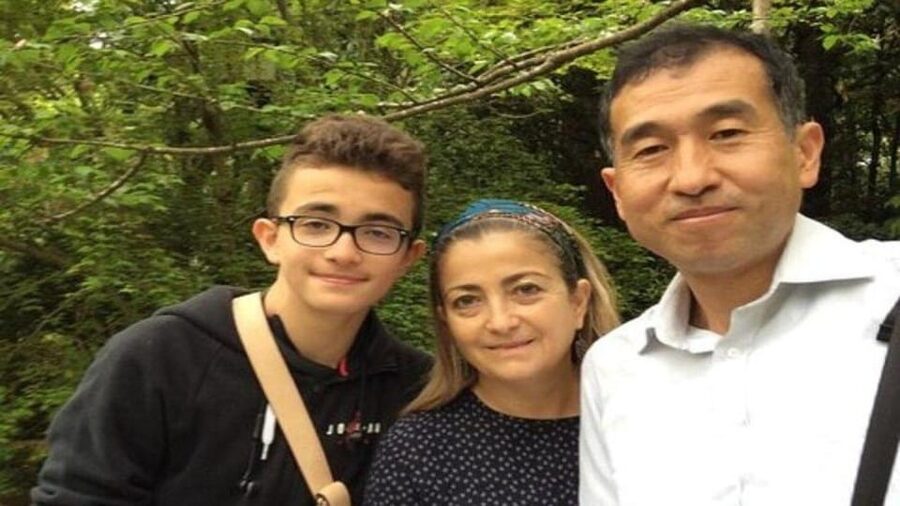
Families may appreciate the compact format. The tour has received positive feedback from a family with two children, who found the explanations about maiko and geiko clear and engaging. Still, remember that the walk lasts three hours and includes several historic streets, so children should be comfortable walking.
This is a good pick for people who enjoy seeing how a neighborhood works. It is not the best match if you need step-free access, a slow pace, or guaranteed sightings of geiko and maiko, since those details are not promised.
You can cancel up to 24 hours before the start for a full refund, and the reserve-now-pay-later option keeps your plans flexible. Those terms are useful when your Kyoto schedule is still changing.
Should you book it?
Book this tour if you want a well-paced introduction to Gion at night, with temples, theater, traditional streets, and practical advice in one compact outing. The cultural explanations, especially around maiko, geiko, and Kyoto performance traditions, add value that a self-guided walk may miss.
Skip it if you prefer to explore alone, linger at every shrine, or spend the evening eating and shopping. For everyone else, $44 buys a sensible orientation to one of Kyoto’s most distinctive districts, with enough local guidance to improve the rest of your stay.
FAQ
Where does the tour start?
The meeting point is 213 Nakanocho, Higashiyama Ward, Kyoto, 605-0075, Japan.
How long does the tour last?
The walking tour lasts three hours.
What places are included on the route?
The route includes Pontocho Park, Nene-no-michi, the Statue of Izumo-no-Okuni, Chion-in, Maruyama Park, Hanamikoji Street, Yasaka Shrine, Shijo-dori, and Kyoto Minami-za.
Is this a private tour?
A private group option is available. The experience can also operate as a small-group tour.
Which languages are offered?
The guide service is available in English, French, Spanish, and Italian.
Are food and drinks included?
No. Food and drinks are not included in the tour price.
Can I cancel the booking?
Yes. You can cancel up to 24 hours in advance for a full refund. A reserve-now-pay-later option is also available.
More Historical Tours in Kyoto

More Walking Tours in Kyoto
More Gion & Geisha Walks in Kyoto
More tours in Kyoto we've reviewed





Gion & Geisha Walks, compared.
 ★ 4.7Kyoto Geisha Walking Tour: Gion District & Hidden GemsFrom $252 hours
 ★ 4.7Kyoto: Gion Geisha District Walking Tour – Stories of GeishaFrom $202 hours
 ★ 4.9Best of Kyoto: Gion, Geisha, Pagodas & CobblestonesFrom $242 hours
 ★ 4.5Night Walk in Gion: Kyoto’s Geisha DistrictFrom $211h 40m
 ★ 5.0Kyoto Night Foodie Tour in Gion (9+ dishes + 6 Sake tastings)From $163
 ★ 5.0Kyoto Gion Geisha District Walking Tour – The Stories of GeishaFrom $25