
Reviewed · NARA DAY TRIPS
From Osaka/Kyoto: Private Kyoto and Nara Day Trip
Kyoto’s bamboo lanes, Fushimi Inari’s red torii gates, and Nara’s sacred deer make this a big day with plenty of visual rewards. You get hotel pickup, transport, and site admission in one package, which takes much of the planning work off your plate. I also like the small group limit of six, and guide Ali has been praised for his kind service and good command of the sights.
The catch is pace. You are covering two major destinations in 10 hours, with several listed visits lasting only 30 to 40 minutes. Clarify what guided tour means before booking, since the experience may involve being taken to site entrances and exploring some places on your own.
In This Review
- Key Points At A Glance
- One Day, Two Ancient Capitals
- Fushimi Inari And The Red Gate Tunnels
- Arashiyama Bamboo Forest In A Short Visit
- Nara Park And Its Free-Roaming Deer
- Todai-Ji And The Great Buddha
- Kasuga Taisha And The Last Light
- How Much Guiding Will You Get?
- The Pace, Walking, And Transport
- Who Gets The Best Value?
- Should You Book This Kyoto And Nara Day Trip?
- FAQ
- Where does the tour start?
- Where does the tour end?
- How long does the experience last?
- What languages are available?
- How many people can join?
- Are attraction admissions included?
- Is transportation included?
- Can I cancel for a full refund?
- Is the tour suitable for wheelchair users?
Key Points At A Glance
- Two historic capitals in one day: See Kyoto, Japan’s best-known old capital, then continue to Nara, the country’s first permanent capital.
- A small group of up to six: This is more personal than a large coach outing, with pickup from a hotel or another address in Osaka or Kyoto.
- The walking is real: Arashiyama, Fushimi Inari, Nara Park, and Todai-ji all involve time outside and on foot.
- The standout sights are very different: Bamboo, shrine gates, temple architecture, a giant bronze Buddha, and free-roaming deer give the day good variety.
- Value depends on group size: At $483 for six people, the cost works out to $80.50 each before considering the included transport and admissions. For one or two people, it is much less economical.
- Ask about the guiding format: English and Hindi are offered, but the level of site-by-site guiding needs to be confirmed.
One Day, Two Ancient Capitals
This outing tries to solve a common Japan planning problem: how do you see Kyoto and Nara when your schedule is tight? Instead of arranging trains, local transfers, admission tickets, and hotel transport yourself, you spend one long day moving between the major sights.
That convenience has a price. Kyoto and Nara each deserve more than a quick look, and this tour gives you a highlights reel rather than a slow, local-paced visit. I would choose it if your time in the Kansai region is limited and you want the famous sights in a single day. I would not choose it if you prefer long temple visits, quiet meals, or time to wander without watching the clock.
Pickup is available from Osaka or Kyoto hotels and other locations. Port and airport pickup is not available, so you need to be staying in one of those two cities. The group is limited to six people, which should make hotel pickup and short stops easier than they would be on a large bus.
The advertised price is $483 per group of up to six. That is a fair calculation for a full private-style day when six people share the cost. At the maximum group size, it comes to $80.50 per person, with transportation and admission to the mentioned sites included. For a solo visitor, couple, or small family, the per-person cost rises quickly, so compare it with the price of arranging trains and taxis yourself.
A few more Kyoto tours and experiences worth a look
Fushimi Inari And The Red Gate Tunnels
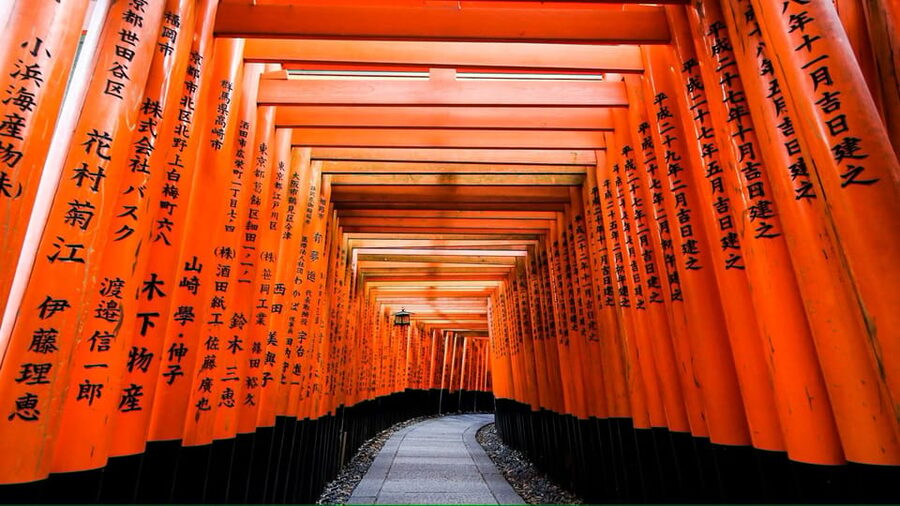
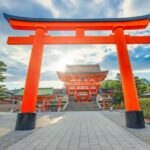
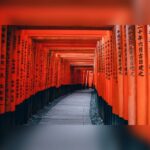
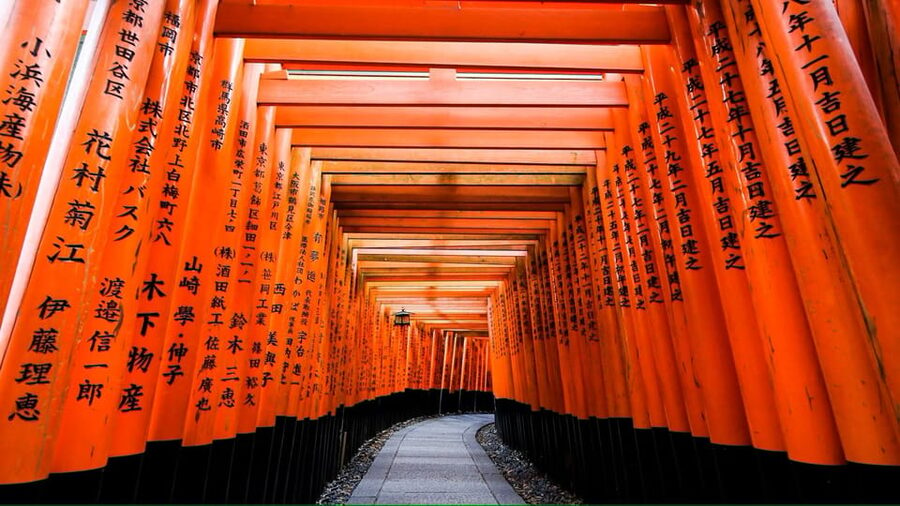
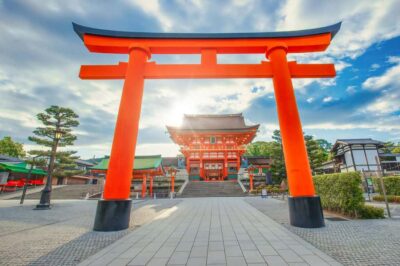
Fushimi Inari Taisha is one of Kyoto’s most recognizable sights. Its thousands of vermilion torii gates climb through a wooded hillside, forming long passages that feel both orderly and mysterious.
The tour allows about 30 minutes here according to the planned stop time. That is enough to enter the shrine grounds, walk beneath some gates, and take photographs. It is not enough for a relaxed walk far up the mountain. The paths continue well beyond the first famous section, so you should think of this visit as a taste of Fushimi Inari rather than a full hike.
This is one of the places where comfortable shoes matter. The route can include slopes and steps, and the group may need to stay together while making progress through a busy shrine area. Bring water, protect yourself from the sun, and keep your belongings secure in crowded sections.
Fushimi Inari is also a working religious site, not just a photo setting. Stay respectful around worshippers, shrine buildings, and ritual areas. Do not smoke or litter, and follow any local signs or instructions.
Arashiyama Bamboo Forest In A Short Visit
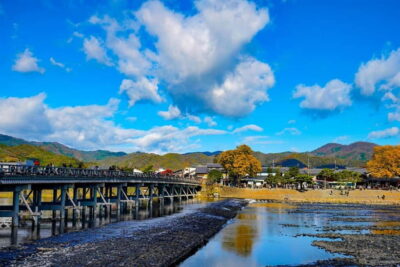
Arashiyama’s bamboo grove offers a completely different mood. Tall bamboo rises on both sides of the path, filtering the light and creating a calm green corridor. It is one of Kyoto’s most photographed places, so the appeal is easy to understand, even when the path is busy.
The planned stop is about 30 minutes. You can walk through the main section and take photographs, but you will not have much time to explore the wider Arashiyama area. The experience does not promise a long visit to nearby temples, gardens, or the rest of the district.
That short timing is both a strength and a weakness. You get the famous view without spending half a day in one neighborhood. At the same time, you may find yourself rushing through a place that rewards patience. If bamboo is your main reason for visiting Kyoto, ask whether the schedule can allow extra time there.
The paths are outdoors, and weather will shape the experience. Wear shoes with good support and dress for a day outside. A hat, sunscreen, and water are sensible additions, especially in warm weather.
Nara Park And Its Free-Roaming Deer
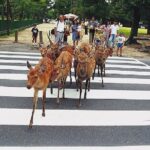
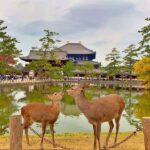
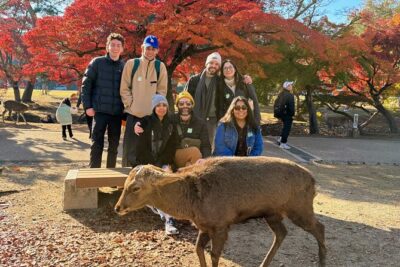
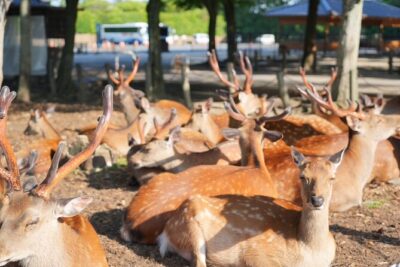
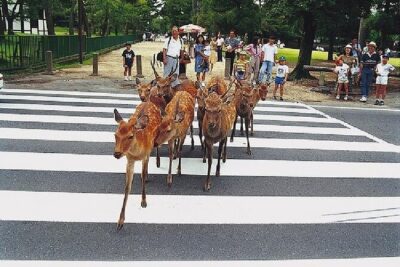
Nara Park changes the rhythm of the day. After Kyoto’s shrine and bamboo stops, you get open parkland and deer moving through the grounds. These animals are considered sacred messengers of the gods, and they are one of Nara’s most memorable features.
The planned park visit lasts around 40 minutes and may include walking, photographs, and a little shopping. You can interact with the deer, but do so carefully and respectfully. Feeding animals is not allowed on this tour, so do not bring food for them or try to tempt them closer.
Keep your bag and other belongings secure. The park can be crowded, and the deer are curious. You should also watch where you step and avoid blocking paths or shrine entrances while taking pictures.
The short stop gives you a useful introduction, but Nara Park is much more than a deer encounter. Its paths connect major temples and shrines, and the whole area works best when you have time to stroll. Here, the tour favors coverage over a leisurely park walk.
Todai-Ji And The Great Buddha
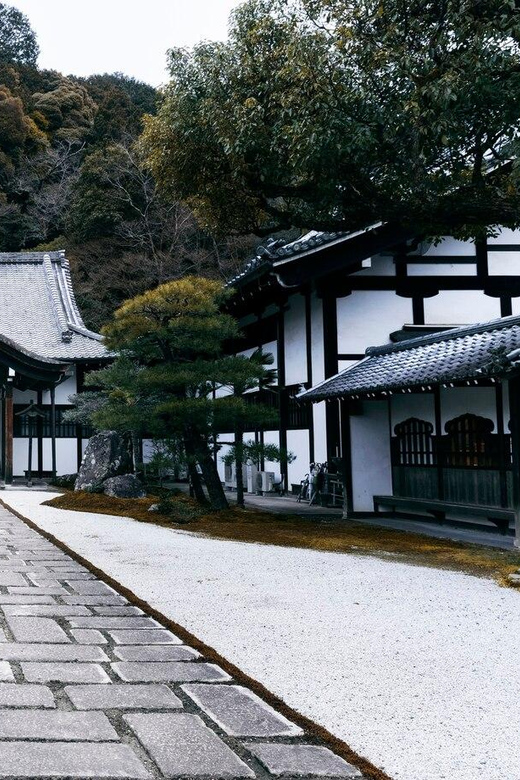
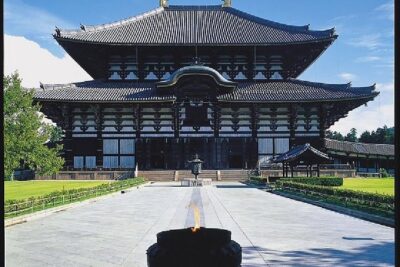
Todai-ji is the day’s grandest indoor sight. The temple’s Great Buddha Hall houses a massive bronze statue of Buddha, described as the world’s largest bronze Buddha statue. The scale of the building and statue makes this more than a quick photo stop, even if your total time is limited.
About one hour is allocated for Todai-ji, including sightseeing and possible shopping. That is a more generous stop than the bamboo forest or Fushimi Inari, and it gives you time to see the main hall and absorb its size.
Admission is included, which matters here because entrance fees can add up across several major sites. You avoid another ticket line and can focus on the visit itself. Your guide may provide context, but confirm in advance whether the guide enters with you and explains the temple or simply brings you to the entrance.
Todai-ji is an important reason to include Nara in this day. Kyoto supplies the familiar shrine and bamboo images, while Todai-ji gives you a sense of monumental Buddhist architecture. I would give this stop priority if the day starts running late.
A few more Kyoto tours and experiences worth a look
Kasuga Taisha And The Last Light
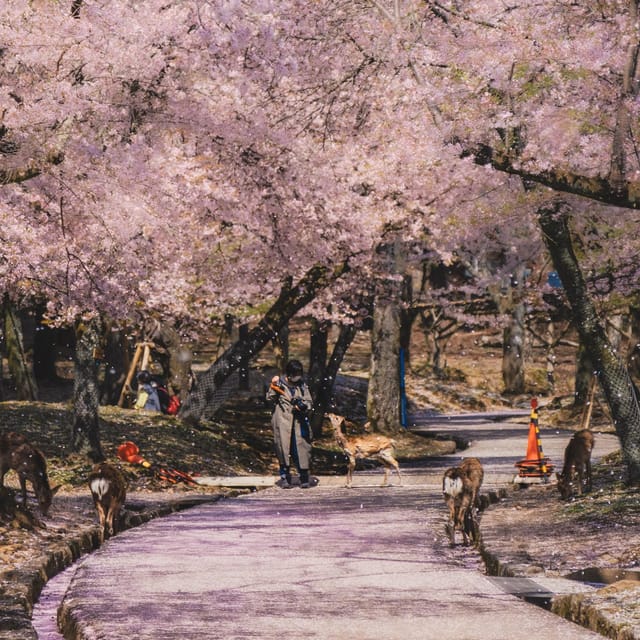
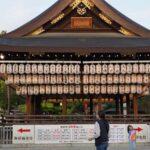
The final part of the Nara visit includes Kasuga Taisha, a shrine known for its many lanterns. The lanterns create a special atmosphere as daylight fades, though the exact appearance will depend on the season and the timing of the tour.
The supplied schedule does not give a separate duration for Kasuga Taisha, so do not assume you will have a long, quiet shrine visit. It may be folded into the wider Nara portion of the day. If Kasuga Taisha is important to you, ask how much time is planned there and whether it will be visited before or after Todai-ji.
This is a good example of why the tour’s order may need to change. The listed stops include both sunrise and sunset sightseeing options, but a 10-hour day cannot offer every stop at every ideal time. Your actual pickup time, traffic, season, and starting city will affect the order.
How Much Guiding Will You Get?
The tour is described as guided, with English and Hindi available. That is useful if you want help with transport and a basic route through the sights. A small group can also make it easier to ask questions or adjust the pace within the limits of the day.
Still, you should ask a direct question before paying: will the guide walk into each attraction and explain it, or will you be left to explore after being shown the entrance? This distinction matters at Fushimi Inari, Arashiyama, Nara Park, and Todai-ji, where a self-guided visit feels very different from a full escorted tour.
One guide named Ali has received especially warm praise for his kindness, service, and ability to explain the day. That is a positive sign, but guide assignment can vary. Treat the experience as a transport-and-sightseeing day with guiding included, not automatically as a detailed private lecture at every stop.
If you want deep historical explanation at each temple, confirm the arrangement. If you mainly want an efficient route, help with transfers, and a friendly person managing the day, the format may suit you well.
The Pace, Walking, And Transport
Ten hours sounds generous until you count hotel pickup, driving between Osaka or Kyoto and Nara, and several separate attractions. The listed sightseeing times total only a few hours, leaving the rest for transport, breaks, pickup, drop-off, and changes in the schedule.
You should expect to be outdoors for most of the day. Arashiyama and Fushimi Inari involve walking, Nara Park spreads out between major sights, and Todai-ji requires time on foot. The experience is not suitable for wheelchair users or people with mobility impairments, and children under five are not accepted.
Comfortable shoes are essential. Pack water, sunscreen, a hat, and a camera. Dress for the weather rather than assuming the vehicle will provide a break from heat, cold, or rain at every point.
The biggest practical risk is traffic and delay. The experience includes transportation between sites, but no exact vehicle type or travel time is provided. Starting in Osaka may mean a longer road day than starting in Kyoto, while hotel pickup locations can also affect the morning. If you are staying in Osaka, make sure the return time works with your evening plans.
Who Gets The Best Value?
This outing works best for a first visit with limited time. You see the signature sights people usually associate with Kyoto and Nara, and you do not have to learn the rail system or coordinate multiple admissions.
It also suits a group of friends or a family with older children who can split the $483 cost. At six people, the price is much easier to justify. You are paying for a coordinated day, included transport, and admission rather than simply buying a guided walk.
It is less suitable for anyone who wants a relaxed cultural day. The itinerary is ambitious, and the short stops may leave you wishing for more time at Fushimi Inari, the bamboo forest, or Nara Park. It is also a poor fit if you need step-free access or frequent rest periods.
The experience has a middling overall rating of 3.7 from three ratings, with sharply different reactions. That mixed result points to the key decision factor: expectations. If you expect a fully guided visit inside every site, confirm the details. If you expect a fast, organized highlights tour, you will have a clearer idea of what you are buying.
Should You Book This Kyoto And Nara Day Trip?
Book it if you want to cover the major sights in one day, are staying in Osaka or Kyoto, and can share the cost with a larger group. The combination of Fushimi Inari, Arashiyama, Nara Park, Todai-ji, and Kasuga Taisha gives you a broad first look at two important Japanese destinations.
I would be cautious if you are traveling alone, need accessible routes, or care most about long visits and detailed temple interpretation. Before booking, confirm the pickup point, the assigned guide, the amount of guiding at each attraction, and the exact time available at Kasuga Taisha.
The strongest version of this tour is a small group led by a helpful guide such as Ali, with smooth transport and realistic expectations. The weak version is simply a costly taxi day with brief drop-offs. Ask the guiding question first, then decide based on your group size and priorities.
FAQ
Where does the tour start?
Pickup is available from a hotel or another location in Osaka or Kyoto. Port and airport pickup is not available.
Where does the tour end?
Drop-off is available in Kyoto or Osaka.
How long does the experience last?
The tour lasts 10 hours.
What languages are available?
Live guiding is offered in English and Hindi.
How many people can join?
The group is limited to six participants.
Are attraction admissions included?
Yes. Admission to all mentioned sites is included.
Is transportation included?
Yes. Transportation between the tour stops is included.
Can I cancel for a full refund?
You can cancel up to 24 hours in advance for a full refund.
Is the tour suitable for wheelchair users?
No. The experience is not suitable for wheelchair users, people with mobility impairments, or children under five.
More Private Tours in Kyoto



More Osaka & Hiroshima Departures in Kyoto
More Nara Day Trips in Kyoto

More tours in Kyoto we've reviewed











Nara Day Trips, compared.
 ★ 5.0World Heritage Kyoto & Nara Uji Authentic Matcha ExperienceFrom $129
 ★ 4.7Kyoto/Osaka: Nara, Fushimi Inari Taisha, Arashiyama Bus TourFrom $529 - 10 hours
 ★ 4.4Osaka/Kyoto: Arashiyama, Nara & Fushimi Inari Shrine w/LunchFrom $61
 ★ 5.0Nara Early Morning Tour (Kyoto or Osaka Departure Available)From $61
 ★ 4.5Kyoto and Nara Day Trip from KyotoFrom $194
 ★ 4.5Nara Afternoon Tour from Kyoto or OsakaFrom $102