
Reviewed · TEA CEREMONY EXPERIENCES
Kyoto Tea Ceremony & Kiyomizu-dera Temple Walking Tour
Kiyomizu-dera is the star here, but the small-group format makes the visit more useful than a quick temple stop on your own. You walk from Yasaka Shrine through old lanes, learn how Shinto and Buddhist customs fit into Kyoto life, drink from Otowa Waterfall, and finish with a traditional tea ceremony.
I like the easy mix of sights and hands-on culture. The guide helps you make sense of the temple grounds, while the tea ceremony gives you a quiet break after the busy streets. You also get photos taken during the walk, a thoughtful touch when you want to stay present.
The main drawback is the pace and timing. Three hours goes quickly, and the route includes slopes and crowded shopping streets. Summer mornings can be hot and humid, and food substitutions for allergies or dietary restrictions cannot be guaranteed.
In This Review
- Key points to know before booking
- Why this three-hour Kyoto walk works
- From Yasaka Shrine into old Kyoto
- Kiyomizu-zaka, Sannenzaka, and Ninenzaka
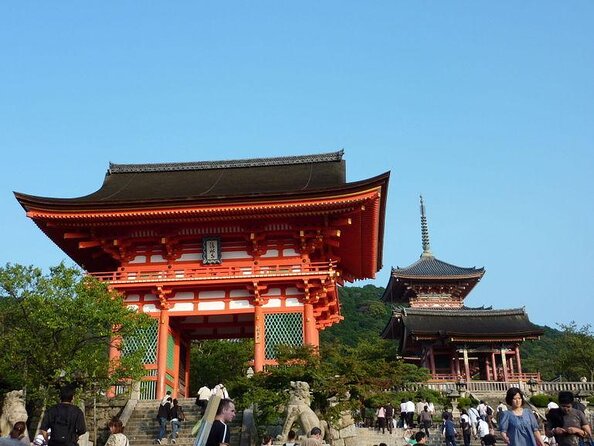
- Entering Kiyomizu-dera and the wooden stage
- Drinking from Otowa Waterfall
- The tea ceremony and matcha break
- What the guide adds to the morning
- Price, timing, and practical value
- Who should book this Kyoto experience
- FAQ
- Where does the tour begin?
- Where does the tour end?
- How long does the tour last?
- What is included in the price?
- Is the tea ceremony included?
- How many people can join the tour?
- Are children allowed?
- Can the tour accommodate food allergies or dietary restrictions?
- Can I cancel for a full refund?
Key points to know before booking
- A compact route through eastern Kyoto: Meet at Yasaka Shrine, then walk toward Kiyomizu-dera through Kiyomizu-zaka, Sannenzaka, and Ninenzaka.
- A UNESCO World Heritage temple visit: Your entrance fee is included, along with guided time at the wooden stage and Otowa Waterfall.
- A real cultural activity, not just sightseeing: The tea ceremony includes matcha and small food samplings.
- A maximum of six people: The group size leaves room for questions and a calmer walk.
- A guide who adds local context: Hide, one guide named in the feedback, explained Shinto and Buddhism and kept the mood relaxed with humor.
- A 9:00 am start: The early departure helps you cover the route before the day becomes even hotter and busier.
Why this three-hour Kyoto walk works
Kyoto can be hard to read at first. A temple may look beautiful, but without context you can miss why a gate matters, how to worship properly, or why a certain street has its name. This tour gives you a short introduction to the eastern side of the city without asking you to plan a route between several separate stops.
The meeting point is Yasaka Shrine’s Western Tower Gate at 9:00 am. From there, the group moves on foot toward the Kiyomizu-dera area. Since the tour ends back at the meeting point, you do not need to arrange a separate ride home or figure out where to leave the route.
The maximum group size is six. That matters on a walking tour through narrow lanes. You can hear the guide more easily, ask questions without holding up a large crowd, and stay connected as the route passes through busy areas.
The experience is best viewed as an introduction rather than a full study of Kyoto religion or tea. You will get useful background, some memorable customs, and a taste of the city’s older streets. If you want hours inside every temple building, this tour will feel too short.
A few more Kyoto tours and experiences worth a look
From Yasaka Shrine into old Kyoto
Yasaka Shrine is a practical starting point because it places you near Gion and the eastern temple district. The tour does not begin with a long bus transfer or a complicated meeting arrangement. Still, the meeting point can take a little care to find, so arrive early and look for the Western Tower Gate rather than simply searching for the shrine name.
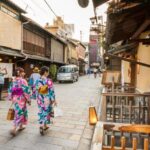
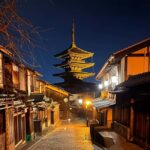
The first part includes a photo stop and a walk through streets connected with Kyoto’s traditional image. You pass teashops, Japanese sweets shops, and stores selling preserved foods. These streets are also associated with maiko and geisha, though you should treat anyone you see with courtesy and avoid blocking their way for photographs.
The route leads through the Kiyomizu-zaka area, a collection of sloping streets with old-style shopfronts. The atmosphere is attractive, but it is not a quiet museum district. Souvenir shops and food sellers bring plenty of activity, especially as you get closer to the temple.
One colorful stop is Yasakakoshindo. Its bright appearance provides a contrast to the more restrained wood and stone you see at many Kyoto temples. A guide is useful here because the area can otherwise become just another quick photo stop on the way uphill.
Kiyomizu-zaka, Sannenzaka, and Ninenzaka
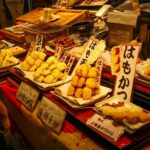
The approach to Kiyomizu-dera is part of the experience, not merely a way to reach the entrance. Kiyomizu-zaka follows an old pilgrimage route, and the slope is lined with Kyoto foods, sweets, pickles, yatsuhashi, souvenirs, and traditional craft items.
You will walk uphill, and the surface can feel tiring in warm weather. Wear comfortable shoes and keep water with you. The tour notes specifically warn about Japan’s hot, humid summer, so a hat is sensible too.
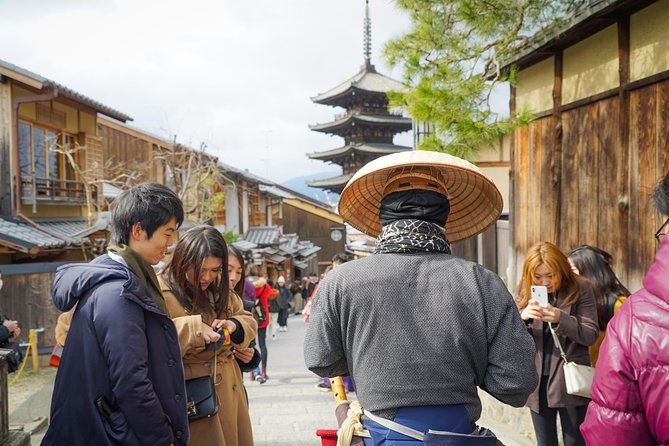
Sannenzaka and Ninenzaka bring some of the most photogenic streets on the route. Their preserved feel is appealing, but the lanes can be crowded. The name Sannenzaka is linked to several stories, including the warning that falling on the slope will shorten your life by three years. The tale is best understood as an old reminder to watch your step, especially on a busy incline.
These streets are also good places to notice the difference between a historic setting and a modern shopping district. The architecture and slope recall old Kyoto, while the shops cater to today’s visitors. I like that the guide can point out both sides rather than presenting the area as a frozen scene from the past.
Entering Kiyomizu-dera and the wooden stage
Kiyomizu-dera was built on the site of Otowa Waterfall about 1,200 years ago. Its name comes from the waterfall’s pure water, and that connection gives the visit more meaning than a simple view from a famous wooden platform.
The temple’s wooden stage rises about 13 meters above the ground. From it, you can look over trees and toward Kyoto in the distance. Cherry trees make the view especially attractive in spring, while maple trees bring color in autumn. The exact appearance depends on the season, but the elevated view is one of the clear reasons to include Kiyomizu-dera in a first Kyoto visit.
Your guide can explain the site’s history and answer questions as you walk. The strongest part of a small group is the chance to ask about details that catch your attention, including religious symbols, worship practices, and the difference between Buddhist and Shinto traditions.
The entrance fee is included in the $109.39 price. That makes the cost easier to assess, since you are paying for more than a guide outside the gate. You also receive the walking route, the tea ceremony, matcha, snacks, and photos. It is not a bargain-priced temple stroll, but the package has reasonable value if you want both sightseeing and a cultural activity in one morning.
Drinking from Otowa Waterfall
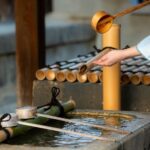
Otowa Waterfall is one of the tour’s most hands-on moments. The water is divided into three streams, with each associated with a different benefit. You choose one stream, use the cup attached to a long pole, and drink the water as part of the temple’s worship custom.
The action is simple, but the guide’s help matters. You are not left to guess what to do while a line forms behind you. Learning the custom and taking part in it gives the temple visit a personal rhythm.
The three streams are often described as bringing different forms of good fortune, but the supplied details do not specify the individual benefits. Your guide can explain the tradition on the day. Do not treat the ritual as a guarantee of anything, of course. Its value is in understanding how visitors participate in a sacred place.
Queues and crowds may affect how long you spend here. The tour gives you a structured visit, but it cannot control the number of people at the waterfall or on the temple grounds.
A few more Kyoto tours and experiences worth a look

The tea ceremony and matcha break
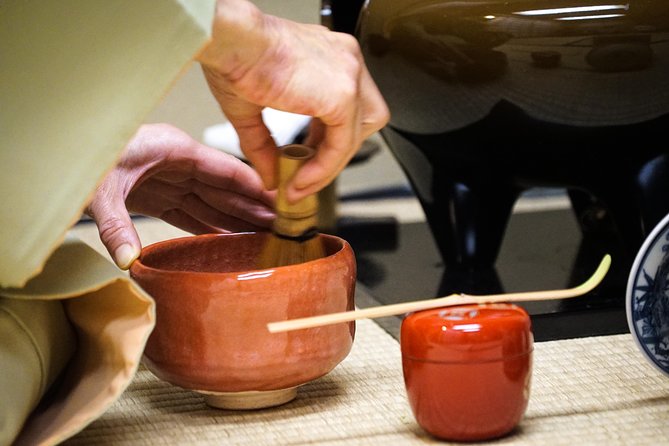
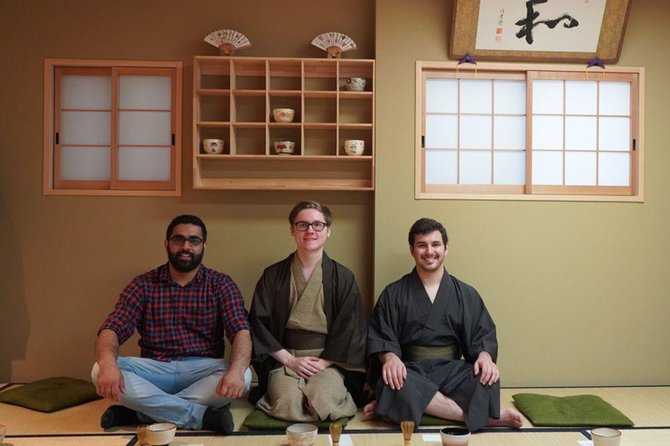
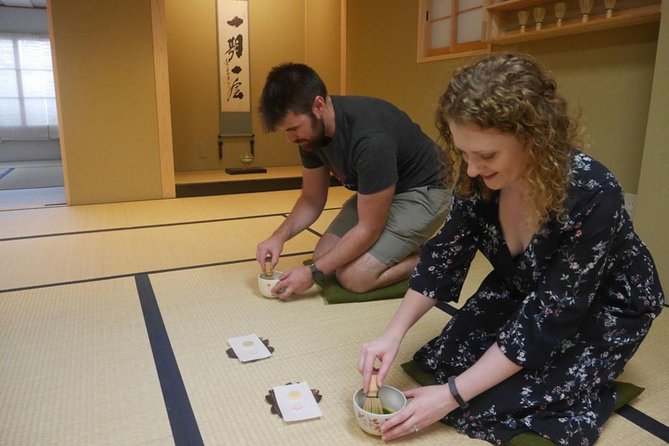
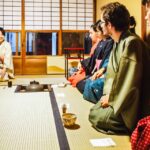
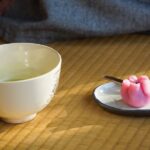
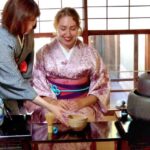
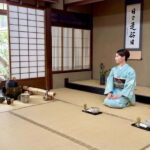
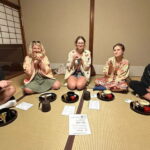
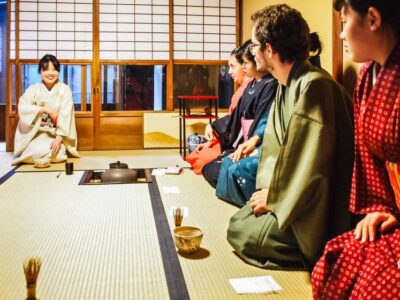
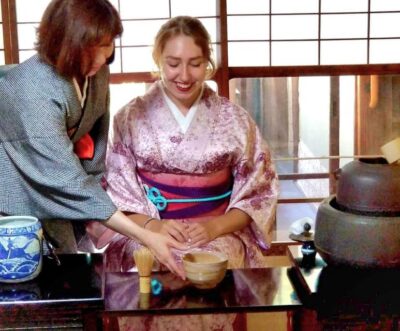
After the temple walk, the tea ceremony changes the mood. You sit down for a more focused cultural experience instead of continuing from one viewpoint to the next. The ceremony introduces the care, order, and skill involved in preparing and serving matcha.
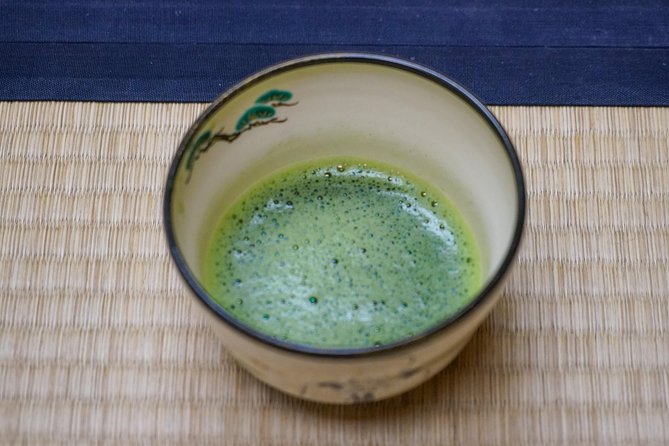
Matcha is included, along with a few snacks and food samplings. The food adds another small window into Kyoto’s traditional flavors, though this is not a full meal. If you need lunch afterward, plan to eat separately.
One tea host named Haruki received particular praise for being warm and entertaining, while another session featured a woman whose skill and attention to the ceremony made a strong impression. You cannot assume the same host will lead every departure, but the experience is designed to include guidance through the formalities rather than asking you to observe silently with no explanation.
The tea ceremony is also a useful counterpoint to Kiyomizu-dera. The temple route can be noisy and active, while the ceremony asks you to slow down and notice small movements. If you have never attended one, this is a friendly way to encounter the form without committing to a long specialist program.
Food restrictions require care. The operator cannot guarantee an allergy-free experience or meet every dietary request because the food comes from kitchens it does not control. Substitutions may not be possible at every stop, although alternative compensation may be offered elsewhere. If food safety is a serious concern, contact the operator before booking and be prepared to skip samples.
What the guide adds to the morning
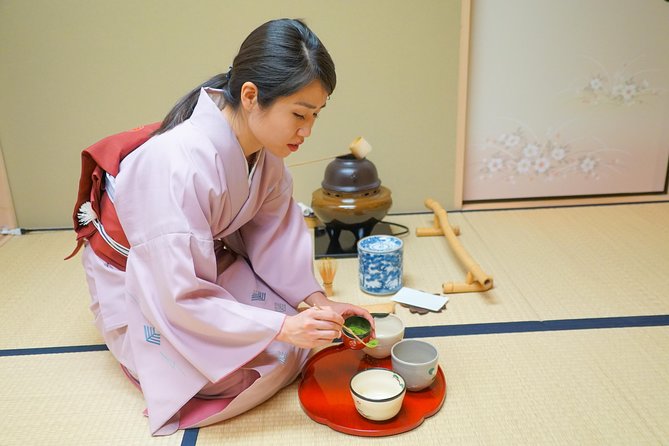
A guide is most valuable here as an interpreter of customs, not just as a human map. The walk includes religious sites, shopping lanes, legends, and a formal tea setting. Each part benefits from a little explanation.
Hide is one guide associated with this tour. He explained Shinto and Buddhism, kept the atmosphere relaxed, and added light humor, including conversation about baseball. That sort of easy exchange can make the walk feel less like a lecture.
The guide also takes photographs during the tour. This is useful when you want pictures of yourself at the temple or in the old streets, rather than only taking pictures of buildings. It is a small inclusion, but it improves the experience for solo participants and couples.
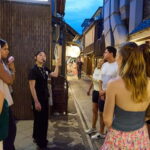
Expect the tone to vary with the guide and the group. The information suggests a friendly, question-friendly walk, but it is not a private tour. With up to six people, you still share the pace and stops with others.
Price, timing, and practical value
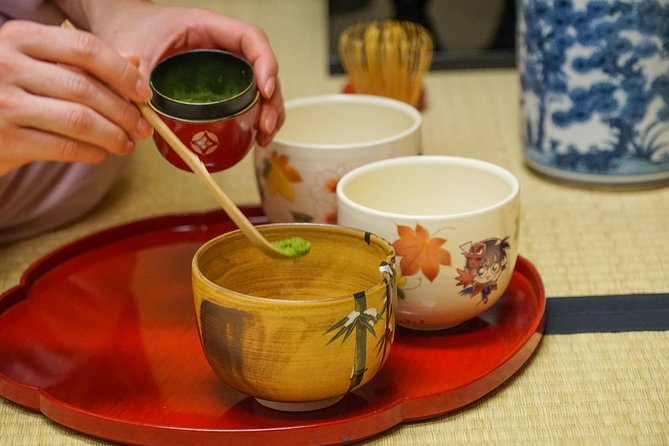
At $109.39 per person, this is a midrange cultural tour for a three-hour activity. The price includes Kiyomizu-dera admission, the tea ceremony, matcha, snacks, food samples, photos, and a local guide. You still pay for any extra food or drinks.
I would consider it good value if you are new to Kyoto and want an efficient first morning. You receive a route through several well-known areas, entry to a major temple, and a cultural activity that would take more planning to arrange on your own.
I would be less enthusiastic about the price if your main goal is simply to see Kiyomizu-dera. You can spend less by visiting the temple independently, though you would give up the explanations, tea ceremony, samples, and organized route.
The 9:00 am start is helpful. It gives you a full afternoon afterward and may make the uphill walk more comfortable than a midday departure. Summer heat remains a concern, so bring water, wear light clothing, and use a hat. The tour is near public transportation, and most people can participate, but expect a walking route with slopes.
Children under six are not permitted. The tour is a better fit for older children and adults who can manage three hours of walking and take part respectfully in temple and tea customs.
Who should book this Kyoto experience
I would choose this tour for a first or second day in Kyoto, especially if you want someone else to organize the route. It suits solo visitors, couples, and small families who enjoy learning while walking and want a clear introduction to Kiyomizu-dera.
It is also a good match if you want a cultural activity that feels connected to the day’s sightseeing. The tea ceremony does not sit apart from the temple visit. The morning moves from sacred spaces, to old streets, to tea and snacks.
You may want another plan if you dislike slopes, need strict dietary control, or prefer to explore at your own speed. The shopping streets can be crowded, and three hours does not allow much unplanned browsing.
The tour receives a 4.9 rating from 115 ratings, with 97 percent recommending it. The strongest praise centers on the guides’ friendly explanations, the calm tea ceremony, the views, and the useful orientation for a first day in Kyoto. Those are exactly the areas where this experience earns its price.
FAQ
Where does the tour begin?
The tour begins at 9:00 am at Yasaka Shrine’s Western Tower Gate, also called the Yasaka Jinja Nishiromon Gate, at 625 Gionmachi Kitagawa in Kyoto’s Higashiyama Ward.
Where does the tour end?
The activity ends back at the meeting point at Yasaka Shrine.
How long does the tour last?
The tour lasts approximately three hours.
What is included in the price?
The price includes Kiyomizu-dera’s entrance fee, a tea ceremony, matcha, snacks, a few food samplings, photos taken during the tour, and three hours with a local Kyoto guide.
Is the tea ceremony included?
Yes. A traditional tea ceremony is part of the experience, and matcha is included.
How many people can join the tour?
The activity has a maximum of six participants.
Are children allowed?
Children under six years old are not allowed on this tour. The provided information does not specify a maximum age.
Can the tour accommodate food allergies or dietary restrictions?
Allergy-free food and dietary substitutions cannot be guaranteed. The food is prepared in kitchens that do not belong to the operator, and substitutions may not be possible at some stops.
Can I cancel for a full refund?
Yes. You can cancel at least 24 hours before the local start time for a full refund. Cancellations or changes made less than 24 hours before the start time are not accepted for a refund.
More Walking Tours in Kyoto

More Golden Pavilion & Temple Tours in Kyoto
More Tea Ceremony Experiences in Kyoto
More tours in Kyoto we've reviewed





Tea Ceremony Experiences, compared.
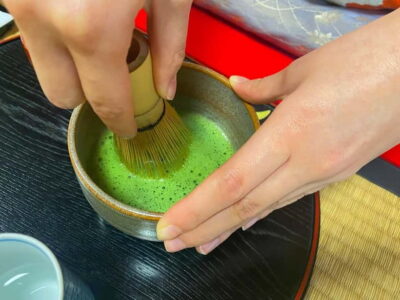 ★ 4.9Kyoto: Tea Ceremony in a Traditional Tea House in KiyomizuFrom $4945 min
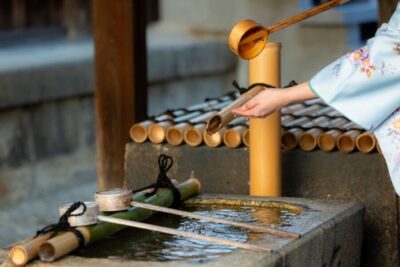 ★ 4.9Kyoto: Tea Ceremony Ju-An at Jotokuji TempleFrom $291h 10m
 ★ 4.3Kyoto: 45-Minute Tea Ceremony Lesson ExperienceFrom $2245 min
 ★ 5.0World Heritage Kyoto & Nara Uji Authentic Matcha ExperienceFrom $129
 ★ 4.9Kyoto: Table-Style Tea Ceremony at a Kyo-MachiyaFrom $451h 30m
 ★ 5.0Kimono Tea Ceremony at Kyoto Maikoya, NISHIKIFrom $65