
Reviewed · SAMURAI & KENDO EXPERIENCES
Kyoto : Kid-Friendly Ninja Class at the Samurai Ninja Museum
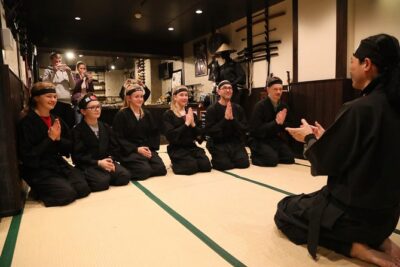
The best part of this Kyoto activity is simple: you do not just look at ninja displays, you dress as a ninja and train like one. In two hours, your family learns stealth skills, handles ninja stars, and tries a traditional-style blowgun in a setting built for hands-on fun.
I like that the outfit is included, so you avoid the usual costume-rental fuss. I also like the mix of teaching and friendly competition, especially the ninja star throwing contest. The main point to consider is age: children under 3 may enter the venue but cannot take part.
In This Review
- Key points at a glance
- Putting on the ninja outfit in central Kyoto
- The opening lesson and secret stealth techniques
- Throwing ninja stars and adding a little competition
- Firing the ninja blowgun
- A two-hour activity that works for families
- Price, group size, and what the $56 covers
- English guidance and accessibility
- Who should book this ninja class?
- Booking advice for a smoother visit
- Should you book the Kyoto ninja experience?
- FAQ
- Where does the ninja class take place?
- How long does the activity last?
- How much does the class cost?
- Is the ninja outfit included?
- Can children under 3 join the class?
- Is the activity taught in English?
- How many people can join the group?
- Is the venue wheelchair accessible?
- Can I cancel for a refund?
Key points at a glance
- Ninja outfits are included: You can change into a full ninja look without paying an extra costume fee.
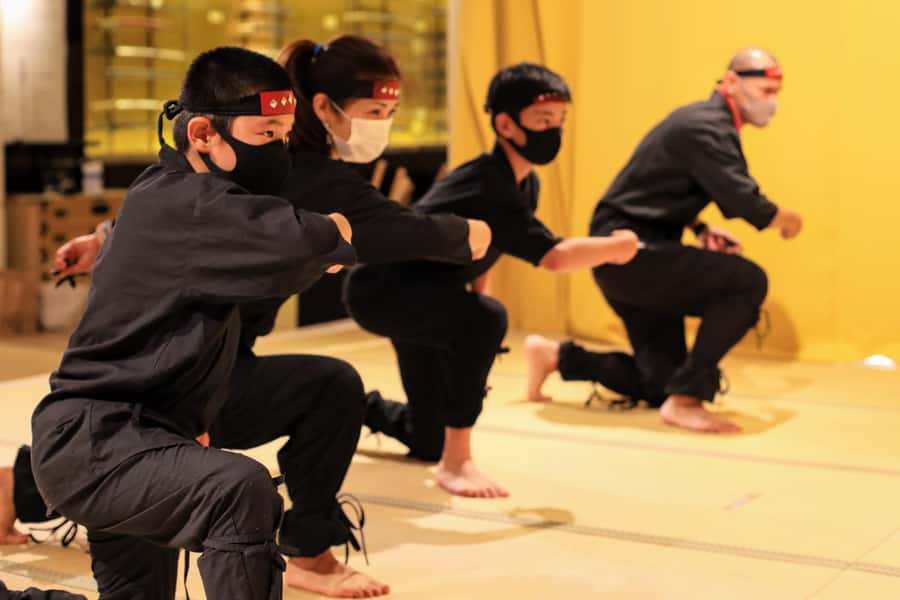
- Hands-on training: The class includes stealth techniques, ninja stars, and a ninja blowgun.
- Family-friendly format: Adults and children age 3 and older can join the same session.
- English instruction: Guides explain the activities in English, with Saku and Rio praised for clear, helpful teaching.
- Two hours in central Kyoto: The class takes place at the Samurai Ninja Museum in Nakagyo Ward.
- Good booking flexibility: You can cancel up to 24 hours ahead for a full refund and reserve now while paying later.
Putting on the ninja outfit in central Kyoto
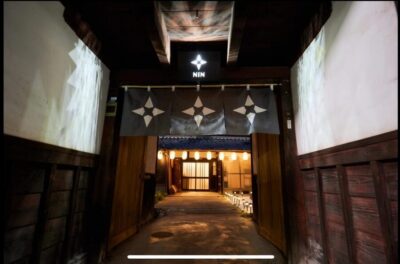
The experience begins at the Samurai Ninja Museum, at Utanokoji Building 2F, 292 Higashidaimonjicho, Nakagyo-ku, Kyoto. The meeting point is written in Japanese as 京都市中京区東大文字町292 詩の小路ビル, so keep the address handy if you are asking for directions.
The outfit is part of the admission price. That matters more than it may seem. Families often lose time and patience sorting out extra rentals, sizes, deposits, or costume return rules. Here, the costume is built into the activity, giving you a quick change from sightseeing mode to ninja training mode.
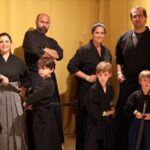
The outfit also helps children feel that the class is a special event rather than another museum visit. Adults can join in too, which keeps the activity from becoming something one parent watches from the side. The experience is designed for the whole family, not just small children.
The available information does not give exact changing-room details, costume sizes, or a clothing list. You should therefore wear practical clothes underneath and avoid bringing anything that would make changing awkward. The important point is that you do not need to arrive already dressed as a ninja.
A few more Kyoto tours and experiences worth a look
The opening lesson and secret stealth techniques
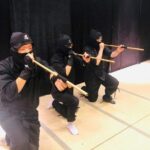
After the outfit change, the class moves into a guided ninja training session. The guide introduces ninja skills and explains stealth techniques in English. The teaching is a key part of the experience, since the activities make more sense when you understand the purpose behind them.
The class is not presented as a full historical lecture. It is a practical, family-oriented session with short explanations followed by activities. That format suits children who would rather try something than sit through a long talk.
A strong guide can make a big difference here. Saku received specific praise for clear English and an interesting, informative presentation of the room. She also answered questions from the group, which is useful if your children want to know how ninja tools worked or why stealth mattered.
Rio was also singled out as a great teacher. The feedback gives you a helpful sense of the staff style: expect an instructor-led session with explanations, demonstrations, and time to ask questions, rather than a loose activity where you are left to figure things out alone.
The class is best understood as entertainment with a light educational layer. You learn the basic idea of moving quietly and working carefully, then get to test your focus through the equipment. That balance is what makes it suitable for mixed ages.
Throwing ninja stars and adding a little competition
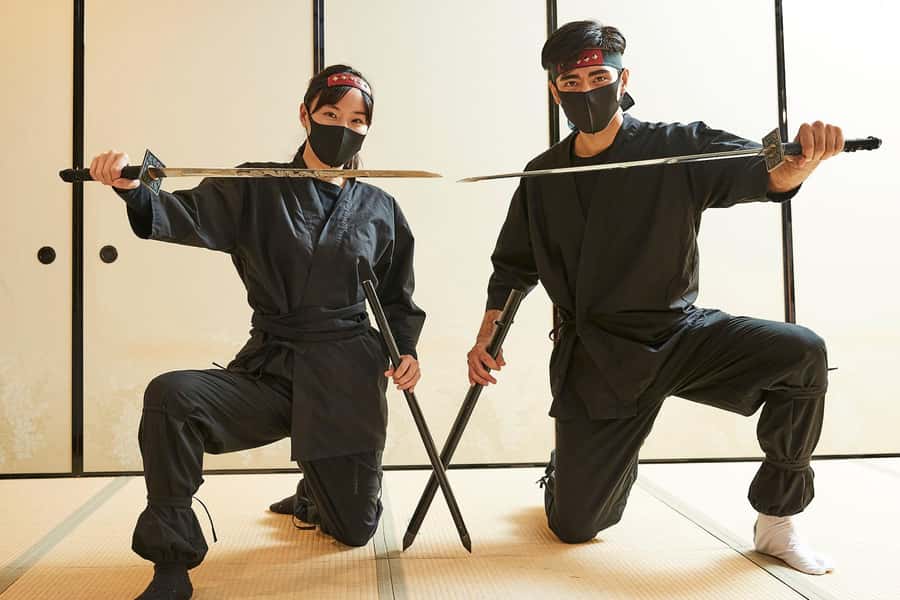
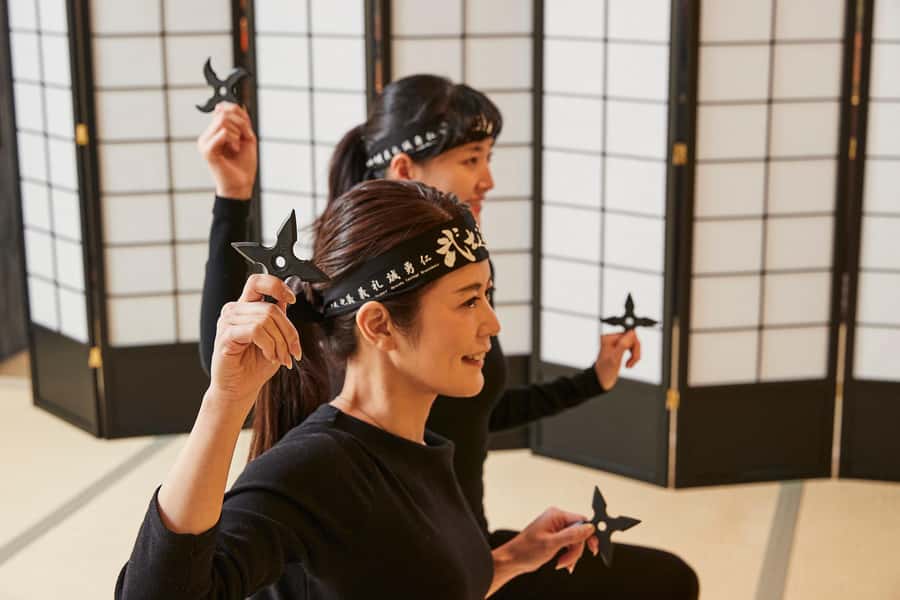
The ninja star activity is one of the class highlights. You get to handle ninja stars and take part in a throwing competition. For children, this creates a clear goal and a moment of friendly rivalry. For adults, it adds just enough challenge to keep the session from feeling like a passive demonstration.
The competition format is useful for families because everyone has an obvious turn. You can cheer for one another, compare results, and enjoy the slightly silly spectacle of parents taking the contest as seriously as children do.
Do not book this expecting a serious martial arts course. The supplied details describe a fun-filled training session, not advanced instruction or combat practice. The value is in trying a skill under guidance, learning a little about ninja equipment, and sharing a memorable activity.
The information does not specify the exact throwing distance, number of attempts, or scoring rules. Those details may be explained on site. If your child is very young or easily frustrated by competition, keep the focus on trying the activity rather than winning it.
Firing the ninja blowgun
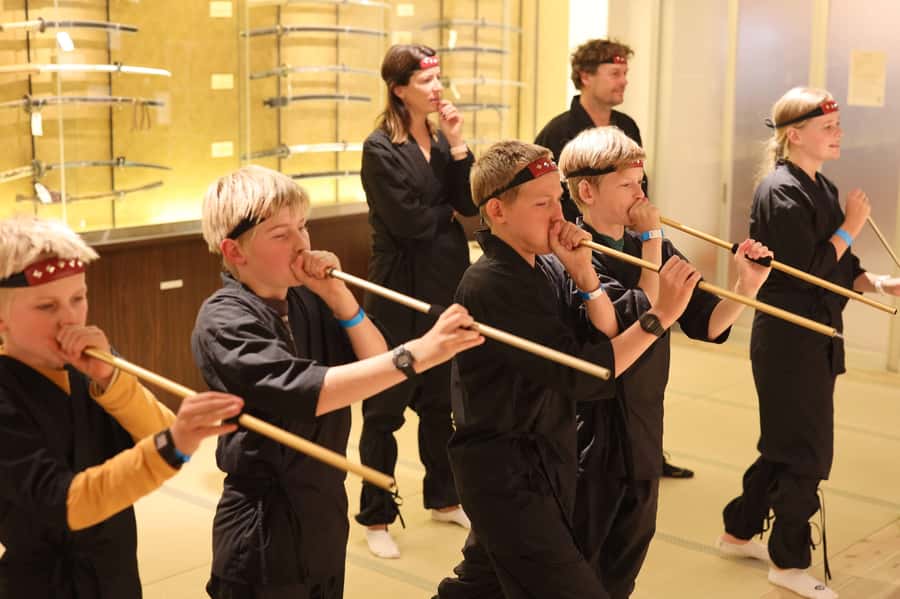
The blowgun is another hands-on feature. You get to use one during the session, adding a different kind of challenge from the star throwing. Instead of relying on force, you need to control your breath and aim carefully.
This is a smart addition to the class because it changes the pace. The star activity brings a throwing contest, while the blowgun asks for a calmer, more focused approach. Children get two distinct ways to test their coordination.
As with the ninja stars, the available information does not state the precise equipment, target setup, or safety procedure. The guide leads the activity, and the class includes an authentic special ninja training session, but you should not assume that every participant receives a long period of individual coaching.
The blowgun also makes the class feel more complete than a simple dress-up visit. You are not only posing for photographs. You have several activities to try, each linked to the ninja theme.
A two-hour activity that works for families
The total duration is two hours. That is long enough to give the class substance, but short enough to fit around other Kyoto plans. You can place it between sightseeing stops without giving up most of the day.
Two hours also gives the guide time to explain the room, teach the stealth techniques, and let the group try the stars and blowgun. A shorter session could feel rushed. A much longer one might be tiring for younger children, especially if they are already worn out from walking around Kyoto.
The experience received five-star ratings in the supplied feedback, with one family calling it an excellent activity for adults and children. Another participant specifically described it as family-friendly, while the comments about Saku and Rio point to the importance of the teaching.
Still, keep expectations in proportion. A two-hour class cannot cover every part of ninja culture or provide detailed historical training. If you want a serious study of Japanese military history, choose a museum tour or a longer cultural program. If you want a lively, shared activity with a Japanese theme, this format makes more sense.
Other museum experiences in Kyoto
Price, group size, and what the $56 covers
The price is $56 per person. That includes the entrance ticket, ninja outfit, special training session, stealth instruction, ninja star activity, and blowgun use. Since the main activities are included without extra fees, you can plan the cost more easily.
I consider the price reasonable for a two-hour, instructor-led activity if everyone in your party plans to participate. Costume rental, admission, teaching, and equipment are bundled together. The value is strongest for families who would otherwise need to find a separate child-friendly activity in Kyoto.
It is less compelling if only one person wants to participate while the rest of the group simply watches. Children under 3 cannot join the ninja experience, although they can enter the venue, so a family with toddlers should calculate the cost carefully.
There is conflicting group information in the supplied details. The activity is described as a small group limited to 4 participants, while the important information also gives a maximum of 20 travelers. Check the group size attached to your selected booking time before you pay. A four-person session should feel more personal, while a larger class could be livelier but less individual.
English guidance and accessibility
The live guide speaks English. That makes the class easier for international families, especially when the instructor is explaining stealth methods and handling equipment.
The available feedback points to strong communication. Saku’s English was described as very good, and her presentation was both interesting and informative. She also answered questions, a useful detail for parents who want more than a quick run-through of the activities.
The experience is listed as wheelchair accessible. The data does not explain the exact route through the building, changing arrangements, or whether every activity can be adapted for every mobility need. If you use a wheelchair, contact the provider before booking to confirm how the outfit change and equipment activities are handled.
Transportation is not included. You are responsible for reaching the museum and returning to your next stop. The central Kyoto address makes it practical to combine with other city sightseeing, but the supplied details do not give a hotel pickup service or a transport pass.
Who should book this ninja class?
I would choose this for families with children age 3 and older who want an activity that feels different from temples, gardens, and shopping. It is also a good option for adults who are willing to play along. The outfit and equipment make the session more social than a standard museum visit.
It suits families with mixed interests because the session combines a little explanation with active tasks. A child who tires quickly of historical displays may stay engaged when there is a costume, a target, and a turn with the blowgun.
The class may also work well on a rainy day. The activity takes place indoors, and the two-hour schedule gives you a planned block of entertainment without depending on the weather. The supplied information does not promise a covered outdoor section, so plan on the museum setting itself.
I would not make this your first choice if you want a quiet, detailed account of ninja history. The format is built around participation and fun. It also may not suit a child under 3, since that child can enter but cannot join the training.
Booking advice for a smoother visit
Reserve a time that leaves room before and after the two-hour session. The exact starting times vary by availability, so check the calendar when you book.
The reserve-now, pay-later option is useful if your Kyoto plans are still shifting. You can hold a place without paying immediately, and cancellation is free up to 24 hours before the activity for a full refund. Read the final booking terms for your chosen time before confirming.
Bring the address in both English and Japanese. The venue is on the second floor of the Utanokoji Building, and having the Japanese address available can make local directions easier.
Because outfit sizes and changing details are not provided, avoid assuming that every costume works the same way for every participant. If someone in your group has a size concern, mobility need, or special clothing requirement, ask GLOBA Inc. before booking.
Should you book the Kyoto ninja experience?
Book it if you want a short, active family outing with costumes, simple instruction, and hands-on equipment. The $56 price covers the major parts of the experience, and the English-speaking guides Saku and Rio have been praised for clear, friendly teaching.
Skip it if your group includes children under 3 who need to participate, or if you want a serious historical seminar rather than a playful training session. For most families with children age 3 and older, this is a practical way to add some energy and humor to a Kyoto sightseeing schedule.
FAQ
Where does the ninja class take place?
The meeting point is Utanokoji Building 2F, 292 Higashidaimonjicho, Nakagyo-ku, Kyoto. The Japanese address is 京都市中京区東大文字町292 詩の小路ビル.
How long does the activity last?
The ninja experience lasts two hours.
How much does the class cost?
The listed price is $56 per person.
Is the ninja outfit included?
Yes. The entrance ticket and ninja outfit are included, along with the training session, stealth instruction, ninja stars, and blowgun activity.
Can children under 3 join the class?
No. Children under 3 cannot join the ninja experience, although they can enter the venue.
Is the activity taught in English?
Yes. The live tour guide language is English.
How many people can join the group?
The activity is described as a small group limited to 4 participants, while the important information also gives a maximum of 20 travelers. Check the group size for your selected booking time.
Is the venue wheelchair accessible?
Yes. The activity is listed as wheelchair accessible.
Can I cancel for a refund?
Yes. You can cancel up to 24 hours in advance for a full refund. You can also reserve now and pay later, keeping your plans flexible.
More Workshops & Classes in Kyoto



More Museum Experiences in Kyoto
More Samurai & Kendo Experiences in Kyoto
More tours in Kyoto we've reviewed





Samurai & Kendo Experiences, compared.
 ★ 5.0Kyoto Samurai ExperienceFrom $119
 ★ 4.9Kyoto: Kendo and Samurai Experience with Uniform and GearFrom $1032 hours
 ★ 4.5Skip the lines Basic Ticket at SAMURAI NINJA MUSEUM KYOTOFrom $28
 ★ 4.9Kyoto: Samurai Class, Become a Samurai WarriorFrom $70
 ★ 5.0Ninja 1-hour Hands-on Lesson by Japanese master in Kyoto -EntryFrom $80
 ★ 4.8Kyoto: Ninja Weapon Forging ExperienceFrom $1482h 30m