
Reviewed · NARA DAY TRIPS
From Kyoto: Nara History Guided Half Day Bus Tour with lunch
Nara’s Great Buddha is the star of this half-day trip, but the charm comes from the mix of temple, shrine, deer, and lunch in one neatly arranged outing. You get a useful first look at Nara without having to plan several train connections or sort out the sites on your own.
I like the English-speaking guide, who adds context along the way, and I like the practical route: Todaiji, Nara Park, Kasuga Taisha, and lunch. Guides named Tammie and Mana have been singled out for making the day friendly and informative. The main trade-off is time. Five and a half hours goes quickly, and traffic, crowds, or a festival can shorten your time at each stop.
In This Review
- Key points to know before booking
- Why this Kyoto to Nara trip works well
- Starting early at Kyoto Station
- Meeting the deer in Nara Park
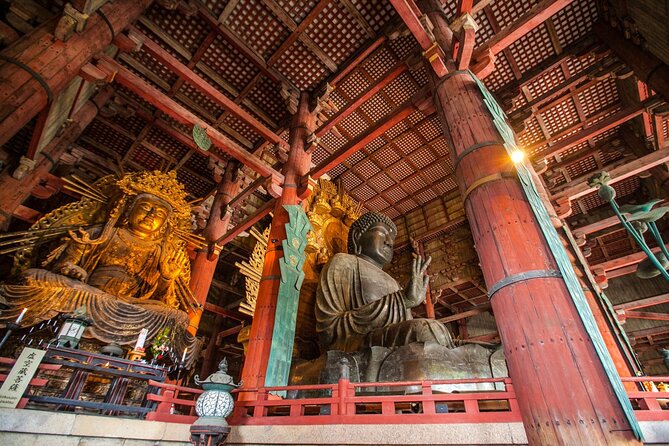
- Seeing Todaiji’s 15-meter Great Buddha
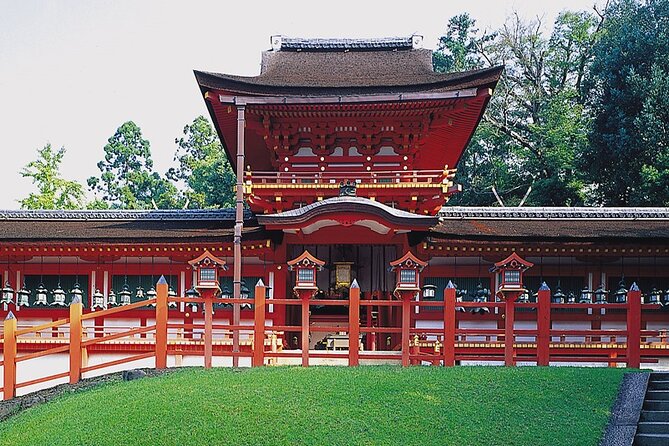
- Visiting Kasuga Taisha for general worship
- Japanese lunch and time for souvenirs
- How the guiding affects the experience
- Walking, crowds, and the pace of the morning
- Who will get the most from this tour
- Cancellation, weather, and construction details
- Should you book this Nara half-day tour?
- FAQ
- Where does the tour begin?
- What time should I arrive?
- Where does the tour end?
- How long does the tour last?
- Is the tour conducted in English?
- Is this a private tour?
- What sights are included?
- Is admission to Todaiji included?
- Are Kasuga Taisha’s museum and botanical garden included?
- Can I bring large luggage?
- Can the lunch menu be changed on the day?
- What happens if the weather is poor?
- What is the cancellation deadline?
Key points to know before booking

- The Great Buddha fills Todaiji’s enormous wooden hall, with roughly 15 meters of bronze Buddha visible inside.
- Nara Park gives you a close encounter with deer, though the time available for feeding them may feel short.
- Kasuga Taisha offers a calm shrine visit, with general worship included but special areas excluded.
- Lunch is Japanese-style and built into the route, followed by time at the restaurant shop for local souvenirs.
- The early 7:45 a.m. departure matters, since the bus leaves on schedule and does not wait for late arrivals.
- This is a group outing for up to 40 people, with no custom additions to the route.
Why this Kyoto to Nara trip works well
Nara is easy to reach from Kyoto, but a guided trip can remove the small chores that take up a short vacation day. You meet at the Sunken Garden in Kyoto Station’s Hachijo Entrance Square, then travel together by bus, train, or a combination of both, depending on the day’s arrangements.
That flexibility is useful, though it also means you should not expect one fixed transport pattern every time. Traffic can affect the schedule, and the published timing may change. The tour lasts about five and a half hours, including transport, sightseeing, lunch, and the return to the same Kyoto meeting point.
I see this as a good introduction rather than a full study of Nara. You will cover its three best-known sights, hear background from an English-speaking guide, and get a meal without spending your morning working out the details. You will not have enough time to explore every corner of the park or shrine grounds.
The tour is priced at $78.83 per person. That is fair if you value an organized route, a guide, lunch, and the ease of returning to Kyoto in half a day. It is less compelling if you are comfortable using local trains and prefer to linger at one temple for several hours.
A few more Kyoto tours and experiences worth a look
Starting early at Kyoto Station
The meeting time is 7:45 a.m., and you should arrive at least 15 minutes early. Kyoto Station is large, so allow time to find the Hachijo Entrance Square and the Sunken Garden meeting area without starting the day in a sprint.
This early departure has a clear benefit: you have a better chance of reaching Nara before the day becomes even more crowded. It also gives the tour enough room to fit three major stops and lunch into one morning and afternoon schedule.
The strict departure policy matters. The bus leaves according to schedule and does not wait for late arrivals. If you miss the meeting point, there is no refund, so treat the 7:30 a.m. arrival target as part of the tour rather than a suggestion.
The group can include up to 40 people. That is a reasonable size for a bus tour, but it will not feel like a private visit. The guide must keep the group moving, and the itinerary cannot be changed for individual requests.
Meeting the deer in Nara Park
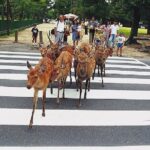
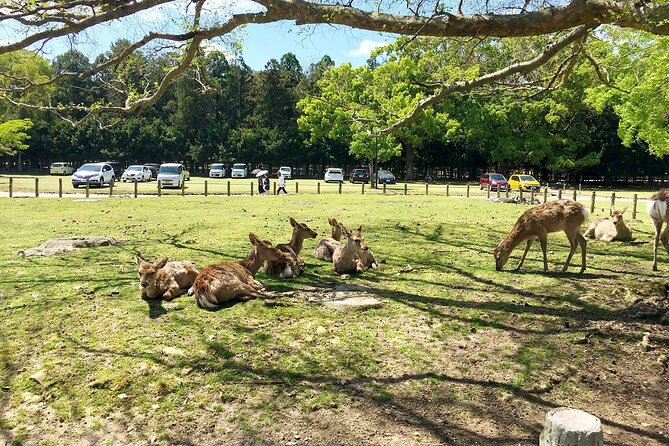
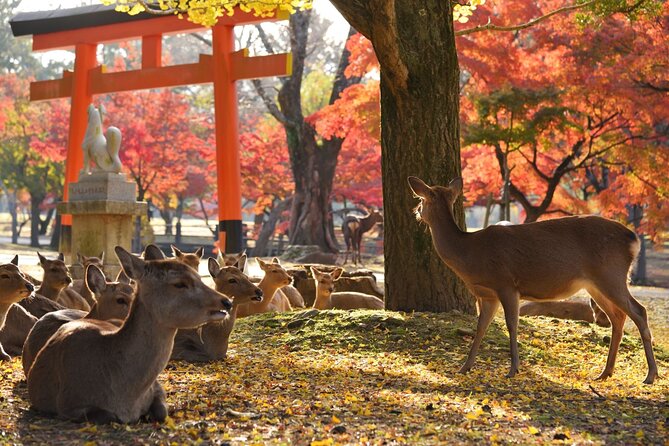
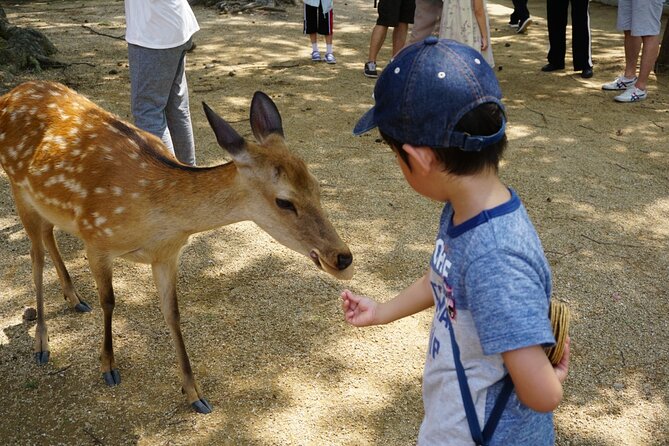
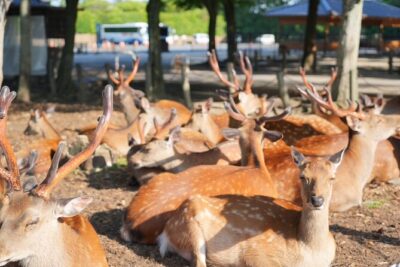
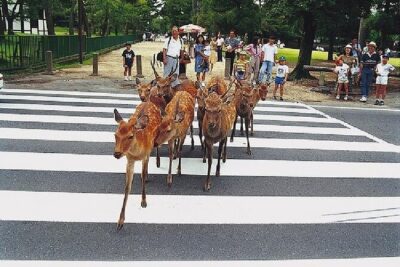
Nara Park is the most playful part of the day. Deer roam freely through the park, creating a memorable contrast with the formal temple and shrine architecture. You can enjoy seeing them at close range and, when conditions allow, feed them.
I would keep your expectations practical. The schedule gives you a short visit, and the amount of time with the deer can feel limited, especially if crowds or traffic have already affected the day. The park is also a place where you need to pay attention to your belongings and follow the guide’s instructions around the animals.
The deer are not a side decoration. They are part of what makes Nara feel different from Kyoto. Kyoto gives you carefully framed temple gardens and old lanes. Nara adds open space and animals moving through the historic district, which makes this stop especially appealing for families and first-time visitors.
There is likely to be some walking between the bus drop-off areas and the sights. One day can feel easy at a steady pace, but this is not a sit-down sightseeing trip. Wear comfortable shoes and expect to be on your feet.
Seeing Todaiji’s 15-meter Great Buddha
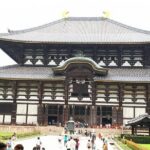
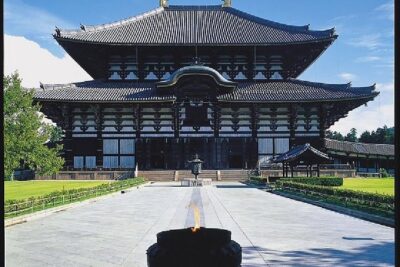
Todaiji is the visual high point. Inside the temple, the Great Buddha reaches about 15 meters high, a scale that is difficult to grasp until you are in the hall looking up. The statue is one of Nara’s most important landmarks and gives the tour its strongest sense of ceremony and scale.
The temple itself is also a major part of the experience. Todaiji is famous for its huge wooden structure, so you are not simply entering a room to see a statue. The building helps explain the ambition behind the site, with timber, height, and space working together to make the visit feel larger than a standard temple stop.
You have about one hour and 15 minutes here, with admission included. That is enough time for a guided look at the main areas and for photographs, but it may not satisfy you if you like to read every sign or explore at a slow pace.
Construction is a real possibility. Some buildings or Buddha statues may look different, and parts of the site may not be visible if repair work is underway. The schedule can also be shortened due to traffic or other delays, so keep some flexibility in your expectations.
Still, this is the stop that gives the tour its strongest value. Even with limited time, the scale of Todaiji is hard to reduce to a quick photograph. I would pay close attention to the guide here, since context helps turn a large statue into a meaningful part of Nara’s story.
Visiting Kasuga Taisha for general worship
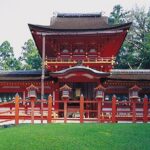
Kasuga Taisha introduces a different side of Nara. Todaiji is about monumental scale, while this shrine visit is more focused on sacred grounds, traditional worship, and the older identity of Nara.
The scheduled visit lasts about 45 minutes. General worship at the main sanctuary is included, giving you a chance to see the central part of the shrine without paying an extra admission fee for that basic visit.
There are limits. Special worship of the main sanctuary is not included, and neither are the Kasugataisha Museum nor the Botanical Garden. If you want a detailed look at those areas, you will need a different plan and more time than this tour provides.
I like having Kasuga Taisha in the route because it keeps the day from becoming only a temple and deer outing. You see two important forms of Japanese religious architecture in one trip. The short visit also suits a first introduction, though devoted shrine enthusiasts may wish for a longer stay.
A few more Kyoto tours and experiences worth a look


Japanese lunch and time for souvenirs
The lunch stop lasts about 45 minutes and includes a Japanese-style meal at a local restaurant. The meal gives the group a proper pause after the morning sightseeing, and it saves you from searching for food while trying to stay with the schedule.
The restaurant also has a shop selling local souvenirs. You can use the post-lunch period to pick up a small memento rather than spending your limited sightseeing time shopping in Nara.
Do not treat the lunch as a fully flexible dining experience. You must tell the operator about allergies or dietary restrictions when booking, especially because menu changes cannot be arranged on the day. The supplied details do not promise a choice of dishes or a special menu, so provide accurate information before departure.
A 45-minute lunch is efficient, not leisurely. It gives you time to eat and browse, but it is not designed for a long meal with several courses. That fits the tour’s purpose: see the main sights, eat, and return to Kyoto within the half-day window.
How the guiding affects the experience
The guide is important because the route moves quickly. An English-speaking guide explains what you are seeing on the way and helps the group navigate the stops. Tammie has been praised for sharing information during the journey, while Mana has been noted for being helpful, friendly, and well informed. Shelley is also mentioned in connection with a well-run experience.
Guide quality can vary from one departure to another, but these names give you a sense of the tone to expect: friendly help, clear explanations, and practical direction. A guide cannot give you unlimited free time, yet the right guide makes short visits feel more useful.
This is not a private tour. You cannot add another temple, extend the deer stop, or change the lunch plan for your own group. That fixed format is a benefit if you want a simple day with few decisions. It is a drawback if your ideal Nara visit is built around photography, shopping, or a long stay at one site.
The tour has a minimum of four participants. If that number is not reached 14 days before the scheduled date, the operator may cancel that departure. If a cancellation happens because of the minimum or poor weather, you are offered another date or experience, or a full refund.
Walking, crowds, and the pace of the morning

A common mistake is to picture this as a bus ride with brief steps off the vehicle. You will walk around temple and shrine grounds, spend time outdoors, and keep to a group schedule. Most people can participate, but the pace still deserves attention if you have mobility concerns.
Crowds can alter the feel of the day. A festival or a particularly busy date may make the stops slower and more crowded, leaving you feeling rushed. The operator may shorten visits because of traffic or other delays, and arrival times can shift.
That is not a flaw unique to this tour. Nara’s main sights are popular, and a compact trip has little spare time. I would book it for structure and coverage, not for solitude.
Bring only what you need. Large luggage is not permitted, and you remain responsible for your valuables. A small day bag is the sensible choice, especially since you will be moving between transport, park, temple, shrine, and restaurant.
Who will get the most from this tour
I would recommend this outing to you if you are staying in Kyoto, have one open half-day, and want to see Nara’s headline sights without handling the route yourself. It is also a strong fit for first-time visitors who want explanations in English and a group plan that includes lunch.
Families may like the deer and the large Buddha, while older visitors may appreciate having transport arranged. That said, the amount of walking and the fixed schedule should be considered before booking.
Independent visitors who already know Nara may find the trip too short. If you want to explore Kasuga Taisha’s additional attractions, spend a long time with the deer, or study Todaiji in detail, an independent full day would give you more control.
The tour also suits anyone who wants a predictable return to Kyoto. The outing ends back at the meeting point, so you do not need to arrange a separate return from Nara.
Cancellation, weather, and construction details
You can cancel for a full refund up to 24 hours before the local start time. Changes or cancellations made within 24 hours are not accepted for a refund, and missing the meeting point also means losing the payment.
The tour requires suitable weather. If poor weather or a natural disaster such as a typhoon causes cancellation, you are offered another date or a full refund. The schedule may change without notice for operational reasons, so avoid booking a tight evening plan that depends on an exact return time.
Construction may affect what you see at Todaiji or other sites. This is worth remembering if one specific building or statue is the main reason you are booking. The core visit remains focused on the temple, Great Buddha, park, shrine, and lunch, but access can change.
Should you book this Nara half-day tour?
Book it if you want an efficient first taste of Nara from Kyoto, with an English-speaking guide, included admission to Todaiji, a Japanese-style lunch, and transport back to Kyoto. The combination of the Great Buddha, free-roaming deer, and Kasuga Taisha gives you a real sense of the city’s character in a single outing.
Skip it if you prefer to set your own pace or already know you want more than 45 minutes at the shrine and a little time with the deer. At $78.83, the price makes the most sense when the organization and guidance are worth paying for.
For most first-time visitors with limited time, I think the tour is a sensible choice. Arrive early, pack light, wear comfortable shoes, tell the operator about food restrictions in advance, and accept that Nara’s biggest sights will be seen at a brisk pace.
FAQ
Where does the tour begin?
It begins at Kyoto Station Hachijo Entrance Square, at the Sunken Garden, in Higashikujo Nishisannocho, Minami Ward, Kyoto.
What time should I arrive?
The tour starts at 7:45 a.m. You should arrive at least 15 minutes before departure.
Where does the tour end?
The activity ends back at the Kyoto meeting point.
How long does the tour last?
The tour lasts approximately five hours and 30 minutes.
Is the tour conducted in English?
Yes. The tour is conducted by an English-speaking guide.
Is this a private tour?
No. It is a group tour with a maximum of 40 participants.
What sights are included?
The route includes Kasuga Taisha Shrine, Todaiji Temple, Nara Park, and a Japanese-style lunch in Nara.
Is admission to Todaiji included?
Yes. Admission to Todaiji Temple is included.
Are Kasuga Taisha’s museum and botanical garden included?
No. Special worship of the main sanctuary, the Kasugataisha Museum, and the Botanical Garden are not included.
Can I bring large luggage?
No. Large luggage is not allowed during the tour.
Can the lunch menu be changed on the day?
No. You should report allergies or dietary restrictions when booking because menu changes cannot be arranged on the day.
What happens if the weather is poor?
If the tour is canceled because of poor weather, you will be offered a different date or a full refund.
What is the cancellation deadline?
You can cancel up to 24 hours before the experience start time for a full refund. Cancellations made less than 24 hours before the start are not refunded.
More Guided Tours in Kyoto


More Kyoto Bus Tours in Kyoto
More Nara Day Trips in Kyoto

More tours in Kyoto we've reviewed





Nara Day Trips, compared.
 ★ 5.0World Heritage Kyoto & Nara Uji Authentic Matcha ExperienceFrom $129
 ★ 4.7Kyoto/Osaka: Nara, Fushimi Inari Taisha, Arashiyama Bus TourFrom $529 - 10 hours
 ★ 4.4Osaka/Kyoto: Arashiyama, Nara & Fushimi Inari Shrine w/LunchFrom $61
 ★ 5.0Nara Early Morning Tour (Kyoto or Osaka Departure Available)From $61
 ★ 4.5Kyoto and Nara Day Trip from KyotoFrom $194
 ★ 4.5Nara Afternoon Tour from Kyoto or OsakaFrom $102