
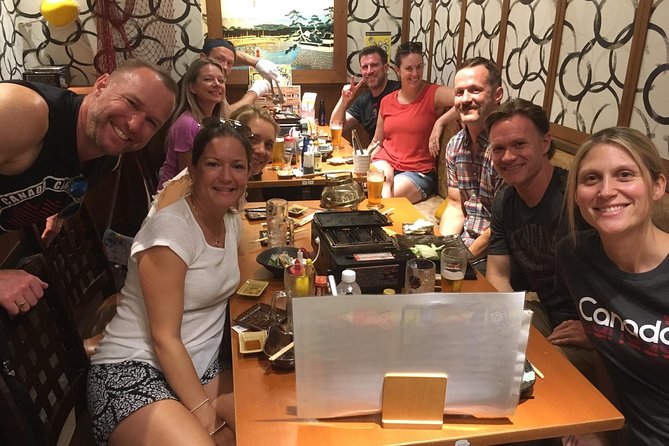
Reviewed · FOOD
Kyoto Food & Culture 6hr Private Tour with Licensed Guide
Kyoto’s best introduction may be a walk that connects Nishiki Market’s food stalls with Gion’s narrow lanes and Pontocho’s old dining alley. This private six-hour tour lets you shape the day around food, temples, traditional culture, or a mix of all three, with a licensed local guide explaining what you are seeing.
I like the private format, especially for families or groups with different interests. I also like the chance to get practical local advice at Nishiki Market, where more than 130 food shops and restaurants fill a five-block street. The main catch is that food, lunch, transport, and entrance fees are all extra, so the advertised price is only the starting point.
In This Review
- Key points to know
- Why a private Kyoto food tour works well
- Starting at Nishiki Market, Kyoto’s Kitchen
- Walking through Gion’s narrow lanes
- A Kyoto sweet in a former kabuki theater
- Pontocho after the market
- Choosing temples and landmarks instead
- Kennin-ji Temple
- Byodoin Temple
- Kyoto Imperial Palace
- Nijo Castle
- Fushimi Inari-taisha Shrine
- Tenryu-ji Temple
- Kiyomizu-dera Temple
- Sanjusangendo Temple
- What the $153.11 price really covers
- Timing, transport, and practical planning
- Who should book this Kyoto experience?
- Should you book the six-hour private tour?
- FAQ
- How long is the Kyoto Food and Culture tour?
- Is the tour private?
- How many places can I visit?
- Is lunch included?
- Are entrance fees included?
- Can I cancel the booking for a full refund?
Key points to know
- Nishiki Market gives the tour its strongest food focus, with five blocks of shops known as Kyoto’s Kitchen.
- You choose three or four sites, rather than trying to cram all 12 listed places into six hours.
- Guide Lily received special praise for making Japanese customs, religion, and daily traditions clear for both young and older members of one family.
- Gion and Pontocho add atmosphere, but they are walking areas, not a single attraction with one entrance.
- Major sights cost extra, including Kennin-ji, Byodoin, Kyoto Imperial Palace, Nijo Castle, Tenryu-ji, Kiyomizu-dera, and Sanjusangen-do.
- The $153.11 per-person price has real value for a private group, but you must budget separately for lunch, food samples, transport, and admission.
Why a private Kyoto food tour works well
Kyoto can feel scattered at first. A market, geisha district, temple, imperial compound, and famous shrine may all appear on your wish list, but they do not create an obvious day by themselves. This experience solves part of that problem by putting a licensed local guide in charge of the cultural connections.
You are not locked into one fixed route. The day includes three or four places chosen from a larger menu of stops, so you can lean toward food and old neighborhoods or toward temples and landmarks. That matters more than it may sound. Six hours is enough for a satisfying introduction, but not enough to see every place listed without turning the tour into a rushed drive-by.
The private setup also gives you room to ask simple questions. You can stop to clarify a food name, ask about a religious custom, or adjust the pace for children and older family members. A five-star review specifically praised Lily for making culture, tradition, religion, and the meaning of different Japanese practices clear to a mixed-age family. That is the kind of guide work that can turn a pretty street into a place you understand.
A few more Kyoto tours and experiences worth a look
Starting at Nishiki Market, Kyoto’s Kitchen
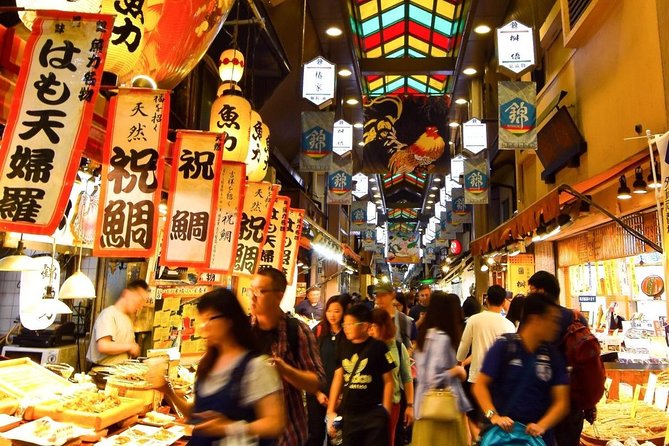
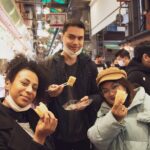
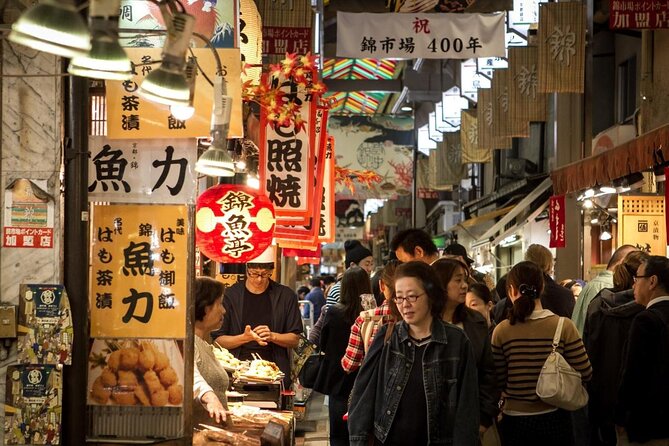
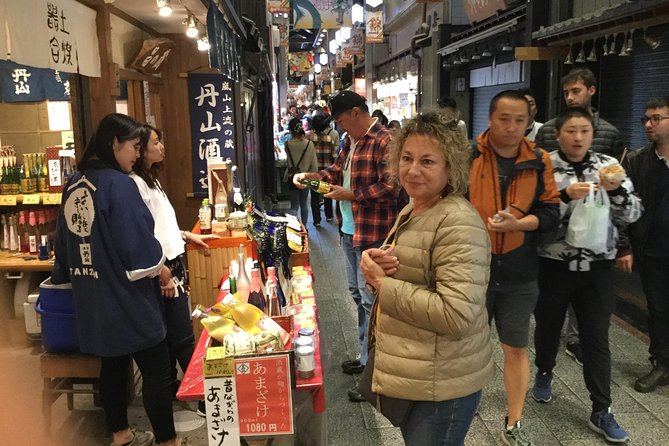
Nishiki Market is the natural anchor for the food side of the experience. The market runs along a narrow shopping street for five blocks, lined with more than 100 shops and restaurants. The tour description puts the number of food shops at more than 130, so you should expect plenty of choice rather than one formal tasting venue.
The listed visit is 30 minutes, which is enough to get your bearings and learn what to look for, but not enough to inspect every stall. I would treat this as an introduction and a chance to ask your guide for advice on what fits your tastes. If you want a longer food stop, mention that when you discuss the custom route.
The cost of food is not included. That is both a drawback and a useful feature. You pay for what you choose instead of being tied to a preset menu, but you need to carry a separate food budget. Lunch is also excluded for both you and your guide, so clarify how you want to handle the meal during the day.
Nishiki is best for curious eaters who want context with their snacks. Rather than simply pointing at unfamiliar items, a guide can explain how the market fits into Kyoto’s food culture. The experience does not promise a set number of tastings, so do not book it expecting an all-inclusive food crawl.
Walking through Gion’s narrow lanes
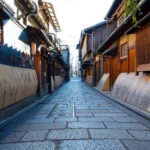
Gion is the cultural heart of the route. Its lanes can be confusing for a first-time visitor, and a private guide gives you a clear way to explore the area without spending your time checking a map. The planned visit lasts about one hour, making it one of the longer stops.
The point here is not just to photograph traditional-looking streets. Gion is associated with Kyoto’s geisha culture, and the tour is designed to explain the district and its customs. The guide can help you understand the difference between seeing a historic neighborhood and treating it like a stage set.
Keep your expectations sensible. The description promises a guided exploration of the lanes, not access to private buildings or a guaranteed geisha encounter. It does, however, offer a more thoughtful way to see the district than wandering without context.
I especially like Gion as part of a food-and-culture day because it breaks up the market visit. You move from ingredients and shops to architecture, performance traditions, and neighborhood etiquette. That combination gives the tour more range than a simple list of tastings.
A Kyoto sweet in a former kabuki theater
The short stop at the Site of Kitaza lasts about 15 minutes and includes an original Kyoto sweet in a building renovated from a kabuki theater. The sweet is traditional, but the way it is served is described as unusual and available to eat there.
This is a small stop, yet it adds a useful detail to the day. Kyoto’s food culture is not only about market snacks or a large lunch. Presentation, setting, and tradition matter too. A brief visit in a former theater gives you a taste of that connection.
Because the stop is short, it should not be treated as a major attraction. It works best as a pause between longer walks. The available information does not state that the sweet is included in the tour price, so ask your guide or provider how payment works if this stop is selected.
Pontocho after the market
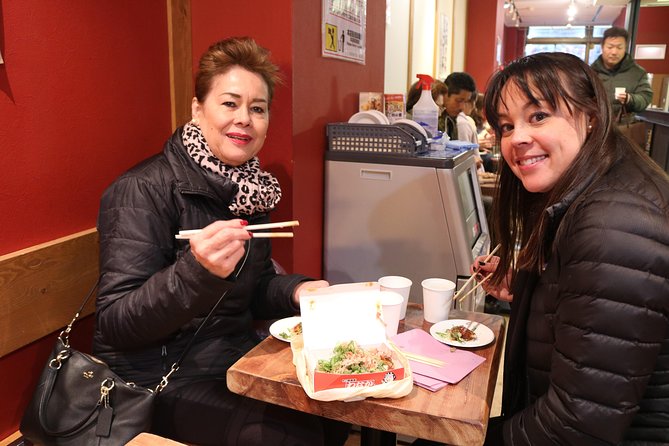
Pontocho is a narrow dining alley running between Shijo-dori and Sanjo-dori, one block west of the Kamogawa River. It is known for restaurants and traditional dining spaces, giving the food portion of the tour a different mood from Nishiki Market.
The listed time here is 30 minutes. That is enough for a look at the alley and an explanation of its dining culture, but not a full restaurant meal unless the route and timing are adjusted. Food and drinks remain your responsibility.
Pontocho is particularly useful if you want your guide to help you understand where Kyoto’s dining areas fit into the city. Nishiki shows you shopping and ingredients. Pontocho shows you the restaurant side of the equation. Together with Gion, the three areas create a compact cultural walk.
Other guided tours in Kyoto
Choosing temples and landmarks instead
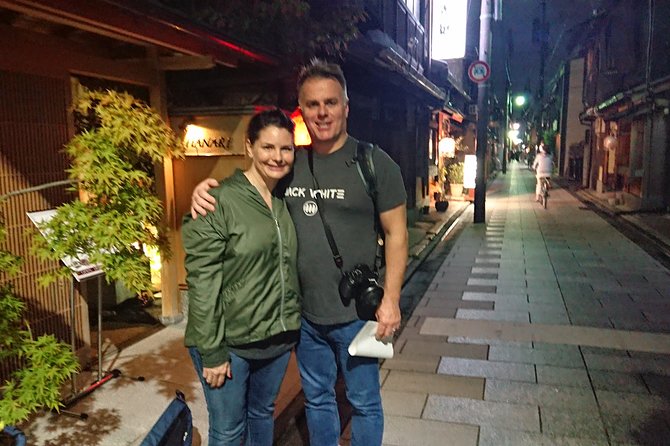
The route can move away from food and old entertainment districts if your group prefers major sights. You can select three or four places from the full list, but the six-hour duration makes careful planning essential.
Kennin-ji Temple
Kennin-ji is close to Hanamikoji and Shijo streets, yet its grounds offer a calmer walk. The temple is known for two dry gardens and provides a temple setting near the Gion area. The listed time is only one minute, which appears to function as a brief optional stop rather than a full visit.
Admission is not included. If Kennin-ji is a priority, ask for enough time to see it properly and confirm the added entrance cost.
Byodoin Temple
Byodoin is in Uji, within Kyoto prefecture, so extra travel time is expected. Its Phoenix Hall is a National Treasure and part of a UNESCO World Heritage Site. This is a serious detour compared with the central Kyoto stops.
The listed visit is 30 minutes, and admission is extra. Byodoin may suit you if this particular monument is high on your list, but it is less sensible to combine it with a long string of central Kyoto sights. The custom format gives you the choice, but it does not remove the distance.
Kyoto Imperial Palace
The Kyoto Imperial Palace was the residence of Japan’s Imperial Family until 1868, when the emperor and capital moved to Tokyo. The grounds are spacious, and the suggested stop lasts 30 minutes.
Admission is not included. This is a good choice for visitors who want political and court history rather than a food-centered day. Ask your guide how the palace fits with the rest of your route before selecting it.
Nijo Castle
Nijo Castle was built in 1603 as the Kyoto residence of Tokugawa Ieyasu, the first shogun of the Edo Period. It is a UNESCO World Heritage site and gives the day a strong connection to Japan’s military and political past.
The suggested visit is 30 minutes, with entrance fees extra. That is a brisk visit for a large historic complex, so you may need to choose between seeing several places briefly and spending more time at one major site.
Fushimi Inari-taisha Shrine
Fushimi Inari is listed as a 15-minute stop with free admission. The description refers to a short trip and mentions seeing a part of Japan’s background that is off-limits to ordinary visitors after the tour. That wording is not fully clear, so ask the provider exactly what access is included before booking around it.
Fifteen minutes is plainly an introduction, not a full exploration of the shrine grounds. If you want an extended visit, it would be wise to make Fushimi Inari one of your main three or four selections rather than a quick add-on.
Tenryu-ji Temple
Tenryu-ji is the major temple of Kyoto’s Arashiyama district and a UNESCO World Heritage site. It was once ranked first among Kyoto’s five great Zen temples. The listed timing is only one minute, and admission is extra.
That short duration suggests this is another optional marker on the route, not a full guided temple visit. Arashiyama is a separate area from the central food stops, so combining it with Nishiki, Gion, Pontocho, and other sights may create too much travel.
Kiyomizu-dera Temple
Kiyomizu-dera is one of Kyoto’s best-known temples. The tour information describes a one-hour guided visit, yet the stop listing also gives one minute, so the timing is inconsistent. Treat this as a point to settle with the provider before the tour.
Admission is not included. Kiyomizu-dera is a strong choice if you want a major temple explained by a guide, but selecting it may mean dropping several smaller stops.
Sanjusangendo Temple
Sanjusangendo, also called Rengeo-in, is famous for its 1,001 statues of Kannon, the goddess of mercy. The listed stop lasts one minute and requires an admission fee.
The temple’s main draw is indoors and specific, so it may appeal to you more than a quick exterior viewing. As with the other major temples, request realistic time if you want to appreciate the site rather than simply tick it off.
What the $153.11 price really covers
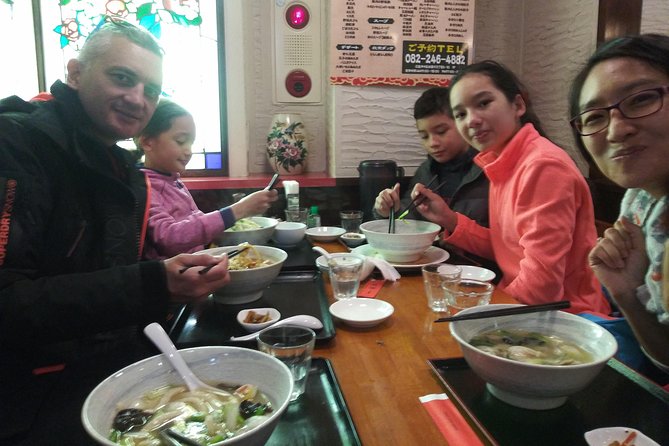
At $153.11 per person, this is not a cheap walking tour. You are paying for a private experience with a licensed local guide, route flexibility, and six hours of direct attention. For a family or small group, that can be a fair deal, especially if a guide helps several people understand Kyoto at the same time.
Still, the total cost will be higher. You must pay for your own transport and your guide’s transport, lunch for both of you, food and drinks, and entrance fees. The price also does not include personal expenses.
The value depends on how much you use the custom planning. If you simply want a basic walk through Gion, a lower-cost group tour may be enough. If your group has mixed ages or specific interests, private guidance becomes more useful. The excellent rating from seven reviews is encouraging, and Lily’s personal response shows a warm connection with one family, but the small number of reviews means you should not treat the rating as a guarantee of every guide’s style.
The tour is often booked 73 days ahead on average. That suggests you should reserve early if your Kyoto dates are fixed, especially if you want a particular day or guide.
Timing, transport, and practical planning
Pickup is offered, and the tour is near public transportation. The exact pickup details are not provided, so confirm the meeting point and any transport plan before the day begins.
Your guide’s transport is not included, which can matter if you choose Byodoin in Uji, Tenryu-ji in Arashiyama, or a route that crosses several parts of Kyoto. A central route built around Nishiki, Gion, Pontocho, and one nearby temple should be easier to manage than a route that reaches distant districts.
I would decide on your top two priorities before booking. For example:
- Food first: Nishiki Market, the Kyoto sweet stop, Pontocho, and Gion.
- Temples first: Kiyomizu-dera, Kennin-ji, Sanjusangendo, or Fushimi Inari.
- Broad cultural overview: Nishiki Market, Gion, Nijo Castle, and Kyoto Imperial Palace.
The guide can then shape the remaining choice around your interests. Do not ask to see all 12 listed places in six hours. The included service is a selection of three or four sites, and that limit is sensible.
Free cancellation is available if you cancel at least 24 hours before the start time. Changes made inside that period are not accepted, and late cancellations are not refunded. Service animals are allowed, and most people can participate.
Who should book this Kyoto experience?
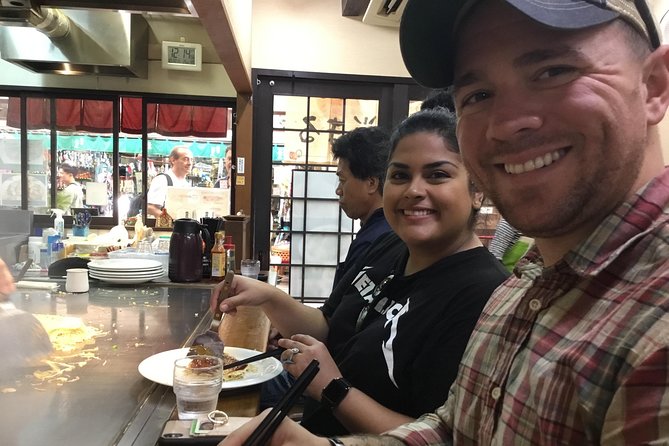
I would recommend it to families, couples, or small private groups who want cultural explanation rather than a simple checklist. It is also a good match if your group cannot agree on one theme, since the route can combine food, neighborhoods, temples, and historic sites.
The tour suits you best if you are willing to make choices. You need to accept that not every famous Kyoto sight can fit into one half-day. You also need to budget beyond the advertised price.
I would be more cautious if you want a formal tasting menu, included food, or a fixed schedule with every cost settled in advance. This is a guide-led custom outing, not an all-inclusive food package.
Should you book the six-hour private tour?
Book it if personal attention, flexible sightseeing, and a guide who can explain Kyoto’s customs are worth more to you than the lowest possible price. The strongest plan is a focused one: Nishiki Market, Gion, Pontocho, and one carefully chosen temple or historic site.
Before paying, confirm your guide, the pickup point, the three or four sites, the time allowed at each, and the expected transport costs. Ask how the Kyoto sweet and any food stops are paid for. If those details fit your budget, this should be a useful first look at Kyoto, especially for a family or mixed-interest group.
FAQ
How long is the Kyoto Food and Culture tour?
The tour lasts approximately six hours.
Is the tour private?
Yes. Only your group participates, and the experience includes a licensed local guide.
How many places can I visit?
The included service allows you to choose three or four sites from the listed options. The full list contains more places, but the tour is not designed to cover all of them in six hours.
Is lunch included?
No. You pay for lunch for yourself and your guide. Food, drinks, and other personal expenses are also excluded.
Are entrance fees included?
No. Entrance fees for places such as Kennin-ji, Byodoin Temple, Kyoto Imperial Palace, Nijo Castle, Tenryu-ji, Kiyomizu-dera, and Sanjusangendo are not included. Fushimi Inari-taisha and Nishiki Market are listed with free admission.
Can I cancel the booking for a full refund?
Yes, if you cancel at least 24 hours before the experience start time. Cancellations or changes made less than 24 hours in advance are not accepted for a refund.
More Private Tours in Kyoto
More Guided Tours in Kyoto
More Food Experiences in Kyoto
More tours in Kyoto we've reviewed
Food, compared.
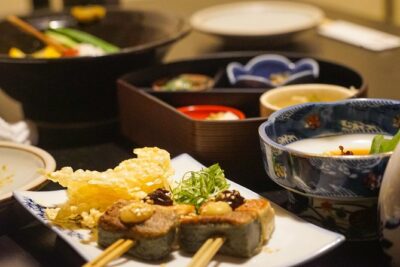 ★ 5.0Kyoto Night Foodie Tour in Gion (9+ dishes + 6 Sake tastings)From $163
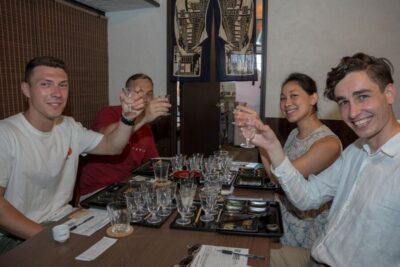 ★ 5.0Kyoto: Insider Sake Brewery Tour with Sake and Food PairingFrom $873 hours
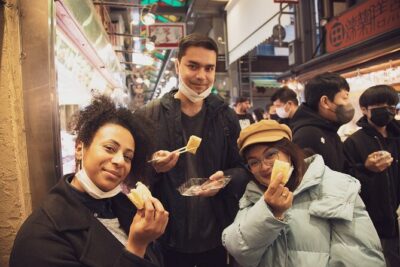 ★ 5.0Kyoto Nishiki Market Food and Culture Walking TourFrom $80
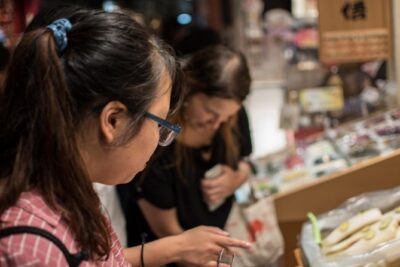 ★ 5.0Kyoto Foodie Night TourFrom $102
 ★ 4.9Kyoto: Gion & Pontocho Food Tour with 13 DishesFrom $823 hours
 ★ 4.7Kyoto: Local Food Tasting Tour at the Nishiki MarketFrom $783 hours - 270 minutes