
Reviewed · OSAKA & HIROSHIMA DEPARTURES
Kyoto UNESCO World Heritage Sites 1d Tour from Osaka/Kyoto
Kyoto packs a remarkable amount into one day here: Kinkaku-ji’s gold, Arashiyama’s bamboo, 1,001 statues at Sanjusangen-do, and Kiyomizu-dera’s wooden stage. You also get time for Togetsukyo Bridge, Kimono Forest, Tenryu-ji, and the old lanes of Ninenzaka and Sannenzaka.
I like the smart route, which links Kyoto’s major sights without making you figure out several train and bus connections. I also like the mix of temples, gardens, views, shopping streets, and food, especially the optional A5 Kobe Beef lunch. The drawback is the pace: with nine to ten hours and four major temple areas, each stop gives you an overview rather than a slow, quiet visit.
In This Review
- Key points to know before booking
- Why this Kyoto day tour works
- Kinkaku-ji, Kyoto’s gold-covered icon
- Arashiyama, bamboo, bridges, and more
- The optional Kobe Beef lunch
- Sanjusangen-do and the 1,001 golden figures
- Kiyomizu-dera and Kyoto’s hillside views
- How the schedule feels on the ground
- Who will get the most from this tour
- Is the $59 price good value?
- Should you book it?
- FAQ
- Where does the tour start?
- Where does the tour finish?
- How long does the tour last?
- Which languages are available?
- Is lunch included?
- Which temple tickets are included?
- Is the tour available for small groups?
- Can I cancel for a full refund?
- Are infants under three free?
Key points to know before booking
- Four major Kyoto heritage sights fit into one long day, with Kinkaku-ji and Sanjusangen-do admission included.
- Arashiyama gets real attention, including Togetsukyo Bridge, Kimono Forest, Tenryu-ji, the Bamboo Forest, lunch, free time, and shopping.
- Kiyomizu-dera finishes the sightseeing, followed by the atmospheric lanes of Ninenzaka and Sannenzaka.
- English and Chinese guides are available, and guide Kaytu has been praised specifically for explaining Kyoto’s history clearly.
- The $59 price is attractive for transport and included temple tickets, but check the selected option carefully because lunch is included only when chosen.
- Strict departure rules matter: arrive at least 10 minutes early, and the vehicle does not wait for late arrivals.
Why this Kyoto day tour works
This is a sightseeing marathon, but it is a well-chosen one. Kyoto’s famous sights are spread across different parts of the city, so a private visit to all of them would require careful planning, several local rides, and close attention to opening times. An air-conditioned vehicle takes care of the long hops.
You begin from either VIP Villa Namba in Osaka or Kyoto VIP Lounge. The return is to one of those same two locations. That makes this particularly useful if you are staying in Osaka and want one full Kyoto day without arranging the transport yourself.
The tour is not designed for lingering over one temple. Instead, it gives you the broad picture: gold and Zen gardens in the north, mountain scenery and bamboo in Arashiyama, a great hall filled with Buddhist statues, then Kyoto’s best-known hillside temple and its old shopping lanes.
The 4.6 rating from six bookings is encouraging, though the small number means you should treat it as a useful signal rather than a guarantee. One specific positive note names Kaytu and praises the guide’s explanation of history. That detail matters because a day of famous buildings can otherwise become a quick sequence of photo stops.
A few more Kyoto tours and experiences worth a look
Kinkaku-ji, Kyoto’s gold-covered icon
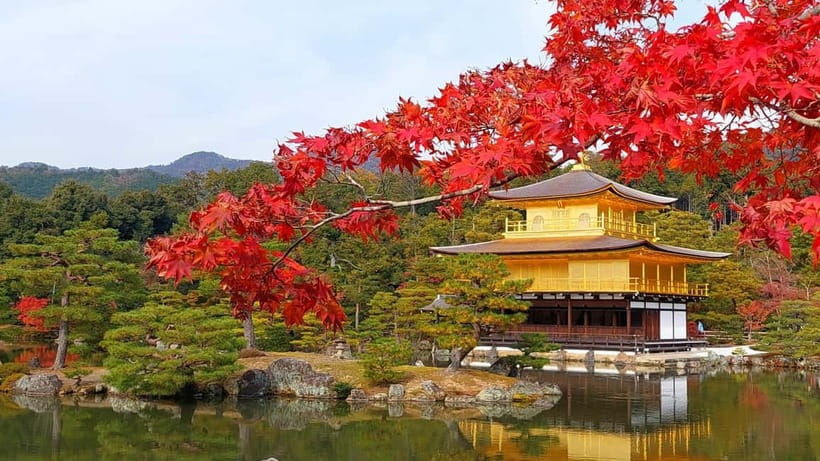
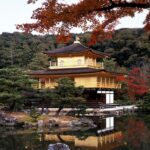
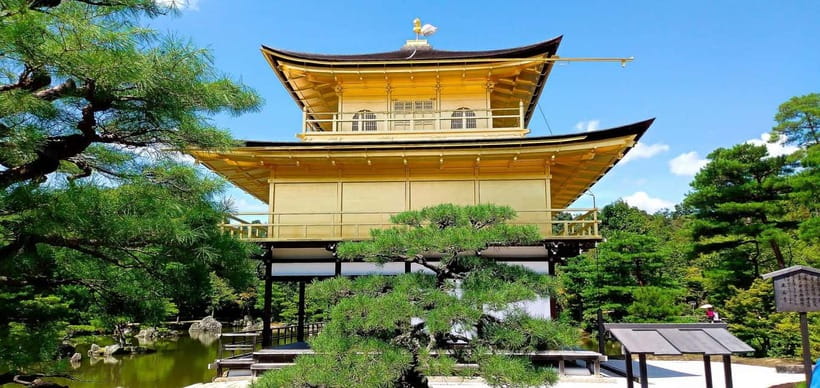
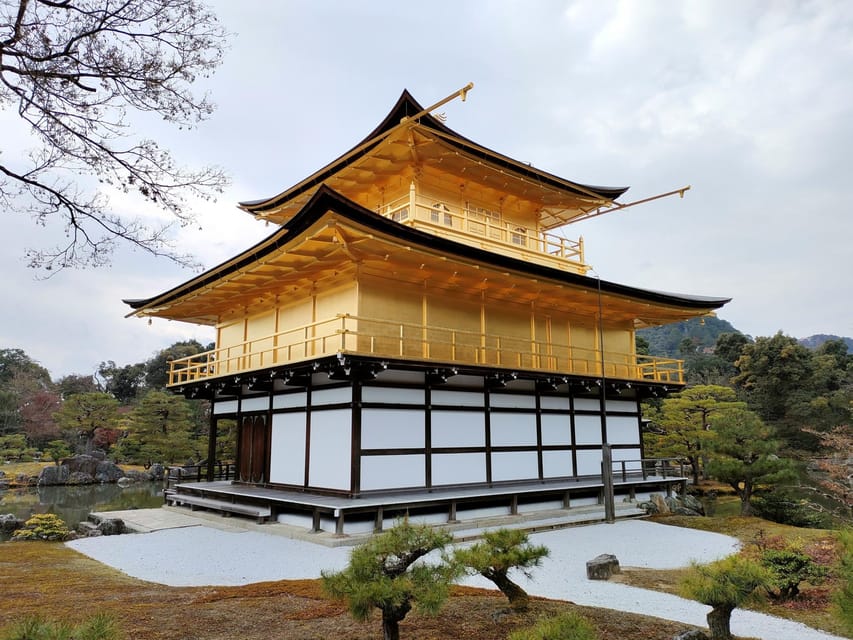
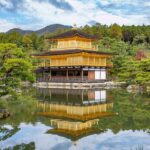
Kinkaku-ji, also called the Golden Pavilion, is the first major stop, with about 40 minutes to visit. The top two floors are covered in gold leaf, and the pavilion is set beside a pond that reflects its bright shape when conditions are right.
The power of the scene is visual and immediate. You do not need a long lecture to understand why Kinkaku-ji is one of Kyoto’s most photographed sights. The gold against the garden and water gives you the classic image many people carry in their minds before arriving in Japan.
Your included admission helps the $59 starting price make sense. Still, 40 minutes is a short visit. You will have time to follow the route, take photographs, and see the pavilion from the garden, but not to wander every corner at a relaxed pace. Keep your camera ready, listen for the guide’s meeting instructions, and avoid spending the whole stop at the first viewing point.
The pavilion represents the refined, extravagant culture of the 14th century, while its Zen setting keeps the mood restrained. That contrast is one reason the stop works so well early in the day.
Arashiyama, bamboo, bridges, and more
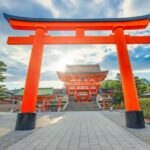
Arashiyama receives the longest block of the tour, about 2 hours and 40 minutes. That is important. You are not simply being driven past the Bamboo Forest for a single photograph. The schedule also includes lunch, free time, shopping, Togetsukyo Bridge, Kimono Forest, Tenryu-ji, and the bamboo path.
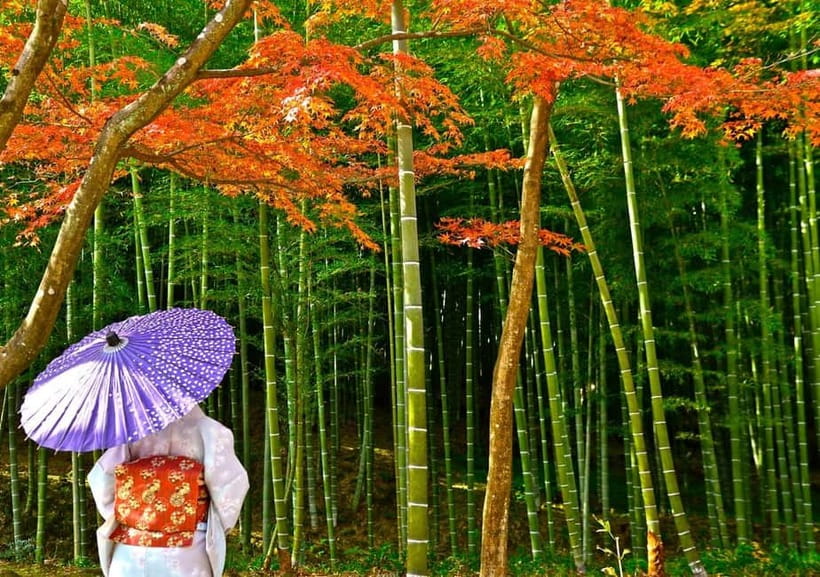
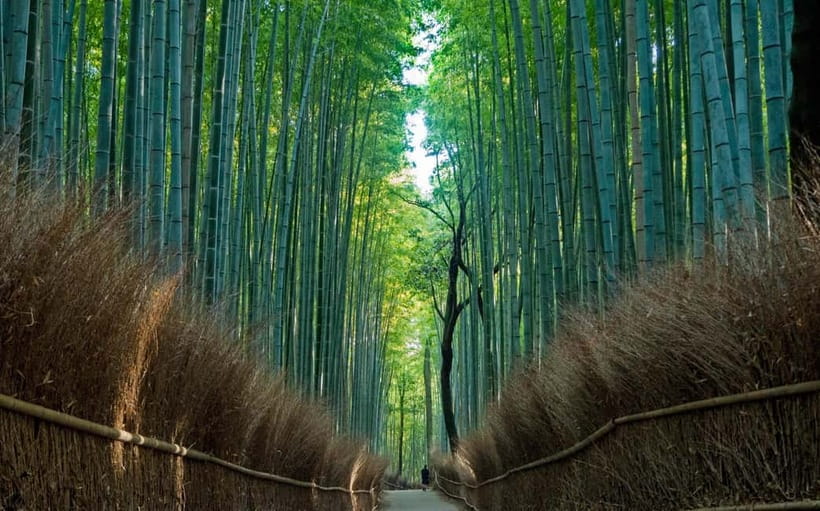
The Arashiyama Bamboo Forest is the headline attraction. Tall bamboo stalks close in around the walkway, creating a green corridor where the light changes from one step to the next. It is a short walk, but the setting feels unlike the stone-and-timber temple grounds elsewhere in Kyoto.
The practical catch is that the Bamboo Forest is only one part of a busy district. Your guide will need to keep the group moving, and the stop may feel crowded or hurried depending on the day. The tour information also warns that traffic can affect the schedule, so your free time could shrink if the vehicle loses time on the road.
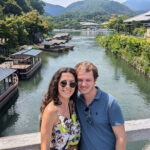
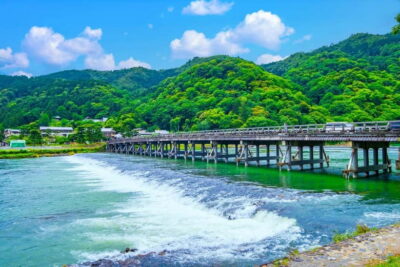
Togetsukyo Bridge offers a different view. The bridge crosses the Katsura River, with mountain scenery beyond it. The name means Moon Crossing Bridge, and the setting has been admired since the Heian period. This is the place to pause for a broad view rather than a close-up temple photograph.
Kimono Forest adds a playful modern touch. Its patterned cylinders create a colorful corridor near the station area, giving you a change of mood after the solemnity of Kinkaku-ji and before the next historic sites.
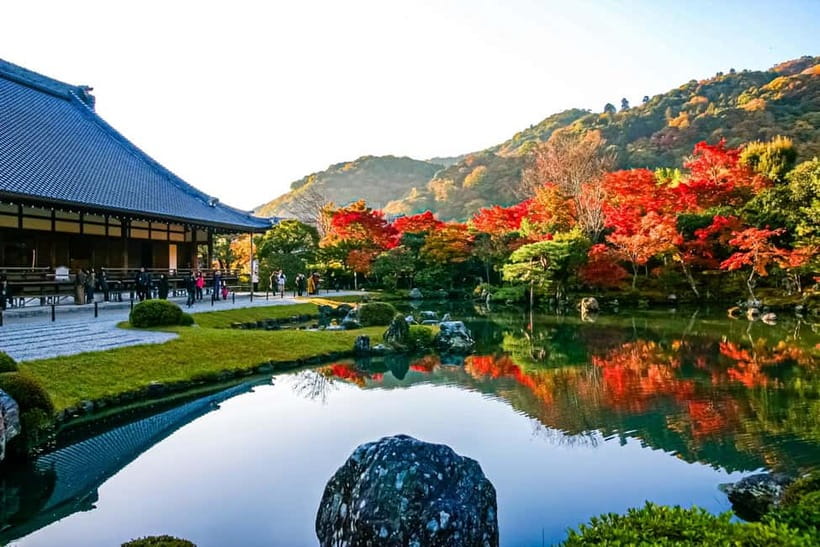
Tenryu-ji is another worthwhile part of Arashiyama. You receive free time to visit and sightsee, though the precise amount you can spend inside will depend on the group schedule. If you care most about the temple garden, move promptly after arriving. If the bamboo path is your priority, save enough time to walk it without rushing.
The optional Kobe Beef lunch
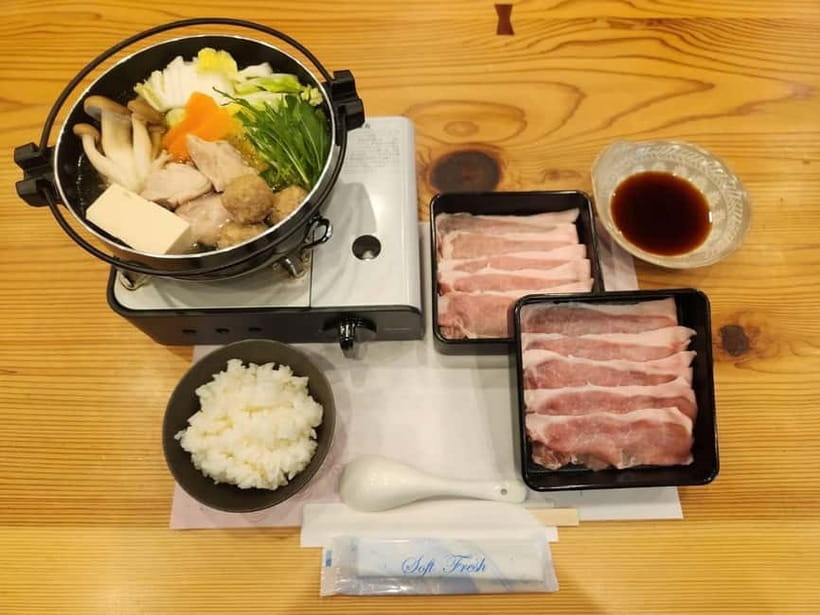
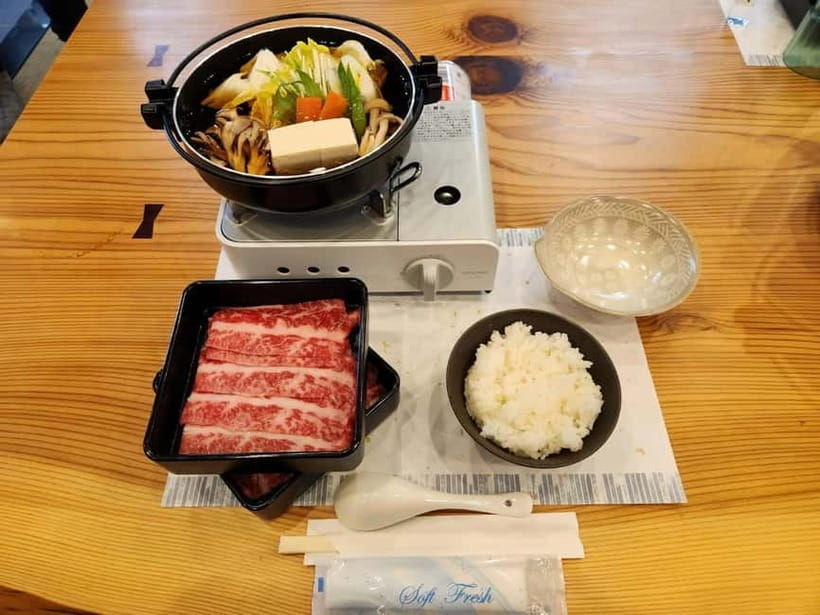
Lunch is one of the tour’s biggest variables. The Kobe Beef meal is optional, and lunch is included only if you book the option that includes it. The advertised meal centers on A5-ranked Kobe Beef, prized for its fine marbling, soft texture, umami, and gentle sweetness.
For food-focused visitors, this can turn a standard sightseeing day into a more memorable one. You are already spending the middle of the day in Arashiyama, so combining a famous regional meal with the visit is convenient.
For budget-minded visitors, check the price difference before choosing. The headline price is $59 per person, but the optional meal may change the total. I would compare the upgrade with your own food plans, especially if you prefer a quick local meal and more free time.
The supplied details do not specify the restaurant, menu format, or exact time at the table. Treat the Kobe Beef option as a premium add-on, not as a fully described culinary tour. If the meal is your main reason for booking, confirm the exact lunch details before paying.
Sanjusangen-do and the 1,001 golden figures
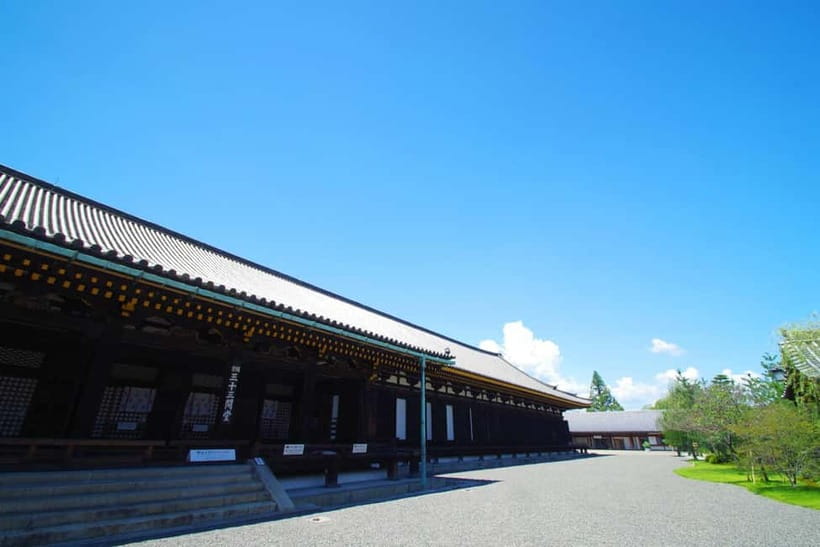
After Arashiyama, the tour visits Sanjusangen-do for about 40 minutes. The temple is famous for its exceptionally long wooden hall and the 1,001 life-sized statues of Kannon, the Goddess of Mercy.
This is one of the day’s strongest stops for atmosphere. Kinkaku-ji gives you a single brilliant structure. Sanjusangen-do gives you repetition and scale: rows of golden figures fill the hall, each one carved with individual features. The effect is solemn and unusual, even if you know little about Buddhist art.
Forty minutes should be enough to see the hall and take in the main sight, but the time is not generous. Photography rules and quiet surroundings also make this a place where you should watch the guide’s instructions rather than assume you can move freely.
Admission is included, which is another useful part of the tour’s value. If you are trying to choose between a broad city overview and a slow temple study, this stop shows the tradeoff clearly. You get access to a remarkable interior, but the group schedule controls the visit.
Other historical tours in Kyoto
Kiyomizu-dera and Kyoto’s hillside views
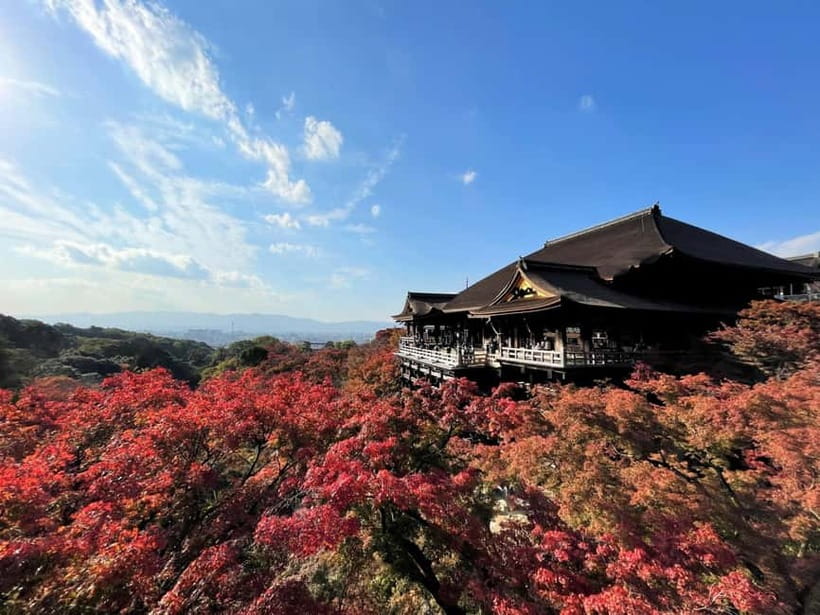
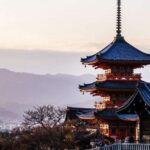
Kiyomizu-dera receives about 80 minutes, making it the longest single temple visit of the day. The temple is known for its large wooden stage, built without a single nail, and for the views over Kyoto.
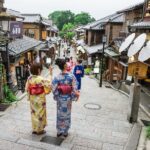
The approach is part of the experience. You visit Kiyomizu-dera Koyasunoto Pagoda, then continue through Ninenzaka and Sannenzaka. These old lanes are lined with shops and give you a chance to browse souvenirs, snacks, and traditional-style goods after the temple visit.
The wooden stage is the star. From it, you can look across the surrounding hills and Kyoto rooftops. Cherry blossoms or autumn maple leaves can add seasonal color, though the tour information does not promise a particular season or view. Even without peak foliage, the height and construction of the stage make the stop worthwhile.
You can also visit Otowa Waterfall, where the sacred water is associated with health, longevity, and success. The practical issue is that the area combines religious importance with strong visitor demand. Keep an eye on the clock, since the 80-minute block includes the temple, the pagoda, and the lanes below.
Ninenzaka and Sannenzaka are not simply a final shopping stop. Their sloped, historic streets help you connect the temple to Kyoto’s older street life. The walking can be tiring after a full day, so comfortable shoes are a sensible choice.
How the schedule feels on the ground
The advertised duration is nine to ten hours, but traffic can change the rhythm. Kyoto’s roads can be slow, and the operator notes that severe traffic from holidays or bad weather may lead to fewer planned attractions without a refund.
That warning is important because the route is ambitious. You should book this tour for coverage, not for complete control over every minute. The vehicle saves energy between districts, but the stops still involve walking, temple grounds, stairs, and shopping streets.
The tour operates in English and Chinese. Depending on the number of participants, both language groups may share the same bus. That can mean announcements are delivered in two languages and transitions take a little longer.
A small-group option is available. The provided details do not state the exact maximum number, so check the selected booking option if group size is important to you. A smaller group can make meeting the guide easier, but the transport and schedule remain shared parts of the experience.
The departure rule is firm. You need to arrive 10 minutes before the stated time, check the correct meeting-point photograph and QR code, and go to the location tied to your booking. Late arrival or going to the wrong starting point may mean no refund, even if you contact the operator before departure.
Who will get the most from this tour
I would choose this tour if you are visiting Kyoto for the first time and want to cover the city’s most recognizable sights in one day. It also suits Osaka-based visitors who do not want to plan the rail connections and local transfers themselves.
It is a good fit for you if:
- You want several major temples rather than one slow cultural visit.
- You value an English or Chinese-speaking guide.
- You like having transportation between distant districts.
- You want Arashiyama, Kinkaku-ji, and Kiyomizu-dera on the same day.
- You are interested in adding a premium Kobe Beef lunch.
- You can manage a full day with a firm timetable.
I would look elsewhere if your priority is photography at quiet hours, extensive temple gardens, or a relaxed meal. A self-guided day gives you more control, especially at Arashiyama and Kiyomizu-dera, but it demands more planning.
Families should note that infants under three are free without a seat. If you need a seat, the child price applies. The tour information does not provide further accessibility details, so ask the operator about mobility needs before booking.
Is the $59 price good value?
At $59 per person, the price is appealing for a nine to ten-hour guided outing that includes an air-conditioned vehicle, a live English or Chinese-speaking guide, Kinkaku-ji admission, and Sanjusangen-do admission. The amount of ground covered is the strongest value here.
Lunch is not automatically part of every option. Check the exact package, since the A5 Kobe Beef meal is an optional selection. That distinction keeps the headline price attractive but means you should compare the final total before booking.
The value is less about luxury and more about efficiency. You are paying to connect Kyoto’s major sights in one day, with someone handling the route and basic entry arrangements. You are not paying for a slow, private tour or a detailed food itinerary.
Free cancellation up to 24 hours before departure and the reserve-now, pay-later option add useful flexibility. They do not remove the need to arrive early or the risk of losing planned stops to severe traffic.
Should you book it?
Book this Kyoto UNESCO World Heritage Sites day tour if you want a broad, practical introduction to Kyoto from Osaka or Kyoto. The combination of Kinkaku-ji, Arashiyama, Sanjusangen-do, and Kiyomizu-dera is hard to beat for first-time coverage, and the included temple tickets help support the price.
Choose the Kobe Beef option if the meal appeals to you and you are comfortable paying extra for it. Otherwise, focus on the cultural route and use the Arashiyama time for the bamboo, bridge, Tenryu-ji, and shopping.
Go in with realistic expectations: this is a full timetable, not a leisurely temple retreat. Arrive early, wear comfortable shoes, confirm your meeting point, and expect traffic to shape the day. If that sounds like a fair trade for seeing Kyoto’s biggest sights in one organized outing, this tour is a sensible choice.
FAQ
Where does the tour start?
You can choose between VIP Villa Namba in Osaka and Kyoto VIP Lounge. The meeting point depends on the option you book.
Where does the tour finish?
Drop-off is available at VIP Villa Namba or Kyoto VIP Lounge, according to the selected option.
How long does the tour last?
The stated duration is approximately nine to ten hours. Traffic and weather conditions can affect the schedule.
Which languages are available?
The live tour guide service is available in English and Chinese.
Is lunch included?
Lunch is included only when you select the option that includes it. The optional meal is an A5-ranked Kobe Beef lunch.
Which temple tickets are included?
Admission to Kinkaku-ji and Sanjusangen-do is included.
Is the tour available for small groups?
A small-group option is available. The exact group size is not specified in the provided details.
Can I cancel for a full refund?
You can cancel up to 24 hours in advance for a full refund.
Are infants under three free?
Infants under three are free without a seat. If you require a seat for the infant, you should book using the children’s price.
More 1-Day Tours in Kyoto

More Historical Tours in Kyoto
More Osaka & Hiroshima Departures in Kyoto
More tours in Kyoto we've reviewed

Osaka & Hiroshima Departures, compared.
 ★ 4.1Osaka/Kyoto:Kinkakuji,Arashiyama,FushimiInariShrine,NaraParkFrom $66
 ★ 4.5One-Day Tour of Kyoto’s Highlights from Osaka/KyotoFrom $66
 ★ 4.7Osaka/Kyoto: Hiroshima Miyajima Bus Tour & Shinkansen TicketFrom $27712 hours
 ★ 4.4Osaka/Kyoto: Arashiyama, Nara & Fushimi Inari Shrine w/LunchFrom $61
 ★ 4.3From Osaka: Sagano Train Ride and Kyoto Guided Day TourFrom $66
 ★ 4.0Kyoto and Nara Day Trip from OsakaFrom $198