
Reviewed · COOKING CLASSES
Private Kyoto Market Tour and Authentic Cooking Class with Aki
Kyoto’s best food lessons do not begin with a recipe. They begin at the market. With Aki, you spend about 45 minutes at Demachiyanagi Shoutengai choosing Japanese vegetables and pantry staples, then use them in a private cooking class at her home. I especially like the market-to-table format and the chance to see how a local family kitchen works. The lesson suits both first-time cooks and people who already know their way around a cutting board.
I also like that the meal is not limited to restaurant standards. Aki teaches dishes that may never appear on a standard Kyoto menu, along with practical tips for familiar foods such as miso soup. The main consideration is the price, $119 per person, plus a strict non-refundable policy. For a simple class, that is a lot. For a private market visit, home meal, instruction, drinks, and cultural conversation, it can be a fair deal.
In This Review
- Key points about Aki’s Kyoto cooking class
- Starting at Demachi Futaba in Kyoto
- What makes Demachiyanagi Shoutengai worthwhile
- The short bus ride to Aki’s home
- Cooking Japanese dishes in a home kitchen
- The meal after the lesson
- Price, timing, and what you receive for $119
- Dietary requests and cooking preferences
- Who will enjoy this Kyoto food experience?
- Should you book Aki’s market and cooking class?
- FAQ
- Where does the Kyoto market and cooking experience begin?
- What time does the activity start?
- How long does the experience last?
- Is hotel pickup and drop-off included?
- Which market do I visit with Aki?
- How long is the market visit?
- How do I get from the market to Aki’s home?
- Is the cooking class private?
- Can vegetarian meals and dietary requests be accommodated?
Key points about Aki’s Kyoto cooking class
- Shop at Demachiyanagi Shoutengai: Spend roughly 45 minutes learning how to choose Japanese ingredients and regional produce.
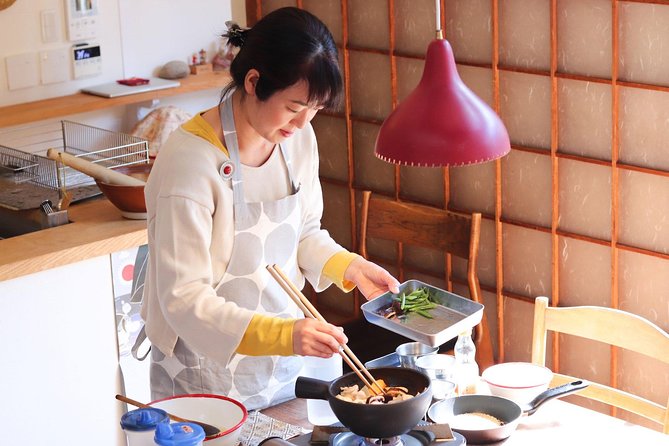
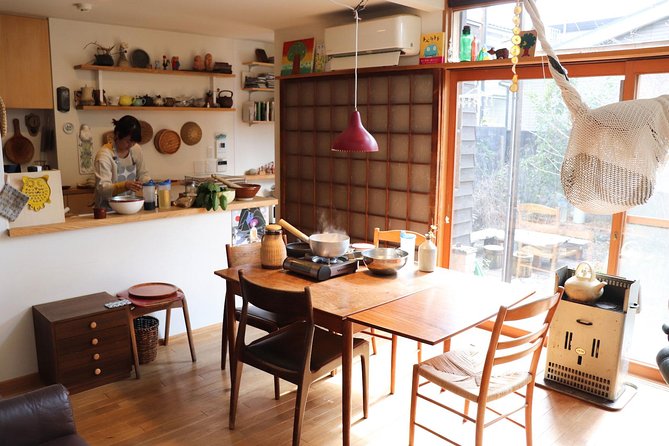
- Cook in Aki’s Kyoto home: The lesson takes place in her private kitchen, not a commercial cooking school.
- Travel by local bus: The market and home are about four bus stops apart, with the ride taking around 10 minutes.
- Receive a private lesson: Only your own group participates, so Aki can adjust the pace and attention to your interests.
- Eat what you prepare: The cooking session lasts about an hour, followed by a home-cooked Japanese meal.
- Recipes are provided in English: Vegetarian requests and other dietary needs can be discussed when you book.
Starting at Demachi Futaba in Kyoto
Your morning begins at 10:30 am at Demachi Futaba, 236 Seiryūchō, in Kyoto’s Kamigyo Ward. This is the meeting point for the market portion, so give yourself enough time to arrive without rushing. Hotel pickup and drop-off are not provided.
The first stop is Demachiyanagi Shoutengai, a neighborhood street market with shops selling everyday Japanese ingredients and higher-quality regional produce. That setting matters. You are not simply shown a display of food chosen in advance. You walk with Aki and help decide what will later appear on your table.
This is a useful way to understand Japanese cooking because ingredients carry more information than a recipe alone. Aki can explain what you are looking at, how it is used, and how to select suitable produce. You might see basic foods alongside less familiar vegetables and seasonally available items. The exact menu changes with the season, so no two visits need to be identical.
The market walk lasts about 45 minutes. That is long enough to learn the basics without turning the morning into a marathon. If you are keen on food shopping, you may wish this part lasted longer. Still, the four-hour format has to leave time for transportation, cooking, and lunch.
Other cooking classes in Kyoto

What makes Demachiyanagi Shoutengai worthwhile
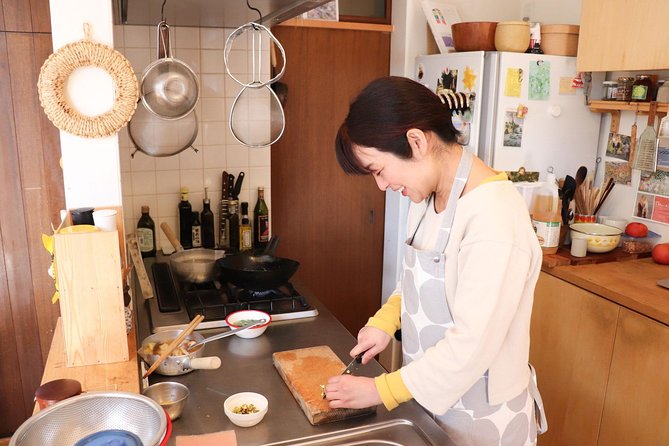
Kyoto has plenty of food tours built around famous sights and photogenic stalls. This one takes you into a neighborhood market, where the focus is on how food is bought and prepared for an ordinary home meal.
That gives the outing a quieter, more useful purpose. You learn what ingredients look like before they are packaged or translated for a foreign audience. You also get context from Aki as you move through the market. The setting is less polished than a staged cooking studio, which is exactly the point.
Several published comments describe the market as a way to get away from Kyoto’s more tourist-heavy areas and speak with shop owners with Aki’s help. That makes the host especially important. Without her, a neighborhood market could be hard to read. With her guidance, the shops become part of the lesson rather than a row of unfamiliar counters.
I would pay close attention to the shopping portion if you want to recreate the dishes at home. Ask Aki about substitutions, storage, and what to look for in your own grocery store. The provided information does not promise a full ingredient-shopping guide, but the market is the natural place to ask those questions.
The short bus ride to Aki’s home
After the market, you take a bus to Aki’s home. The ride takes about 10 minutes and covers four stops. This is a small detail, but it changes the feel of the outing. You are not being moved from one tourist venue to another. You are heading from a local shopping area into the host’s neighborhood and kitchen.
The bus ride is also a practical reminder that this is a home visit, not a restaurant class. You will need to manage the transition from the market to the bus and follow Aki’s directions. The tour information does not promise private transportation, so expect ordinary local transit.
The activity is private, and only your group takes part. That is a real advantage for couples, families, and small groups with different cooking abilities. Aki can spend more time explaining a technique or adjust the pace if someone is new to Japanese food.
At the same time, a private class can feel more personal than a standard group lesson. If you prefer to watch quietly rather than cook or chat, tell Aki what you want from the session. The setting is designed for participation and conversation.
Cooking Japanese dishes in a home kitchen
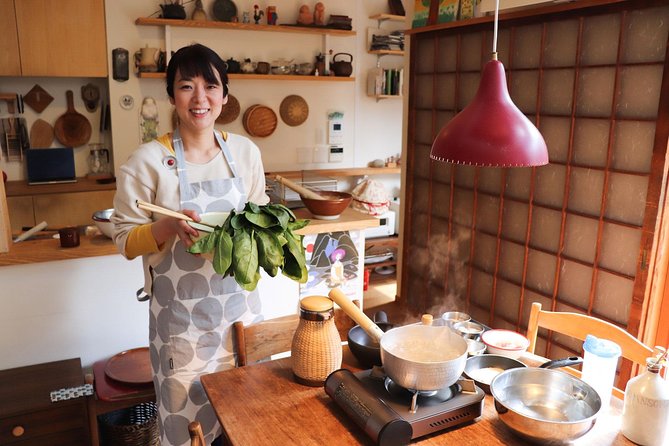
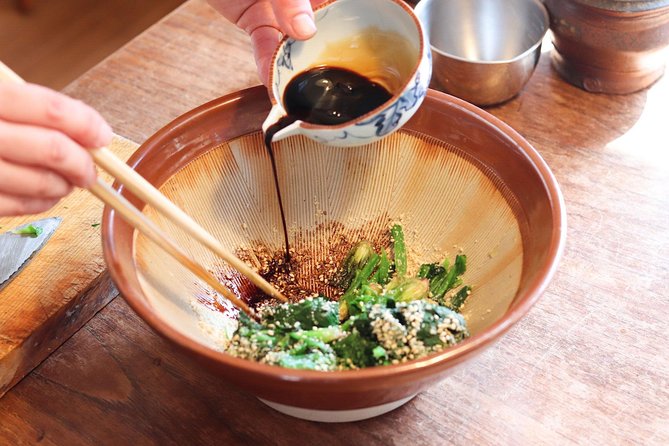
The cooking portion lasts about an hour in Aki’s kitchen. She provides recipes in English and guides you through the preparation. You are not simply watching a demonstration and receiving a dish at the end. You help make the meal you later eat.
The menu can include dishes that are rarely served in restaurants, as well as familiar Japanese classics. Miso soup is singled out as one example, with Aki sharing tips that can improve a dish many visitors already know. That mix is smart. New dishes keep the lesson interesting, while familiar foods give you something you can use immediately at home.
The seasonal menu is another strength. Japanese cooking changes with the time of year, and the market visit gives the menu a reason to change. You should not book this expecting a fixed list of dishes. The uncertainty is part of the home-cooking style, though anyone with a very specific menu in mind should ask before confirming.
The instructions are suitable for beginners and experienced cooks. A beginner can learn how Japanese ingredients fit together, while a more confident cook can focus on technique, seasoning, and presentation. Because the class is private, you can ask questions as they arise instead of waiting for a group demonstration to finish.
The lesson also teaches culture through food. You learn not only what to cook, but how ingredients are selected and how a Japanese meal comes together at home. That is more useful than collecting a single recipe without understanding the choices behind it.
The meal after the lesson
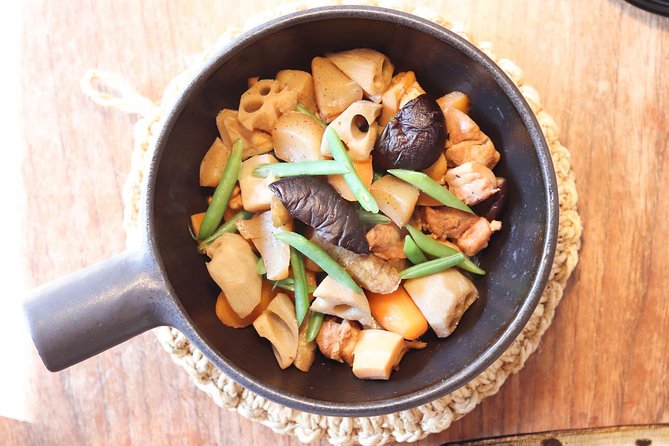
After cooking, you sit down to eat the meal you prepared. The food is home-cooked Japanese cuisine, and non-alcoholic beverages are included. The overview also describes one or two glasses of local alcohol as included, but the detailed inclusions list mentions only non-alcoholic drinks. If alcohol matters to you, confirm the current arrangement when booking.
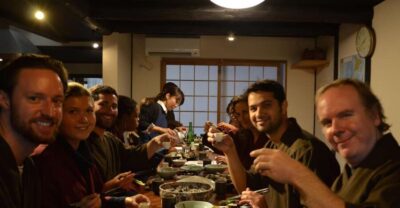
The meal is the emotional center of the visit. Cooking side by side can be fun, but sitting down afterward gives the morning a natural finish. You can ask follow-up questions, compare the dishes, and talk with Aki about daily life in Kyoto.
Several published comments place special emphasis on Aki’s warmth and the personal nature of the visit. One family described the host’s kindness as something their daughter remembered long after the meal. Another called the food the best meal of a Japan trip. Those are personal impressions, not guarantees, but they point to what this outing does best: it creates time for a genuine exchange rather than a quick demonstration.
You should also keep your expectations sensible. This is not presented as a professional chef’s master class, and the cooking section is only about an hour. The value lies in the full combination of market, bus ride, home kitchen, meal, and conversation.
Other private tours in Kyoto


Price, timing, and what you receive for $119
At $119 per person, this is more expensive than a group cooking lesson. It is also more than a basic food walk. You are paying for a private experience lasting about four hours, including Aki’s time at the market and in her home, the ingredients, the cooked meal, non-alcoholic drinks, and personalized instruction.
For two people, the cost adds up quickly. I would consider it good value if you place a high priority on food, prefer small private activities, and want direct contact with a local host. It is less compelling if your main goal is to learn a large number of recipes or keep your Kyoto activities inexpensive.
The experience is booked, on average, 97 days ahead. That suggests you should plan early, especially if your Kyoto dates are fixed. Confirmation arrives within 48 hours of booking, subject to availability.
The activity takes about four hours, beginning at 10:30 am. The market, bus ride, cooking, and meal are all part of one connected morning and early afternoon. The stated endpoint is back at the meeting point, so avoid scheduling a tight onward appointment until you know how the return portion is handled.
The cancellation rule deserves serious attention. The experience is non-refundable and cannot be changed for any reason. Do not book it until your Kyoto schedule, health, and dietary needs are reasonably settled.
Dietary requests and cooking preferences
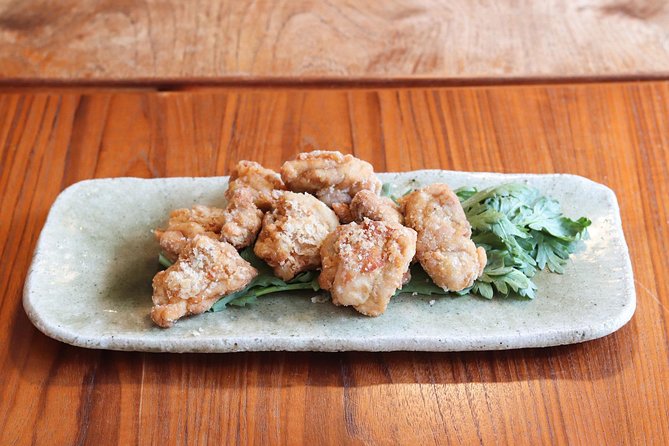
Vegetarian cooking is available if requested at the time of booking. Allergies, dietary restrictions, and cooking preferences should also be shared in advance.
That timing matters. A market-based menu changes with the season, and Aki needs to know what you can eat before she plans the ingredients. Do not wait until you arrive at the market to mention a serious allergy or a strict restriction.
The available information does not list every possible diet or promise that all requests can be met. The safest approach is to give clear details when booking and ask for confirmation if your needs are complex.
Who will enjoy this Kyoto food experience?
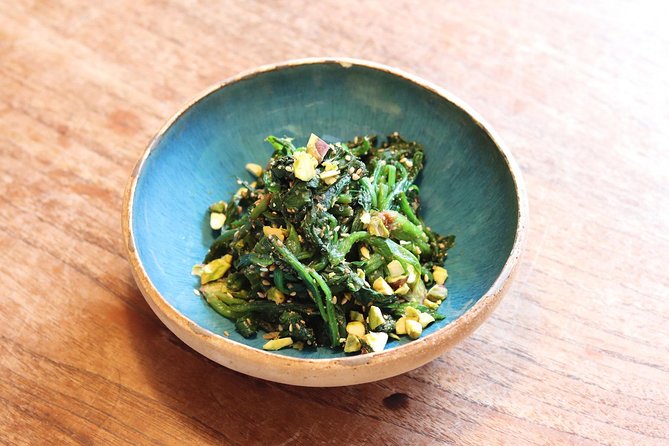
I would recommend this outing most strongly to:
- First-time visitors who want local context: The market and home setting show a side of Kyoto that major sights cannot.
- Food-focused couples and families: The private format leaves room for conversation and a shared meal.
- Beginner cooks: The English recipes and guided preparation make the lesson approachable.
- Experienced home cooks: You can ask about ingredients, seasoning, and Japanese methods.
- People tired of formal restaurants: The meal is made in a private home and may include dishes not commonly found on menus.
It may not suit you if you want a fast-paced sightseeing tour, a large group atmosphere, or a fixed restaurant-style menu. It also may not be the best match if you dislike public transportation or need a fully accessible itinerary, since no accessibility details are provided.
Should you book Aki’s market and cooking class?
Book it if you want food to be your doorway into Kyoto. The market visit gives the class a real purpose, the bus ride connects you with the local setting, and the private kitchen makes the meal personal. Aki’s warm hosting is the feature that ties those parts together.
I would be especially keen to book this for a small group that values time with a local person more than a long list of sights. The perfect 5.0 rating from 15 published ratings and 100 percent recommendation support the idea that the format works well for its intended audience.
Skip it if $119 feels high for one meal and a short cooking lesson, or if you need flexible cancellation. For everyone else, this is one of Kyoto’s more useful food activities because you leave with more than a full stomach. You gain a better sense of how Japanese ingredients are chosen, prepared, and enjoyed at home.
FAQ
Where does the Kyoto market and cooking experience begin?
It begins at Demachi Futaba, 236 Seiryūchō, Kamigyo Ward, Kyoto, 602-0822, Japan.
What time does the activity start?
The start time is 10:30 am.
How long does the experience last?
The activity lasts approximately four hours.
Is hotel pickup and drop-off included?
No. Hotel pickup and drop-off are not included.
Which market do I visit with Aki?
You visit Demachiyanagi Shoutengai, a local neighborhood street market.
How long is the market visit?
The market portion lasts about 45 minutes.
How do I get from the market to Aki’s home?
You take a local bus. Aki’s home is about four bus stops from the market, and the ride takes around 10 minutes.
Is the cooking class private?
Yes. Only your own group participates in the activity.
Can vegetarian meals and dietary requests be accommodated?
A vegetarian option is available. You should provide information about allergies, dietary restrictions, and cooking preferences when booking.
More Shopping Tours in Kyoto

More Private Tours in Kyoto
More Cooking Classes in Kyoto
More tours in Kyoto we've reviewed

Cooking Classes, compared.
 ★ 5.0Ramen Cooking Class at Ramen Factory in KyotoFrom $131
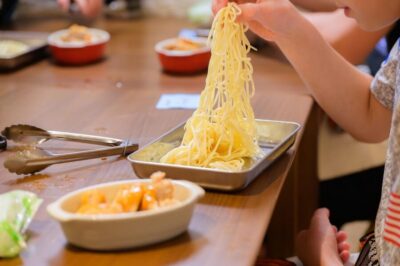 ★ 4.9Kyoto: Ramen Cooking Class at a Ramen Factory with SouvenirFrom $1271h 30m
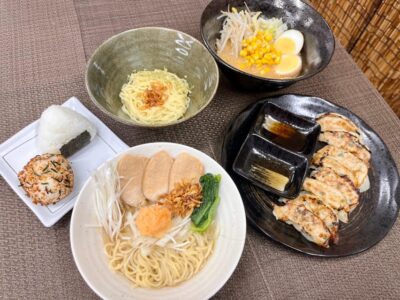 ★ 5.0Kyoto: Ramen, Gyoza, and Onigiri Cooking ClassFrom $901h 30m
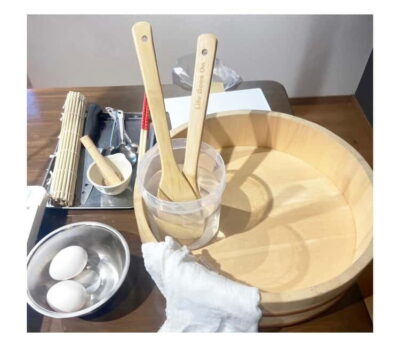 ★ 5.0Kyoto: Japanese Washoku Bento Small Group Cooking ClassFrom $582h 30m
 ★ 4.9Kyoto: Afternoon Japanese Izakaya Cooking ClassFrom $673 hours
 ★ 5.0Izakaya Style Cooking ClassFrom $71