
Reviewed · NARA DAY TRIPS
Kyoto & Nara Private Customized, Guided Tour
Kyoto’s temples, Nara’s deer, and Osaka’s food streets make a tempting trio, but seeing them well in one day takes careful planning. This private 10-hour tour lets you choose the mix, travel in an air-conditioned van, and shape the day around your interests rather than follow a fixed group schedule.
I like the flexible route and the door-to-door transport. I also like the chance to have a guide such as Dhanush explain temple customs, local history, and architectural details while taking photos for you. The main catch is that guide quality can vary: some customers received lively explanations, while others found their driver acted mainly as a chauffeur.
In This Review
- Key things to know before booking
- A private day built around your priorities
- Traveling in a private van
- Arashiyama and its bamboo country
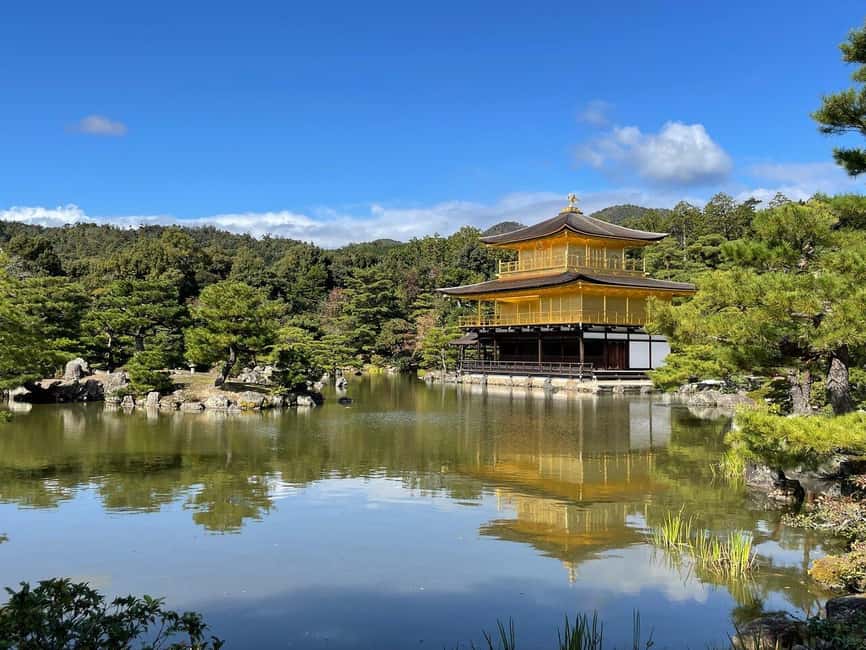
- Kinkaku-ji, Kyoto’s Golden Pavilion
- Fushimi Inari’s red torii paths
- Nara Park and the Great Buddha
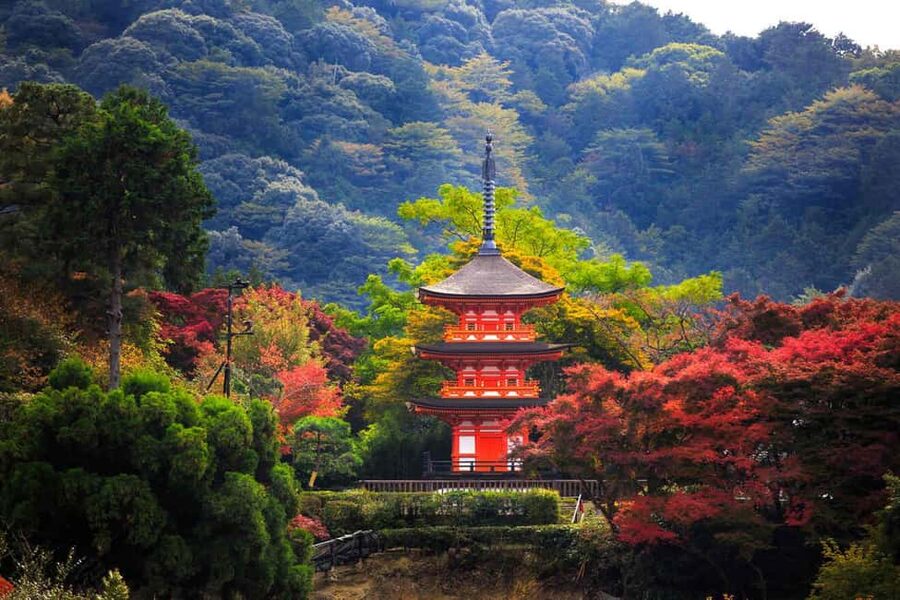
- Kiyomizu-dera above Kyoto
- Nishiki Market for local tastes
- Adding Osaka and Dotonbori
- How much guiding will you receive?
- Tickets, meals, timing, and access
- Is $438 a fair price?
- Who should book this day?
- Should you book it?
- FAQ
- How long is the private tour?
- Which cities can I combine?
- Where is pickup included?
- How many people can join the private group?
- Are entrance tickets included?
- Which languages are available?
- What should I bring?
Key things to know before booking
- You choose the city mix: Pair Kyoto with Nara, Kyoto with Osaka, or Osaka with Nara, or focus on one city.
- The classic Kyoto route is packed: Arashiyama, Kinkaku-ji, Fushimi Inari, Kiyomizu-dera, and Nishiki Market require strong time management.
- Nara adds a different mood: Todai-ji and Nara Park offer grand Buddhist art, open space, and free-roaming deer.
- Your vehicle is private: Pickup and drop-off are included in Kyoto, Osaka, and Nara, with possible extra charges outside those areas.
- Dhanush has earned particular praise: He has been described as comfortable, helpful, informative, and willing to change the plan.
- Bring cash and good shoes: Food, drinks, and entrance tickets cost extra, and many places may not accept cards.
A private day built around your priorities
The best feature here is control. You can ask for Kyoto and Nara, combine Kyoto with Osaka, or spend the day in one city. That matters because these places offer very different experiences.
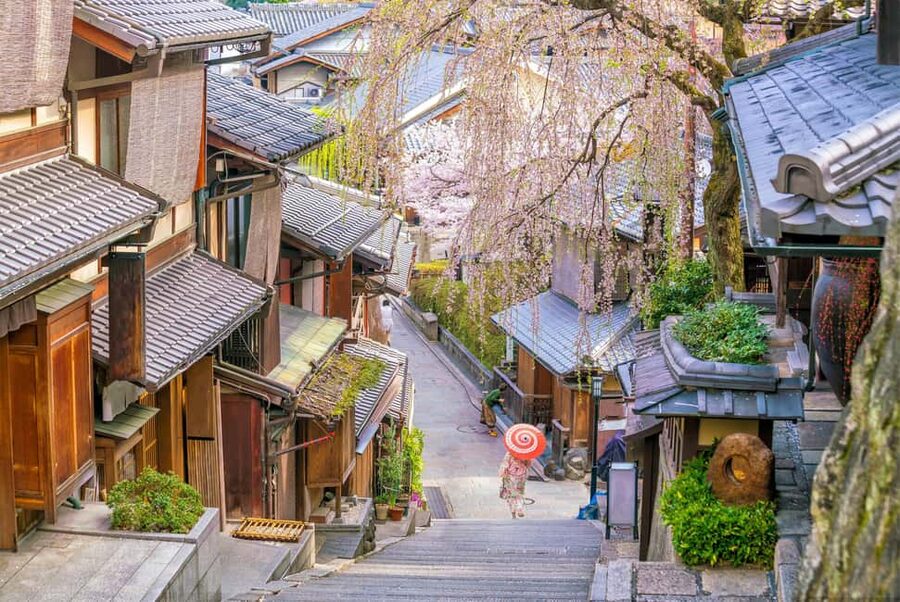
Kyoto is the choice for shrines, gardens, tea culture, traditional streets, and major Buddhist temples. Nara gives you an older capital, the Great Buddha at Todai-ji, and deer roaming Nara Park. Osaka is more urban and food-focused, with Dotonbori’s neon signs, street stalls, shops, and entertainment.
I would not treat the advertised stops as a promise that you will enjoy every one of them in a single day. The listed route includes around six major sightseeing stops, plus several drives, and that is an ambitious schedule for 10 hours. If you want time inside temples, a relaxed meal, and room for photos, choose fewer sights.
That is where the private format earns its keep. You can cut a stop that does not interest you, linger at one that does, or skip Nara and focus on Kyoto, as one couple did with guide Danush. Tell the operator your priorities before pickup, not only after the day has begun.
A few more Kyoto tours and experiences worth a look
Traveling in a private van
The tour includes a private, air-conditioned vehicle with comfortable sofa-style seats, an English-speaking guide, and pickup and drop-off. That is a useful setup for a day involving Kyoto, Nara, and Osaka, where moving between distant sights can eat up valuable time.
The listed route includes drives of roughly 30 to 35 minutes between several stops. Those rides give you a chance to rest, but they also explain why the day can feel tight. Traffic delays are possible, and the operator says extra time may be added without an additional charge if delays affect the schedule. I would still ask how much flexibility is realistic for your chosen route.
The group limit is six people. For a family or a small group of friends, the cost works differently than it does for one or two people. At $438 per group, six people pay about $73 each before admissions and meals. Two people pay $219 each, so the value improves as your party gets larger.
A private vehicle also saves you from changing trains with bags, finding the right bus stop, or splitting up when someone needs a break. The tradeoff is that Kyoto’s narrow streets and busy areas can still slow the vehicle. A private van is convenient, but it cannot make Japanese traffic disappear.
Arashiyama and its bamboo country
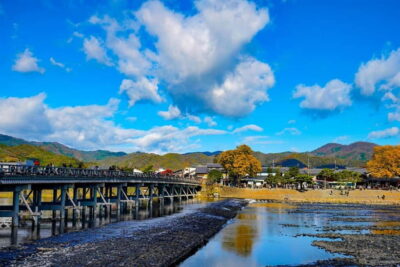
Arashiyama is scheduled for about 90 minutes on the sample route. This western Kyoto district is best known for its bamboo grove, temple grounds, river setting, and traditional atmosphere.
You can ask your guide to shape this stop around temples, scenery, photos, or a quick introduction to the area. The time is enough for a focused visit, but not for a slow wander through every corner. If Arashiyama is a top priority, I would consider giving it more time and dropping one of the later Kyoto stops.
The area can feel crowded, especially around its famous photo spots. Your guide’s value here is practical as much as historical: helping you move efficiently and explaining what you are seeing instead of simply pointing you toward the next photo stop.
Kinkaku-ji, Kyoto’s Golden Pavilion
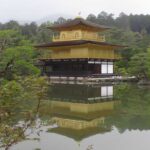
Kinkaku-ji receives about an hour. The temple’s gold-covered exterior reflected in its pond is one of Kyoto’s most recognizable sights, and it makes an efficient stop for photographs and a first look at Japanese temple design.
You normally view the pavilion from outside rather than walk through its interior. That makes this a visually strong but relatively brief visit. An hour can work well if you want the famous view and some context, but you may want more time if gardens and architectural details matter to you.
This is also a good place to judge the difference between a driver-guide and a full guide. A strong guide can explain the building’s religious role, its design, and how the grounds fit into Kyoto’s past. Several customers appreciated that kind of background, while others received very little explanation. I would politely ask for site commentary as you go.
Fushimi Inari’s red torii paths
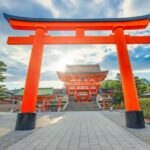
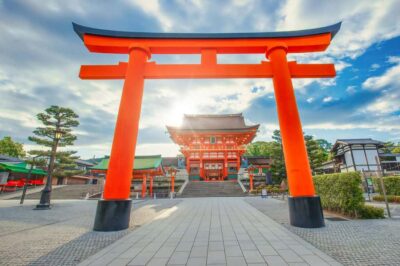
Fushimi Inari Taisha is given about an hour. Its rows of orange-red torii gates climb the wooded slopes behind the shrine, creating one of Kyoto’s most memorable walks.
You do not need to hike to the top to enjoy the shrine. With one hour, expect a short walk through the lower gate paths rather than the full mountain route. Comfortable shoes are important, and this is one stop where you should be ready for uneven ground and steps.
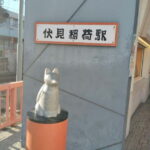
The shrine is dedicated to Inari, associated with rice, business, and prosperity. Fox figures appear around the grounds because foxes are regarded as messengers of Inari. Your guide can add useful meaning to details that might otherwise look like decoration.
If you want a long walk, tell the guide at the start of the day. Fushimi Inari can easily absorb much more time than the sample schedule allows.
Other guided tours in Kyoto

Nara Park and the Great Buddha
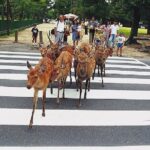
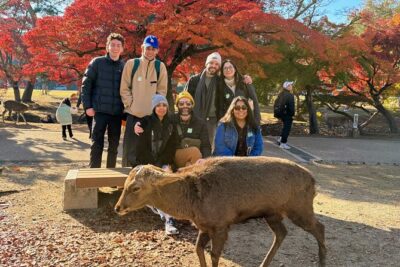
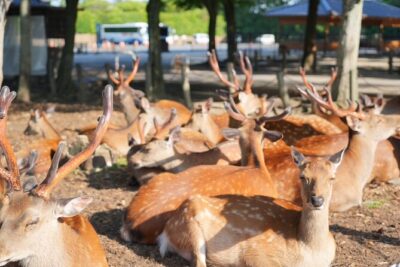
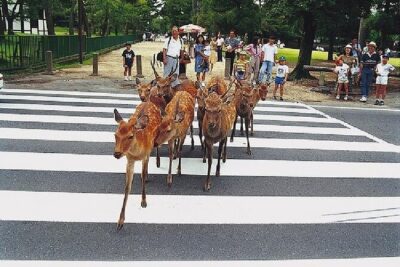
Nara Park is scheduled for about 95 minutes, making it one of the longer stops. The park’s deer roam freely, and many visitors come for the unusual experience of seeing them near temples, paths, and open lawns.
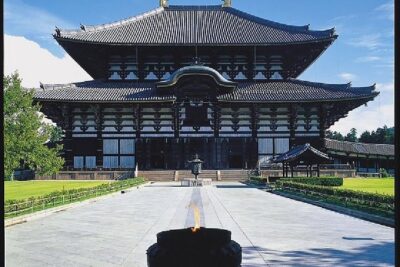
You can also prioritize Todai-ji Temple, famous for its enormous Great Buddha statue. Its scale is difficult to grasp from photographs. The temple building itself is also impressive, and the visit gives you a strong sense of Nara’s importance as an early Japanese capital.
Nara works especially well beside Kyoto because the two places feel distinct. Kyoto offers a dense collection of shrines, temples, markets, and old neighborhoods. Nara gives you broad parkland, monumental Buddhist sculpture, and a slower setting.
Keep your hands and belongings under control around the deer. The provided guidance specifically recommends carrying cash because many places do not accept cards. Food and drinks are not included, so budget separately for anything you buy during the day.
Kiyomizu-dera above Kyoto
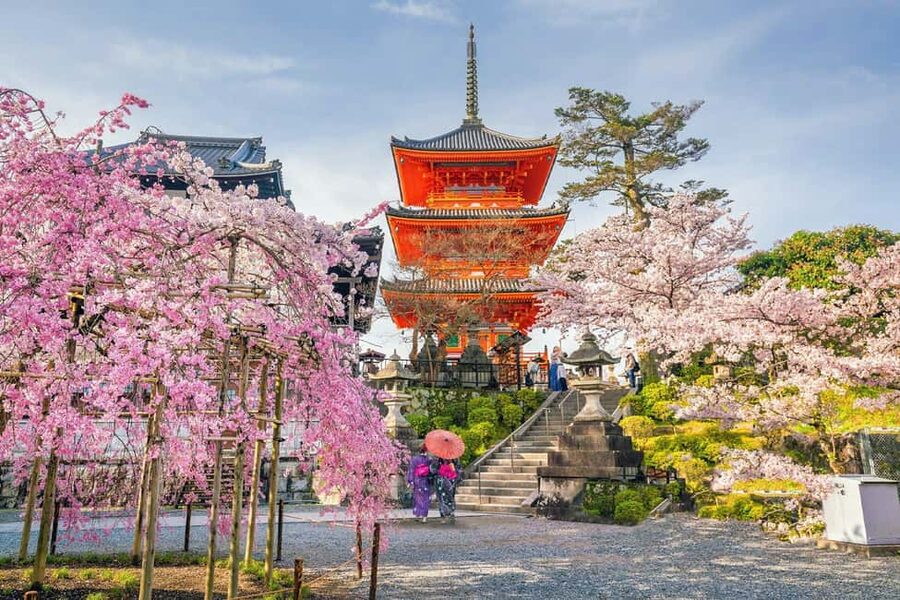
Kiyomizu-dera receives about an hour and is one of the strongest choices for a first visit to Kyoto. The temple is known for its elevated wooden stage and broad views across the city.
The approach to the temple is part of the experience. You pass through an old-style commercial area with shops and food stops before reaching the temple grounds. One hour can cover the main viewpoint and key areas, but it is not enough for an unhurried exploration of every lane and building.
I would place Kiyomizu-dera high on your list if you want a mix of scenery, architecture, and cultural context. Ask your guide to explain the temple’s traditions and the design of its wooden structure. This is another stop where a talkative guide adds real value.
Nishiki Market for local tastes
Nishiki Market is allotted about an hour. The covered market is a practical place to see Kyoto food culture, small specialty shops, and everyday local commerce in one compact stretch.
This stop is partly guided and partly self-guided. Your guide can point out foods and explain what you are seeing, but you will have room to browse at your own pace. Food is not included, so purchases are your responsibility.
An hour is enough for a look and a few small tastings, though it can pass quickly if you stop often. I would avoid planning a full sit-down meal here unless you are willing to shorten another stop. Nishiki is best used as a sensory break between temples, not as a replacement for a dedicated food tour.
Adding Osaka and Dotonbori
If you choose Osaka, Dotonbori is the natural headline stop. Its neon signs, street food, shops, and entertainment give you a sharp change from Kyoto’s temples and Nara’s parkland.
The private format lets you make Osaka the main event or add a shorter visit to a Kyoto or Nara day. Be realistic about distance. Trying to cover major Kyoto temples, Nara Park, and Dotonbori in 10 hours would leave little time at each place, especially if traffic is heavy.
I would choose Kyoto and Osaka if food, shopping, and city energy matter as much as temples. I would choose Kyoto and Nara if you want the most traditional and historic pairing.
How much guiding will you receive?
The tour is sold with a live guide in English, Hindi, Japanese, or Urdu. Japanese language ability may be useful for communication during the day, while English, Hindi, and Urdu options give you a wider choice of guide.
The experience can be excellent when the driver-guide takes an active role. Dhanush, also referred to as Danush in one account, received praise for keeping the day comfortable, explaining the places well, taking photographs, and adapting the route to personal choices.
But you should know about the inconsistency. Two customers found their drivers punctual and polite but said they received little historical explanation. That difference matters because the tour’s price is not only paying for a vehicle. It is also paying for local interpretation.
At pickup, explain that you want commentary at each temple, not just transportation. Ask how much walking is involved, confirm your chosen sights, and say if photography is important. Clear requests may help turn a basic transfer service into the cultural tour you expected.
Tickets, meals, timing, and access
Admission tickets are not included, and neither are food or drinks. The tour indicates skip-the-ticket-line access, but you should still confirm exactly which admissions or entry arrangements are covered before booking, since the published inclusions exclude entry fees.
Wear comfortable shoes. The day involves temple grounds, market walking, shrine paths, and possible steps. The experience is listed as wheelchair accessible, but you should discuss your exact route and mobility needs in advance because individual temple grounds and walking areas may differ.
Pickup and drop-off are included in Kyoto, Osaka, and Nara. Kobe is also shown among the pickup and drop-off choices, but an additional note says extra charges apply outside Kyoto. Confirm the price and service area if you are staying in Kobe or another location outside the main pickup cities.
You can cancel up to 24 hours before the start time for a full refund, and you can reserve now and pay later. Those policies help if your schedule is still shifting, but they do not solve the bigger question of route planning. Decide which two or three sights matter most before you reserve.
Is $438 a fair price?
For up to six people, the price can be sensible. You get a private vehicle, a dedicated driver-guide, pickup and drop-off, and the ability to change the plan. A full van also saves the cost and hassle of arranging several separate transfers.
For a couple, the price is harder to justify unless you place a high value on convenience and privacy. Public transport can cost less, but it will not provide the same door-to-door service or the ability to change stops on the fly.
The price makes the most sense for families, small groups, older relatives, or anyone with limited time who wants one person managing the day. It makes less sense if you prefer slow temple visits, long meals, or independent wandering. A private tour gives you control, but a 10-hour clock still limits how much you can see.
Who should book this day?
I would recommend it to a group of up to six that wants a practical first look at Kyoto and Nara without managing trains, buses, maps, and transfers. It also suits families who need a private vehicle and groups that want photos, flexible stops, or several languages.
It is a good choice for a first visit when you want a broad introduction rather than one specialized subject. You can see a famous temple, a major shrine, a market, and Nara’s deer in one organized day.
I would hesitate if your main goal is detailed teaching at every site. The mixed feedback about guiding means you should confirm the guide’s role and request historical commentary in advance. I would also avoid selecting every listed stop unless your priority is simply seeing the highlights from the outside.
Should you book it?
Book this tour if privacy, convenience, and route control matter most, especially for a group sharing the $438 cost. Choose Kyoto and Nara for the strongest cultural pairing, and leave Osaka for a separate day unless food and nightlife are your main interests.
Before booking, send a short priority list: for example, Kiyomizu-dera, Fushimi Inari, and Nara Park. Ask for an active English-speaking guide, confirm pickup charges, and plan extra money for tickets and food. With those expectations set, this can be an efficient and personal introduction to Japan’s old capitals.
FAQ
How long is the private tour?
The tour lasts 10 hours. Starting times depend on availability.
Which cities can I combine?
You can combine Kyoto and Nara, Kyoto and Osaka, or Osaka and Nara. You can also focus on one city and set a custom route.
Where is pickup included?
Pickup and drop-off are provided in Kyoto, Osaka, and Nara. Kobe is also listed as an available pickup and drop-off location, but extra charges may apply outside Kyoto, so confirm the cost for your address.
How many people can join the private group?
The price covers a private group of up to six people.
Are entrance tickets included?
No. Entry tickets are not included. Food and drinks are also separate costs.
Which languages are available?
Live guiding is available in English, Hindi, Japanese, and Urdu.
What should I bring?
Bring comfortable shoes and some cash, since many places may not accept cards. Alcohol and drugs are not allowed.
More Private Tours in Kyoto
More Guided Tours in Kyoto
More Nara Day Trips in Kyoto

More tours in Kyoto we've reviewed




Nara Day Trips, compared.
 ★ 5.0World Heritage Kyoto & Nara Uji Authentic Matcha ExperienceFrom $129
 ★ 4.7Kyoto/Osaka: Nara, Fushimi Inari Taisha, Arashiyama Bus TourFrom $529 - 10 hours
 ★ 4.4Osaka/Kyoto: Arashiyama, Nara & Fushimi Inari Shrine w/LunchFrom $61
 ★ 5.0Nara Early Morning Tour (Kyoto or Osaka Departure Available)From $61
 ★ 4.5Kyoto and Nara Day Trip from KyotoFrom $194
 ★ 4.5Nara Afternoon Tour from Kyoto or OsakaFrom $102