
Reviewed · NARA DAY TRIPS
Osaka & Nara in 1-Day by Private Van with Local Expert Guide
Nara’s deer, Osaka’s neon streets, a giant Buddha, Osaka Castle, and a local ramen stop can all fit into one long afternoon and evening. The appeal is flexibility: guide Daiki Fukashi can adjust the route, pickup, drop-off, and stops to match your interests. I especially like the private car and the chance to see both famous sights and local districts that are awkward to connect by public transport.
I also like the personal touch. Daiki has helped with photos, suggested restaurants, shared stories about growing up in Osaka, and even ordered unfamiliar dishes at dinner. The catch is time: six and a half to seven and a half hours is a tight window for two major cities, and not every small stop is guaranteed.
In This Review
- Quick take: what makes this tour useful
- A smart way to see two cities from Kyoto
- Nara Park and the deer
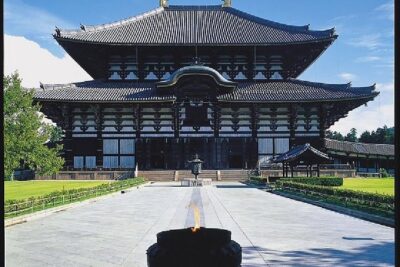
- Todai-ji and the great Buddha
- Yoshikien Garden and the bell tower
- Osaka Castle from the outside
- Osaka’s youth districts and electronics streets
- Dotonbori and Shinsaibashi after dark
- Tsutenkaku and Osaka street food
- The less polished side of Osaka
- What the guide adds
- Who gets the best value
- Should you book Osaka and Nara in one day?
- FAQ
- Where does the tour begin?
- Can I finish in a different city from where I start?
- Is the tour private?
- What vehicle is used?
- Are fuel, highway fees, and parking included?
- Is lunch included?
- Is Todai-ji admission included?
- Can I visit only Osaka or only Nara?
- Is every listed stop guaranteed?
Quick take: what makes this tour useful
- Nara deer and Todai-ji in one efficient visit: Feed the famous deer, enter the temple housing Japan’s great bronze Buddha, and see the bell tower.
- A private van from Kyoto, Osaka, or Nara: You avoid changing trains and can finish in a different city from where you began.
- Daiki Fukashi as guide and driver: He provides local background, photo help, restaurant advice, and route changes when conditions allow.
- Osaka after dark: Dotonbori, Shinsaibashi, Tsutenkaku, and nearby shopping streets are best appreciated as the lights come on.
- A flexible plan, not a rigid checklist: You can choose Osaka, Nara, or both, but seasonal conditions and traffic may change the order.
- Dinner guidance without dinner included: The guide can help you find a local restaurant, but you pay for your own meal.
A smart way to see two cities from Kyoto
This is not a leisurely, deep visit to every temple and Osaka neighborhood. It is a high-coverage private outing, designed for someone who wants to see the main flavor of Nara and Osaka without working out several train connections.
The tour starts at 1 p.m. and lasts about 6 hours 30 minutes to 7 hours 30 minutes. That timing works well for an evening in Osaka. Nara gives you daylight for the park and temples, while Osaka’s neon signs, food streets, and nightlife districts become more interesting later in the day.
The van matters more than it may first appear. Kyoto, Nara, and Osaka are close on a map, but the sights within each city are spread out. A private car cuts down on station walks, transfers, and the need to keep checking train directions. It also lets you leave in Kyoto and finish in Osaka, or arrange another combination within Kyoto, Osaka, and Nara city limits.
The vehicle is an air-conditioned Nissan Serena for groups of two to six. A Mini Convertible is used for one person. Fuel, highway charges, and parking are included, so the advertised price is not followed by the usual pile of road expenses.
The listed cost is $300.61 per group, shown for up to one person, so check the final party pricing carefully before booking. For a couple or small family, the value comes from buying private transportation, a driver, and a local guide in one package. If you are comfortable using trains and visiting only one city, public transport will cost less. If you want both cities in one outing, the private setup is much easier.
A few more Kyoto tours and experiences worth a look
Nara Park and the deer
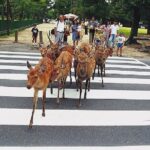
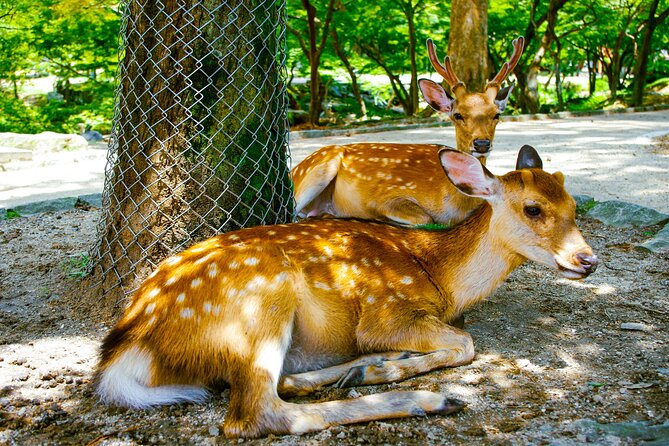
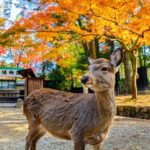
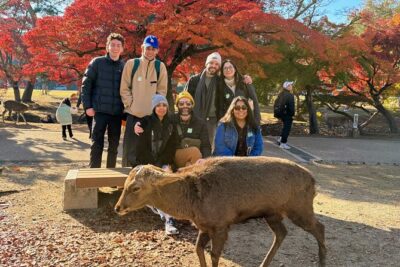
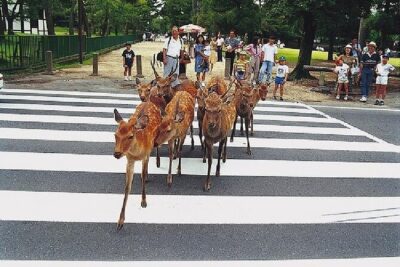
Nara Park is the first major stop, with about an hour set aside. This is the tour’s most instantly memorable sight. Deer wander through the park, around temple grounds, beside roads, and close to people. They are accustomed to human visitors, but they are still animals, so keep food and paper items under control and follow local guidance.
The park is not just a deer photo stop. It gives you a quick introduction to Nara’s old temple district, with broad paths and wooded areas around major religious sites. Daiki can explain local customs and help you frame photos, which is useful when deer, people, and temple buildings all compete for space.
One hour is enough to enjoy the deer and get a first look at the area. It is not enough for a slow walk through every corner of the park. If Nara is your main reason for booking, ask for more time there and accept fewer Osaka stops.
Todai-ji and the great Buddha
Todai-ji receives about an hour, with an admission charge of ¥800 per person not included in the tour price. This is the key paid attraction of the day, and I would not skip it unless you have already been inside.
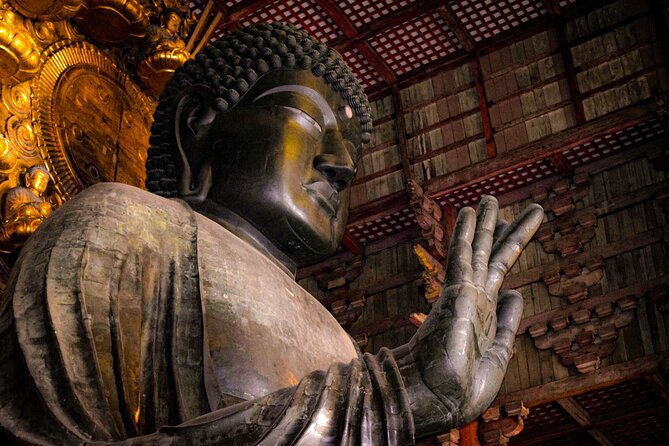
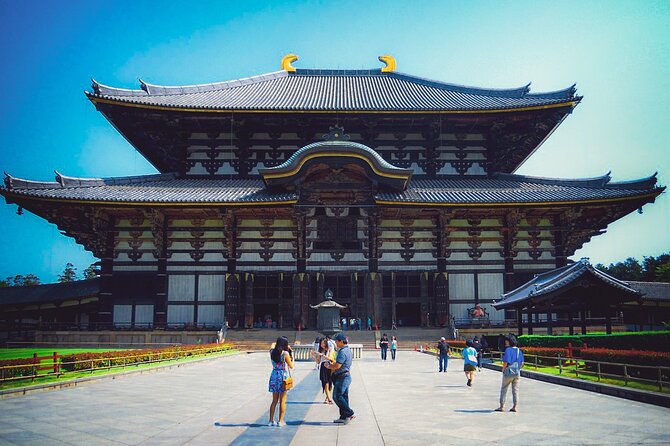
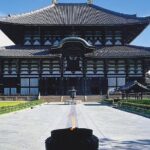
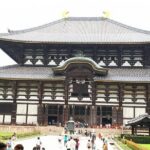
The temple is famous for its enormous wooden hall and huge seated Buddha statue. The scale is hard to grasp from photographs. Even a short visit gives you a sense of why this temple matters so much in Japanese Buddhist culture.
The temple visit also gives the guide room to explain architecture, religious practice, and customs. Several tour accounts describe Daiki offering clear explanations at temples and answering questions from other people nearby. That suggests a guide who does more than point at a building and name it.
Plan for walking here. Nara Park is spacious, and the temple grounds can be busy. Comfortable shoes will make the hour much more pleasant. Admission is separate, and lunch is not included, so budget for both.
Yoshikien Garden and the bell tower
Yoshikien is allotted about 15 minutes. That is a short stop, but it can provide a calm contrast to Todai-ji and the deer park. The garden includes several distinct areas, seasonal plants, trees, and moss-covered sections, along with traditional Japanese garden features.
Fifteen minutes lets you take a quick look and some photographs. It does not allow a slow garden visit, especially if you stop often. Garden lovers should ask Daiki if this stop can be expanded, perhaps by trimming one of the shorter Osaka photo stops.
Todai-ji Shoro, the bell tower, is listed for about 10 minutes. The bronze bell is said to be about 1,300 years old and is associated with a long-standing evening ringing tradition. It is a compact stop, but it adds another layer to the Nara visit beyond deer and the Buddha hall.
The order of these Nara stops may change. The tour notes that seasons and conditions affect the plan, and not every small site is guaranteed. That flexibility is helpful, but you should tell the guide your priorities before the drive begins.
Osaka Castle from the outside
Osaka Castle receives about 20 minutes, with no admission included because the listed visit is a brief exterior stop. You can see the castle and its park, take photographs, and hear about Osaka’s samurai-era story and the rulers linked with the site.
Twenty minutes is enough for a photo stop, not a full museum visit. If you want to enter the castle interior, ask about adding time and expect the rest of the route to shrink. The castle museum requires more than a quick look from the road.
This is one of the tour’s practical tradeoffs. A private vehicle lets you reach the castle without a long transit connection, but the short allotment keeps the day moving toward Osaka’s evening districts. Some people will prefer that balance. Others will want to trade one or two shopping streets for more time inside the castle.
Other guided tours in Kyoto

Osaka’s youth districts and electronics streets
American Village is described as a youth-oriented district rather than an American cultural center. Its feel is compared with the youthful shopping and nightlife areas of Tokyo. The point is the atmosphere: music, fashion, clubs, and local Osaka youth culture.
The itinerary also includes an electronics and anime district, described as a more concentrated Osaka counterpart to Akihabara. The exact time is flexible, and the smaller Osaka stops are not guaranteed. If anime, games, electronics, or nightlife are high on your list, say so early.
These areas are valuable because they show Osaka beyond castles and temples. You see how the city shops, socializes, and spends an evening. The drawback is that quick drives through a district do not replace time on foot. Ask to stop and walk if you want to browse rather than simply take a look from the van.
Dotonbori and Shinsaibashi after dark
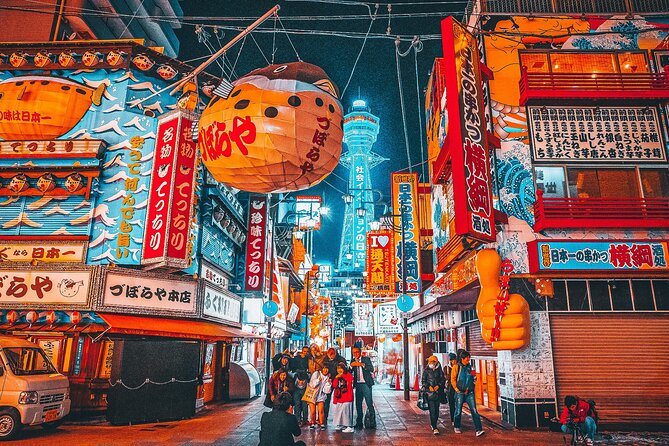
Dotonbori is the visual centerpiece of Osaka. The canal, neon signs, famous running-man sign, restaurants, and crowds create the city image most people carry home. The scheduled stop is about 15 minutes, which is enough for photographs and a quick taste of the scene.
I would treat this as an orientation stop, not a full Dotonbori visit. The area rewards wandering, eating, and watching the signs. If you want takoyaki, okonomiyaki, or a sit-down meal here, you need to make that clear because the time plan is already full.
Shinsaibashisuji and the nearby shopping arcades offer a different view. Instead of neon beside the canal, you get a long covered shopping route and heavy foot traffic. One listed stop is only five minutes, so it is more of a quick introduction than a shopping session.
Traffic and pedestrian crowds can affect what the van can do. The value of the guide is not simply driving you to a pin on a map. It is helping you decide where to walk, where to take photos, and which area is worth your limited time.
Tsutenkaku and Osaka street food
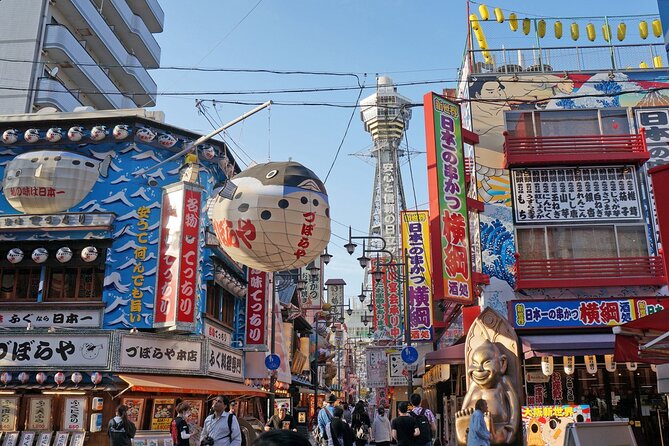
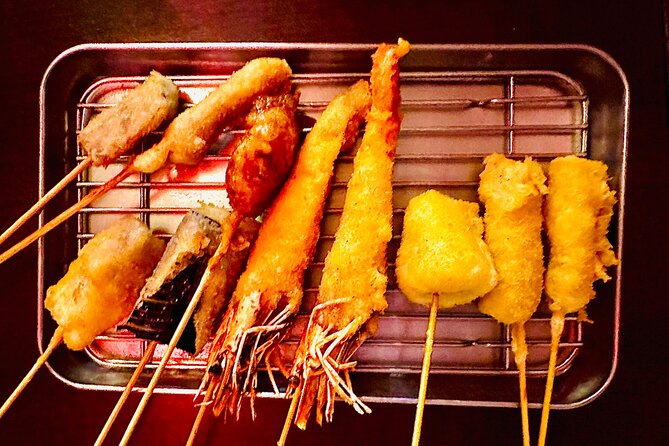
Tsutenkaku Hondori Shopping Street gets about 15 minutes. This district has a more old-school Osaka feel, with distinctive shops, bright signs, and casual food stalls. It is a good place to try takoyaki, the hot octopus snacks associated with Osaka.
The short stop works if you want a taste rather than a full meal. Osaka food is one of the tour’s strongest personal touches because Daiki can guide you toward a local restaurant and help with ordering. Dinner is not included, but dinner time and a restaurant guide are included in the service.
Several accounts describe Daiki finding a good ramen place or helping choose a local restaurant. One particularly useful detail is that he has ordered foods for people that they might not have tried on their own. Tell him your budget, allergies, dislikes, and appetite. Restaurant costs remain yours, and the guide cannot turn an excluded meal into an included one.
The less polished side of Osaka
The route may include a red-light district described in blunt terms. This is not a polished sightseeing area, and some people may find its adult businesses or street activity uncomfortable. It is included as a look at a less touristy side of Osaka, but you should decide in advance if that is something you want to see.
Because the itinerary changes with conditions and interests, ask Daiki to skip this area if it does not suit your group. Private touring gives you that choice. You are not locked into a large bus group’s route.
That is one reason this experience works best for adults, repeat Japan visitors, or curious first-time visitors who want a candid look at the city. Families should state their preferences clearly before departure, especially if children are joining.
What the guide adds
The strongest part of this experience is the guide relationship. Daiki Fukashi is repeatedly singled out for his local background, clear English, safe driving, punctuality, and ability to change plans. He has picked people up at hotels and a cruise port, answered questions before the outing, helped with photos, and made alternate suggestions when plans changed.
He also shares personal stories about Osaka and how the city has changed. That kind of local context can make a street or restaurant feel less random. You get explanations about temples, customs, architecture, and religion, not just a series of photo stops.
The guide also appears to be flexible about the balance between sightseeing and food. Some people prefer more temples. Others want a night drive, ramen, shopping, anime districts, or a lively meal. Tell him what you want before the day starts, because the official route includes more stops than the available hours can comfortably support.
There is a practical limit here. The tour is sold as a private experience, but no guide can overcome rush-hour traffic, temple closing times, or a long lunch. Flexibility means changing priorities, not seeing every named place in depth.
Who gets the best value
I would recommend this tour to you if you are staying in Kyoto and want one concentrated outing to Nara and Osaka. It is especially useful for families, couples, older adults, small groups, and anyone who would rather not manage several train routes in one day.
It also suits a cruise-port schedule or a short stay when you need an efficient overview. The different pickup and drop-off points can save a hotel transfer and let you finish where your evening plans are.
You may not need it if you want a slow Nara temple day, a full Osaka Castle visit, or hours of shopping. In those cases, choose one city and ask the guide to build the day around it. The experience allows a Nara-only or Osaka-only plan, which may give you a better visit than trying to keep every stop.
Wear comfortable shoes, carry water, and reserve room in your budget for Todai-ji admission, lunch, and dinner. The vehicle is air-conditioned, but you still walk through parks, temple grounds, and shopping streets.
Free cancellation is available if you cancel at least 24 hours before the local start time. Changes made inside that period are not accepted, so settle your pickup point and priorities early.
Should you book Osaka and Nara in one day?
Book it if you want private transport, local guidance, and a broad first look at both cities. The deer, Todai-ji, Osaka’s night streets, and a guide-assisted meal make a strong single-day introduction.
Do not book it expecting a slow, detailed study of every site. The best use of the tour is to choose two or three must-sees, then let Daiki shape the rest around traffic, opening conditions, and your interests. For many people, that personal route is worth more than a fixed group itinerary.
FAQ
Where does the tour begin?
The listed start time is 1 p.m. Pickup is offered anywhere in Kyoto, Osaka, or Nara cities, with the exact point arranged at booking.
Can I finish in a different city from where I start?
Yes. You can choose pickup and drop-off points in Kyoto, Osaka, or Nara, and they can be different.
Is the tour private?
Yes. Only your group participates in the activity.
What vehicle is used?
Groups of two to six use an air-conditioned Nissan Serena. A Mini Convertible is used for one person.
Are fuel, highway fees, and parking included?
Yes. Fuel, highway fees, and parking fees are included.
Is lunch included?
No. Lunch is not included. Dinner time and local restaurant guidance are included, but you pay for the dinner.
Is Todai-ji admission included?
No. Todai-ji admission is listed separately at ¥800 per person.
Can I visit only Osaka or only Nara?
Yes. You can choose a tour covering both cities or focus on just one city.
Is every listed stop guaranteed?
No. The route can change with seasons and conditions, and smaller sites are not guaranteed. The tour is designed to adjust to your interests and the day’s circumstances.
More Private Tours in Kyoto
More Guided Tours in Kyoto
More Nara Day Trips in Kyoto

More tours in Kyoto we've reviewed



Nara Day Trips, compared.
 ★ 5.0World Heritage Kyoto & Nara Uji Authentic Matcha ExperienceFrom $129
 ★ 4.7Kyoto/Osaka: Nara, Fushimi Inari Taisha, Arashiyama Bus TourFrom $529 - 10 hours
 ★ 4.4Osaka/Kyoto: Arashiyama, Nara & Fushimi Inari Shrine w/LunchFrom $61
 ★ 5.0Nara Early Morning Tour (Kyoto or Osaka Departure Available)From $61
 ★ 4.5Kyoto and Nara Day Trip from KyotoFrom $194
 ★ 4.5Nara Afternoon Tour from Kyoto or OsakaFrom $102